
Blooming
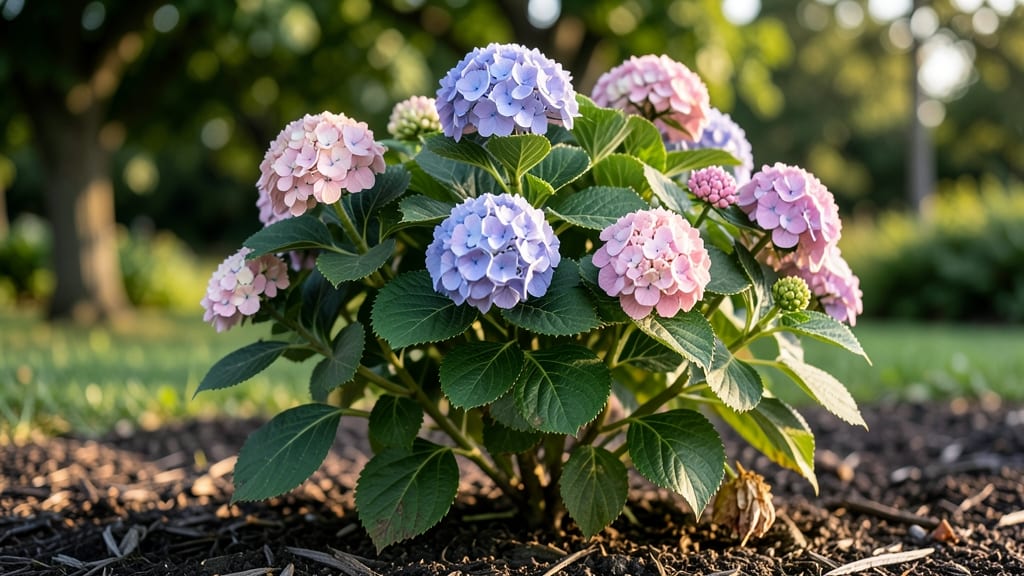
Hydrangeas don't bloom all summer—unless you know the secret. 🌿 The truth is, their flowering habits depend entirely on the type you're growing. Mophead varieties like 'Endless Summer' can produce fresh blooms all season, while panicle types like 'Limelight' have one big show in late summer.
The key to extending those purple blooms lies in pruning and deadheading. I learned this the hard way after my first hydrangea season—cutting back too late or not removing spent blooms left me with bare stems by August.
With the right timing, though, you can coax weeks of extra color from your plants. You'll see the difference within weeks: fresh buds forming where dead blooms once were, and stems packed with new growth.
The trick is knowing when to prune—early spring for some types, late winter for others—and keeping the soil consistently moist but never soggy. Works for backyard gardens, containers, or even cut-flower arrangements. Let's get those blooms lasting longer than you thought possible!
Understanding Seasonal Bloom Limits
Hydrangeas are famous for their vibrant, long-lasting blooms—but why don’t they always keep flowering until frost? The answer lies in their biology, environment, and care habits. Let’s break down the key reasons why hydrangeas might not bloom continuously all summer, so you can troubleshoot and extend their flowering season.
Not all hydrangeas are created equal! The timing and duration of blooms depend on their species and cultivar type. Here’s how genetics play a role:
- Mophead & Lacecap Hydrangeas (Hydrangea macrophylla): These classic varieties typically bloom on new wood (current season’s growth) and old wood (last year’s stems). However, they often produce their most abundant blooms in early to mid-summer and may taper off by late summer unless pruned correctly. Heatwaves or drought can also cause early bud drop.
- Panicle Hydrangeas (Hydrangea paniculata): These varieties (like ‘Limelight’ or ‘Little Lime’) only bloom on new wood, meaning they rely on fresh spring growth. While they can rebloom later in the season, their peak is usually in late spring to early summer. If pruned too late, you might miss some blooms entirely.
- Oakleaf Hydrangeas (Hydrangea quercifolia): These beauties bloom on old wood, so they set buds the previous summer. If they don’t get enough cool fall temperatures to trigger bud formation, they may produce fewer or smaller blooms the following year.
Actionable Tip: 💡 If you want all-summer blooms, choose reblooming cultivars like ‘Endless Summer’ (macrophylla) or ‘Goldsturm’ (paniculata), which are bred to produce flowers on both old and new wood.
Hydrangeas are sensitive to temperature extremes, and sudden changes can disrupt their blooming cycle. Here’s how heat and cold affect them:
- Heatwaves & Drought Stress: When temperatures consistently exceed 90°F (32°C), hydrangeas may drop buds prematurely or fail to open fully. This is because high heat speeds up metabolism, causing flowers to bolt (open too quickly) or wither. Drought further stresses the plant, diverting energy away from blooming.
- Late-Freeze Damage: If a late spring frost kills new growth, the plant may not have enough energy to produce secondary blooms later in the season. This is especially true for panicle hydrangeas, which rely on fresh spring shoots.
- Cool Nights & Extended Blooms: Surprisingly, cooler nighttime temperatures (60–70°F / 15–21°C) can prolong blooming by slowing down flower maturation. In hot climates, providing afternoon shade can help maintain vibrant blooms longer.
Actionable Tip: 🌡️ Monitor your local heatwave forecasts and water deeply 2–3 times per week during extreme heat. Mulching with 3–4 inches of organic matter (like shredded bark) helps retain soil moisture and keeps roots cool.
Hydrangeas are thirsty plants, and their blooming depends heavily on consistent moisture and nutrients. Here’s how deficiencies or excesses throw off their schedule:
| Issue | Effect on Blooms | Solution |
|---|---|---|
| 💧 Underwatering | Small, sparse blooms or bud drop due to stress. | Water 1–1.5 inches per week (more in heat). Use drip irrigation to keep roots evenly moist. |
| 🌱 Overwatering | Root rot weakens the plant, reducing flower production. | Ensure well-draining soil (amend with perlite or sand if needed). Check soil moisture before watering. |
| 🍄 Low Phosphorus | Fewer blooms or poor bud development. | Fertilize in early spring with a balanced 10-10-10 or bloom booster (5-10-10). |
| 🌿 Too Much Nitrogen | Lush foliage but fewer flowers (plant focuses on leaves). | Avoid high-nitrogen fertilizers like lawn fertilizers. Use low-nitrogen, high-phosphorus formulas instead. |
Actionable Tip: ✨ For extended blooming, apply a slow-release bloom fertilizer in early June to encourage new flower production.
Pruning is a double-edged sword for hydrangeas—do it wrong, and you’ll sabotage blooms before they even start. Here’s what goes wrong:
- Pruning at the Wrong Time: - Old-wood bloomers (macrophylla, oakleaf): Pruning in late winter or early spring removes next year’s buds. Wait until after blooming (late summer/fall). - New-wood bloomers (panicle, smooth hydrangeas): Prune in late winter/early spring to encourage fresh growth. Pruning too late cuts off potential blooms.
- Over-Pruning or Heavy Cuts: Cutting back more than 1/3 of the plant can reduce flowering energy. Hydrangeas need leafy foliage to photosynthesize and fuel blooms.
- Deadheading Improperly: Removing spent blooms too aggressively can signal the plant to stop producing flowers. Instead, trim just above the first set of healthy leaves to encourage new growth.
Actionable Tip: 🔪 For reblooming varieties, do a light deadheading in early summer to prompt a second flush of flowers. Use clean, sharp pruners to avoid disease.
Revive & Extend Your Hydrangea Blooms
If your hydrangeas are struggling to bloom all summer, don’t panic—there are practical ways to revive them and coax those vibrant blooms into lasting longer. The key is identifying the root cause (pun intended!) and applying the right fix.
Below, we’ve mapped common issues to actionable solutions, plus prevention tips to keep your hydrangeas thriving season after season.
Hydrangeas bloom on old wood (last year’s growth) or new wood (current season’s growth), depending on the variety. Pruning at the wrong time or too aggressively can strip away next year’s flower buds.
🔪 How to Fix It:
- For Bigleaf & Oakleaf Hydrangeas (Old Wood Bloomers):
- Wait until late winter or early spring (just as new growth begins) to prune.
- Remove only dead, damaged, or crossing branches. Avoid heavy cuts—never prune back more than 1/3 of the plant.
- Pro Tip: 💡 If you pruned too late last year, don’t stress—these hydrangeas can still recover. Just avoid cutting back now.
- For Panicle & Smooth Hydrangeas (New Wood Bloomers):
- Prune right after flowering (late summer/early fall) to encourage fresh blooms next season.
- Cut back 1/2 to 2/3 of the plant to stimulate new growth.
🌟 Prevention:
- Mark pruning dates on your calendar to avoid mistakes.
- Use sharp, clean pruners to prevent disease spread.
Hydrangeas love moisture but hate soggy roots. Uneven watering—whether too little or too much—can cause buds to drop or fail to open.
💧 How to Fix It:
- Check Soil Moisture: Stick your finger 2 inches into the soil. If it’s dry, water deeply until moisture reaches 6–12 inches down.
- Mulch Like a Pro: 🌡️ Apply 2–3 inches of mulch (wood chips or shredded bark) around the base to retain moisture and regulate temperature.
- Watering Schedule:
- Morning is best—water at the base (not leaves) to prevent fungal issues.
- Aim for 1–1.5 inches of water per week (more in extreme heat).
- Use a drip irrigation system for consistency if your schedule is unpredictable.
🌟 Prevention:
- Group hydrangeas with other thirsty plants to create a "watering zone."
- Avoid overhead sprinklers to prevent powdery mildew.
Hydrangeas thrive in acidic, well-draining soil rich in organic matter. If your soil is alkaline, compacted, or lacking nutrients, blooms will suffer.
📊 How to Fix It:
- Test Your Soil: Use a home soil test kit (or send a sample to a local extension office) to check pH and nutrient levels.
- Adjust pH for Blue/Purple Blooms:
- Lower pH (more acidic = blue flowers): Mix in sulfur or peat moss (follow package instructions).
- Raise pH (less acidic = pink flowers): Add lime sparingly.
- Feed for Big Blooms:
- Use a balanced fertilizer (10-10-10) in early spring.
- For a bloom boost, switch to a phosphorus-heavy formula (like 5-10-5) in late spring.
- Pro Tip: ✨ Avoid high-nitrogen fertilizers—they promote leaves over flowers!
🌟 Prevention:
- Amend soil with compost annually to improve structure and fertility.
- Avoid over-fertilizing—more isn’t better!
Spider mites, aphids, and fungal diseases (like powdery mildew) can sap energy from your hydrangeas, leading to weak or no blooms.
🚫 How to Fix It:
- Spot Treat Pests:
- Aphids/Spider Mites: Blast off with a strong spray of water or use neem oil (mix 1 tbsp neem oil + 1 tsp mild soap + 1 quart water).
- Slugs/Snails: Set up beer traps or use copper barriers.
- Fungal Issues (Powdery Mildew):
- Prune infected leaves and dispose of them.
- Spray with a baking soda solution (1 tsp baking soda + 1 quart water + a drop of soap).
🌟 Prevention:
- Encourage beneficial insects (like ladybugs) by planting marigolds nearby.
- Water early in the day so foliage dries quickly, reducing fungal risk.
Some hydrangeas bloom once in early summer and others re-bloom in fall. If you’re in a hot, dry climate, heat-sensitive varieties may fizzle out.
🌡️ How to Fix It:
- Choose Heat-Tolerant Varieties:
- Panicle Hydrangeas (e.g., ‘Limelight’, ‘Little Lime’) bloom on new wood and often re-bloom into fall.
- Endless Summer® Bigleaf Hydrangeas are bred to bloom twice—once on old wood and again on new growth.
- Provide Shade: If your hydrangeas are in full sun, add partial afternoon shade with a shade cloth or nearby trees.
🌟 Prevention:
- Research local nursery recommendations for your hardiness zone.
- Plant near a water source (like a pond or fountain) to help them stay cool.
With these fixes, your hydrangeas should perk up and reward you with longer, more abundant blooms all summer long. The secret? A little timing, care, and patience—just like nurturing a favorite plant (or a picky friend!). 🌸
Frequently asked questions
Why do some hydrangeas bloom longer than others?
It depends on the variety! Reblooming types like 'Endless Summer' produce flowers on both old and new wood, while varieties like 'Limelight' only bloom once on fresh growth. The key difference is genetics—some are bred specifically to extend their flowering season through multiple bloom cycles.
Can I make my hydrangeas bloom continuously all summer?
Not naturally, but you can extend their blooming season! For reblooming varieties, deadhead spent flowers in early summer and fertilize with phosphorus-rich food. For single-bloomers, focus on proper pruning timing and consistent moisture to support their natural bloom cycle.
What's the best way to revive hydrangeas that stopped blooming?
Check three things first: water needs (they need 1-1.5 inches weekly), soil pH (acidic soil = better blooms), and pruning timing. If they're old-wood bloomers, never prune before late winter! For new-wood types, prune after flowering to encourage fresh growth.
Will heat waves ruin my hydrangeas' blooms?
Yes, temperatures above 90°F (32°C) often cause bud drop. To protect them, provide afternoon shade and water deeply 2-3 times per week during heatwaves. Mulching with 3-4 inches of organic matter also helps maintain consistent soil moisture.
Can I grow hydrangeas in containers for summer-long blooms?
Container-grown hydrangeas actually thrive with consistent care. Choose reblooming varieties and use a well-draining potting mix. Water when the top 1 inch of soil feels dry and fertilize monthly with a bloom booster. Just ensure the container is at least 12 inches wide for proper root development.