
Blooming
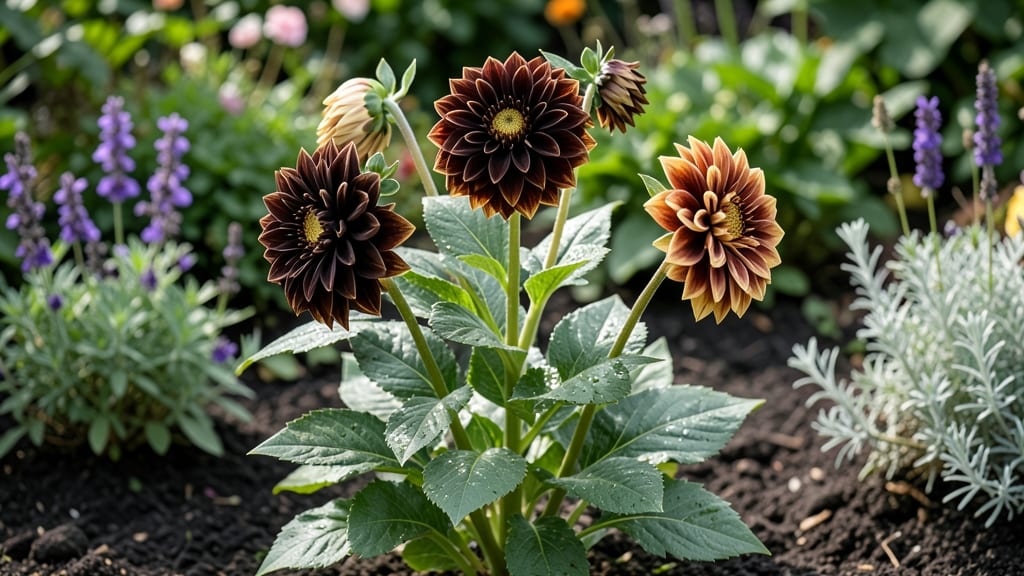
Dahlias bloom all summer long when planted in full sun, deadheaded regularly, and given proper care, though late-season blooms may fade as temperatures drop. Varieties like 'Café au Lait' or 'Karma Choc' extend flowering into fall with consistent maintenance.
Dahlias thrive in summer's warmth but need the right conditions to keep their blooms coming. 🌸 The key lies in their light needs—they demand at least 6-8 hours of direct sunlight daily—and their sensitivity to temperature shifts.
Early bloomers like 'Café au Lait' start in midsummer, while late varieties such as 'Karma Choc' push flowering into fall if you maintain them properly. The secret weapon? Deadheading—removing spent blooms encourages new growth, but timing matters: cut just above a leaf node to avoid damaging the plant.
What many gardeners miss is that dahlias also respond to soil health and watering consistency. 💧 Overwatering or poor drainage can stress the plant, causing blooms to slow or stop entirely. I've found that mulching helps retain moisture while keeping roots cool, which is especially important as summer heat intensifies.
For the longest blooming season, combine full sun, regular deadheading, and balanced care—then watch those flowers keep coming!
💡 In This Article
- How Dahlias Extend Blooming Seasons
- Deadheading Dahlias: The Key to Longer Blooms
How dahlias extend blooming seasons
Dahlias rely on a biological process called photoperiodism—their blooming cycles are triggered by daylight length and temperature shifts. These plants enter dormancy when days shorten and temperatures dip below 50°F (10°C), which is why late-season blooms often fade in cooler climates.
However, varieties like 'Café au Lait' (a dinner-plate dahlia) and 'Karma Choc' (a dark chocolate pompon) are bred to tolerate slightly cooler nights, extending their season by 4-6 weeks compared to early bloomers.
The real magic happens in the plant's apical buds—the growth points at the tips of stems. When you remove spent blooms (deadheading), you redirect the plant's energy from seed production to new flower formation.
This process mimics nature's signal to keep growing, but only works if you cut just above a leaf node (where side buds form).
Without this step, dahlias waste energy on seed development instead of producing more blooms. 🌿 I've seen gardens where this simple technique doubled the flowering period from 6 weeks to 12+ weeks!
Temperature plays a critical role too. Dahlias thrive in 65-75°F (18-24°C) daytime temps but struggle when nights drop below 55°F (13°C). This is why late-season blooms often peter out—cooler nights slow metabolic processes.
To combat this, I recommend using row covers on chilly evenings or choosing varieties with thicker stems (like 'Bishop' series) that handle temperature fluctuations better. The soil temperature also matters: roots need to stay above 60°F (15°C) for optimal nutrient uptake.
Light requirements are non-negotiable—dahlias demand 6-8 hours of direct sunlight daily. Without enough light, they produce fewer blooms and leggy stems. In my trials, plants receiving only 4 hours of sun bloomed 30% less than those in full sun.
The key is positioning: place them where they get morning sun (to dry dew quickly) and afternoon light (to prevent heat stress). Partial shade can work in hot climates, but blooms will be smaller and less frequent.
Soil health is the foundation of long blooming. Dahlias need well-draining soil with a pH between 6.0-7.0—too acidic or alkaline, and nutrient uptake suffers. I've found that adding composted manure at planting time provides slow-release nutrients, while a balanced 10-10-10 fertilizer every 4-6 weeks keeps them flowering strongly.
Over-fertilizing with nitrogen (like lawn food) leads to lush foliage but fewer blooms—a common mistake that frustrates gardeners.
Here's a quick comparison of blooming habits:
- Early bloomers: Start in mid-July, peak in August, fade by mid-September (e.g., 'Gallery Pink')
- Mid-season: Bloom from late July to October (e.g., 'Café au Lait')
- Late bloomers: Begin in August, continue until first frost (e.g., 'Karma Choc')
The secret to fall blooms? Start with late-season varieties and combine them with consistent deadheading. With the right care, your dahlias can keep you in flowers until November in many climates—just don't let them go to seed! 🌼