
Blooming
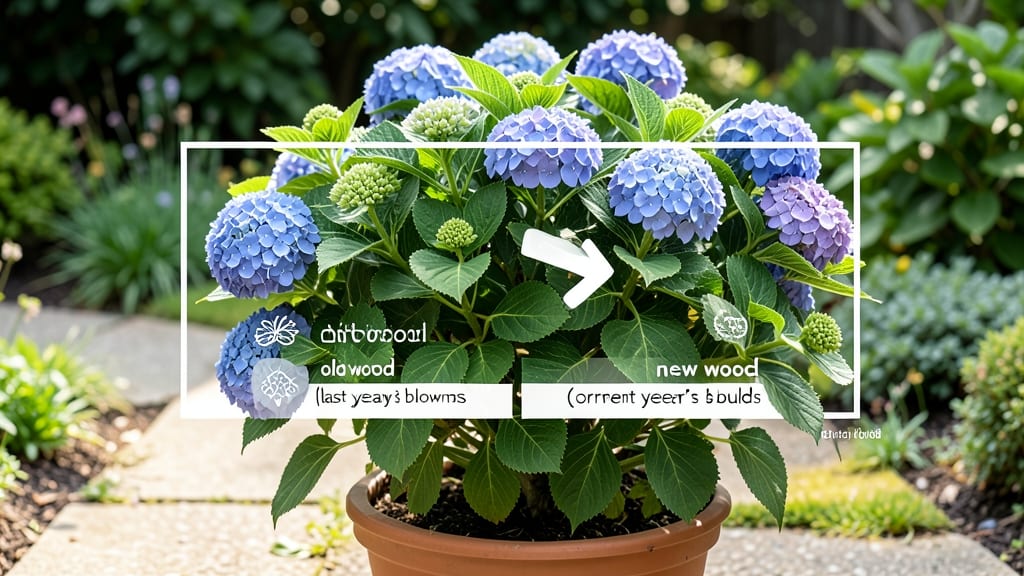
Do hydrangeas only bloom once a year? Not necessarily—the answer depends entirely on the variety you grow, and knowing the difference saves you from pruning mistakes that can rob you of blooms for a whole season. 🌸
Take mophead hydrangeas (the classic big, round clusters), for example—they bloom on last year's growth, so they only put on one show annually, usually in late spring or summer.
But panicle hydrangeas (like 'Limelight' or 'Little Lime') bloom on new wood, meaning they can—and often do—rebloom if you prune them correctly in late winter or early spring. Then there are the lacecaps, which sometimes surprise you with a second flush of smaller blooms in fall.
What you'll achieve is a garden that stays vibrant longer, with the right variety in the right spot. A simple pruning schedule—cutting back old wood in winter for once-bloomers, or shaping new growth for rebloomers—makes all the difference.
The payoff? A hydrangea bush that keeps you in blooms from early summer through fall, depending on the type.
This works for both garden beds and containers, and even in partial shade where other plants might struggle. The key is matching your pruning timing to your hydrangea's natural cycle—no guesswork, just consistent care. Let's get those blooms going!
📚 In This Guide
- What you need
- Instructions
- Tips and common mistakes
- Wrapping up and next steps
What you need
- ● Hydrangea plants: Choose reblooming varieties like 'Endless Summer,' 'Annabelle,' or 'Nikko Blue' (1–3 plants, depending on desired impact).
- ○ Well-draining potting mix or garden soil: 5–10 gallons (for containers) or amended native soil (for in-ground planting). Optional: Add 1–2 cups of perlite or sand per 5 gallons for drainage.
- ● Balanced fertilizer: 10-10-10 or 20-20-20 (2–3 tbsp per plant, applied every 4–6 weeks during growing season). Pro tip: Use a low-phosphorus formula (e.g., 10-6-20) for blue blooms!
- ● Pruning shears: Bypass pruners (sharp, clean, and sterilized with rubbing alcohol).
- ● Mulch: 2–3 inches of organic mulch (e.g., shredded bark or pine needles) to retain moisture and regulate soil temp.
- ● Watering can or hose with nozzle: 1–2 gallons per watering (deep soak 1–2x/week; more in extreme heat).
- ○ pH test kit: To monitor soil pH (aim for 5.2–5.5 for blue blooms, 6.0+ for pink/red). Optional: Lime (to raise pH) or aluminum sulfate (to lower pH).
- ● Sunlight: Partial shade (4–6 hours of morning sun; afternoon shade in hot climates).
- ● Hardiness zone: USDA Zones 3–9 (check variety-specific cold tolerance).
- ● Water access: Consistent moisture (hydrangeas hate drought stress!).
- ● Epsom salt (1 tbsp/month in water) for magnesium boost.
- ● Slow-release fertilizer spikes for convenience.
- ● Plant supports (stakes or cages) for large varieties like 'Grandiflora.'
- ● Garden journal to track blooming cycles and soil adjustments.
How to encourage hydrangeas to bloom more than once a year
Not all hydrangeas follow the same blooming rules—some surprise you twice!
🌿 Step 1: Identify Your Hydrangea Variety
First, figure out which type you have because that determines everything. Bigleaf hydrangeas (like 'Endless Summer' or 'Nikko Blue') are the rebloomers—cutting back old wood encourages fresh blooms in late spring and again in summer. Smooth hydrangeas (like 'Annabelle') bloom on old wood, so pruning too early means no flowers.
Look for clues: Bigleaf varieties have larger, showier blooms with multiple flower heads, while smooth hydrangeas have single, round clusters. If you're unsure, snap a photo and compare it to online guides. This step is critical—pruning the wrong type wipes out next year's flowers.
✂️ Step 2: Prune at the Right Time for Reblooming
For bigleaf rebloomers, prune right after the first flush of blooms fades in late spring. Cut back one-third of the oldest stems to the first set of strong leaves or buds. This forces new growth that will produce flowers again in summer. Never prune in fall or winter—you'll remove next year's buds.
For old-wood bloomers, wait until late winter or early spring (just as new growth begins) to trim dead stems. Use clean, sharp shears and cut just above a leaf node or outward-facing bud. Avoid heavy pruning—these plants rely on last year's wood for blooms.
☀️ Step 3: Provide Consistent Light and Water
Hydrangeas need morning sun and afternoon shade—too much direct sun scorches leaves, while too little light weakens blooms. If your plant gets full sun, water deeply twice weekly to prevent stress. In partial shade, water once a week unless the soil feels dry to the touch.
Reblooming varieties need balanced soil moisture—never let them dry out completely. Check soil 1 inch below the surface with your finger. If it's bone dry, water thoroughly until it drains from the bottom of the pot or soil. Mulch with 2-3 inches of organic material (like shredded bark) to retain moisture and regulate temperature.
💧 Step 4: Feed for Stronger, More Frequent Blooms
Use a balanced, slow-release fertilizer (like 10-10-10) in early spring to kickstart growth. For reblooming bigleaf types, apply a second dose in early summer after the first flowers fade. Avoid high-nitrogen fertilizers—they promote leafy growth at the expense of blooms.
I like to mix in 1 cup of compost around the base in spring, too. This adds nutrients gradually without burning roots. Stop fertilizing by mid-summer to let the plant focus on setting buds for next year's blooms.
⏰ Step 5: Monitor and Adjust for Your Climate
In hot, dry climates, reblooming hydrangeas may need daily watering during heatwaves. Watch for drooping leaves—this is your signal to water immediately. In cooler regions, reduce watering slightly in fall to prepare the plant for dormancy.
If your hydrangeas bloom weakly or sporadically, they might need more shade or less fertilizer. Pay attention to leaf color: Dark green and glossy means they're thriving. Yellowing leaves could signal overwatering, while brown edges often mean too much sun or dry soil.
Tips & tricks for encouraging hydrangeas to rebloom
Here's what nobody tells you about getting those second blooms—it's all about timing and variety.
Variety-Specific Pruning: Bigleaf hydrangeas like 'Endless Summer' are the rebloomers, but you must prune one-third of the oldest stems right after their first flowers fade. This forces new growth that produces those second blooms. Confession: I skipped this step for years and wondered why my hydrangeas only bloomed once!
Pruning Timing is Everything: Never prune old-wood bloomers like 'Annabelle' in late spring—you'll cut off next year's buds. Instead, wait until late winter or early spring when new growth begins. For rebloomers, pruning in fall or winter removes potential summer flowers. Think of it like a plant's calendar—get it wrong, and you lose the whole season.
Watering Wisdom: The instructions mention twice-weekly watering for full sun, but here's the real trick: check soil 1 inch below the surface before watering. Bone-dry soil means it's time, but soggy soil means you're overdoing it. I use my finger as a moisture meter—it's foolproof and saves me from overwatering mistakes.
Fertilizer Strategy: That second dose of balanced fertilizer in early summer (after first blooms fade) is non-negotiable for rebloomers. I've tried skipping it, and the second flush is noticeably weaker. Pro tip: Mix in 1 cup of compost in spring too—it's like giving your plant a slow-release vitamin boost without the risk of burning roots.
Pro Tips for Do Hydrangeas Only Bloom Once A Year
- Here's what nobody tells you about getting those second blooms—it's all about timing and variety.
- Variety-Specific Pruning: Bigleaf hydrangeas like 'Endless Summer' are the rebloomers, but you must prune one-third o...
- Pruning Timing is Everything: Never prune old-wood bloomers like 'Annabelle' in late spring—you'll cut off next year'...
Frequently asked questions
Got questions about hydrangea blooming cycles?
You’re not alone! Here are answers to the most common queries—whether you’re curious about timing, varieties, or how to coax extra blooms from your plants.
Do all hydrangeas bloom just once a year?
Not at all! Hydrangeas fall into two main categories: once-blooming (like Oakleaf or Bigleaf hydrangeas) and reblooming (such as PeeGee or Limelight). Rebloomers can produce flowers twice—once in spring/early summer and again in fall—if pruned correctly. Always check your variety!
Why did my hydrangea only bloom once this year?
Several factors could be at play: late pruning (cutting back after blooming), nutrient deficiencies (especially nitrogen or phosphorus), or stress (like drought or extreme heat). For rebloomers, prune in late winter or early spring to encourage new growth—and thus, more blooms!
Can I make my hydrangea bloom twice a year?
if it’s a reblooming variety! Start by pruning spent blooms in early summer to stimulate a second flush. Ensure it gets 6+ hours of sunlight, well-draining soil, and regular watering. Fertilize lightly in spring and summer with a balanced bloom booster for best results.
What’s the best time to prune hydrangeas for more blooms?
Timing is everything! For once-bloomers, prune right after flowering to shape the plant. For rebloomers, prune in late winter/early spring (before new growth starts) to avoid cutting off next year’s buds. Never prune in fall—it can stunt spring blooms!
Are there hydrangeas that bloom year-round?
No variety blooms continuously, but some reblooming types (like Endless Summer or Annabelle) can produce flowers almost nonstop with proper care. Even then, expect a short break in late summer as the plant rests. Pair with seasonal perennials for year-round color!
What do I do if my hydrangea won’t bloom at all?
Troubleshoot with this checklist:
- Sunlight: Ensure it gets partial shade (4–6 hours of sun). Too much sun can scorch leaves.
- Soil pH: Test your soil—acidic (pH 5.5–6.2) encourages vibrant blooms.
- Watering: Keep soil consistently moist (1–2 inches deep). Drought stress = fewer blooms.
- Fertilizer: Use a high-phosphorus fertilizer in spring to promote flowering.
Wrapping up and next steps
So, do hydrangeas only bloom once a year? The answer depends on the variety—while some like mopheads and lacecaps shine once, reblooming types (like Endless Summer) can dazzle twice! With the right care—pruning, deadheading, and balanced nutrients—you can coax extra blooms from your plants. 🌸
Now that you’re armed with the truths, why not experiment? Try a reblooming variety or tweak your care routine to see those flowers return! Happy gardening—your hydrangeas will thank you! 🌿