
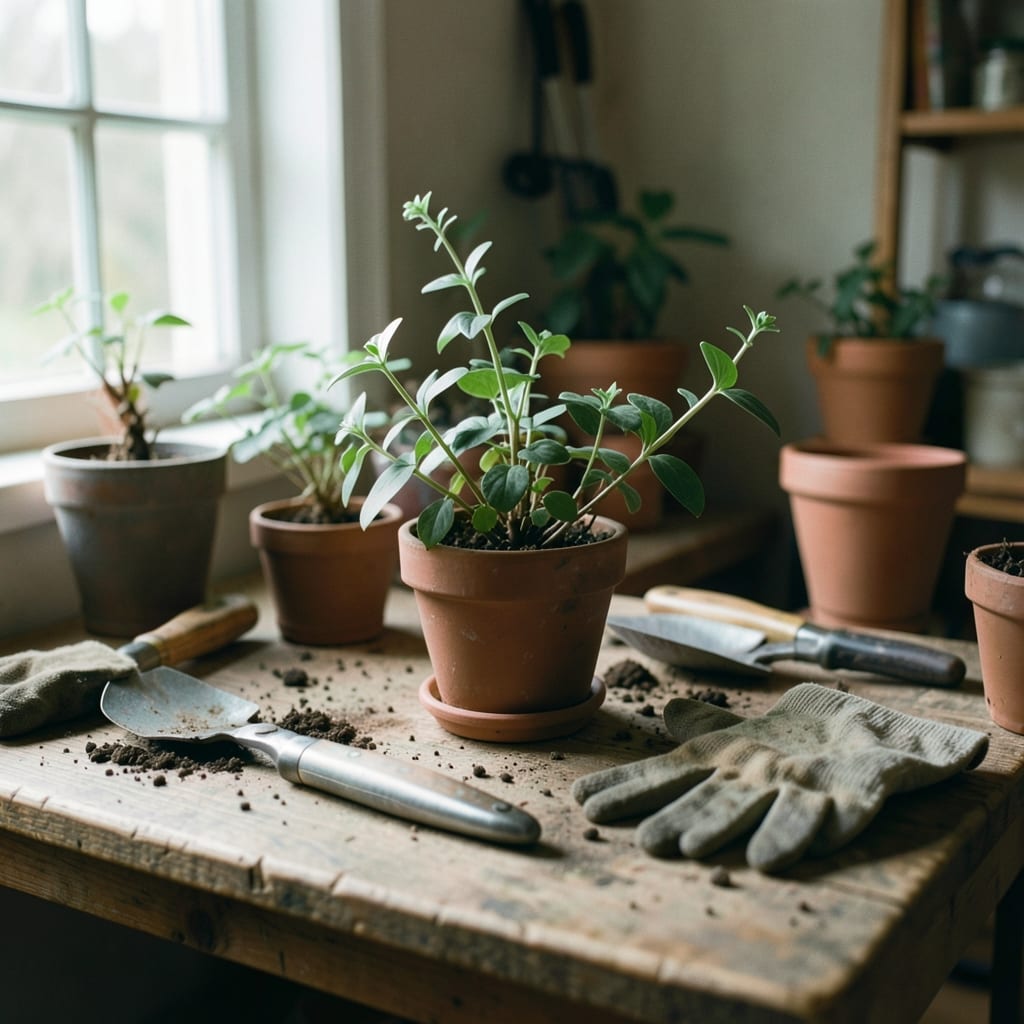
What is on this site
This site is for gardeners who want to grow plants—not just the ones that thrive in perfect conditions, but the ones that survive in your soil, your climate, and your schedule. You’ll find practical advice on seed starting, soil health, seasonal planting, and troubleshooting what goes wrong.
No jargon, no assumptions about your space or experience.
The site is organised by what you need to know: plants by type (vegetables, flowers, herbs), tasks by season (spring prep, winter care), and problems by symptom (yellow leaves, pests, slow growth). Every guide includes what works, what doesn’t, and why.
The goal is to help you grow confidently, whether you’re filling a windowsill with herbs or turning a backyard into a thriving ecosystem.
| Where | What is there | Go here if |
|---|---|---|
| The Library | Guides on plants, soil, and tools | you’re starting from scratch |
| Seasonal Calendar | Monthly tasks for your region | you don’t know when to plant |
| Problem Solver | Diagnoses for sick or struggling plants | your basil is wilting |
| Grow Logs | Real-world examples of what worked (and failed) | you want to see proof |
How to read a page here
Every page starts with a clear question or problem—like *‘How to revive overwatered seedlings’*—so you know exactly what you’re getting. Numbers in the text (e.g., *‘Step 3’*) mark the order of actions, and bold terms define key concepts the first time they appear.
Ignore the sidebars on a first read: they’re for extra details, not the main steps.
Units are always metric (centimetres, grams) with imperial conversions in parentheses, and timings are in minutes or hours unless the plant’s rhythm demands days or weeks. Photos show real gardens, not staged setups—because what grows in your light may not match the ones in a greenhouse.
If a guide mentions ‘your zone’, it’s using the USDA Hardiness Zone system, but the advice works anywhere with similar conditions.
Look for the *‘Key Takeaways’* box at the end of a page: it’s a summary of the most critical steps. The *‘Related Guides’* section suggests what to read next, but you can skip it if you’re in a hurry.
And if a term is unfamiliar, the glossary (linked in the footer) explains it without fluff.
When it does not work
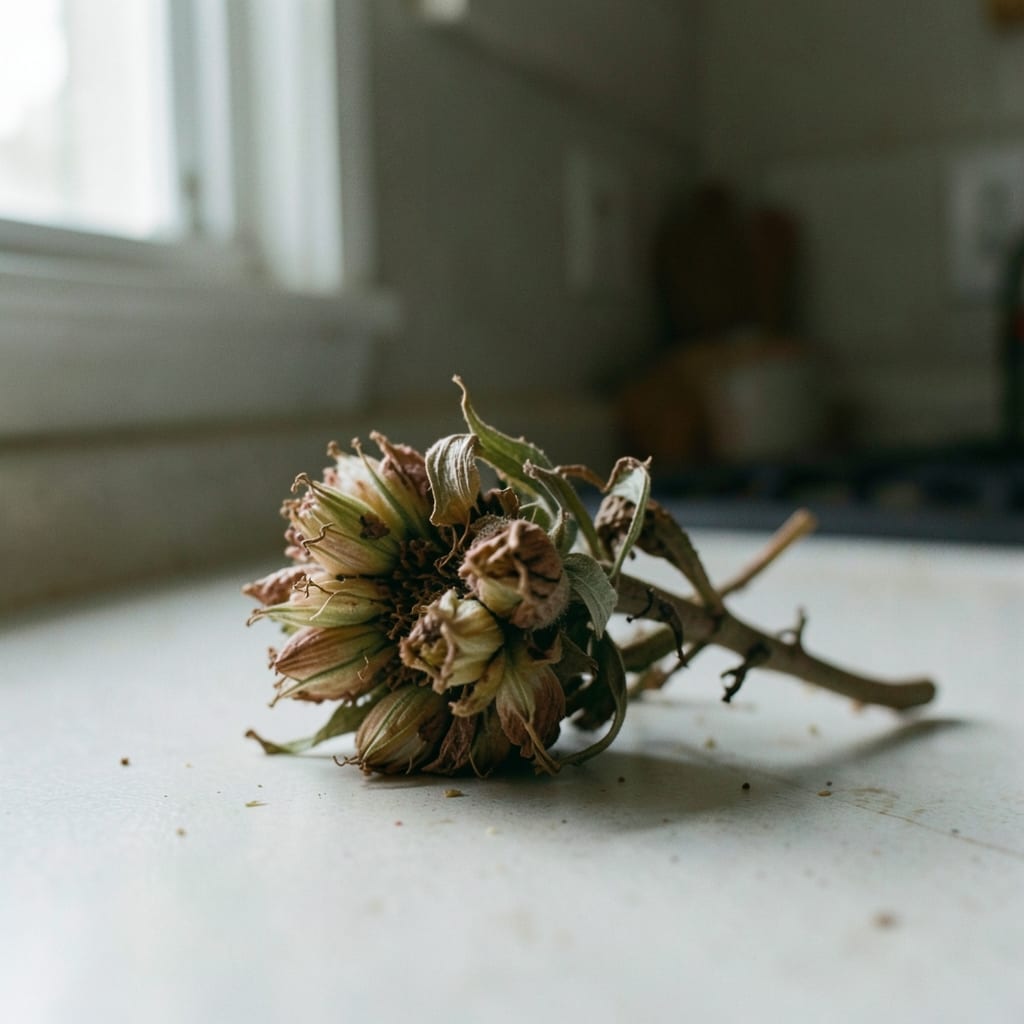
If a guide isn’t helping, it’s likely missing something specific to your situation—like your soil’s pH, your microclimate, or the exact pest you’re fighting. The site can’t cover every variable, but it can point you toward the right questions. Before you give up, check these four things first.
Before you give up
- You’ve confirmed the plant’s *actual* conditions (light, water, temperature) match the guide’s assumptions
- You’ve ruled out common mistakes (e.g., using tap water high in chlorine for seedlings)
- You’ve checked the *‘Failed Experiments’* section at the end of similar guides for real-world pitfalls
- You’ve tried the simplest solution first (e.g., adjusting watering before rushing to fertilisers)
Who we are

Meet the person behind the soil.
| The colophon | |
|---|---|
| Written by | Franklin Gilmore, who turns gardening advice into something that actually fits your life—whether that means salvaging a dead houseplant or planning a no-dig vegetable bed. |
| Tested in | A 1970s split-level in Zone 7b, where the back porch gets morning sun and the basement is a seed-starting cave in winter. |
| Written with | A trowel, a moisture meter, and a notebook full of half-finished sketches of plant layouts that never got built. |
| Learned from | My mom, who swore by ‘if it’s yellow, it’s well’—and was usually right, until she wasn’t. |
| Still getting wrong | Predicting how fast weeds will outcompete your tomatoes, no matter how much mulch you use. |
Gardening is equal parts science and stubborn hope. This site exists because the best advice isn’t the kind that sounds like a rule—it’s the kind that says, *‘Here’s what happened when I tried this, and here’s how you might fix it if it fails.’* Welcome to the dirt.
If you need something that is not here
The site covers the most common gardening questions, but every garden has its own mysteries.
If you’re looking for advice on an unusual plant, a hyper-local problem, or a technique that isn’t widely taught, start by searching the archives—sometimes the answer is buried in a reader’s comment or an old grow log. If it’s not here, it might not have been solved yet.
In that case, the contact page is where to ask: describe your problem in detail, including what you’ve tried, and we’ll point you toward the next step—or admit we don’t know either.
The guides are grouped by category: Advice, Aphids, Blooming, Companion Plants, Container Gardens and Diseases.