
Blooming
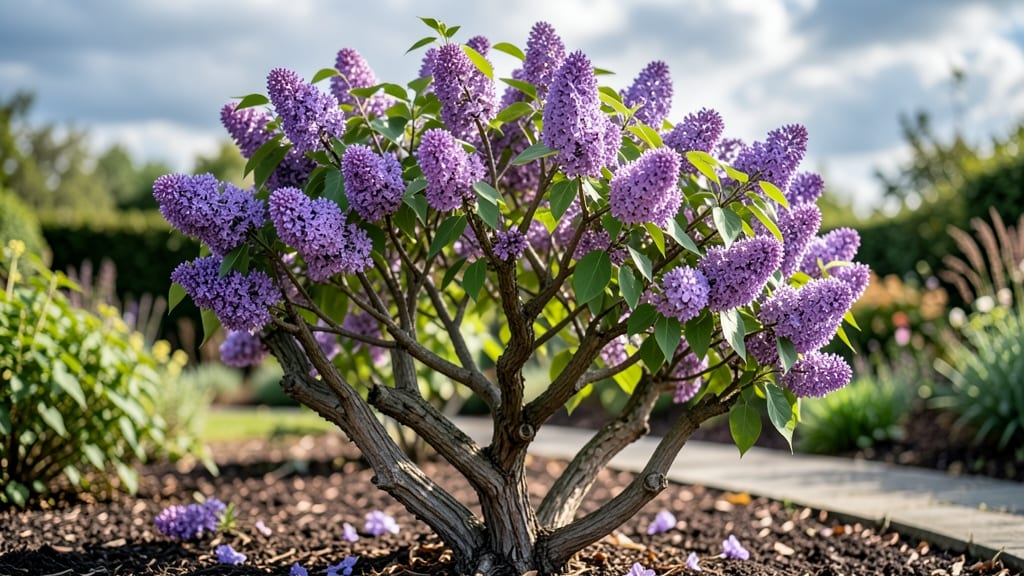
Lilacs bloom on old wood, meaning their flowers develop on previous year’s growth rather than new shoots. Pruning after flowering preserves next year’s blooms, while cutting back too early removes buds for the following season.
This unique growth habit explains why lilacs need careful timing when you prune. 🌸 Unlike many shrubs that flower on fresh spring growth, lilacs form their buds during the previous summer and fall—meaning you’ll sacrifice next year’s blooms if you cut too soon.
I’ve seen gardeners accidentally trim away entire flower clusters by pruning in early spring, only to wonder why their lilacs didn’t bloom the following year. The key is waiting until after the flowers fade completely before shaping the plant.
The botanical reason behind this is fascinating: lilacs are late bloomers in the plant world, storing energy in their mature wood to fuel spring flowering. When you prune at the wrong time, you’re essentially cutting off the plant’s food supply for the next season’s blooms.
Think of it like harvesting crops too early—you get what you’ve already grown, but miss the full yield. For best results, use sharp pruners to make clean cuts just above a healthy bud or branch collar.
💡 In This Article
- Why Lilacs Rely on Old Wood for Flowering
- Best Lilac Pruning Timing and Techniques for Healthy Blooms
Why lilacs rely on old wood for flowering
Lilacs are unique among flowering shrubs because they form their flower buds on mature, two-year-old wood rather than fresh spring growth. This process begins in late summer when the plant stores energy in its woody stems, preparing for next year's blooms.
The buds develop during the plant's dormant period—typically between September and November—when temperatures drop and growth slows. This timing is critical because the buds need this cold period to mature properly, a process called vernalization, similar to how some vegetables require cold treatment to flower.
The buds themselves are tiny but visible if you examine the stems closely: they appear as small, rounded swellings along the branches. These buds contain all the genetic instructions needed to produce next year's flowers, leaves, and even new shoots.
When you prune lilacs too early—before these buds have fully formed—the plant loses its potential blooms for the following season. For example, cutting back hard in March or April removes these critical buds, while waiting until June or July (after flowering) preserves them for next year's display. 🌿
This reliance on old wood contrasts sharply with other popular shrubs like hydrangeas or forsythia, which bloom on new growth. Hydrangeas, for instance, produce flowers on current season's stems, allowing them to be pruned more aggressively in late winter.
Lilacs, however, require a gentler approach because their flowering potential is tied to last year's growth. The plant's energy budget is carefully allocated: if you remove too much old wood, it has fewer resources to invest in new flower buds for the following year.
Another fascinating aspect is how lilacs prioritize flower production over leaf growth. The buds formed in late summer contain both floral and vegetative components, but the plant's hormonal balance favors flower development. This is why lilacs often produce fewer leaves along flowering branches compared to non-flowering stems.
The trade-off is part of what gives lilacs their distinctive, abundant blooms—though it also means gardeners must be patient and strategic with pruning to maintain this balance. 🌸
Consider the French lilac (Syringa vulgaris) as an example: its classic purple blooms appear in late spring, but the buds that will produce those flowers were already formed the previous summer.
If you prune this variety in early spring, you risk removing up to 70% of potential blooms, as the outer branches often contain the most developed buds. This is why professional gardeners recommend waiting until after the flowers have fully faded before making any significant cuts.
The science behind this involves the plant's auxin hormones, which regulate growth and bud formation. In lilacs, auxin levels remain high in mature wood during the dormant season, promoting bud development.
When you prune, you disrupt this hormonal balance, potentially redirecting energy away from flower buds. This is why even a single poorly timed cut can have noticeable effects on next year's blooms.