
Flowers
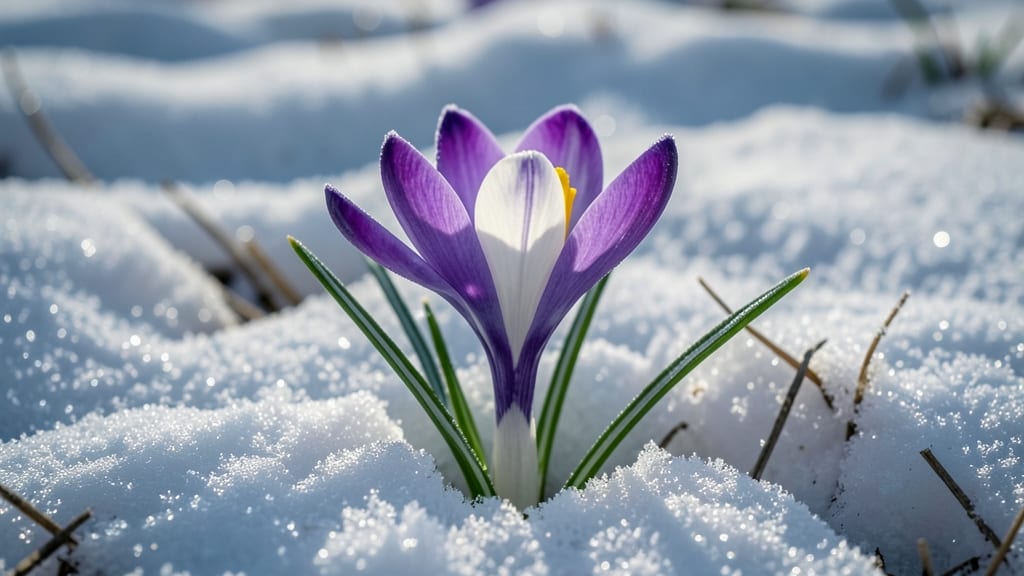
Cold weather shouldn’t mean dull gardens. These 10 hardy flowers defy seasonal norms by blooming beautifully in fall and winter, offering vibrant color without constant deadheading—perfect for gardeners in chilly climates.
Hellstribe Coral Bells (Heuchera)
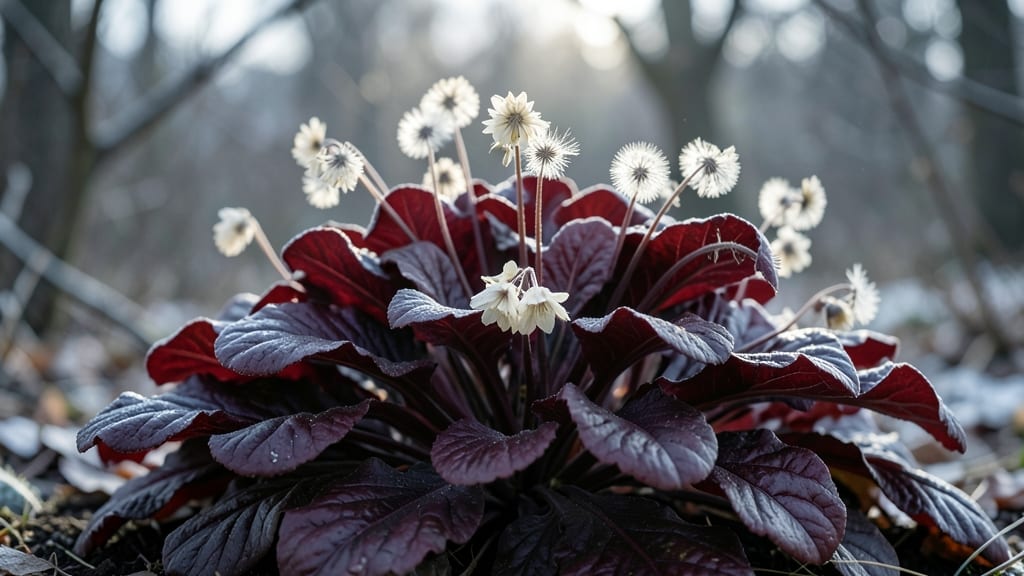
Forget the "shade garden graveyard"—Hellstribe Coral Bells (Heuchera) thrives where others fail, delivering year-round interest with its bold foliage and delicate winter blooms. This cold-hardy perennial isn't just surviving winter; it's putting on a show with its deep burgundy leaves and airy flower spikes that appear even in chilly months.
Plant it in partial to full shade, where most flowers wilt, and watch it reward you with low-maintenance beauty. Its compact size (12-18 inches tall) makes it perfect for containers, window boxes, or border edges. The key to its success? Well-draining soil and consistent moisture—once established, it's nearly indestructible. Urban gardeners will love how it brightens shady patios or dark corners.
This is the plant for gardeners who want color without the fuss—no deadheading, no constant watering, just reliable performance. Add it to your garden for a four-season statement that keeps working long after summer's over. 🌿
Winter Jasmine (Jasminum nudiflorum)
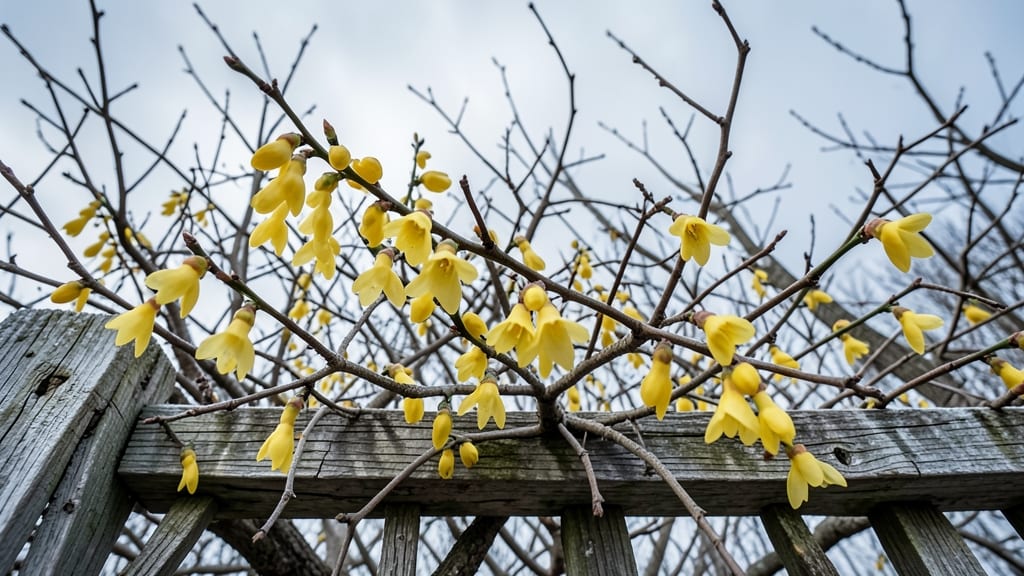
When winter’s gray skies feel endless, winter jasmine (Jasminum nudiflorum) bursts onto the scene with its bright yellow blooms, often appearing before spring arrives. This deciduous shrub thrives in full sun, making it ideal for climbing trellises, fences, or even old garden walls—no deadheading means less work for you.
Plant it in well-drained soil, and watch it flourish even in USDA zones 6-9, where it can handle light frosts. Prune after flowering to encourage bushier growth, and enjoy its fragrant, star-shaped blooms from late winter to early spring. It’s perfect for gardeners who want low-maintenance winter color without fuss.
Urban gardeners and small-space lovers will appreciate how winter jasmine transforms bare walls into cheerful displays. Its early blooms also attract pollinators, giving bees a vital early-season food source. 🌻
Snowdrops (Galanthus)
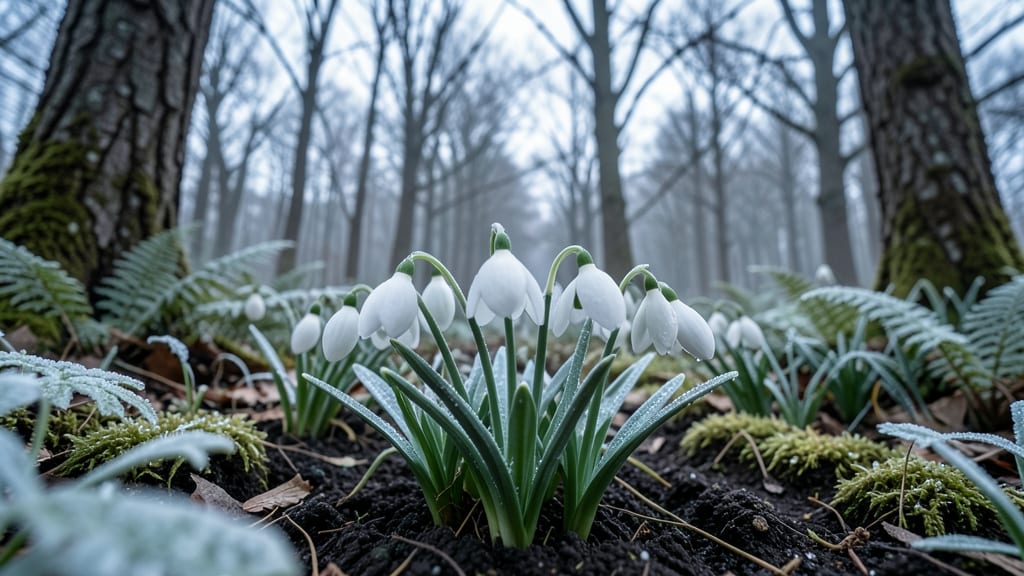
When winter still blankets your garden, snowdrops (Galanthus) defy the cold with their delicate white blooms—often appearing before snow melts. These iconic flowers thrive in partial shade, making them perfect for under trees or in woodland gardens where sunlight is scarce.
Plant bulbs in fall (September-October) in well-draining soil, 3-4 inches deep. Their naturalizing habit means they multiply yearly, creating lush carpets of early spring color. Deer and rabbits typically avoid them, making them low-maintenance for busy gardeners.
These flowers symbolize hope and renewal, making them ideal for gardeners who want to add early-season interest with minimal effort. Perfect for woodland gardeners or those with shady spots! 🌱
Christmas Camellia (Camellia sasanqua)
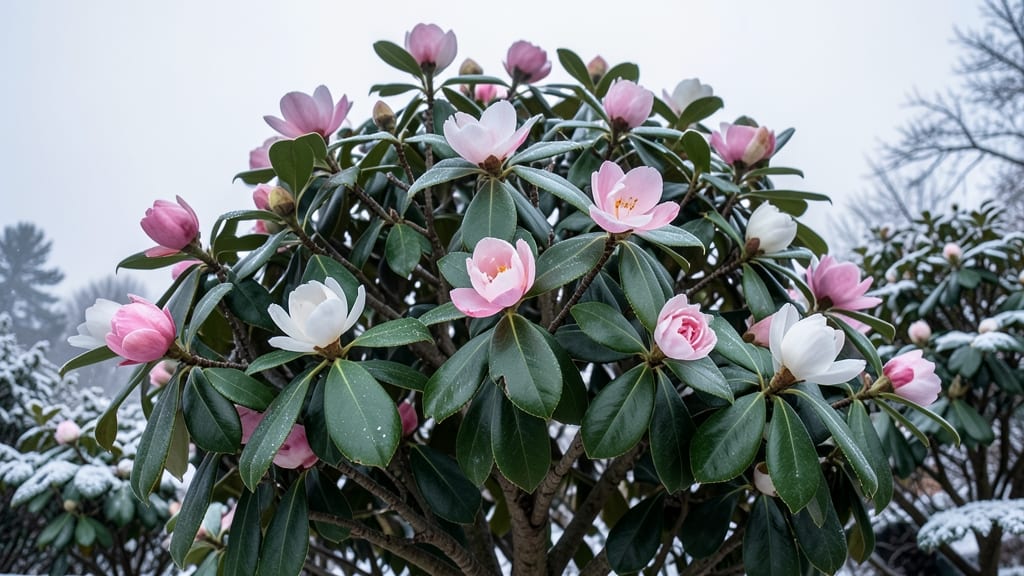
When your garden looks like it’s taking a winter nap, the Christmas Camellia steps in to steal the show with its fragrant pink or white blooms that appear in late fall—often just in time for the holidays. Unlike most plants that fade with cooler temperatures, this evergreen shrub thrives in acidic soil and partial shade, making it a standout for gardeners in zones 7-9 who crave year-round interest.
Plant it as a specimen shrub for its glossy foliage and delicate flowers, or shape it into a neat hedge for structure and seasonal color. Prune lightly after blooming to maintain shape, and mulch well to protect roots from winter chill. The sweet, jasmine-like scent adds an extra layer of charm, especially when planted near patios or walkways.
This is the perfect choice for gardeners who want low-maintenance elegance without sacrificing winter beauty. 🌱
Hellebore (Lenten Rose)
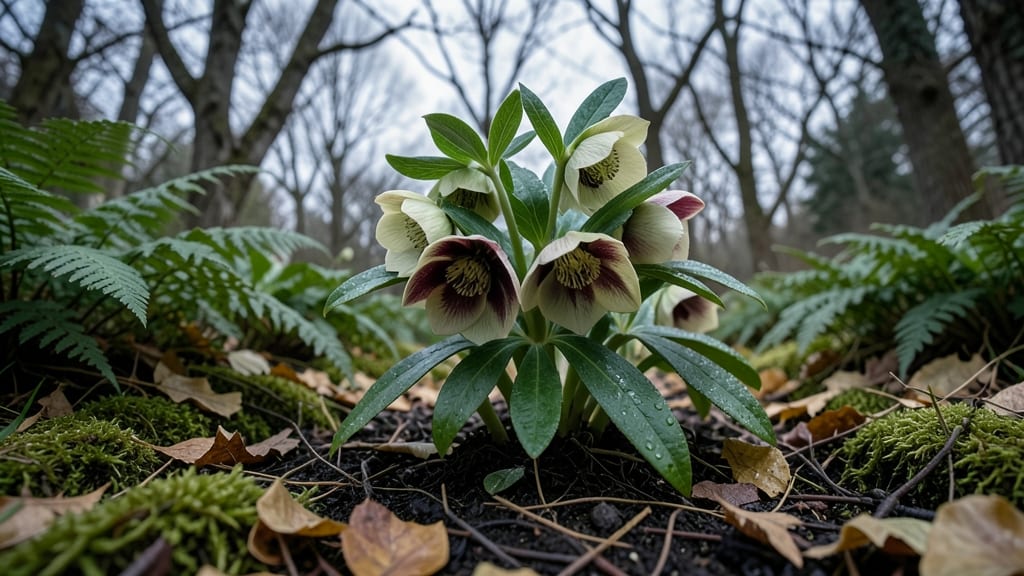
If your garden has shady corners where most plants refuse to thrive, hellebores (Lenten Rose) are your secret weapon. These elegant perennials bloom from late winter to early spring, when few other flowers dare to show their faces, and their nodding blooms add a touch of sophistication to any garden.
Plant them in partial to full shade, where they’ll reward you with low-maintenance beauty and resistance to deer and rabbits—making them ideal for problem areas. Their deep green, leathery foliage stays attractive year-round, while their flowers come in shades of white, pink, purple, and green. Hellebores thrive in well-draining, moist soil and are perfect for borders, woodland gardens, or even containers on patios.
This is the plant for gardeners who want early-season color without the fuss. Once established, hellebores need little care, making them ideal for busy gardeners or those with challenging growing conditions. 🌷
Winter Aconite (Eranthis hyemalis)
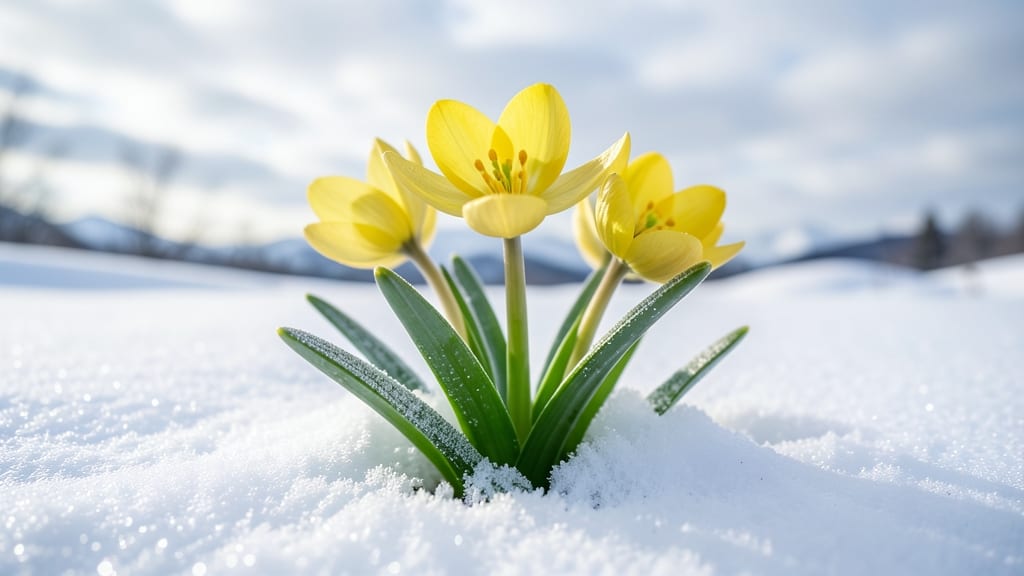
If you’ve ever dreamed of a garden that bursts into color even when snow still lingers, winter aconite (Eranthis hyemalis) is your secret weapon. This tiny but mighty plant produces bright yellow blooms that appear through melting snow, creating a magical contrast against white landscapes. Unlike many winter flowers, it thrives in rocky or nutrient-poor soil, making it perfect for alpine gardens or woodland edges where other plants struggle.
Plant the bulbs in fall (September-October) just 2-3 inches deep in well-draining soil, and watch them naturalize over time. Winter aconite prefers partial shade to full sun and tolerates light frosts, requiring almost no care once established. Its compact size (6-8 inches tall) makes it ideal for rock gardens, borders, or even containers on patios. The best part? It’s deer-resistant, so you won’t need to worry about hungry wildlife ruining your early-season show.
This is the perfect choice for gardeners who want low-maintenance beauty in early spring, especially those with rocky or challenging soils. Add it to your garden for a pop of color that feels like a reward after winter’s long silence. ✨
Pansy (Viola tricolor)
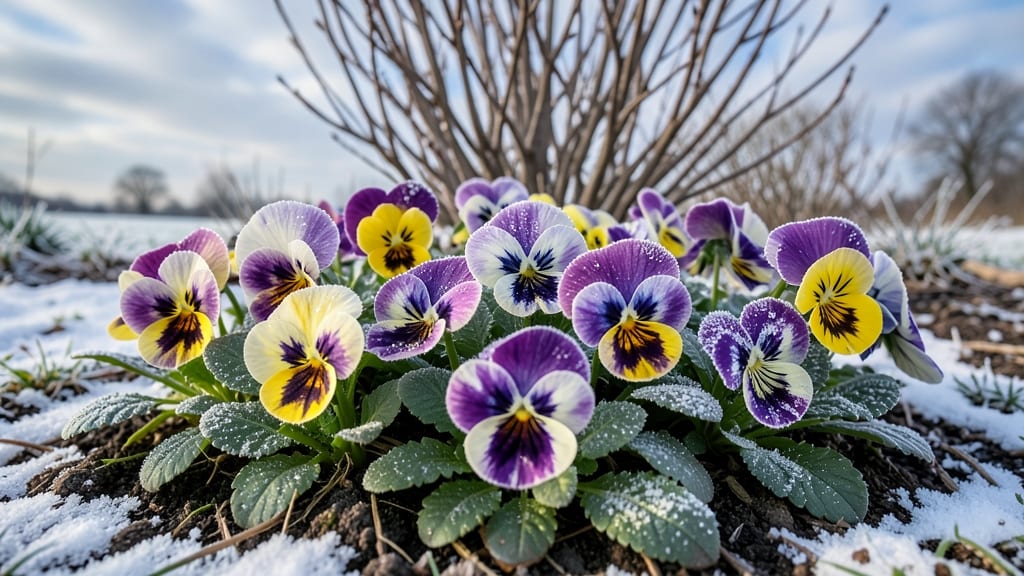
When you think winter gardening means giving up on color, pansies (Viola tricolor) prove you wrong with their cheerful faces that thrive in light frost and even snow. These cold-hardy annuals are the unsung heroes of late-season gardens, offering a rainbow of colors that brighten beds and containers when most flowers have called it quits.
Plant them in full sun to partial shade for continuous blooms from fall through spring, and enjoy their self-cleaning habit—no deadheading required! They’re perfect for edging garden beds, lining walkways, or spilling over container edges, adding a pop of color that lasts. Pansies even improve with age, developing larger blooms and deeper colors as temperatures drop. Urban gardeners will love how they handle container life and light frosts down to USDA zone 5.
This is the ideal flower for gardeners who want low-maintenance winter color without sacrificing beauty. Their versatility makes them a must-have for anyone looking to keep their garden vibrant all season long. 🌷
Dwarf Iris (Iris histrioides)
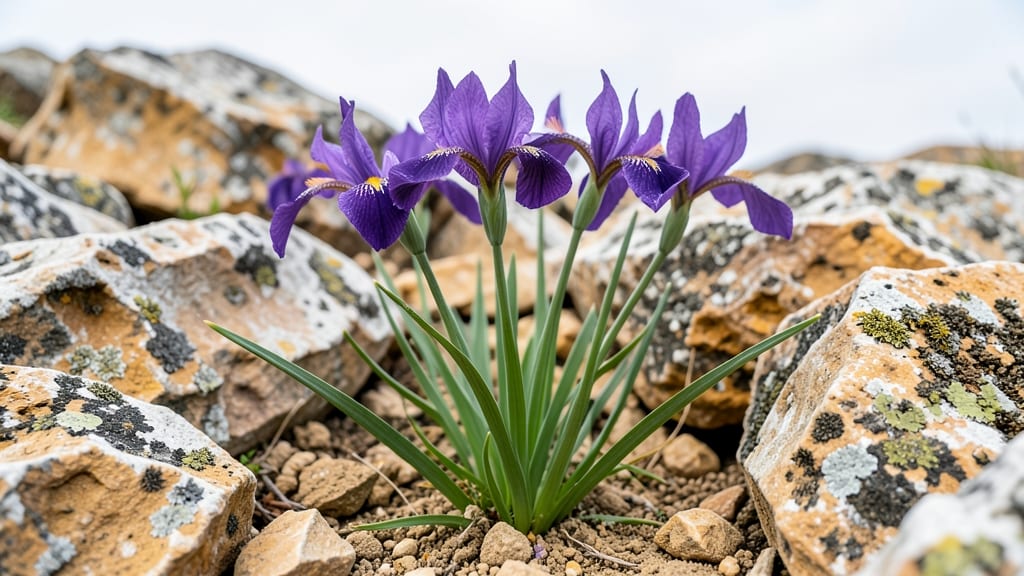
Looking for a dramatic late-winter showpiece that thrives where most plants refuse to grow? Meet the dwarf iris (Iris histrioides), with its spider-like purple blooms that appear when gardeners least expect color. Unlike traditional irises, this variety loves dry, rocky soil and full sun, making it perfect for slopes, borders, or even cracks in pavement where other plants would wither.
Plant rhizomes in well-draining soil with minimal mulch—they prefer drought-like conditions once established. The key to their success is spacing them 6 inches apart and avoiding heavy watering, as soggy soil leads to rot. Their unusual, elongated flowers (often with yellow markings) bloom from late winter to early spring, providing a striking contrast to bare winter landscapes.
This is the ideal choice for gardeners with difficult terrain—rocky hillsides, steep slopes, or even container gardens with gritty soil. Its low-maintenance nature and unique blooms make it a standout for those who want year-round interest without the fuss. 🌷
Mahonia (Oregon Grape Holly)
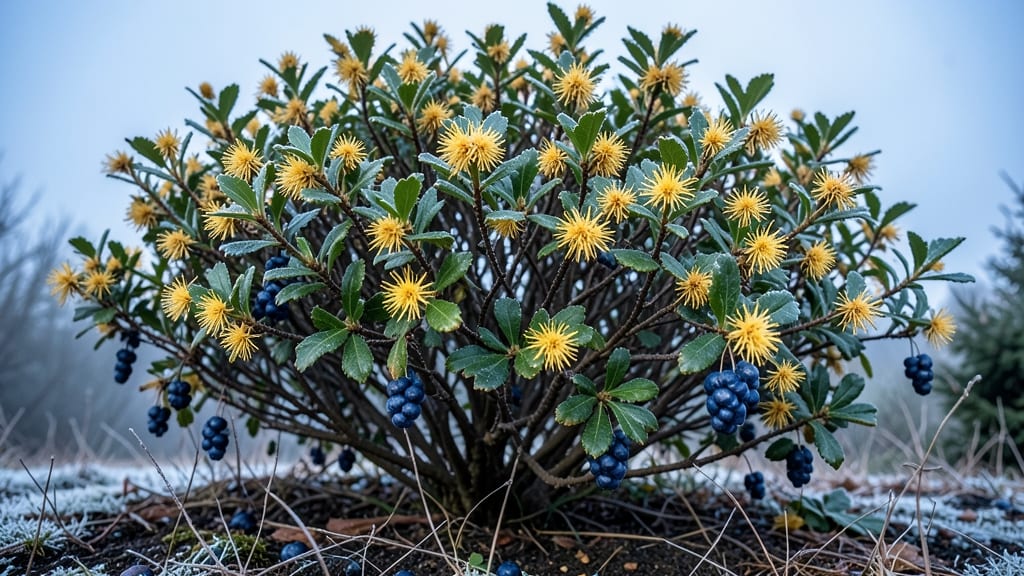
If you’re craving year-round structure and color without the fuss of deadheading, mahonia (Oregon Grape Holly) is your secret weapon. This evergreen shrub delivers spiky yellow winter blooms that stand out against bare branches, followed by clusters of edible berries that birds and humans alike will love—all while thriving in full sun to partial shade.
Perfect for hedges or foundation plantings, mahonia handles USDA zones 5-9 with ease, making it ideal for cold climates. Its glossy, holly-like leaves add texture year-round, while the winter flowers attract pollinators when little else is blooming. Plant in well-draining soil and water moderately—once established, it’s drought-tolerant and nearly pest-free.
This is the ultimate low-maintenance shrub for gardeners who want both beauty and function. Urban gardeners can use it as a privacy screen, while rural growers will appreciate its wildlife benefits. 🌱
Crocus (Spring Crocus)

While other plants hibernate, spring crocus boldly pushes through snow with its vibrant purple, white, or yellow blooms, signaling that winter’s grip is loosening. These tiny but mighty flowers thrive in full sun to partial shade, making them perfect for lawns, rock gardens, or even containers—where they’ll naturalize effortlessly over time.
Plant bulbs in fall (September-October) at 3-4 inches deep in well-draining soil. Their low-maintenance nature means no deadheading or staking is needed—just let them multiply yearly for more color. Early blooms (as soon as snow melts) attract bees and pollinators, giving them a critical food source when little else is available.
Ideal for busy gardeners, urban lawns, or alpine gardens, crocus delivers instant cheer with almost no effort. Even a small patch will brighten up a winter landscape while requiring almost zero upkeep. 🌱