
Blooming
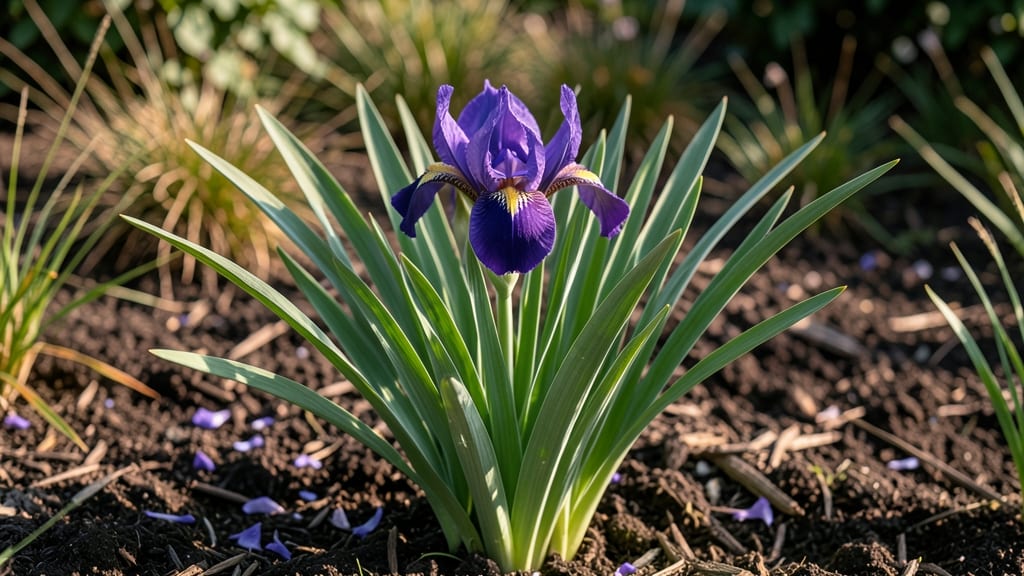
Iris bloom in Zone 6 between late April and early June, with most varieties peaking in May—just in time for your garden’s grand entrance 🌸.
If you’ve ever wondered why your iris blooms seem to vanish overnight—or when to expect those stunning purple, yellow, or white spikes—timing is everything, especially in Zone 6’s unpredictable climate.
Bearded irises, the classic showstoppers, usually lead the charge in early May, while Siberian and Japanese types often follow a few weeks later. Louisiana irises, if you’re growing them, might even linger into June, depending on your microclimate.
Below, I’ll break down the exact months for each variety, plus how to tweak blooming time with sunlight, soil, and a little strategic care—so you’re never left guessing when your garden’s star will shine.
Zone 6 iris blooming timeline: month-by-month guide by variety
Timing your iris blooms in Zone 6 means the difference between a showstopping spring display and missed opportunities. Unlike tropical flowers, irises thrive in cooler climates but need precise conditions to bloom reliably.
In Zone 6, where last frosts linger until mid-April and first frosts arrive by mid-October, understanding variety-specific bloom windows helps you plan for early, mid, and late-season color.
Whether you're growing bearded irises for their bold colors or Siberian irises for their delicate charm, knowing when to expect blooms lets you adjust care and enjoy longer displays.
Most irises in Zone 6 follow a late spring to early summer bloom cycle, but varieties like Louisiana irises defy this rule by flowering in late summer or fall. This guide breaks down the exact months for each type, including climate adjustments for early springs or late frosts.
For example, a Japanese iris planted in a sheltered microclimate might bloom 2-3 weeks earlier than one exposed to cold winds. By aligning your expectations with these timelines, you can troubleshoot delays and extend bloom periods with simple techniques like mulching or fertilization timing.
For bearded irises, the most popular type in Zone 6, blooms typically begin in late April if planted in a warm microclimate, but more commonly appear in May.
Early varieties like 'Immortality' (white with yellow signal marks) often bloom as early as mid-April, while late types such as 'Blue Flag' may not peak until early June.
To encourage earlier blooms, plant rhizomes in full sun and apply a low-nitrogen fertilizer in early March as new growth emerges. Avoid over-fertilizing with nitrogen, which delays blooming by promoting leafy growth instead.
If your Siberian irises fail to bloom by mid-May, check for overcrowded rhizomes or poor drainage. These irises prefer moist, well-draining soil and bloom 2-3 weeks later than bearded types. Varieties like 'Caesars Brother' (deep purple) thrive in partial shade, making them perfect for woodland gardens.
To extend their bloom period, deadhead spent flowers immediately—they won’t rebloom, but removing them redirects energy to next year’s buds.
Japanese irises are the late bloomers of the group, with buds opening in June and lasting until early July. Their delicate, ruffled petals make them stand out, but they demand moist, acidic soil (pH 6.0–7.0). In Zone 6, where summers can dry out, mulch heavily with organic matter to retain moisture. If your Japanese iris blooms are sparse, it may need division every 3–4 years—but never divide during bloom season, as this stresses the plant and reduces next year’s flowers.
The Louisiana iris is Zone 6’s late-season surprise, bursting into color from late July through September. Unlike other irises, it thrives in wet soils and is perfect for rain gardens or pond edges.
Varieties like 'George' (white) or 'Henry' (purple) add a splash of color when most gardens are winding down. To encourage robust blooms, plant in full sun to partial shade and avoid fertilizing after mid-July, as this can stimulate late growth vulnerable to early frosts.
Zone 6’s unpredictable springs can throw off iris blooming timelines. If a late frost hits in April, protect emerging buds with frost cloth or move potted irises to a sheltered spot.
Conversely, an early warm spell might trick irises into blooming too soon, only to be damaged by a return of cold. Monitor your garden’s microclimate: South-facing beds warm up faster, while north-facing areas stay cooler.
Adjust planting locations accordingly—early bloomers like 'Blue Denim' (bearded) may need a warmer, sheltered spot to avoid frost damage.
To extend bloom periods, focus on soil health and watering consistency. Irises store energy in their rhizomes, so deep watering every 7–10 days during dry spells keeps them vigorous.
After blooming, let foliage yellow naturally—this feeds the rhizome for next year’s flowers. If your irises bloom poorly, they may need division: Dig up clumps
How to adjust iris blooming time in Zone 6’s unpredictable spring
Zone 6’s unpredictable spring weather can throw off your iris blooming schedule, leaving you wondering why those vibrant purple or yellow spikes aren’t appearing when expected. The good news? With a few targeted adjustments, you can sync blooming times to match your garden’s rhythm—even when Mother Nature plays tricks.
Most irises in Zone 6 bloom between mid-May and early June, but late frosts, temperature swings, or improper care can delay or rush this process. Understanding how to extend bloom periods or troubleshoot timing issues means more colorful displays and fewer missed opportunities to enjoy their beauty.
⚠️ CALLOUT WARNING: Common Mistakes That Delay Iris Blooms in Zone 6
⚠️ Planting too deep (more than 2 inches below soil) prevents blooms entirely. Keep the top of rhizomes exposed for optimal flowering.
⚠️ Fertilizing after mid-summer encourages late growth that won’t harden off before frost. Stop feeding by July 1st to avoid this pitfall.
To extend bloom periods, start with proper mulching in early spring. Apply a 2-inch layer of organic mulch (like straw or shredded leaves) around your iris clumps to regulate soil temperature and retain moisture. This helps protect buds from late frosts while keeping roots cool during heatwaves.
Fertilization timing is another game-changer. Use a balanced 5-10-10 fertilizer in early March (when foliage emerges) and again after blooming in early July. Avoid high-nitrogen feeds, which promote leafy growth over flowers.
For late-blooming varieties, like Siberian irises, a light phosphorus boost (10-20-10) in spring can encourage earlier flowering.
If your irises bloom too early (e.g., April), they may suffer from late frost damage. To adjust, plant rhizomes deeper by ½ inch (but never bury the top) and choose later-blooming varieties, such as ‘Immortality’ bearded iris, which typically flowers in late May to June.
For overwintering, add a thick mulch layer in November to insulate roots.
Finally, prune spent blooms but leave the leaves until they yellow—they fuel next year’s flowers. For second blooms, deadhead immediately after flowering and fertilize lightly with phosphorus in early July. With these adjustments, your Zone 6 irises will bloom reliably and put on a longer, more vibrant show.