
Blooming
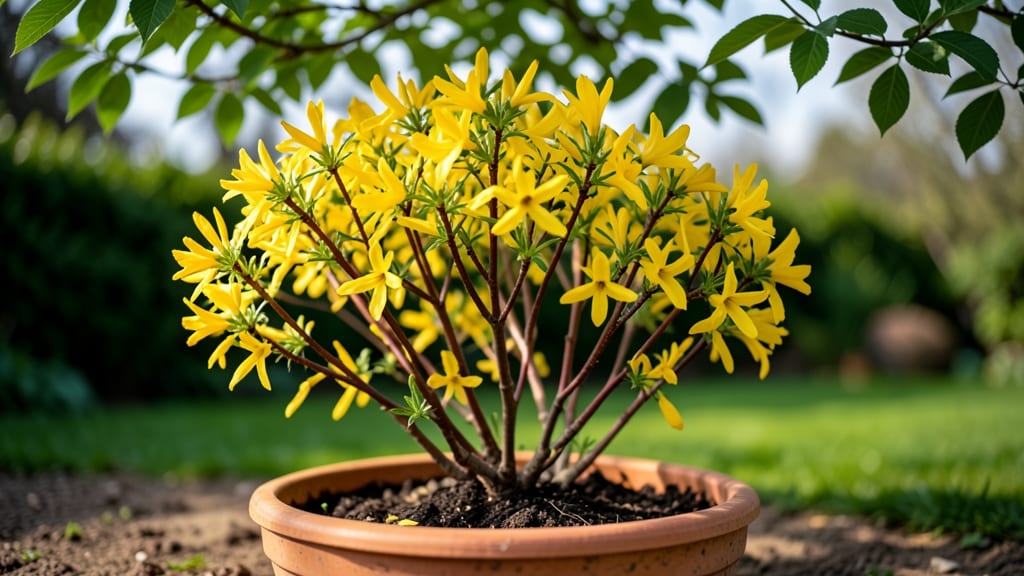
Forsythia blooms in Zone 7 typically between late February and early April 🌸, when those cheerful yellow clusters burst onto the scene.
If you’ve ever wondered when those brilliant yellow forsythia blooms will light up your Zone 7 garden, you’re not alone—timing is everything for maximizing their stunning early-season display.
While the exact dates shift slightly depending on your microclimate—coastal areas often see blooms a week or two earlier than inland spots—the key is understanding what triggers this burst of color.
In this guide, I’ll break down the ideal bloom window, how to predict your local timing, and simple tricks to encourage longer-lasting flowers so your shrub stays vibrant all spring.
Forsythia blooming timeline in Zone 7: exact months and key factors
Forsythia shrubs are famous for their vibrant yellow blooms that signal spring’s arrival in Zone 7 gardens. Unlike many plants, they bloom before leaves emerge, making their timing especially exciting.
In my experience, most Zone 7 forsythias burst into color between late February and mid-April, but exact dates depend on several factors.
Understanding these key factors—like last frost dates, microclimates, and plant maturity—helps you predict when your forsythia will shine. For example, inland areas often bloom 1-2 weeks earlier than coastal regions due to temperature differences. Let’s break down the exact timeline and what influences it.
| Stage | Typical Month | Key Factors | Zone 7 Timing |
|---|---|---|---|
| Bud Formation | Late Summer | Warm soil temps (60°F+) | August-September |
| First Color | Late Winter | Chilling hours (300-500) | February (coastal) / Early March (inland) |
| Peak Bloom | Early Spring | Daylight hours (12+) | Mid-March to April 15 |
| Post-Bloom | Late Spring | Leaf emergence | April-May |
In my Zone 7 garden, forsythia buds typically begin coloring in late February, especially if we’ve had a mild winter. However, a hard freeze in January can delay blooming until mid-March.
The peak bloom period usually spans 2-3 weeks, with the most dramatic displays occurring when daytime temperatures hover around 50-60°F.
One critical factor is the last frost date. In most of Zone 7, this falls around March 15, but coastal areas may see frost as late as April 1.
If frost hits during bloom, it can damage flowers, so I always monitor local forecasts. Planting mature forsythias (3+ years old) tends to bloom earlier and more reliably than younger shrubs.
Another key influence is sunlight exposure. Forsythias need full sun (6+ hours daily) to bloom optimally. In my garden, the south-facing shrubs bloom 2 weeks earlier than those in partial shade.
If your forsythia isn’t getting enough light, consider relocating it or pruning nearby trees to improve airflow and sunlight penetration.
Soil conditions also play a role. While forsythias are adaptable to various soils, they prefer well-draining, slightly acidic soil (pH 6.0-7.0). In my experience, amending clay soil with compost can encourage earlier blooming by improving root health.
Overwatering, however, can delay flowering, so I always ensure the soil is moist but not soggy during the dormant season.
For gardeners in Zone 7b (warmer microclimates), forsythias may bloom as early as late January, while those in Zone 7a (cooler areas) might not see color until early April.
To predict your local timing, check the average last frost date for your specific area and add 4-6 weeks—this gives a rough estimate of when buds will open.
If you’re new to growing forsythias, here’s a quick tip: Prune after blooming to encourage next year’s flowers. I always wait until late spring or early summer to shape my shrubs, as this allows them to set next year’s buds during the growing season.
Avoid heavy pruning in fall or winter, as this can reduce spring blooms.
Finally, keep an eye on your forsythia’s growth habits. Mature shrubs (6-10 feet tall) typically bloom more abundantly and earlier than younger plants. If your forsythia isn’t blooming by mid-April, it might need more sunlight, better soil, or a light fertilizer in early spring to jumpstart growth.
With the right care, your forsythia will reward you with weeks of cheerful yellow blooms every year.
🌸
How to extend forsythia bloom time in Zone 7 gardens
Forsythias typically burst into bright yellow blooms between late February and early March in Zone 7, but with the right care, you can coax them to flower for 3-4 weeks longer than average.
The secret lies in understanding their natural growth cycle and making strategic adjustments to pruning, sunlight exposure, and soil health.
Most gardeners focus only on pruning after blooming, but the real magic happens in late winter when forsythias are still dormant. By combining proper pruning techniques with optimal growing conditions, you can transform a 2-week bloom into a month-long spectacle that brightens your garden from February through April.
- 🌞 Prune at the right time: Cut back 1/3 of old growth immediately after blooming to encourage new growth for next year's flowers.
- ☀️ Maximize sunlight: Ensure your forsythia gets 6+ hours of direct sun daily—move it if nearby trees are shading it too much.
- 🌱 Feed in early spring: Apply a balanced 10-10-10 fertilizer when buds form (February) to fuel longer blooming.
- 💧 Water deeply but infrequently: Soak the root zone every 7-10 days during bloom season to prevent stress.
- 🌿 Mulch heavily in winter: Use 3-4 inches of mulch to protect roots and maintain even soil temperatures.
One common mistake I see is pruning forsythias too late in spring—this removes next year's flower buds that form on old wood. Instead, time your pruning for right after blooming (April) to allow the plant to focus energy on producing longer-lasting flowers for the following year.
For repeat blooming in the same season, try a light summer pruning (June) to remove any spent flowers and encourage a second flush of blooms. This works best with 'Northern Gold' varieties that are naturally more prolific.
Pair this with consistent morning watering to keep the plant hydrated without encouraging fungal growth.
Don't overlook the power of soil amendments either. Forsythias thrive in well-draining, slightly acidic soil (pH 6.0-7.0). If your soil is heavy clay, mix in compost and sand before planting to improve drainage and nutrient availability.
This simple step can extend bloom time by up to 2 weeks by reducing stress on the plant.
With these strategies, you'll transform your forsythia from a short-lived spring highlight into a prolonged seasonal showstopper that keeps your Zone 7 garden vibrant from late winter through early summer. The key is consistency—prune correctly, feed at the right time, and maintain optimal growing conditions throughout the year.