
Blooming
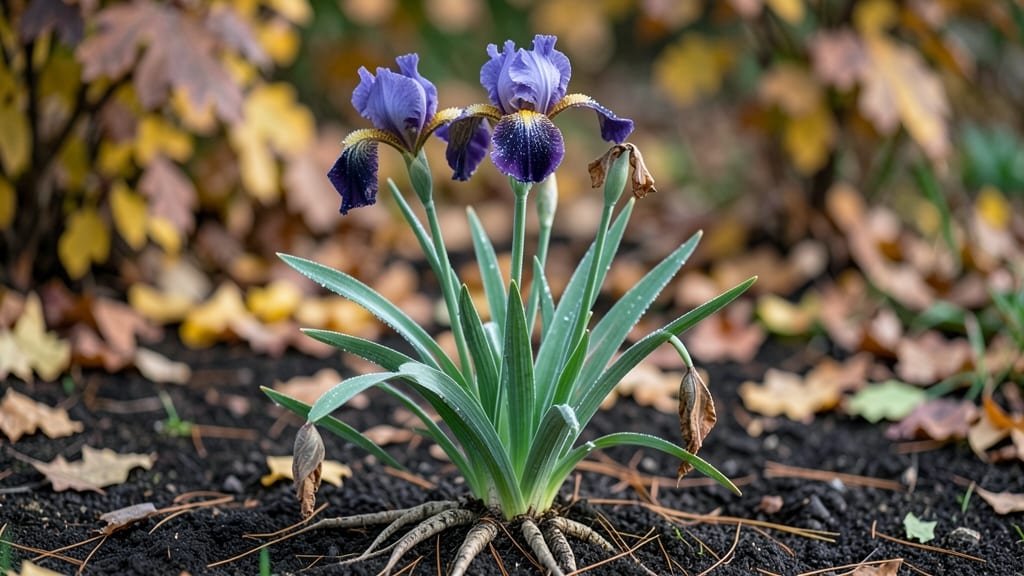
Fall-blooming irises do exist, with varieties like Japanese irises and hybrid cultivars producing striking flowers from late summer through autumn. Most irises still peak in spring, but these late-season bloomers thrive in cooler climates and specific growing conditions.
While spring remains the classic iris blooming season, fall-blooming varieties like Japanese irises (Iris ensata) and reliable hybrids defy expectations by producing vibrant blooms when temperatures drop. 🌸 These late-season performers often respond to shorter daylight hours and cooler soil temperatures, which trigger their flowering cycle differently than spring varieties.
The key difference lies in their root systems—fall bloomers develop a second growth flush when conditions align, creating a stunning secondary display.
For gardeners in cooler climates (zones 5-8), these varieties offer extended color—think deep purples, soft blues, and even rare whites—when many other perennials have faded. Planting them in well-draining soil with partial shade can enhance their fall performance, while avoiding over-fertilization prevents excessive foliage growth at the expense of blooms.
💡 In This Article
- Fall-Blooming Iris Varieties and Their Unique Traits
- How to Encourage Fall Iris Blooms in Your Garden
Fall-blooming Iris varieties and their unique traits
The secret behind fall-blooming irises lies in their biological response to seasonal changes.
Unlike spring varieties that rely on warm temperatures and long daylight hours, these late-season performers trigger blooming through a process called vernalization—a cold-dependent mechanism where exposure to cooler soil temperatures (around 50-60°F) signals the plant to produce flowers.
Japanese irises (Iris ensata) and Louisiana irises (Iris brevicaulis) are prime examples, with their rhizomes developing a second growth cycle when nights grow longer and temperatures moderate after summer heat.
What sets these varieties apart is their root system's ability to store energy differently. Fall bloomers develop thicker rhizomes that accumulate more starch reserves during summer growth, providing the fuel needed for late-season flowering. This contrasts with spring irises, which focus energy on foliage production until winter dormancy.
The result? Fall irises can produce 2-3 inch-wide blooms in shades of violet, white, and even bi-color patterns when spring varieties are dormant. 🌸
The timing of fall blooms also varies by region. In cooler climates (zones 5-7), Japanese irises often peak in September-October, while in milder zones (8-9), blooming may extend into November.
This regional variation occurs because the plants respond not just to temperature but to the ratio of day length to night length—a phenomenon called photoperiodism. Gardeners in warmer areas sometimes see delayed blooming if summer heat persists too long.
One fascinating trait is how fall irises handle moisture differently. While spring varieties often struggle with waterlogged soil, fall bloomers like Louisiana irises thrive in boggy conditions, making them ideal for rain gardens.
Their ability to tolerate 1-2 inches of standing water contrasts sharply with spring irises, which prefer well-draining soil. This adaptability explains why they're popular in wetter climates where other perennials might fail.
Color intensity is another distinguishing feature. Fall irises often develop deeper, more saturated hues than their spring counterparts, thanks to higher anthocyanin production in cooler temperatures.
For example, the cultivar 'Hana no Yume' produces vibrant purple blooms with contrasting yellow falls, while 'George' showcases soft lavender tones that brighten autumn gardens when most flowers have faded. This color payoff makes them a gardener's secret weapon for late-season interest.
For those curious about the science, fall blooming is linked to the plant's florigen hormone production, which peaks under specific temperature thresholds.
Unlike spring irises that require 60+ days of chill hours, fall varieties often need just 30-45 days of cooler weather to trigger blooming—a more forgiving window for gardeners in transitional climates.
This hormonal difference explains why some gardeners successfully grow fall irises in containers, where temperature control is easier to manage. 💫