
Blooming
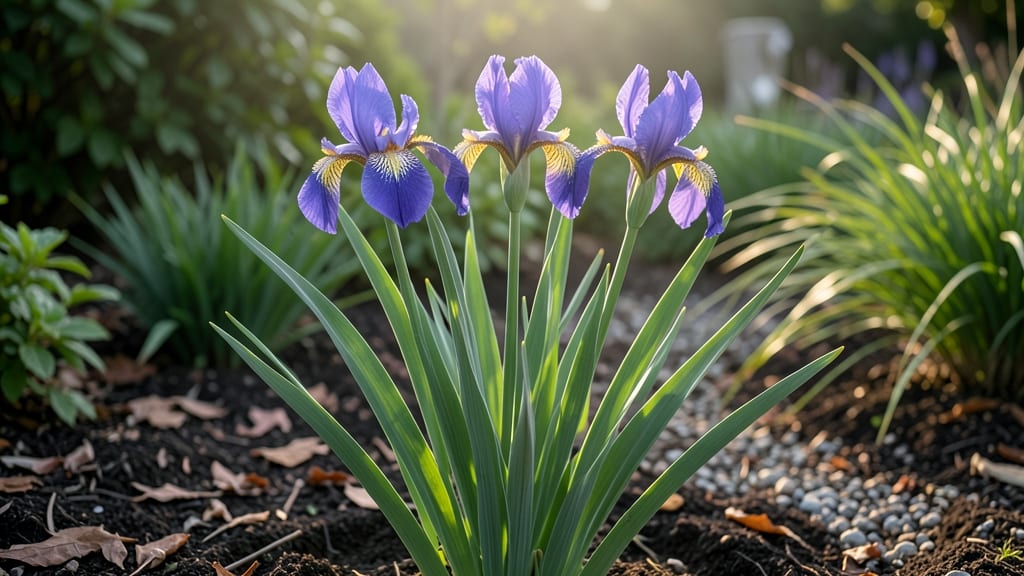
Iris blooms in Zone 7 generally occur between late March and early May, with specific timing varying by variety—bearded irises typically bloom in April, while Siberian and Louisiana types may appear slightly earlier or later. Factors like planting season and sunlight exposure significantly affect when these flowers will appear.
Understanding your iris variety is key to predicting bloom times. 🌸 For example, bearded irises—like the classic purple 'Blue Flag'—usually show off their dramatic blooms in April, while Louisiana irises might start as early as late March, especially in warmer microclimates. The secret to getting flowers on schedule?
Planting rhizomes at the right depth (just below soil level) and ensuring they get full sun for at least six hours daily. I've found that dividing mature clumps every 3-4 years also helps reset the plant's energy, often leading to more reliable blooming.
Temperature plays a surprising role too. A late frost can delay blooms, while an unusually warm winter might trigger earlier flowering. If you're eager for color, consider planting a mix of varieties—this staggered approach can extend your iris display from March through May.
Just remember: patience is part of the process, as some irises take 2-3 years after planting to reach their full bloom potential.
💡 In This Article
- Iris Bloom Timing by Variety in Zone 7
- Optimizing Iris Blooms in Zone 7 Gardens
Iris bloom timing by variety in Zone 7
The bloom schedule for irises in Zone 7 varies dramatically by variety, with each type having its own internal clock influenced by genetic programming and environmental cues.
Bearded irises, the most popular type, typically burst into color between mid-April and early May, with their dramatic ruffled petals reaching full size in about 7-10 days after buds appear.
Siberian irises, known for their slender, graceful blooms, often start as early as late March, especially in southern Zone 7 areas where winters are milder.
Louisiana irises, with their tropical appearance, may begin blooming in late March to April, while Japanese irises tend to flower slightly later, around May, when soil temperatures reach 55-60°F.
What makes these timings fascinating is how temperature fluctuations act as natural triggers. Irises require a period of winter chilling—typically 4-8 weeks below 40°F—to break dormancy and initiate flowering.
However, if temperatures warm too quickly in early spring, some varieties like Siberian irises may bolt prematurely, producing smaller blooms. 🌸 The opposite problem occurs with late frosts: buds that form too early can get damaged, delaying the main bloom period by 2-3 weeks.
This is why gardeners in Zone 7 often plant early-blooming varieties like 'Blue Flag' bearded iris alongside later types to create a continuous display from March through May.
The science behind these variations lies in photoperiodism—the plant's response to daylight length. Most iris varieties begin flowering when day length reaches 12-14 hours, which typically occurs in late March to April in Zone 7.
However, Louisiana irises are exceptions: they're more sensitive to temperature than light, often triggered by soil warming rather than specific daylight hours. This is why they frequently bloom earlier in Zone 7's warmer southern regions compared to the cooler northern parts of the zone.
Color also plays a subtle role in bloom timing, with darker blooms often emerging slightly later than lighter varieties. For instance, deep purple bearded irises might appear 3-5 days after their white or yellow counterparts.
This delay occurs because darker pigments require slightly more energy to produce, which takes time after the initial flowering signal is received. 🌿 The key takeaway is that while these timelines provide general guidance, your specific microclimate—including afternoon sun exposure and soil drainage—can shift bloom dates by 1-2 weeks in either direction.
For gardeners eager to extend their iris season, strategic variety selection is essential. Planting a mix of early, mid, and late bloomers creates a cascading effect. For example, pairing Siberian irises (late March) with bearded varieties (April) and Japanese types (May) ensures continuous color.
The secret lies in their different chilling requirements: Siberians need 6-8 weeks of cold, while Japanese irises prefer 4-6 weeks, allowing for staggered awakening in spring.
One often-overlooked factor is the iris's rhizome size at planting. Larger, mature rhizomes (about 2-3 inches wide) typically bloom in their first year, while smaller divisions may take 2-3 years to reach flowering size.
This explains why established iris beds often produce more reliable blooms than newly planted ones. The rhizome's energy reserves directly influence when—and how vigorously—the plant will flower.