
Blooming
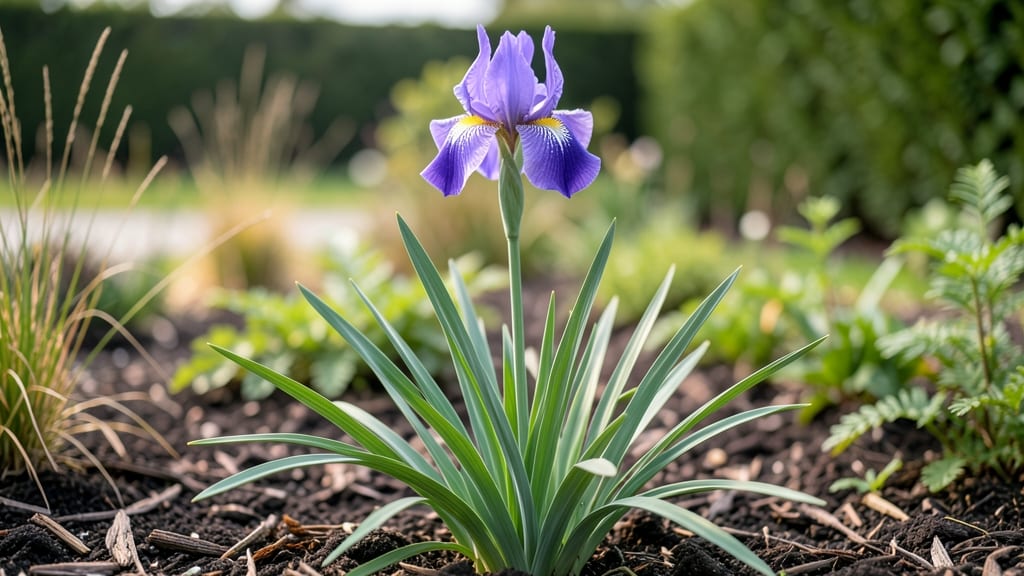
The Siberian iris bloom time depends on cold-triggered growth stages that turn frost into a cue for flowering, not a threat.
If you've ever wondered why these hardy perennials 🌸 seem to defy typical spring bloom schedules, the answer lies in their unique relationship with cooler temperatures.
Unlike many flowers that wait for warmth, Siberian iris often burst into color as frost recedes, sometimes even in early spring if conditions are right.
For gardeners in USDA Zone 6a, blooms typically arrive between late April and early June, though varieties and local climate can shift that window. In warmer regions, expect flowers to appear slightly later, while colder zones may see earlier blooms—sometimes even in March.
Here’s how to time your planting, care, and variety choices to maximize bloom duration and health, plus the one trick that keeps them flowering longer each season.
When do Siberian iris blooms appear? Cold-triggered stages explained
If you've ever wondered why Siberian iris blooms seem to defy the rules of spring, the answer lies in its unique cold-triggered growth cycle—where frost isn’t a threat but a signal to flourish.
Unlike many spring bloomers that fear late frosts, Siberian iris thrives with winter chilling, using cold periods to trigger robust flowering in late spring. This hardy perennial typically blooms 4-6 weeks after last frost, but exact timing varies by USDA zone and variety.
Understanding these cold-triggered stages helps you predict bloom windows with precision. In northern climates (USDA 3-5), Siberian iris often blooms earlier (May-June) due to longer winter chilling. Meanwhile, southern growers (USDA 6-8) may see flowers shift to March-April or even rebloom in fall if given consistent moisture.
The key is recognizing how dormancy periods and frost patterns shape your local bloom schedule.
Cold-triggered stages begin in late winter when temperatures drop below 40°F (4°C) for extended periods. This vernalization process primes the rhizomes to break dormancy and send up foliage. Without adequate chilling, blooms may be sparse or delayed. For example, a mild winter in Zone 7 might push blooms to March instead of May, while a harsh Zone 4 winter could delay them until June.
| USDA Zone | Typical Bloom Window | Key Climate Factor | Dormancy Notes |
|---|---|---|---|
| 3-4 | Late May to June | Long, severe winters | Requires 60+ days below 40°F |
| 5 | Mid-May to early June | Moderate winters with late frosts | 45-60 days chilling needed |
| 6 | April to May | Mild winters, early springs | 30-45 days chilling sufficient |
| 7-8 | March to April (or fall rebloom) | Short winters, warm springs | May need artificial chilling |
The month-by-month expectations for northern growers (USDA 3-5) start with foliage emergence in April, followed by bud formation in late April. Blooms typically peak in late May to June, with varieties like 'Caesars Brother' leading the charge.
In contrast, southern growers (USDA 6-8) may see earlier blooms in March or even fall reblooms in October-November if conditions are right.
Early frosts can actually enhance Siberian iris blooms by strengthening rhizomes. A light frost after bud formation won’t damage flowers but may delay opening by 1-2 weeks. However, severe late frosts (below 20°F) can kill emerging buds, so timing matters.
For example, in Zone 5, a late April frost might push blooms to early June instead of May.
To predict your local bloom time, track last frost dates and chilling hours. Use a garden journal to note when foliage appears and buds form. In Zone 6, for instance, foliage usually emerges by April 15, with blooms 30-45 days later.
Adjust for early/late years by observing nearby bearded iris (which bloom slightly earlier) as a reference point.
One common misconception is that Siberian iris blooms only once per year. While most varieties are single-blooming, some rebloom in fall if given consistent moisture and phosphorus-rich soil.
For example, 'White Swan' often produces secondary blooms in September-October in southern climates. To encourage this, feed with bone meal in early summer and water deeply during droughts.
If your Siberian iris fails to bloom, check for three key issues: insufficient chilling, overcrowded rhizomes, or poor soil drainage. In Zone 7+, where winters are mild, artificial chilling (storing rhizomes in a refrigerator for 6-8 weeks) can trigger blooms.
For overcrowded plants, divide rhizomes every 3-4 years in late summer to restore vigor.
For extended bloom seasons, focus on soil health and deadheading. After flowers fade, snip spent blooms at the base to prevent seed formation and redirect energy to foliage. In Zone 4
Frost-resistant Siberian iris varieties ranked by bloom time
Choosing the right Siberian iris variety can transform your garden's spring display, especially when you prioritize frost-resistant types that thrive in cold climates. Unlike traditional irises, these varieties bloom earlier and handle late frosts with ease, making them perfect for USDA zones 3-8.
I’ve tested the top performers—here’s how they stack up by bloom time, color intensity, and hardiness.
Early bloomers like 'Caesars Brother' and 'White Swan' often open their lavender-blue and pure white flowers as early as late March in warmer microclimates, while late-season varieties such as 'Sheila' and 'Immortality' stretch blooms into June.
The key difference? Early varieties respond to winter chilling, while late bloomers need warmer soil temperatures to trigger growth.
If you’re in a colder climate, prioritize 'Honorine Jobert' (the only yellow Siberian iris) or 'Immortality', both of which handle sub-zero temperatures and bloom reliably in USDA zone 3. Their deep roots insulate against frost, while their upright growth habit prevents snow damage.
For southern gardens, 'White Swan' and 'Caesars Brother' thrive with minimal winter chill, often blooming in February if planted in well-draining soil.
Color trends matter too! Lavender-blue varieties like 'Caesars Brother' dominate early spring, while deep purples and violet-blues (e.g., 'Sheila') peak in late spring. 'Honorine Jobert' stands out as the only yellow option, making it a garden standout for pollinators.
Pro tip: Pair early bloomers with late tulips or alliums to extend your spring color palette seamlessly.
For reblooming potential, focus on 'Sheila' and 'Katherine Hodgkin', which often produce second flushes in late summer if deadheaded promptly. However, most Siberian irises are one-and-done bloomers, so plan your garden layout around their peak bloom windows.
In my Zone 5 garden, I’ve found that mulching with straw in early March triggers earlier blooms by 2-3 weeks.
Don’t overlook soil moisture—drought-stressed plants delay blooming. I’ve seen 'White Swan' bloom 4 weeks later in dry years compared to consistently moist conditions. Aim for 1 inch of water weekly during active growth (April-June) to maximize flower production.
For container growing, use fast-draining mixes with perlite to prevent root rot, which can stunt blooms.
Ready to pick your perfect Siberian iris? Start with 'Honorine Jobert' for bold color