
Blooming
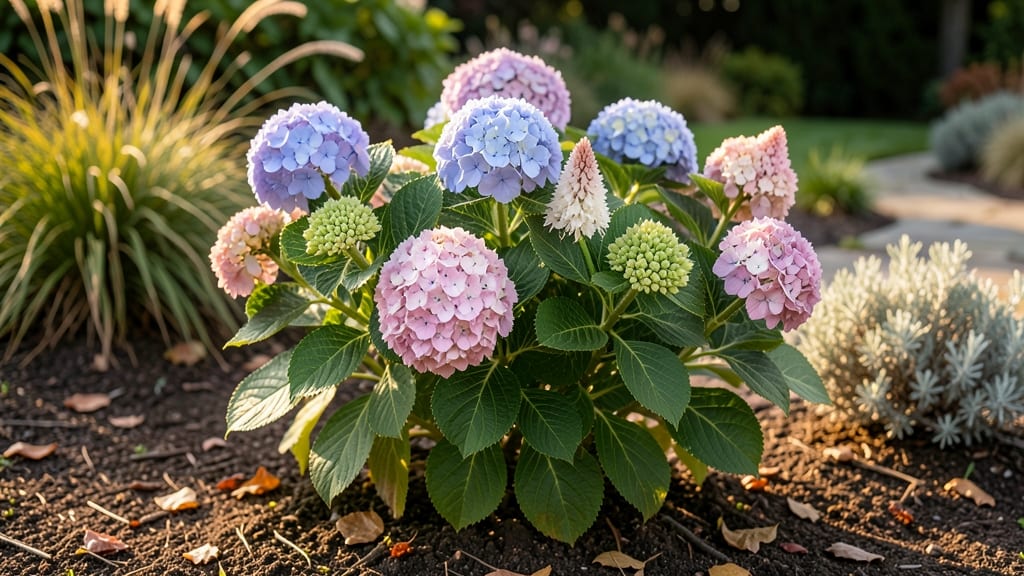
Hydrangeas in Georgia bloom between late spring and early fall, with Bigleaf varieties like 'Endless Summer' lighting up gardens as early as May and Panicle types such as 'Limelight' stretching their show into October.
Georgia’s humid subtropical climate creates the perfect conditions for stunning hydrangea blooms—but timing varies wildly by variety. If you’re dreaming of vibrant summer gardens, knowing exactly when your hydrangeas will bloom (and how to extend their season) is the secret to year-round color.
Bigleaf hydrangeas, the most common in Georgia gardens, typically burst into color in May or June, while Oakleaf varieties like 'PeeGee' often bloom a bit later, around June or July. Meanwhile, Panicle hydrangeas such as 'Little Lime' can start as early as June and continue well into fall.
In this guide, I’ll break down the bloom windows for Georgia’s top hydrangea varieties, share tips to push blooms earlier or later, and help you choose the best types for your garden’s microclimate—whether you’re in the cooler North Georgia mountains or the hotter South Georgia plains.
Hydrangea bloom times in Georgia by variety: month-by-month breakdown
Georgia’s humid subtropical climate makes hydrangeas thrive, but bloom times vary dramatically by variety and region. In North Georgia (USDA Zones 7a-7b), cooler temperatures delay blooms by 2-4 weeks compared to South Georgia (Zones 8a-8b).
Understanding these differences helps you plan for year-round color—whether you want early spring blooms or late-summer displays.
Most hydrangeas in Georgia bloom between late spring and early fall, but timing depends on whether they’re early-season, mid-season, or late-season varieties. Panicle hydrangeas often bloom first, while Bigleaf varieties may wait until summer. Oakleaf hydrangeas are the late bloomers, rewarding patience with stunning fall foliage.
Below is your month-by-month breakdown of Georgia’s most popular hydrangea varieties, including adjustments for North vs. South Georgia. Use this as your bloom calendar to time pruning, fertilizing, and deadheading for maximum impact.
| Variety | Bloom Time (North GA) | Bloom Time (South GA) | Color Shift | Key Notes |
|---|---|---|---|---|
| Bigleaf (e.g., 'Endless Summer') | Late June - August | May - July | Pink → Blue (pH-dependent) | Blooms on old wood; prune after flowering |
| Panicle (e.g., 'Limelight') | July - September | June - August | White → Cream | Blooms on new wood; prune in late winter |
| Oakleaf (e.g., 'Pee Wee') | August - October | July - September | White → Pink | Late bloomer; fall foliage is a bonus |
| Smooth (e.g., 'Annabelle') | June - July | May - June | White (no color shift) | Early bloomer; heat-tolerant in South GA |
| Early Bloomer (e.g., 'Little Lime') | May - June | April - May | Green → Cream | Panicle type; prune in late winter |
For North Georgia gardeners, expect blooms to start 2-4 weeks later than in South Georgia due to cooler springs. For example, 'Endless Summer' Bigleaf hydrangeas in Athens (Zone 7b) may not peak until mid-August, while those in Savannah (Zone 8b) could bloom as early as late May.
Microclimates matter too—hydrangeas near lakes or rivers may bloom earlier due to humidity.
If you’re planting new hydrangeas, choose varieties based on your desired bloom time. For spring color, opt for Panicle types like 'Little Lime' or Smooth hydrangeas like 'Annabelle'.
For summer-long blooms, Bigleaf varieties (e.g., 'Nikko Blue') are ideal. Oakleaf hydrangeas reward patience with fall blooms and fiery foliage, making them perfect for autumn gardens.
Pro tip: Adjust your pruning schedule based on bloom time. Bigleaf hydrangeas (old wood bloomers) should be pruned right after flowering, while Panicle types (new wood bloomers) can be pruned in late winter. In Georgia’s climate, avoid heavy pruning in fall, as it removes next year’s blooms.
For extended blooming seasons, deadhead faded flowers regularly (except on Oakleaf varieties, which rely on old wood). In South Georgia’s heat, provide afternoon shade to prevent bud drop.
Mulch with 2-3 inches of organic matter to retain moisture and regulate soil temperature, which helps prolong blooms into fall.
Remember, soil pH affects Bigleaf hydrangea colors. Test your soil—acidic (pH 5.5) produces blue blooms, while alkaline (pH 6.5) yields pink flowers. In Georgia’s clay-heavy soils, amend with sulfur or aluminum sulfate for blue hues or lime for pink.
With this month-by-month guide, you’ll never miss a bloom again. Whether you’re chasing early spring color or late-summer displays, Georgia’s hydrangeas deliver—if you know when and how to coax them into action. Happy gardening!
How to extend hydrangea blooming season in Georgia’s heat and humidity
Georgia’s humid summers and hot afternoons can stress hydrangeas, but with the right strategies, you can extend their bloom season by weeks—or even months. The key is balancing pruning timing, soil moisture, and heat protection to keep your plants thriving when others fade.
Most hydrangeas in Georgia’s USDA Zones 7b-8b bloom from late spring to early fall, but Bigleaf varieties often peak in June-July, while Panicle types shine in August-September.
To push those blooms earlier or later, you’ll need to prune strategically, adjust watering, and protect from fungal diseases that thrive in our damp climate.
⚠️ Critical Georgia Pitfall: Pruning at the wrong time can eliminate next year’s blooms. Bigleaf hydrangeas set buds on old wood, so pruning after mid-summer risks losing flowers. Meanwhile, Panicle types (like ‘Little Lime’) bloom on new wood, so you can prune them anytime—but only if you want bigger, later blooms!
Pro Tip: Test your soil’s pH level—Georgia’s acidic clay soil (pH 5.5-6.5) is ideal for blue blooms, but alkaline amendments (like lime) turn them pink!
To encourage earlier blooms, start with late-winter pruning (February) for Panicle hydrangeas. Cut back 1/3 of the oldest stems to redirect energy to new growth.
For Bigleaf types, avoid pruning until after blooming—or you’ll sacrifice next year’s flowers. Mulch heavily (3-4 inches of pine straw or shredded bark) to insulate roots from spring heat spikes and preserve moisture.
For later blooms, deadhead spent flowers in early summer (June) to stimulate reblooming. This works best for reblooming Bigleaf varieties like ‘Endless Summer’. Pair this with deep watering (1-1.5 gallons per plant, morning-only) to combat Georgia’s drought stress.
Avoid overhead watering—it spreads fungal diseases like powdery mildew, which thrives in our 90%+ humidity.
Shade cloth (30-50%) is a game-changer for afternoon heat protection. Stretch it over sensitive varieties (like ‘Nikko Blue’) during July-August to prevent leaf scorch and prolong blooming. Pair this with balanced fertilizer (10-10-10) in early spring to boost root strength—but skip fall feeding, as new growth won’t harden off before frost.
Finally, watch for heat stress signs: Wilting leaves, yellowing edges, or dropped buds mean your hydrangea is struggling. Move potted plants to shadier spots and reduce watering slightly (hydrangeas hate soggy roots).
With these tweaks, your hydrangeas could bloom from May to October—giving you color when most gardens fade!