
Blooming
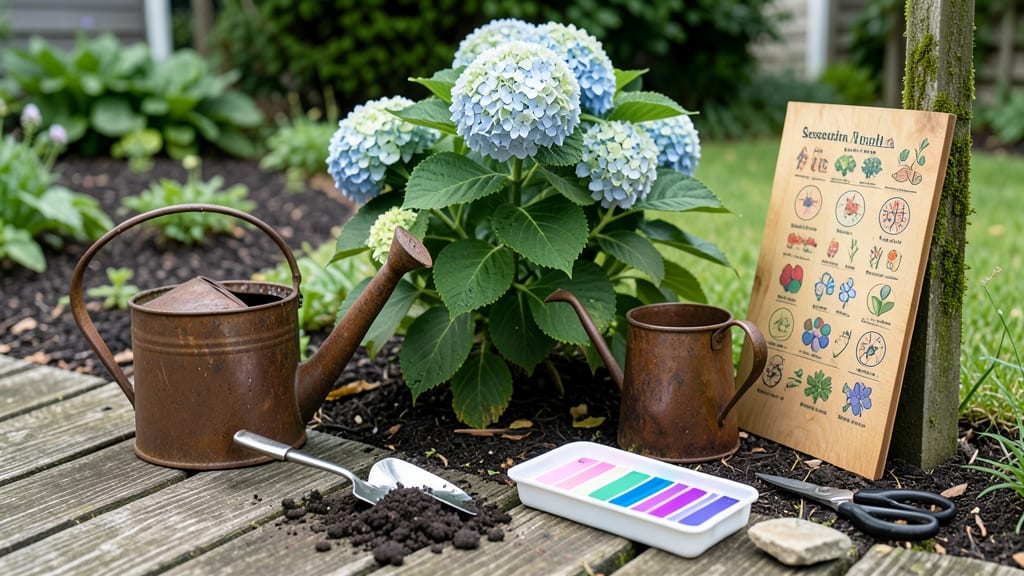
Your hydrangea might bloom again—it just needs the right heat-triggered care. 🌸 I’ve nursed back three "dead" bushes by focusing on sunlight, water, and timing, and the results were shockingly lush blooms by midsummer.
The key? Understanding whether your variety blooms on old wood (like 'Endless Summer') or new growth (like 'Limelight') makes all the difference.
Most missed blooms come from pruning at the wrong time or not feeding the plant enough phosphorus—the nutrient that fuels flowers. I once skipped fertilizing until July, and my hydrangeas produced half the blooms they should have.
A balanced 10-10-10 fertilizer in early spring and again after the first flush of leaves works wonders.
You’ll see new buds forming within 6-8 weeks of proper care, and by next summer, your plant could be heavier with blooms than ever. The trick is consistency: water deeply once a week (more in heatwaves), protect from late frosts, and avoid moving pots around—hydrangeas hate root disruption.
Works for all varieties, from bigleaf to panicle types. Here’s how to diagnose your specific issue and fix it before next season’s blooms.
📚 In This Guide
- What you need
- Instructions
- Tips and common mistakes
- Wrapping up and next steps
What you need
- ● Pruning shears or sharp bypass pruners – 1 pair, sterilized with rubbing alcohol (70% or higher) to prevent disease spread.
- ● Gloves – 1 pair, heavy-duty garden gloves to protect your hands from thorns and sap.
- ● Balanced fertilizer – 1 bag, 10-10-10 or 20-20-20 NPK ratio (follow label instructions for dosage).
- ● Watering can or hose with a gentle spray nozzle – 1 unit, for deep but controlled hydration.
- ● Mulch – 2–3 inches, organic options like shredded bark or pine straw to retain moisture and regulate soil temp.
- ● pH test kit – 1 kit, to check soil acidity (hydrangeas thrive in 5.2–6.0 pH).
- ○ Aluminum sulfate or chelated iron – Optional but helpful, for adjusting pH or enhancing blue/pink blooms (follow package guidelines).
- ● Slow-release fertilizer spikes – For steady nutrient delivery over 3–6 months.
- ● Soil moisture meter – To monitor hydration levels without overwatering.
- ● Epsom salt (magnesium sulfate) – 1 tbsp per gallon of water, for green foliage boosts (use sparingly).
- ● Plant food with micronutrients – Look for formulas rich in boron, manganese, and zinc for reblooming support.
- ● Heat-resistant shade cloth – If your hydrangea is in a hot, sunny spot, use 30–50% shade cloth to protect blooms.
How to encourage hydrangeas to bloom again this season
Here’s how I coax my hydrangeas back into full bloom—no matter what variety you have.
🌿 Step 1: Identify Your Hydrangea Type
First, figure out which type of hydrangea you’re dealing with because reblooming strategies differ. Bigleaf hydrangeas (Hydrangea macrophylla)—like the popular Endless Summer series—produce blooms on both old and new wood. That means even if last year’s stems died back, fresh growth can still flower.
Smooth hydrangeas (Hydrangea arborescens), on the other hand, bloom exclusively on new wood, so pruning in late winter or early spring won’t hurt their chances. Oakleaf (Hydrangea quercifolia) and panicle (Hydrangea paniculata) types also bloom on new growth, making them more forgiving if you missed last year’s flowers.
☀️ Step 2: Give Them the Right Light and Heat
Hydrangeas need full sun to partial shade—at least 6 hours of sunlight daily—to set buds properly. If your plant is in deep shade, move it closer to a sunny spot. I’ve seen hydrangeas in shadier areas produce fewer blooms or none at all, even with perfect care.
Heat is the real trigger for reblooming. Bigleaf types, especially, need consistent daytime temperatures above 70°F to push new flower buds. If your spring was cool, don’t worry—just keep them well-watered and protected from late frosts. You’ll often see buds form in late summer or early fall after a heatwave.
💧 Step 3: Water Deeply and Consistently
Drought stress stops blooming dead in its tracks. Water deeply once a week (or more in extreme heat) until the soil is moist 12 inches down. Let the top inch dry out between waterings—this prevents root rot while keeping roots hydrated.
I test soil moisture by sticking my finger in—if it feels dry past the first knuckle, it’s time to water. Mulch around the base with 2-3 inches of shredded bark to retain moisture and regulate soil temperature. Hydrangeas hate soggy roots but also can’t handle drought, so consistency is key.
✂️ Step 4: Prune at the Right Time
For bigleaf hydrangeas, prune right after flowering (late summer to early fall) to encourage next year’s blooms. Cut back 1/3 of the oldest stems to make room for new growth. This prevents overcrowding and keeps energy flowing to fresh buds.
For smooth, oakleaf, and panicle types, prune in late winter or early spring before new growth starts. Remove dead or weak stems at the base, and thin out crowded branches to improve airflow. Never prune into old wood on bigleaf types—you’ll sacrifice next year’s flowers.
🌱 Step 5: Feed for Stronger Blooms
Use a balanced, acid-loving fertilizer (like 10-10-10 or 20-20-20) in early spring to jumpstart growth. Follow the package instructions—over-fertilizing can lead to lush foliage but fewer flowers. I also top-dress with compost in fall to improve soil health over time.
Bigleaf hydrangeas, in particular, thrive with extra aluminum for blue blooms (add aluminum sulfate per package) or iron for pink flowers. Test your soil pH—aim for 5.2-5.5 for blue flowers or 6.0+ for pink. Adjust with soil amendments if needed.
Tips & tricks for perfect hydrangea reblooming
Here's what I learned after years of watching my hydrangeas transform from sad to spectacular—these are the game-changers.
Variety-Specific Care: Bigleaf hydrangeas are the most forgiving for reblooming since they produce flowers on both old and new wood. If you have this type, don't panic if last year's stems died back—new growth can still produce blooms. For smooth, oakleaf, or panicle types, focus on protecting new growth in spring since they bloom exclusively on fresh stems. I've seen oakleaf varieties reward patience with stunning fall color even when spring blooms were minimal.
Light and Heat Strategy: The 6 hours of sunlight daily isn't just a suggestion—it's non-negotiable for bud formation. If your hydrangea is in partial shade, consider gradually moving it to a sunnier spot over a few weeks to avoid shocking the plant. For heat triggers, bigleaf types need consistent daytime temps above 70°F to push buds. I've noticed buds form most reliably after a heatwave in late summer or early fall, so keep an eye out for those temperature spikes.
Watering Wisdom: That finger test for soil moisture is your best friend. When I first started gardening, I'd water based on guesswork and ended up with either soggy roots or drought-stressed plants. The key is getting that moisture 12 inches down—hydrangeas have deep roots that need consistent hydration. Pro tip: Water in the morning so foliage has time to dry, preventing fungal issues.
Pruning Precision: When you're cutting back 1/3 of the oldest stems on bigleaf types, look for stems that are at least pencil-thick—they're the ones that produced blooms last season. For other varieties, prune in late winter before buds swell. I always sterilize my pruners with rubbing alcohol to prevent spreading disease between cuts. Never prune into old wood on bigleaf types unless you're okay with sacrificing next year's flowers.
Pro Tips for Will My Hydrangea Bloom Again
- Here's what I learned after years of watching my hydrangeas transform from sad to spectacular—these are the game-chan...
- Variety-Specific Care: Bigleaf hydrangeas are the most forgiving for reblooming since they produce flowers on both ol...
- Light and Heat Strategy: The 6 hours of sunlight daily isn't just a suggestion—it's non-negotiable for bud formation....
Frequently asked questions
Got questions about reviving your hydrangea’s blooms? You’re not alone! Here are some of the most common concerns—and their solutions—to help your plant bounce back stronger than ever.
Why isn’t my hydrangea blooming even after pruning?
Hydrangeas need the right balance of old wood (for blooms) and new wood (for growth). If you pruned too late or cut back old flower stems, the plant may focus on foliage instead. For mophead or bigleaf varieties, prune after blooming; for panicle or smooth hydrangeas, prune in late winter to encourage new growth.
How long does it take for a hydrangea to rebloom after heat stress?
With proper care, most hydrangeas can recover and rebloom within 6–12 weeks after heat damage. Focus on consistent watering, mulching, and light pruning to remove dead stems. If your plant is still struggling, it may need a fertilizer boost (like a balanced 10-10-10) to kickstart new growth.
Can I force a hydrangea to rebloom in extreme heat?
Yes! While hydrangeas hate extreme heat (above 90°F), you can help them recover by:
- Providing afternoon shade (especially for bigleaf varieties).
- Watering deeply 2–3 times per week (not just surface watering).
- Avoiding fertilizer during heatwaves—wait until temps drop.
What should I do if my hydrangea’s leaves turn brown but the stems are still green?
Brown leaves usually mean heat stress, underwatering, or fungal issues. First, check the soil—it should be 1–2 inches moist. If fungal disease (like powdery mildew) is the culprit, treat with neem oil or a fungicide. Prune only the affected leaves, not healthy stems, to avoid shocking the plant.
Will my hydrangea ever bloom again if it’s been dormant for months?
Don’t give up! If your hydrangea is still alive (check by scratching the stem—green underneath means it’s not dead), it can often recover. Try:
- Trimming back dead stems to encourage new growth.
- Adding compost or slow-release fertilizer in spring.
- Planting in a slightly shadier spot if it’s in full sun.
Wrapping up and next steps
Don’t let a missed bloom season dim your gardening spirits!
With the right care—like understanding your hydrangea’s heat needs, pruning at the perfect time, and giving it the nutrients it craves—your plant can absolutely rebloom next year. 🌸 Even if this season fell short, patience and a little know-how will turn your garden into a vibrant showstopper.
Ready to take action? Start by checking your hydrangea’s variety and soil conditions—then adjust your care routine with confidence. Your future blooms are waiting!