
Blooming
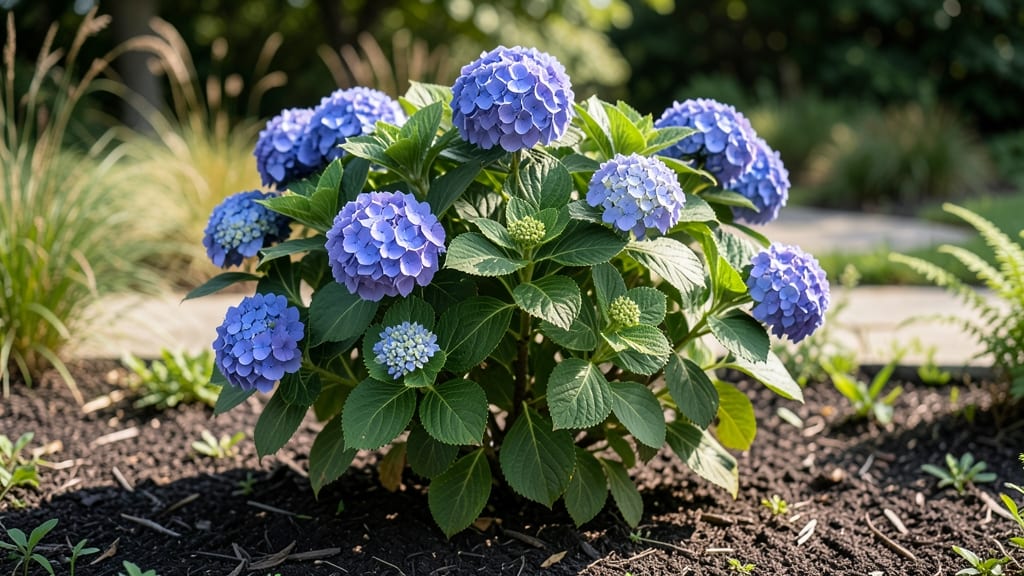
Hydrangeas bloom in Florida from late spring to early fall, typically May through September, with varieties like Endless Summer extending blooms into October. Florida's heat zones and rainfall patterns shift bloom timing, with northern regions often seeing earlier flowers than southern areas.
Florida's humid subtropical climate creates ideal conditions for hydrangeas, but the exact bloom window depends on the variety and your specific heat zone. 🌸 Bigleaf hydrangeas (macrophylla) often start in June, while panicle varieties (paniculata) like Limelight begin as early as May.
The Endless Summer series stands out because it blooms on both old and new wood, giving you a longer show—sometimes even into November if temperatures stay mild. Cooler inland areas might see blooms start a month earlier than coastal regions, where summer humidity can delay flowering.
What's fascinating is how Florida's USDA zones 7B-10A affect timing—northern Florida gardeners in zone 8A often get their first blooms by late April, while Miami's zone 10A might see delayed starts until June. Oakleaf hydrangeas (quercifolia) love Florida's heat but prefer afternoon shade, which can slightly push back their peak bloom compared to sun-tolerant panicle types.
The key is matching your variety to your microclimate and adjusting watering during dry spells to keep those blooms coming.
💡 In This Article
- Hydrangea Bloom Timing by Florida Variety
- Optimizing Hydrangea Blooms in Florida’s Climate
Hydrangea bloom timing by Florida variety
The bloom cycles of Florida's hydrangeas hinge on their growth habits and genetic origins. Bigleaf hydrangeas (Hydrangea macrophylla), like 'Nikko Blue' or 'Endless Summer', produce flowers on old wood (last year's growth), which typically blooms between June and August.
However, the Endless Summer series breaks this rule by also flowering on new wood, extending its show into October or November when temperatures stay above 50°F at night.
Panicle hydrangeas (Hydrangea paniculata), such as 'Limelight' or 'Little Lime', are early bloomers, often starting as early as May and continuing through September. These varieties thrive on new growth, making them more adaptable to Florida's heat.
Oakleaf hydrangeas (Hydrangea quercifolia), like 'Snow Queen', prefer the humid, subtropical climate of Florida's interior, blooming from June to August but with stunning fall foliage that adds seasonal interest.
Florida's USDA heat zones (7B-10A) dramatically shift bloom timing. In zone 8A (northern Florida), cooler temperatures trigger earlier blooms—often by late April—while zone 10A (south Florida) may see delayed starts until June due to prolonged warmth.
The humidity also plays a role: Coastal areas with high salinity in soil can stress plants, delaying flowering until rainfall increases in summer.
What's less obvious is how day length affects blooming. Hydrangeas are short-day plants, meaning they flower when daylight hours shorten. In Florida, this typically happens in late summer, but varieties like 'PeeGee' (a panicle type) can bloom in early spring if pruned correctly.
The science? Their internal clock responds to photoperiod, with flower buds forming when light exposure drops below 14 hours.
Consider this: A Bigleaf hydrangea in Gainesville (zone 8B) might bloom 2-3 weeks earlier than one in Fort Lauderdale (zone 10A) because of cooler nights. Meanwhile, panicle types in Tallahassee (zone 8A) often produce larger, more abundant blooms due to slightly drier conditions that reduce fungal pressure. 🌿
For gardeners, understanding these patterns means choosing varieties that align with your microclimate. For example, if you're in south Florida's zone 10A, opt for heat-tolerant panicle types like 'Goldrush' that bloom reliably despite the heat.
In contrast, northern Florida's zone 8A is perfect for bigleaf varieties that appreciate slightly cooler summers.