
Blooming
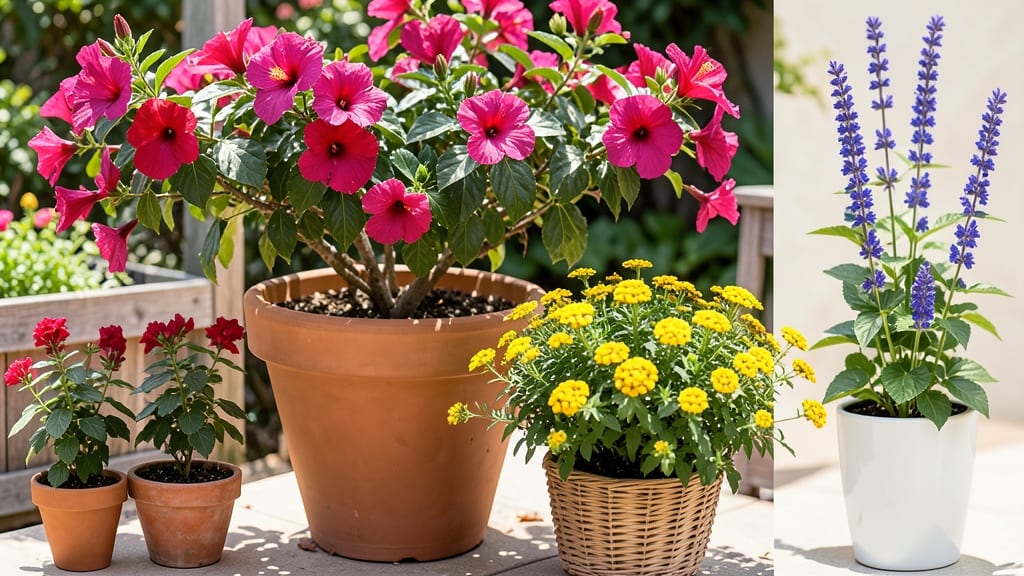
Perennial flowers that bloom all year need warm climates or special care, with salvia, lantana, and bougainvillea delivering vibrant color in USDA zones 8-11 or as annuals elsewhere.
These heat-loving plants thrive because their deep root systems store moisture during dry spells, while their waxy leaves reduce water loss. 🔥 For cooler climates, treating them as annuals means replanting each spring for summer-long blooms.
I've found that combining drought-tolerant varieties like salvia with moisture-loving ones creates a balanced garden ecosystem that supports continuous flowering.
What sets these perennials apart is their ability to handle temperature swings—many can withstand brief cold snaps down to 20°F while still reblooming.
The key is choosing varieties that match your local microclimate; for example, bougainvillea thrives in full sun and well-draining soil, while salvia prefers slightly more shade in hot afternoons.
💡 In This Article
- Climate Zones and Soil Conditions for Year-Round Blooming Perennials
- Top 10 Heat-Resistant Perennials for Nonstop Color
Climate zones and soil conditions for year-round blooming perennials
The secret to perennial flowers that bloom all year lies in their ability to adapt to specific climate conditions, particularly in USDA zones 8-11 where temperatures rarely drop below 10°F. These regions provide the consistent warmth and long growing seasons that trigger continuous flowering cycles.
Plants like salvia and lantana have evolved deep root systems that can access water from 3-5 feet below the surface, allowing them to survive droughts that would kill less resilient species. 🔥 Their waxy leaf coatings also reflect sunlight and reduce water loss through transpiration, a survival mechanism that becomes crucial during summer heatwaves.
Soil conditions play an equally critical role in maintaining year-round blooms. Most heat-tolerant perennials thrive in well-draining soil with a slightly alkaline pH (6.1-7.8), which prevents root rot while allowing oxygen to reach the roots.
For example, bougainvillea requires soil with a pH of 6.0-7.0 and benefits from sandy, fast-draining mixes that mimic its native Mediterranean habitat. In contrast, salvia prefers slightly acidic to neutral soil (5.5-7.5) and can tolerate clay soils as long as they're amended with organic matter.
The right soil composition ensures roots stay healthy year-round, supporting continuous flowering.
Sunlight exposure is another critical factor that determines whether perennials will bloom continuously. Most heat-resistant varieties need at least 6-8 hours of direct sunlight daily to trigger their flowering mechanisms through a process called photoperiodism.
For instance, lantana blooms most prolifically when exposed to full sun, while salvia varieties like 'May Night' can tolerate partial shade in hot afternoons.
The key is matching plant needs to your garden's microclimates—areas near south-facing walls get more intense sunlight than open spaces, which can make a difference of 10-15°F in temperature.
Watering needs vary dramatically between species, but all year-round bloomers share one trait: they're more drought-tolerant than seasonal flowers. Once established, many only need 1 inch of water per week during dry periods, with deep waterings every 10-14 days encouraging deeper root growth.
Overwatering is the biggest mistake gardeners make with these plants—it leads to root suffocation and fungal diseases that halt flowering. The exception is bougainvillea, which requires more frequent watering (every 5-7 days) during its active growing season but must never sit in soggy soil.
What most gardeners don't realize is how temperature fluctuations affect flowering cycles. Many heat-resistant perennials actually benefit from slight temperature drops (to 50-60°F at night) which trigger hormonal changes that stimulate new blooms.
This is why plants in USDA zone 10 often have more continuous flowering than those in zone 11's extreme heat. The science behind this involves ethylene gas production in response to temperature shifts—a natural cue for plants to produce flowers rather than just foliage. 🌟
For cooler climates, the solution is treating these perennials as annuals. This means planting them in spring when soil temperatures reach 60°F and providing consistent care until first frosts.
The trade-off is worth it for gardeners in zones 1-7 who want that same vibrant color—annuals planted in late spring can bloom continuously until frost, creating the same visual impact as perennials in warmer zones.