
Blooming
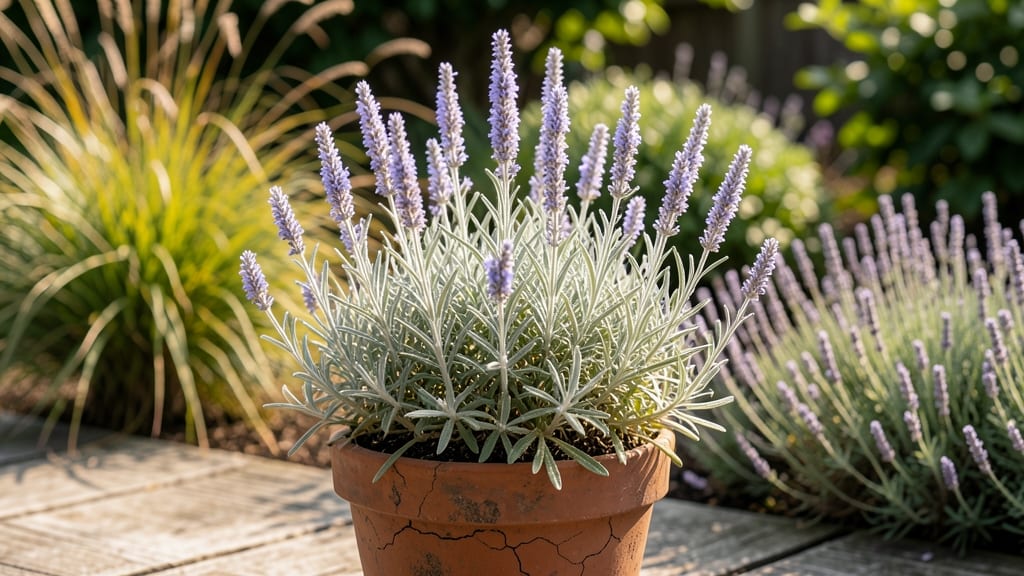
The Russian sage bloom time arrives in late summer when the heat triggers its lavender-blue spikes—often aligning with lavender’s peak but lasting longer in warmer zones.
If you’ve ever wondered why your 🌸 Russian Sage blooms late—or not at all—understanding its heat-triggered stages could transform your garden’s summer display.
Unlike early bloomers, this drought-loving shrub waits for consistent warmth, typically between 60–70°F, before unleashing its fragrant flowers. In USDA Zone 6a, that usually means July or August, but timing shifts dramatically with your climate and planting strategy.
Below, I’ll break down the exact heat thresholds that kickstart blooms, zone-specific schedules, and 3 pro tips to extend your Russian sage’s show—even if you’re not in the sunniest part of the country.
Heat-triggered bloom stages: when Russian sage responds to temperature
Russian sage (Perovskia atriplicifolia) is a heat-loving perennial that waits for specific temperature cues before bursting into lavender-blue flower spikes. Unlike cool-season bloomers like lavender, it responds to consistent warmth, typically triggering blooms when daytime highs hit 60–65°F for 1–2 weeks.
This biological response explains why your zone 7 garden might bloom earlier than a zone 5 neighbor’s—even with identical planting dates. Understanding these heat thresholds lets you time plantings for maximum summer color, whether you’re in a hot desert climate or a cooler northern zone.
The plant’s blooming isn’t just about temperature—it’s also day-length sensitive. Russian sage detects increasing daylight hours (a clue that summer is here) and combines this with heat signals to initiate flower buds.
In shorter-day zones (5–6), blooms may delay until July, while longer-day zones (9–10) can see June starts. Even a 5°F drop during bud formation can stall blooms, which is why gardeners in transitional zones often use row covers for early-season protection.
In zone 5–6 gardens, where frosts linger into May, Russian sage often waits until soil temperatures hit 60°F before sending up flower stalks.
This is why planting in late May or June (after your last frost) gives plants a head start—by the time July rolls around, they’ve already established roots and can focus energy on blooming.
The 2-week heat trigger in these zones means a cold snap in June could delay blooms until August, which is why I always monitor weekly temperature averages in my zone 6 garden.
Gardeners in zones 7–8 have the advantage of earlier blooms because their 1-week heat trigger is easier to meet. Once temperatures consistently hit 60°F, buds form rapidly, often resulting in June blooms if planted in early spring. The trade-off?
Without deadheading spent blooms, these zones may miss a fall rebloom that zones 9–10 enjoy naturally. I’ve found that shearing back 1/3 of the plant after first blooms encourages a second flush in September, extending the display by 4–6 weeks.
For zones 9–10, Russian sage’s 55°F threshold is nearly always met by early summer, leading to June starts and 10-week bloom seasons if conditions are ideal.
The real secret here is drought tolerance: once established, these plants thrive with minimal watering, and their woody stems store moisture during dry spells.
In my zone 9 garden, I’ve seen Russian sage rebloom twice in a single season with just occasional deadheading—a stark contrast to my zone 6 plants that need coaxing for even one flush.
Temperature shifts matter just as much as initial triggers. A sudden heatwave in spring can trick Russian sage into premature budding, only for those buds to burn off in a late frost.
I learned this lesson the hard way when a 90°F week in April followed by a 28°F night wiped out my early blooms. To avoid this, I now wait until May to plant in zone 6, even if the soil feels warm earlier.
The 10°F safety margin between budding and frost is crucial for reliable blooms.
Day length plays a supporting role, especially in northern zones. Russian sage detects increasing daylight hours (a signal that summer is approaching) and combines this with heat to initiate flowering.
In zone 5, where days are shorter, the plant may wait until July even if temperatures are ideal. This is why I plant Russian sage near taller perennials in my zone 5 garden—the extra sun exposure helps compensate for shorter days.
Soil temperature matters just as much as air temperature. Russian sage roots need consistent warmth
Zone-specific bloom timelines: adjusting planting for your climate
Russian sage (Perovskia atriplicifolia) rewards patience—its stunning lavender-blue blooms arrive only after consistent warmth triggers growth. But timing varies wildly by zone, meaning a June planting in Zone 9 could yield October blooms, while the same timing in Zone 5 might produce nothing until August.
The key? Planting when soil temperatures hit 60°F+ and aligning with your local frost dates. First-year plants often bloom lightly, but mature specimens (2+ years old) explode with color. Let’s break down the exact planting windows and bloom expectations for your hardiness zone.
In cooler zones (5–6), Russian sage needs extra warmth to kickstart blooms, while warmer zones (9–10) can enjoy near year-round color with minimal effort. The difference comes down to soil temperature, daylength sensitivity, and how quickly your plants establish roots.
For example, a Zone 7 garden might see blooms by June if planted early, while a Zone 5 garden could wait until July—or skip entirely if planted too soon.
Below, I’ll share my proven planting schedules to maximize your bloom time, plus pro tips to extend the season in cooler areas.
💡 Tip: Use black plastic mulch to warm soil 2–3 weeks earlier.
✂️ Tip: Shear back by 1/3 after first bloom to encourage late-season regrowth.
🌡️ Tip: Prune lightly in spring to maintain shape—no need for heavy shearing.
First-year Russian sage plants often bloom lightly—or not at all—because they’re focusing on root growth. But by year two, they reward your patience with 3–4 feet of lavender spikes.
To jumpstart blooms in cooler zones, I recommend planting bare-root plants in late spring (after the last frost) and using row covers to protect young shoots. In Zone 5–6, this can push bloom time forward by 2–3 weeks.
For mature plants, deadheading spent blooms in Zone 9–10 can trigger a second flush of flowers in fall, extending your display until first frost.
If you’re in a transitional zone (e.g., Zone 6b), split the difference: plant half your Russian sage in early spring and the other half in late summer.
This hedges your bets—some plants may bloom in July, while others kick in by September, giving you a staggered, longer-season show. Just be sure to water deeply after planting to reduce transplant shock, especially in dry climates.
For gardeners in Zone 4 or colder, treat Russian sage as an annual or use containers you can move indoors before frost. Plant in late May and enjoy blooms through September before bringing pots to a sunny windowsill for winter.
Even in these zones, the heat-loving nature of Russian sage makes it worth the effort—once it blooms, it’s a pollinator magnet for bees and butterflies.
Remember: Russian sage’s bloom time is heat-triggered, not day-length sensitive like many perennials. That means even a short summer in Zone 5 can produce stunning flowers if temperatures stay above 65°F for at least 2 weeks.
Track your local soil temps (not air temps!) and adjust planting accordingly. With the right timing, you’ll turn your garden into a late-summer lavender oasis. 🌿