
Blooming
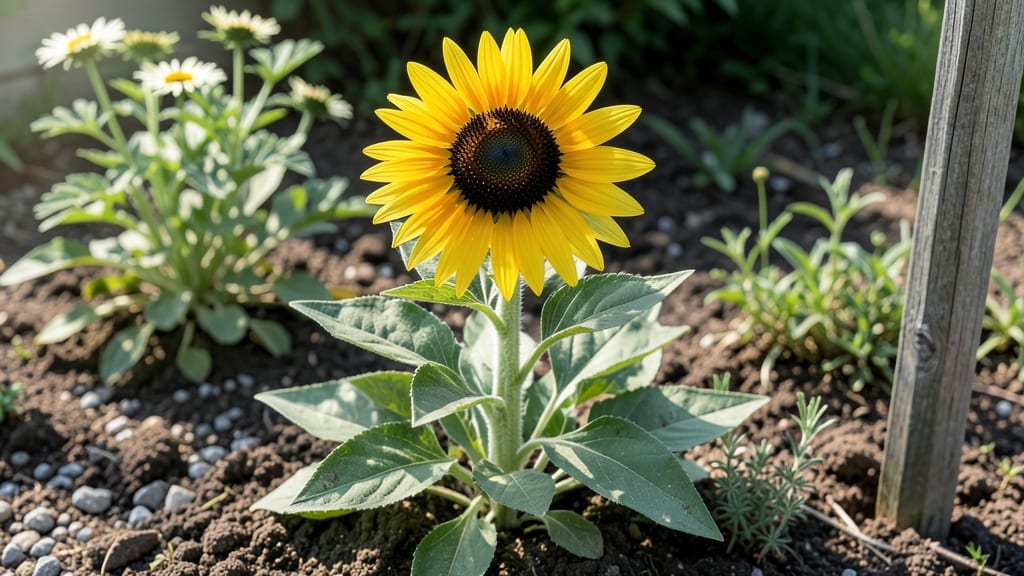
The black eyed susan bloom season transforms gardens into golden sunlit havens in late summer and early fall 🌼, turning them into vibrant escapes when many other perennials start to fade.
If you’ve ever wondered why your Black Eyed Susans seem to vanish after frost only to return with a dazzling display of golden blooms, you’re not alone—timing and care are everything.
These hardy perennials thrive on seasonal rhythms, and understanding their bloom cycle can transform your garden into a sunlit spectacle year after year.
In USDA Zone 6a, where frost is a regular visitor, Black Eyed Susans often take a late-spring break before rebounding with vigor. The key to extending their bloom season lies in deadheading spent flowers, providing balanced nutrients, and protecting them from early cold snaps.
Below, I’ll break down the exact months to expect peak blooms, how frost affects their recovery, and the simple tricks to keep your 🌼 Black Eyed Susans flowering longer—even when the calendar says fall is near.
Black Eyed susan bloom season timeline: when to expect peak flowers
Black Eyed Susans (Rudbeckia hirta) are the golden stars of late summer gardens, but their bloom timing varies dramatically across USDA zones 3-10. Understanding these patterns helps you plan for sequential blooms and maximize your garden's color show.
In warmer zones like 9-10, blooms may start as early as June, while gardeners in zones 3-5 typically see their first flowers in July.
Climate plays a crucial role—cooler regions often experience delayed blooming due to slower spring warming, while humid southern climates can trigger earlier but shorter bloom cycles. The key to planning is knowing whether you're growing early-season, mid-season, or late-season varieties, each with distinct timing patterns.
Let's break it down by zone and variety type.
Here's a quick reference for bloom timing across USDA zones, including first blooms, peak season, and late-season reblooming potential:
| USDA Zone | First Blooms | Peak Season | Late Blooms | Rebloom Notes |
|---|---|---|---|---|
| 3-4 | Late July | August-September | October (frost-dependent) | Minimal rebloom; focus on hardy varieties |
| 5-6 | Early July | July-August | September-October | Moderate rebloom with deadheading |
| 7-8 | June | June-July | August-September | Strong rebloom; extend season with care |
| 9-10 | May-June | June-July | August-September | Prolonged blooming; may need winter protection |
In zones 3-4, where winters are harsh, Black Eyed Susans often wait until soil temperatures stabilize in late July before bursting into bloom. These regions benefit from early-season varieties like 'Indian Summer,' which can handle cooler temperatures better than standard types.
The peak bloom period typically stretches from mid-August to early September, with some late blooms lasting until frost.
Gardeners in zones 5-6 enjoy a longer bloom window, with first flowers appearing in early July and continuing through October if conditions are right. This makes them perfect for sequential planting with earlier bloomers like coneflowers or later varieties like asters.
The rebloom potential in these zones is excellent when you practice regular deadheading—removing spent blooms encourages new flowers to form.
For those in zones 7-8, the bloom season starts as early as June, creating a stunning transition from spring to summer. The peak season here is June-July, but with proper care, you can extend blooms through September.
These warmer climates allow for year-round planting, and some varieties may even bloom into winter in mild microclimates. The key is to choose heat-tolerant varieties like 'Goldsturm' for continuous color.
In the southernmost zones (9-10), Black Eyed Susans can start blooming as early as May, but the intense heat often causes them to bolt quickly and fade by August. To combat this, opt for shade-tolerant varieties like 'Cherokee Sunset' and provide afternoon shade during peak summer months.
These zones also see longer daylight hours, which can trigger multiple bloom cycles if you maintain consistent watering and fertilization.
Climate isn't the only factor—elevation and microclimates also shift bloom timing. For example, a mountain garden in zone 5 might bloom two weeks later than a valley garden just 20 miles away.
Pay attention to your local frost dates and adjust planting times accordingly. If you're in a transition zone (like zone 6b), consider planting a mix of early, mid,
How frost affects Black Eyed Susans: recovery tips for stronger reblooms
When a hard frost hits your Black Eyed Susans, it’s easy to panic as those vibrant golden blooms seem to disappear overnight. But here’s the good news: these perennials are tougher than they look.
Frost primarily damages foliage and stems, while the roots often survive—meaning your plants are already planning their comeback. Understanding how frost affects them is the first step to helping them bounce back stronger than ever.
The key to recovery lies in assessing damage correctly. If only the leaves turn brown and stems wilt but the base remains firm, your plant’s roots are likely alive and well. However, if the entire stem collapses or the base feels mushy, the plant may need more intervention.
Don’t rush to dig up anything—patience is critical as Black Eyed Susans often regrow from the crown once temperatures rise.
⚠️ callout-warning
❄️ Critical Frost Timing for Black Eyed Susan Bloom Season
Frost can delay blooms by 2-4 weeks if it hits too early in the season. If your area experiences frost after June 1st, your plants may still produce a second flush of blooms—but if frost arrives before May 15th, expect a weaker or later display. Always monitor your local last frost date to time pruning and fertilizing for optimal reblooming.
🌱 Pro Tip: Use a frost cloth in late fall to protect emerging shoots in zones 5-7.
Once you’ve confirmed the roots are alive, the next step is pruning damaged growth. Use clean, sharp pruners to cut back dead stems to 1-2 inches above ground level. This might seem drastic, but it encourages new growth from the crown and prevents disease.
Avoid heavy pruning in late fall, as this can stress the plant before winter dormancy. Instead, wait until early spring when new shoots emerge.
To boost post-frost vitality, focus on soil and nutrient adjustments. Black Eyed Susans thrive in well-draining soil with a pH of 6.0-7.0. After frost, mix in 2-3 inches of compost around the base to replenish nutrients.
A light application of balanced fertilizer (10-10-10) in early spring can also encourage stronger regrowth. Avoid over-fertilizing, as this can lead to lush foliage at the expense of blooms.
For gardeners in colder zones (3-6), choosing cold-hardy varieties like 'Indian Summer' or 'Prairie Sun' can make a big difference. These varieties are bred to withstand lower temperatures and often rebloom more vigorously after frost.
Pair this with a 3-4 inch layer of mulch (like straw or shredded leaves) to insulate roots during winter. Remove mulch in early spring to allow soil to warm and encourage new growth.
Finally, watch for signs of new shoots in late spring. Once you see fresh green growth, it’s time to resume regular care: water deeply once a week, ensure they get 6+ hours of sunlight, and deadhead spent blooms to encourage more flowers.
With the right care, your Black Eyed Susans will reward you with a second flush of blooms, often lasting well into fall. 🌼