
Blooming
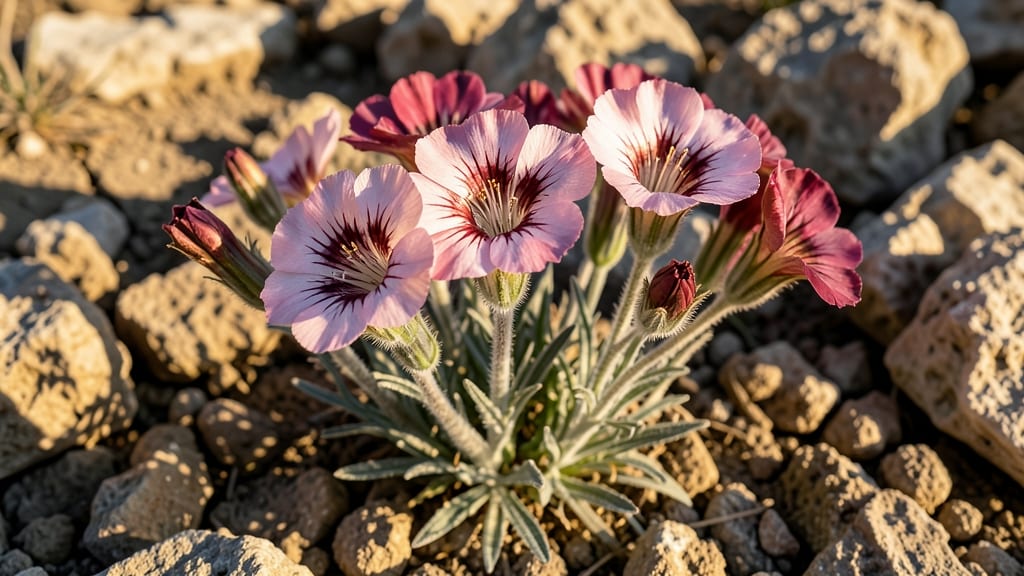
Dreaming of a garden that never sleeps? These ten perennial flowers deliver year-round blooms, vibrant colors, and intoxicating fragrances—no seasonal breaks required. Perfect for low-maintenance gardeners and fragrance lovers alike.
Sweet Alyssum: Tiny White Flowers with Sweet Honey Scent
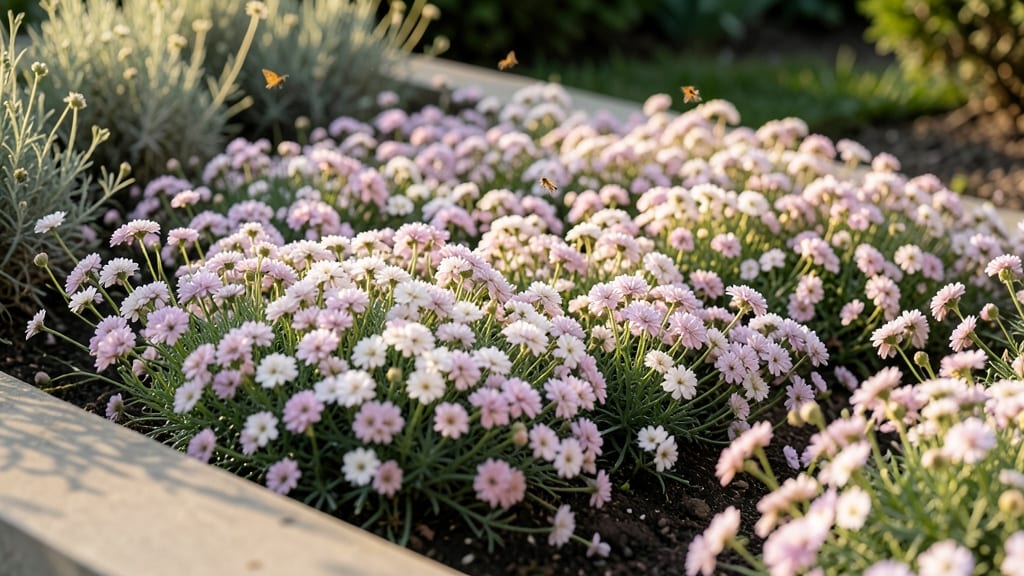
Looking for a fragrant ground cover that thrives in cool weather and keeps pests at bay? Sweet Alyssum is your answer—this delicate annual creates a lush, honey-scented carpet that pollinators adore while naturally deterring aphids and other garden nuisances.
Plant Sweet Alyssum in full sun to partial shade, where it’ll spread beautifully along borders, in containers, or as a living mulch. It’s particularly well-suited for spring and fall gardens in temperate climates, though some varieties bloom year-round in mild winters. Deadhead spent flowers to encourage continuous blooms and enjoy its sweet, clover-like fragrance that intensifies on warm evenings.
Perfect for beginners and pollinator gardens, Sweet Alyssum is a low-maintenance superstar that adds texture, scent, and color without the fuss. 🌱
Heather: Purple and Pink Blooms for Winter Interest
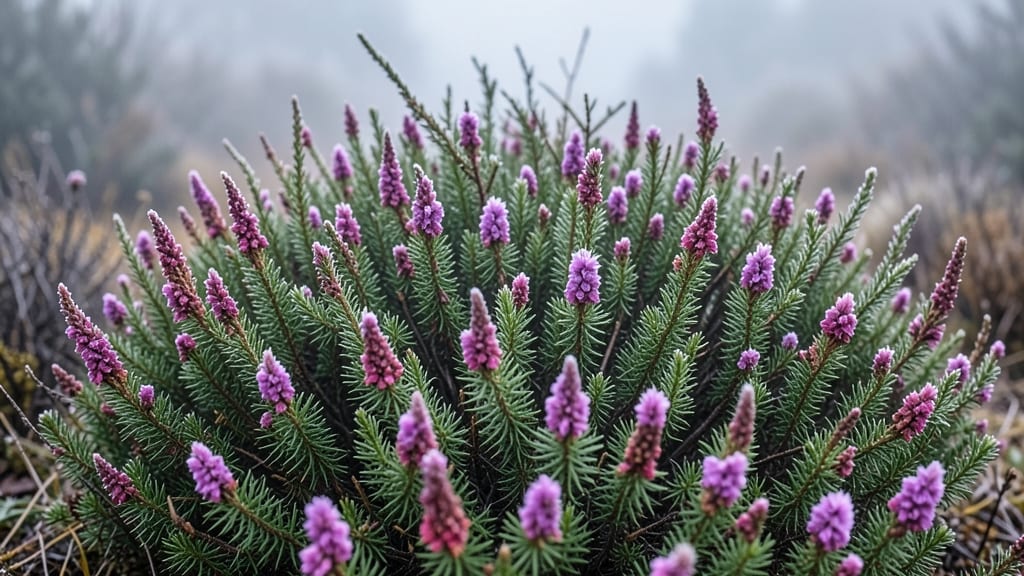
When most gardens fade into winter dormancy, heather bursts into color with its purple and pink blooms that last from late summer through frost. This cold-hardy evergreen thrives where other plants struggle, making it the unsung hero of winter interest gardens.
Heather’s needle-like foliage stays lush year-round, and its delicate clusters of bell-shaped flowers attract pollinators even in chilly weather. Plant it in rocky gardens, containers, or along pathways where its compact size (1-3 feet tall) fits perfectly. Prune lightly after blooming to encourage bushier growth, and enjoy its subtle, honey-like fragrance.
Urban gardeners and cottage-style enthusiasts will love heather’s low-maintenance nature—it tolerates poor soil and drought once established. Add it to your winter garden for year-round color without extra effort. ✨
Salvia: Vibrant Red and Blue Flower Spikes
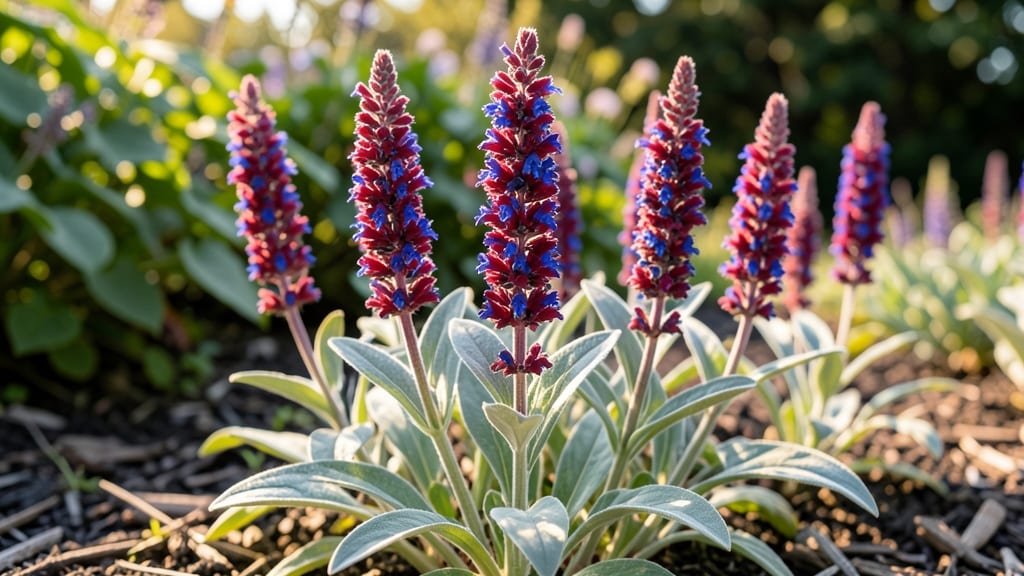
Tired of flowers that take summer vacations? Salvia is the plant that never checks out—its striking red and blue flower spikes bloom continuously from spring through fall (and sometimes winter in mild climates), making it the ultimate low-maintenance star.
This drought-tolerant powerhouse thrives in full sun and heat**, requiring only occasional watering once established. The tall, architectural spikes attract hummingbirds like a neon sign, while its silvery foliage adds texture year-round. Simply cut back spent blooms in late winter to encourage fresh growth—no deadheading required.
Perfect for urban gardeners with hot, dry yards or anyone who wants to reduce water bills without sacrificing beauty. 🌻
Lantana: Butterfly Magnet with Year-Round Color
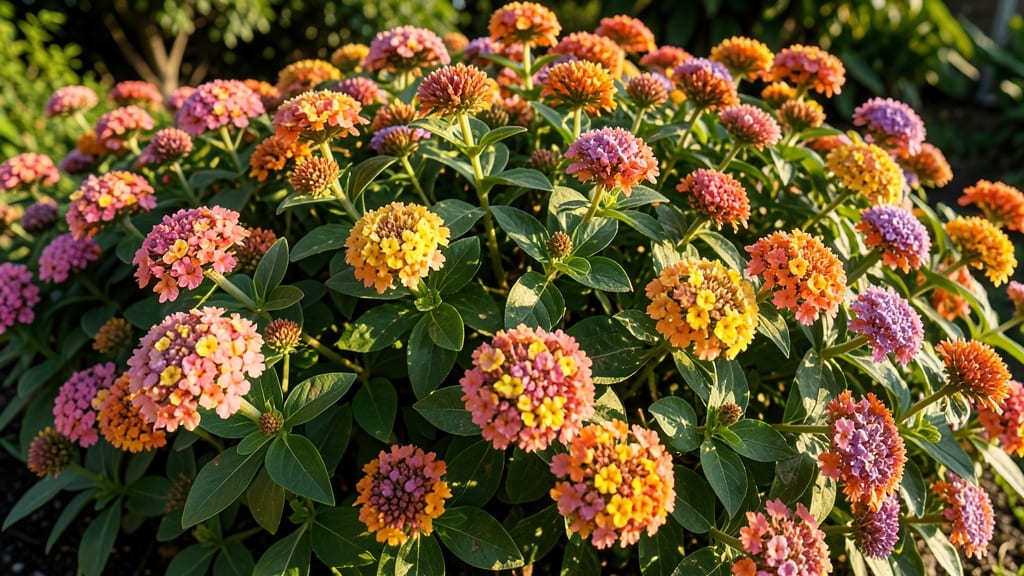
If you live in a warm climate and dream of a garden bursting with color without seasonal breaks, lantana is your secret weapon. This heat-loving perennial thrives in USDA Zones 8-11 and produces clustered, multicolored blooms that never fade—even in the hottest months.
Lantana’s continuous blooming habit makes it a pollinator powerhouse, attracting butterflies and bees with its nectar-rich flowers. For best results, plant it in full sun with well-drained soil and prune lightly after blooms fade to encourage new growth. Varieties like Lantana camara offer shades of yellow, orange, and pink in a single cluster, creating a vibrant, ever-changing display.
Perfect for low-maintenance gardeners and urban containers, lantana adds tropical flair to borders, hanging baskets, or mixed beds. Its drought tolerance and disease resistance make it a carefree choice for sunbaked landscapes. 🌻
Pansies: Cold-Weather Bloomers in Bold Colors
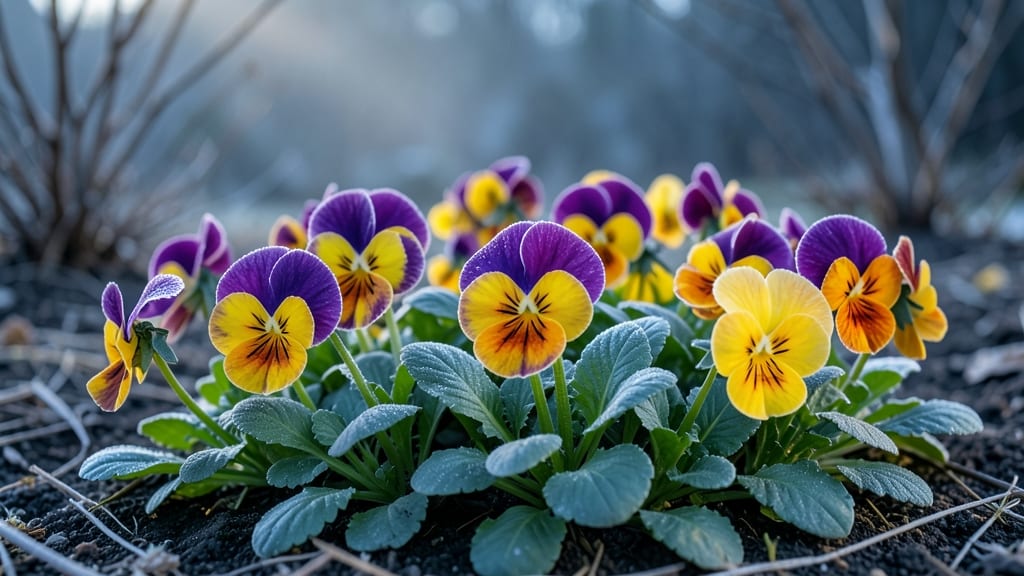
When winter's chill turns other gardens into monochrome landscapes, pansies stand out like cheerful confetti—offering bold purple, yellow, and orange faces that thrive in temperatures as low as 20°F. These aren't just pretty; they're edible flowers too, adding a peppery zing to salads or garnishes when harvested young.
Perfect for container gardens, pansies tolerate partial shade and even light frost, making them ideal for patios, balconies, or windowsills. Plant them in well-draining soil and water moderately—they hate soggy roots. For continuous blooms, deadhead spent flowers and fertilize lightly every 4-6 weeks. Their year-round color (in mild climates) means your garden stays vibrant even when snowflakes dance outside.
Urban gardeners and cottage-style enthusiasts will love how pansies fill gaps left by summer annuals, while their childlike faces bring whimsy to winter landscapes. 🌷
Zinnia: Long-Lasting Blooms in Every Hue
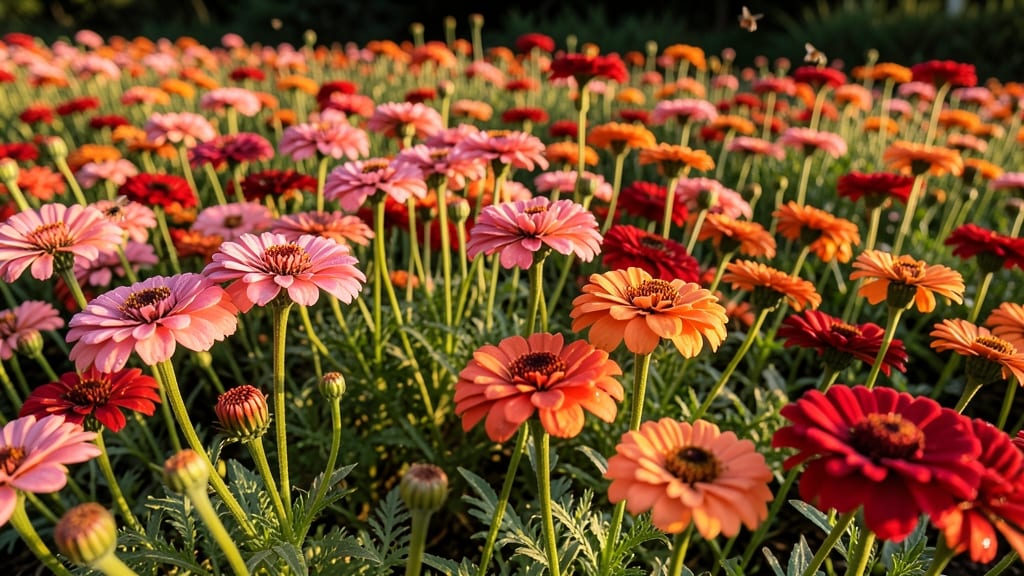
Want bouquets that last and a garden that keeps giving? Zinnia is the secret weapon for cut-and-come-again blooms that rebloom continuously—like nature’s own flower factory. These cheerful annuals deliver vibrant hues from pink to deep red, perfect for pollinators and summer-long arrangements.
Sow seeds after the last frost in full sun, and watch them thrive with minimal fuss. Pinch back early blooms to encourage bushier growth, then harvest stems when buds open—zinnia bouquets stay fresh for 10+ days in water. Deadhead spent blooms to trigger nonstop reblooming until frost. Perfect for warm climates or containers, zinnia’s bold colors and long vase life make them a gardener’s best friend. 🌻
Lavender: Fragrant Purple Spikes for Calming Gardens
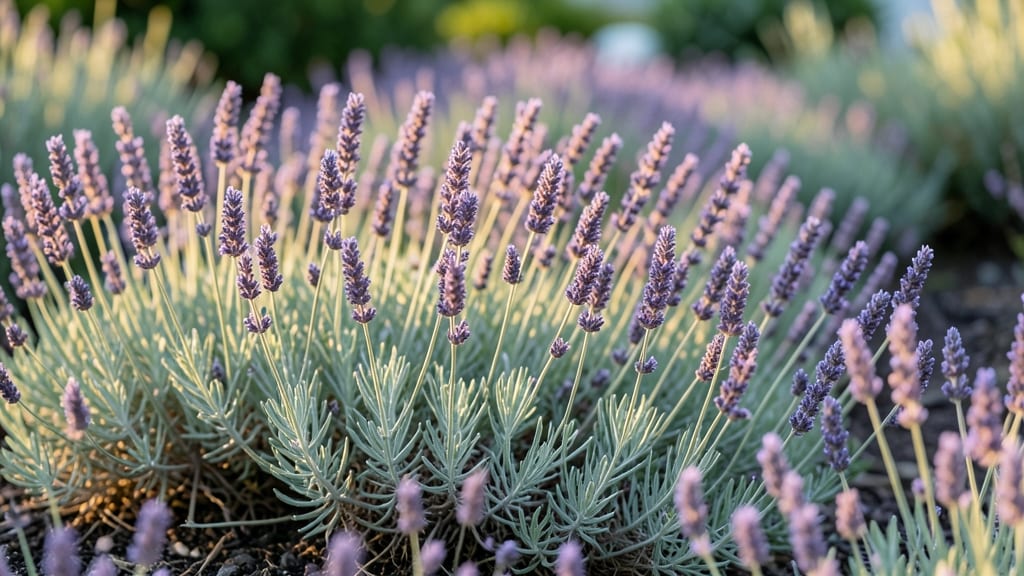
Craving a garden that feels like a spa retreat? Lavender transforms any space into a serene sanctuary with its fragrant purple spikes and silvery foliage. Beyond its soothing scent, this drought-resistant powerhouse repels pests naturally, making it the ultimate low-fuss addition to borders, containers, or even your windowsill.
Plant lavender in full sun and well-draining soil**—it thrives on neglect, needing water only when the soil is bone-dry. Prune lightly after blooming to maintain its compact shape, and harvest stems for sachets or culinary uses. The key to long-term success? Avoid overwatering and choose varieties like English lavender for milder climates or Spanish lavender for heat tolerance.
Perfect for urban balconies, meditation gardens, or pollinator-friendly landscapes, lavender brings both beauty and tranquility with minimal effort. 💚
Impatiens: Shade-Loving Blooms in Bright Colors
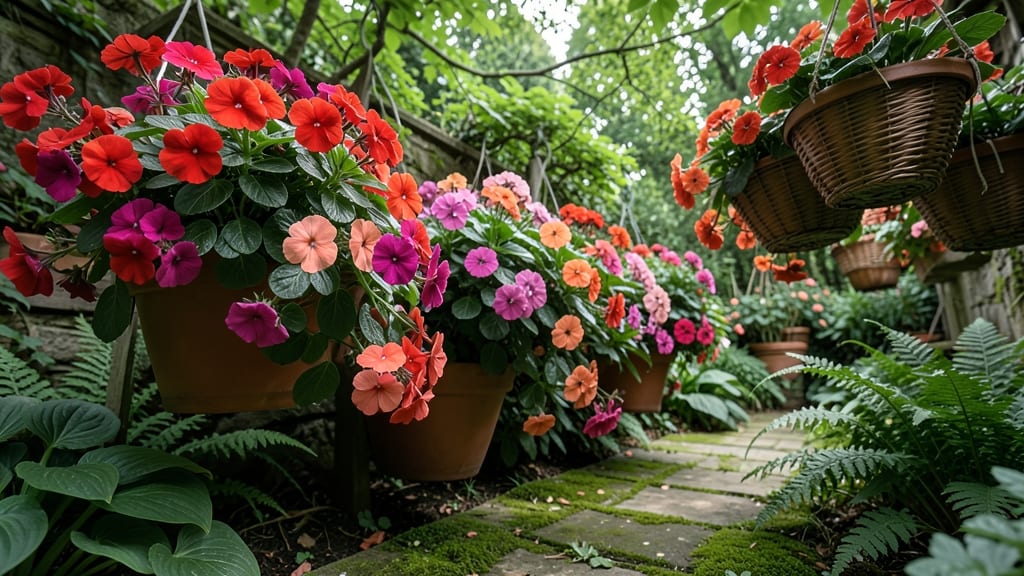
Tired of shady spots in your garden looking dull and forgotten? Impatiens are the secret weapon for transforming dim corners into vibrant, cheerful displays—without needing a single ray of direct sunlight. These shade-loving annuals thrive in partial to full shade, producing nonstop blooms in fiery reds, soft pinks, and sunny oranges that brighten even the gloomiest areas of your yard.
To keep them happy, plant impatiens in well-draining, moist soil that stays consistently damp (but not soggy). They love the dappled light under trees or along north-facing walls, where other plants might struggle. For continuous blooms, pinch back leggy stems in early spring and fertilize lightly every 4-6 weeks with a balanced formula. Deadheading spent flowers isn’t strictly necessary, but it encourages even more vibrant blooms—just let the petals drop naturally for a relaxed, cottage-garden look.
Perfect for urban balconies, woodland gardens, or as underplanting for taller shrubs, impatiens bring effortless color to spots where sun-loving flowers refuse to grow. Their compact size (12-18 inches tall) makes them ideal for containers, window boxes, or mass planting in shady borders. 💚
Calendula: Edible Orange and Yellow Petals
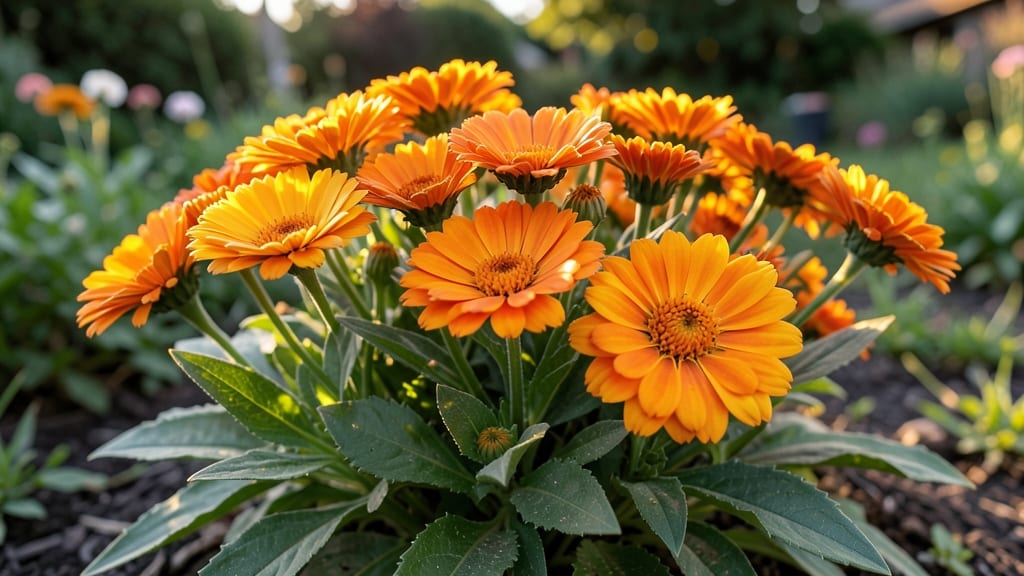
Want a flower that’s as useful as it is beautiful? Calendula—with its bright orange and yellow petals—is a self-seeding annual that blooms continuously, repels pests, and even adds edible color to your meals. Unlike other flowers that fade with the seasons, calendula thrives in warm climates (Zones 2-11) and keeps producing cheery blooms from spring until frost.
This hardworking plant deters aphids, whiteflies, and even fungus gnats with its natural pest-repelling properties, making it a must-have for vegetable gardens and herb beds. The petals are edible—toss them into salads for a peppery kick or steep them in hot water for a soothing tea. For best results, plant calendula in full sun with well-draining soil and let it self-seed; it’ll return year after year with minimal effort.
Perfect for urban gardeners and herb enthusiasts, calendula brings dual-purpose beauty and function to any space—whether you’re growing it for its flowers, flavor, or pest-control benefits. 🌷
Dianthus: Fragrant Pink and Red Clusters

Want a flower that smells like a spice cabinet and thrives where others fail? Dianthus delivers clove-scented pink and red clusters that perfume your garden while growing in poor, rocky soil most plants would reject. This tough perennial blooms from spring through fall (and sometimes winter in mild climates), making it the unsung hero of rock gardens and sunny borders.
Plant Dianthus in full sun to partial shade where its fleshy, gray-green leaves will spread 12-18 inches wide. The secret to long-lasting blooms? Deadhead spent flowers promptly—this encourages nonstop reblooming for months. Varieties like 'Firewitch' and 'Matrona' offer deep magentas and bi-colors that add drama to cottage gardens or alpine slopes. Its drought tolerance once established makes it perfect for water-wise landscapes.
Rock garden enthusiasts and border planners will love how Dianthus fills gaps with minimal care, while its fragrance makes cutting flowers for indoor arrangements extra special. The best part? It thrives where nothing else will grow. 💚