
Blooming
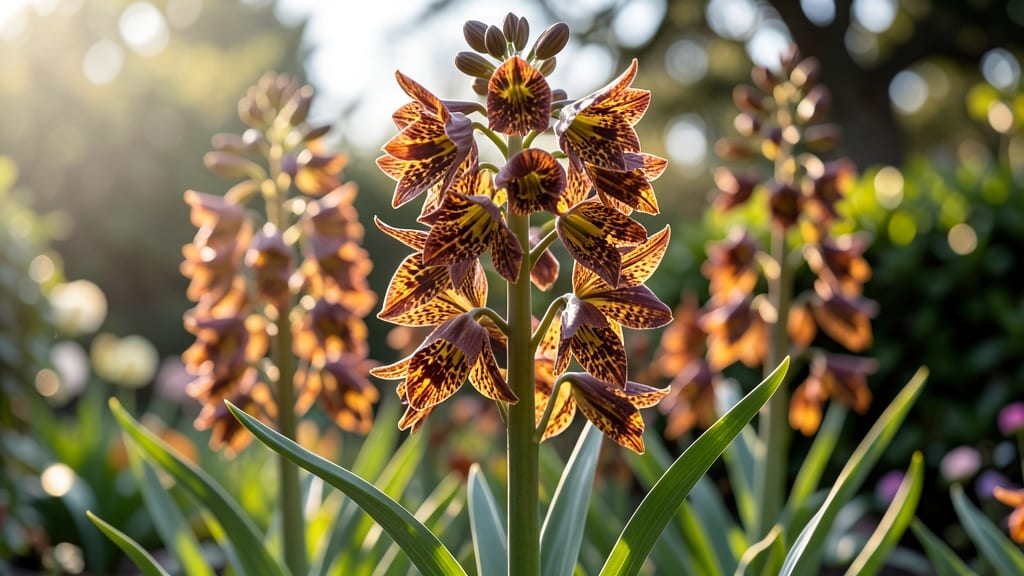
Early spring gardens often look bare—but these cold-hardy perennials defy frost to deliver vibrant color and life. Perfect for gardeners eager to beat winter blues, these plants thrive in chilly conditions and attract pollinators early in the season.
Crocus Flowers for Early Pollinator Support
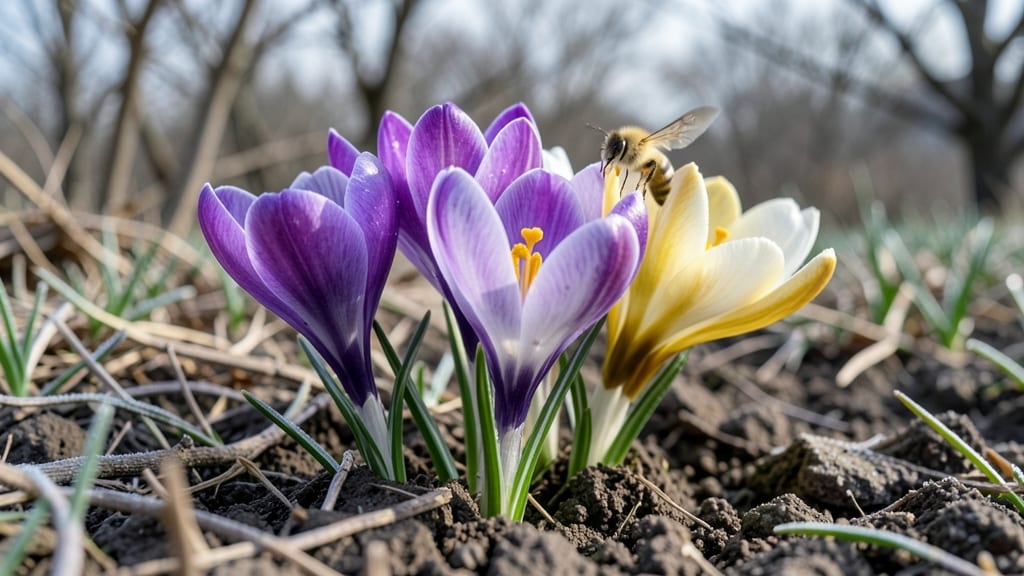
When bees wake up from winter hibernation, they often find few food sources—but crocus flowers break through the soil first, offering critical early-season nectar. These tiny but mighty blooms are nature’s way of jumpstarting pollinator activity before other plants even think about leafing out.
Plant crocus bulbs in fall (4-6 weeks before frost) in well-draining soil with full sun to partial shade. They thrive in USDA zones 3-8, making them ideal for cold climates. Once established, they multiply rapidly, creating naturalized meadows or cascading over rock gardens. Choose varieties like ‘Purple Striped’ or ‘Tommy’ for bold color and pollinator appeal.
Perfect for beginner gardeners or those with limited space, crocus requires almost no maintenance—just minimal watering after planting and occasional division every few years. Their early blooms signal spring’s arrival while supporting ecosystems. 🌱
Bleeding Heart Plant with Delicate Arching Flowers
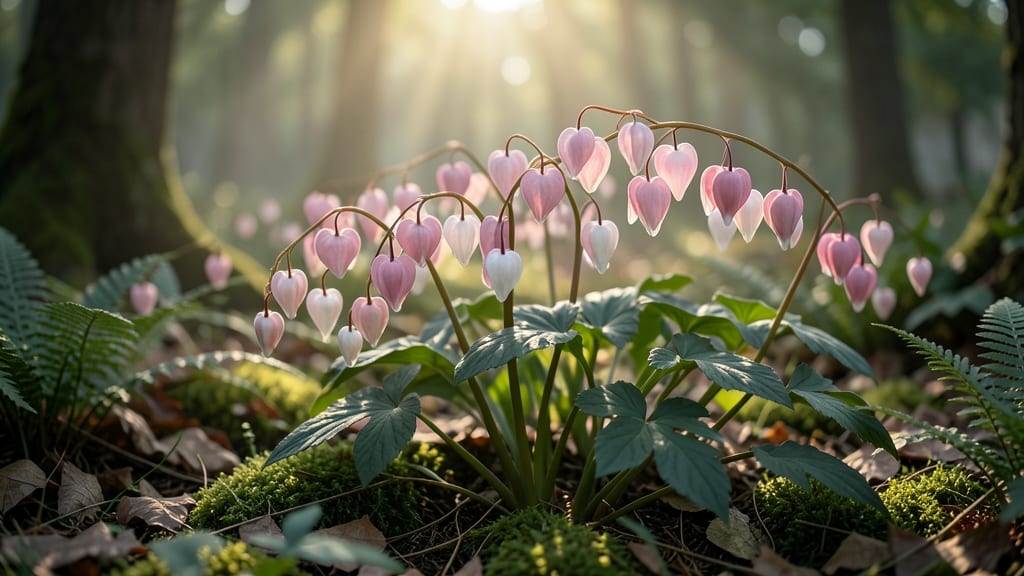
If you crave a romantic splash of color in your garden before summer heat arrives, the bleeding heart plant (Dicentra spectabilis) is your answer. Its heart-shaped blooms arch gracefully in shades of pink and white, creating a dreamy, cascading effect that’s perfect for shaded spots where other plants wilt.
This shade-loving perennial thrives in partial to full shade, making it ideal for woodland gardens, beneath trees, or along north-facing foundations. Plant it in moist, well-drained soil enriched with organic matter, and watch it reward you with early spring blooms (March–May) that last for weeks. Prune back foliage in late summer to encourage fresh growth for next year.
Best for gardeners who love low-maintenance elegance, bleeding heart plants also attract hummingbirds and add vertical interest to borders. Pair it with hellebores or ferns for a lush, woodland-inspired display. 💚
Daffodils for Bright Yellow Garden Accents
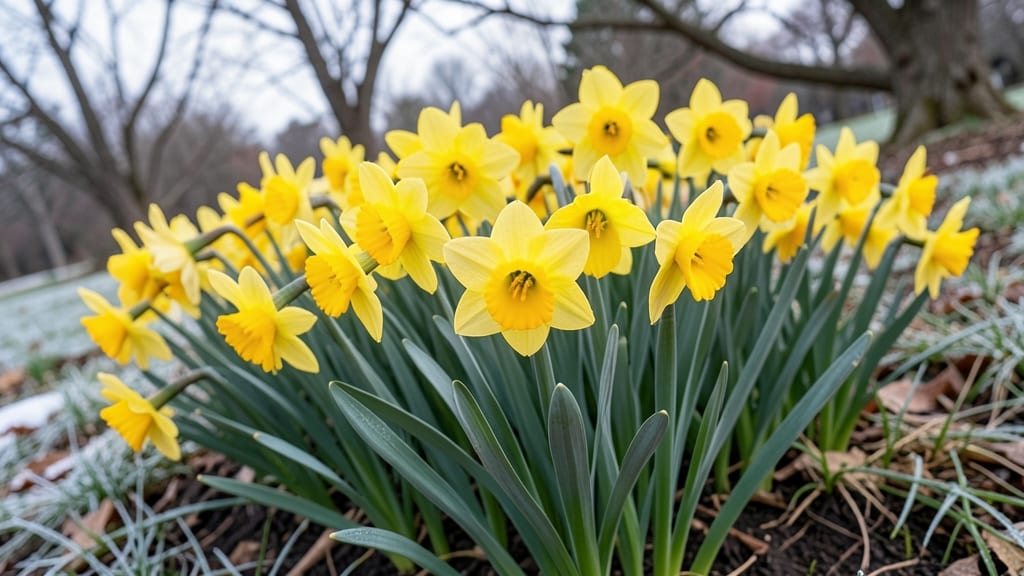
When you crave instant color to chase away winter’s gloom, daffodils deliver a cheerful punch with their bright yellow blooms—often appearing before snow has even melted. These deer-resistant perennials thrive in both full sun and partial shade, making them versatile for almost any spot in your garden.
Plant bulbs in fall for blooms that arrive reliably each spring, often lasting 2-3 weeks. Choose Tête-à-Tête varieties for compact, low-maintenance clusters that multiply over time. Their hardiness (zones 3-8) means they’ll return year after year with minimal care—just remove faded blooms to redirect energy to next season’s flowers.
Perfect for beginners or busy gardeners, daffodils brighten borders, woodland edges, or even containers. Their early bloom also signals to pollinators that spring has arrived. 🌻
Hellebores for Shade-Loving Evergreen Foliage
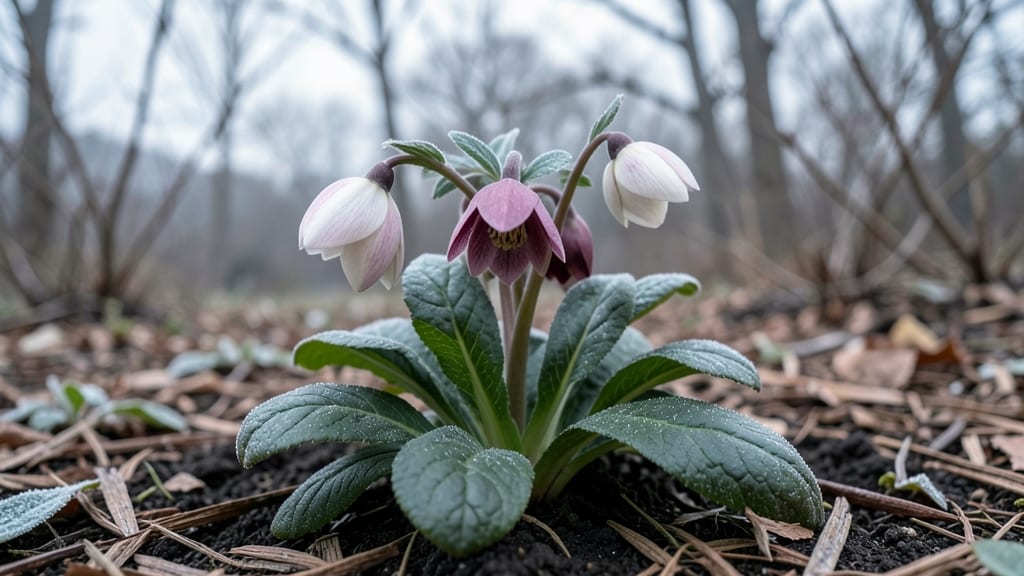
When your garden looks like a winter wasteland, helleborus (or "Lenten rose") emerges as a quiet hero, blooming in late winter when most plants are still dormant. These shade-loving perennials offer year-round evergreen foliage and delicate flowers that nod gracefully above the soil, creating a striking contrast against bare ground.
Thriving in partial to full shade, hellebores prefer moist, well-drained soil with minimal care—just a light mulch in winter and occasional division every few years. Their flowers, often in shades of white, pink, or green, appear from late winter through early spring, providing early nectar for bees. Varieties like 'Annie's Song' or 'Black Beauty' add drama with unique markings.
Perfect for urban gardeners with shady spots or woodland gardeners, hellebores bring structure and color when other plants are still sleeping. 🌿
Pulsatilla for Unique Silky Purple Blooms
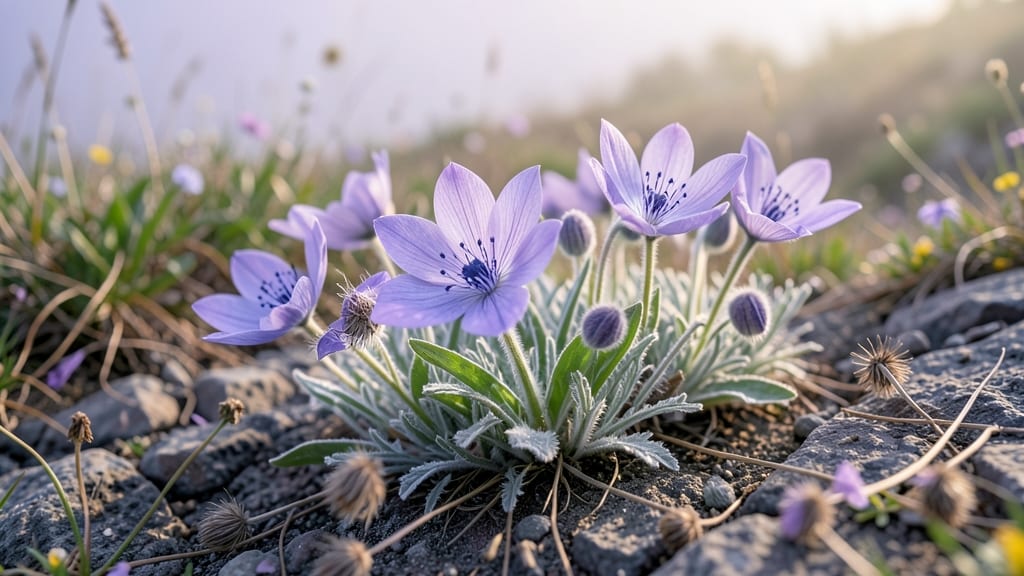
Want to add dramatic movement to your early spring garden without fuss? Pulsatilla (or pasqueflower) delivers silky purple blooms that appear before leaves, creating a magical, almost otherworldly display. These drought-tolerant perennials thrive in wildflower meadows and rocky slopes, where their feathery stamens dance in the breeze.
Plant them in full sun with well-drained soil—they’re tough once established and need little water. Their late winter to early spring blooms (February–April) make them ideal for filling gaps when other perennials are still dormant. The seed heads add winter interest too, attracting birds and adding texture.
Perfect for low-maintenance gardeners or those creating prairie-style landscapes, pulsatilla brings unexpected elegance with minimal effort. 🌷
Allium Globemaster for Bold Purple Spheres
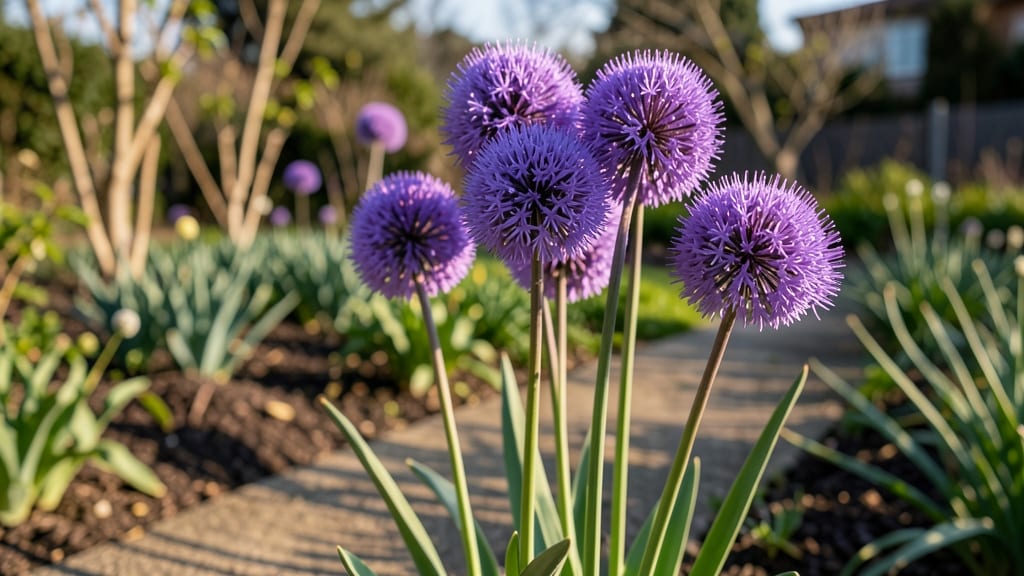
Looking for a dramatic early spring focal point that won’t flop in the wind? Allium Globemaster delivers globe-shaped purple blooms that tower over borders like edible (but ornamental) art—without the fuss of fussy perennials.
This deer-resistant giant allium thrives in full sun with minimal care, producing 3-4 foot stems topped with 4-inch spherical blooms that last for weeks. Plant in clusters for maximum impact, and enjoy its long bloom season from late spring through summer. The grass-like foliage adds texture even after flowers fade.
Perfect for cottage gardens, modern landscapes, or cutting gardens, this low-maintenance stunner brings height and bold color when other perennials are still napping. 🌻
Lungwort for Unique Spotted Leaves and Flowers
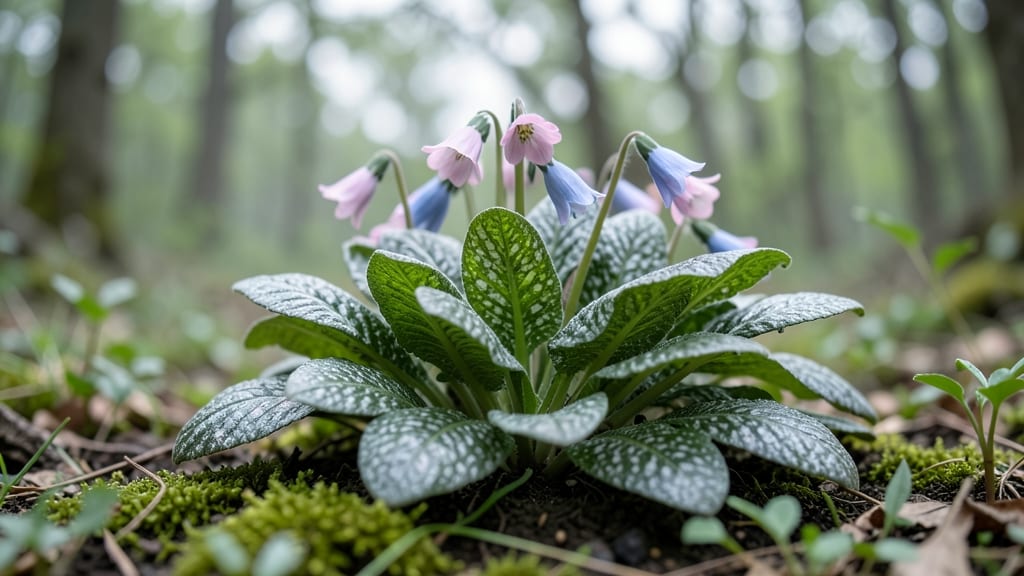
If you're looking for a perennial that offers more than just early spring blooms, lungwort (Pulmonaria) delivers with its striking silver-spotted foliage that stays eye-catching long after the flowers fade. This underrated gem thrives in conditions where many other plants struggle, making it a secret weapon for shade-loving gardeners.
Lungwort blooms in late winter to early spring with delicate, nodding flowers in shades of pink, purple, or blue, followed by its signature spotted leaves that emerge in spring and persist through fall. It’s happiest in partial shade and moist, well-drained soil, mirroring the conditions of a woodland understory. Unlike many perennials that fade into summer, lungwort’s foliage keeps the show going with its unique pattern, adding texture to borders or woodland gardens.
This low-maintenance plant is perfect for gardeners who want year-round interest without the fuss. Pair it with hellebores or ferns for a lush, evergreen woodland display that thrives with minimal care. 🌿
Snowdrops for Tiny but Hardy White Blooms
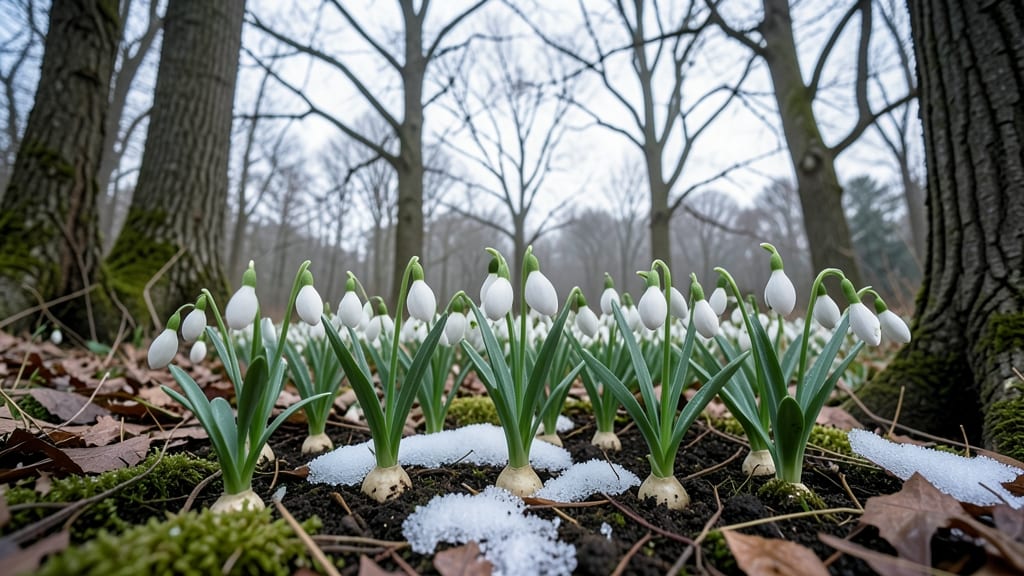
If you're dreaming of early spring color but lack sunny spots, snowdrops are your secret weapon. These delicate white blooms push through snow and thrive in full shade, making them ideal for understory planting where most perennials fail.
Plant bulbs in fall for winter-to-spring blooms, and let them naturalize under trees or along woodland edges. They multiply effortlessly, creating drifts of tiny white bells that appear when few other plants are awake. Their deer-resistant nature makes them perfect for problem areas too.
Urban gardeners with shady patios or woodland lovers will adore how snowdrops transform bare spots into cheerful harbingers of spring. 🌱
Columbine for Unique Bell-Shaped Flowers
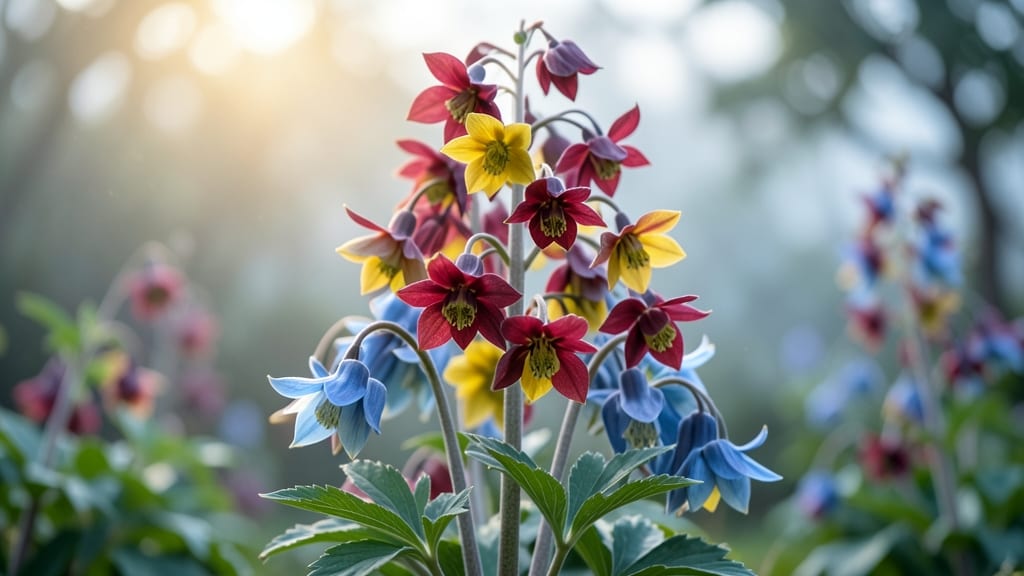
If you're looking to add vertical drama and hummingbird magnetism to your early spring garden, columbine is the answer. These unique bell-shaped flowers bloom in shades of red, yellow, and blue, creating a whimsical display that lasts from spring through summer.
Columbine thrives in partial shade, making it perfect for woodland edges or beneath trees where other plants struggle. Its well-drained soil needs mean it’s also a great choice for rocky or sloped areas. Deadhead spent blooms to encourage more flowers, and watch as hummingbirds flock to its nectar-rich petals.
This versatile perennial adds textural contrast to borders and containers, making it ideal for gardeners who want low-maintenance beauty with high impact. 🌻
Fritillaria Imperialis for Striking Checkered Blooms

If you're dreaming of an exotic centerpiece that arrives like clockwork each spring, Fritillaria imperialis—the crown imperial—delivers with its striking checkered bell-shaped blooms in fiery oranges, maroons, and yellows. This rare gem thrives in formal gardens where its bold, fragrant flowers command attention, often blooming in late winter to early spring when few other perennials compete.
Grow it in well-drained soil (it despises soggy roots) with full sun to partial shade, and you’ll be rewarded with 3-foot-tall stems crowned by 6-inch flowers that smell like honey. The plant’s strap-like leaves add architectural interest even when not in bloom. For best results, plant bulbs in fall at a depth of 6–8 inches, spacing them 12 inches apart. Mulch with gravel to prevent rot and deter slugs, which adore these tender stems.
Perfect for formal gardeners or those seeking a conversation starter, crown imperials pair beautifully with early bloomers like hellebores or daffodils. Just be patient—it takes 3–4 years for established plants to reach their full dramatic potential. 🌻