
Flowers
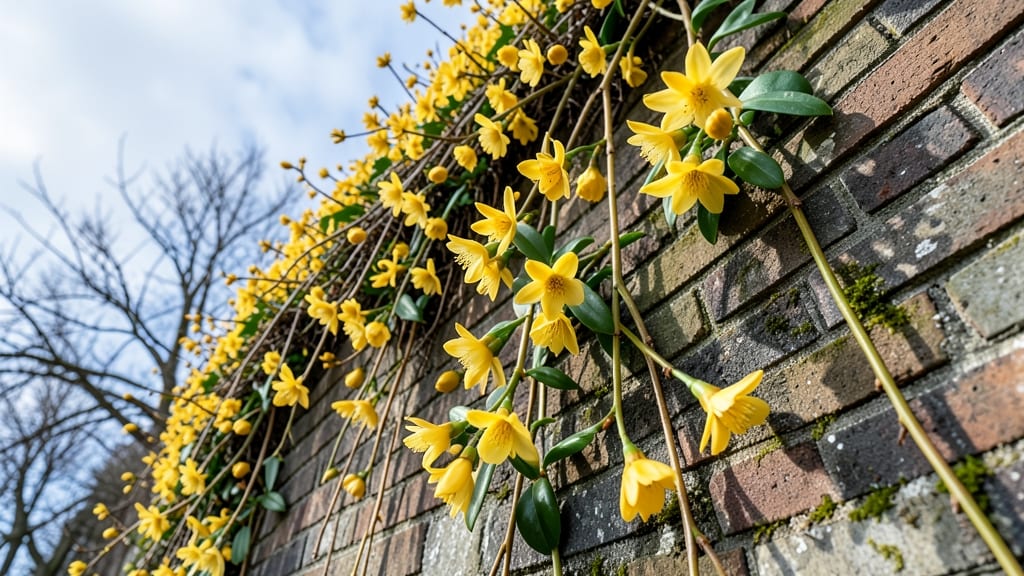
February’s chilly days don’t have to mean dull gardens. These 10 cold-hardy flowers defy winter’s grip, offering vibrant blooms that bring life to your outdoor spaces—whether in containers, borders, or winter landscapes.
Snowdrops: Tiny Messengers of Spring’s Arrival
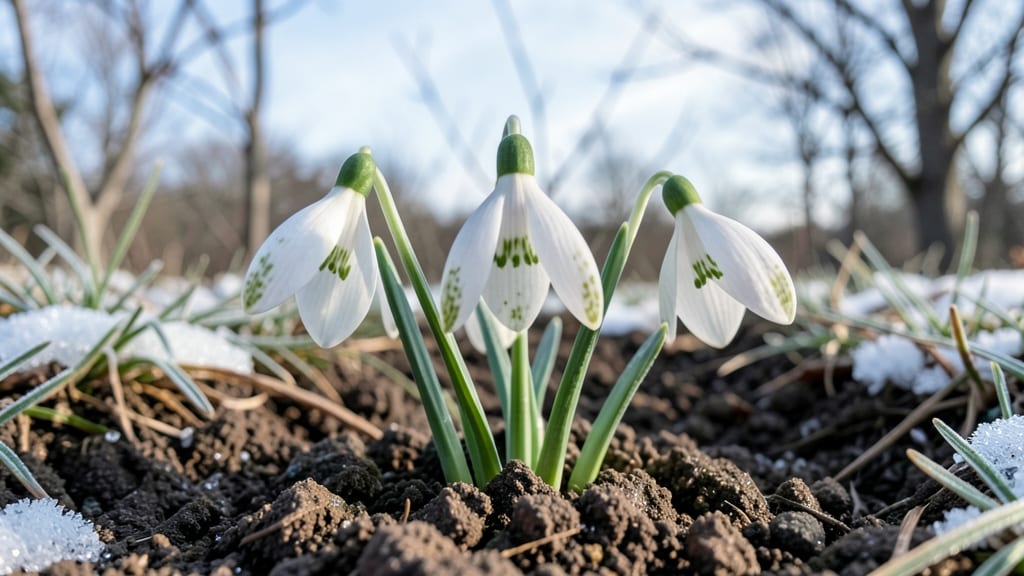
When most gardens lie dormant under winter’s chill, snowdrops (Galanthus) push through the soil like tiny messengers announcing spring’s arrival. These delicate white blooms with speckled green petals are one of the first flowers to bloom in February, often appearing even when snow still clings to the ground.
Thriving in USDA Zones 3-9, snowdrops excel in deep shade or woodland gardens where sunlight is scarce. Plant bulbs in well-draining soil under deciduous trees or shrubs—their natural habitat. Once established, they’re nearly maintenance-free, multiplying over time to create lush drifts of early blooms. Their toxic nature to deer and rodents makes them a low-fuss choice for problem-prone areas.
Perfect for gardeners seeking year-round interest, snowdrops pair beautifully with hellebores and ferns. Their symbolism of hope makes them a meaningful addition to memorial gardens or shaded borders where other plants falter. 🌱
Winter Aconite: Golden Stars in Frosty Gardens
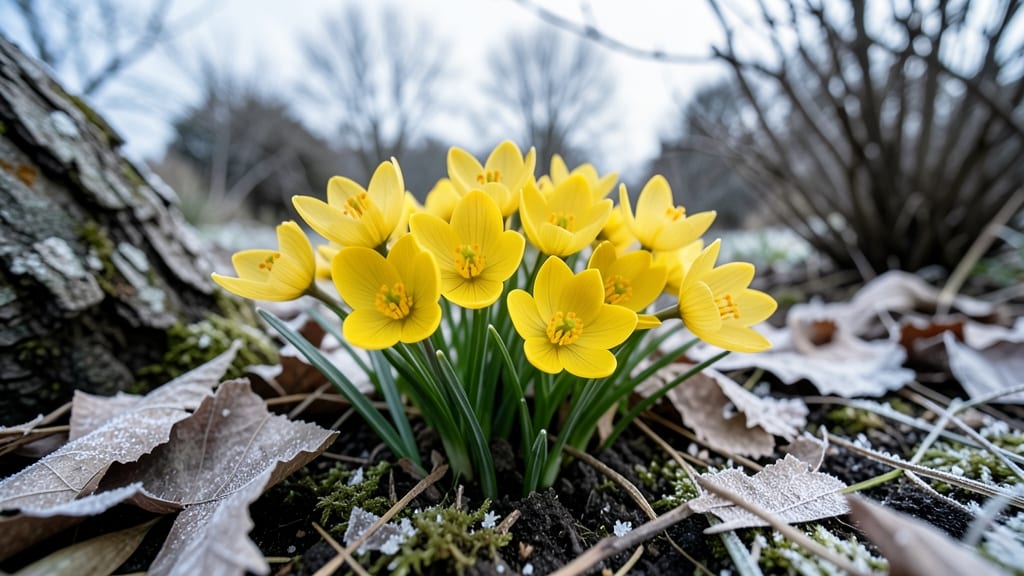
When your garden feels like a winter monochrome, winter aconite (Eranthis hyemalis) bursts onto the scene with sunshine-yellow stars that seem to glow against frost-kissed soil. Unlike many February bloomers, these cheerful flowers thrive in partial to full shade, making them perfect for under trees or along north-facing walls where other plants struggle.
This early pollinator magnet blooms as soon as snow melts, providing critical nectar for bees still foraging in cold weather. Plant bulbs in well-draining soil in fall (they’re dormant above ground until late winter), and watch for cup-shaped flowers that appear before leaves emerge. A single bulb produces 5-10 blooms, and they multiply over time—ideal for naturalizing under shrubs or along woodland edges.
Gardeners in USDA zones 4-8 will love how winter aconite outperforms many spring bulbs in shade, offering three weeks of vibrant color when little else is blooming. Perfect for beginners or urban gardeners with limited sun! ✨
Hellebores: Elegant Lace-Like Winter Blooms
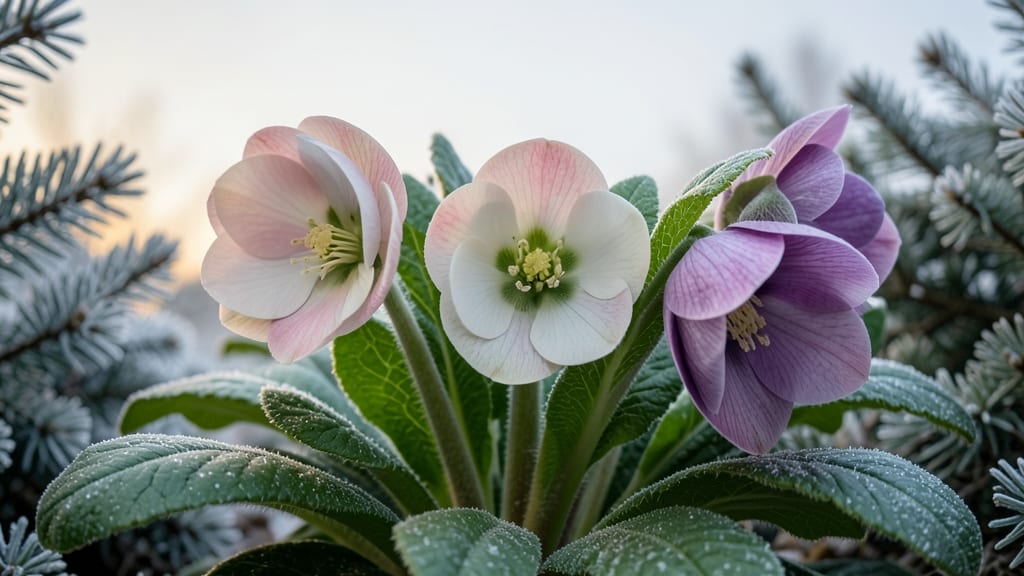
When you need February flowers that refuse to bow to winter’s chill, look no further than hellebores—also called Lenten roses. These elegant bloomers thrive in cold climates, offering delicate, nodding flowers in soft pinks, whites, or deep purples that last for weeks.
Once established, hellebores are drought-tolerant, making them low-maintenance stars for shade gardens (they handle partial to full shade beautifully). Their unique, lace-like petals make them perfect for cutting gardens, where they hold up well in vases. Plant them in well-draining soil and mulch to protect roots from extreme cold—then sit back and enjoy their late winter to early spring show.
Perfect for gardeners who love textured foliage and long-lasting blooms, hellebores also attract early pollinators like bees. Their evergreen leaves add year-round interest, making them a true winter garden MVP. 💚
Crocuses: Purple and White Ground Cover
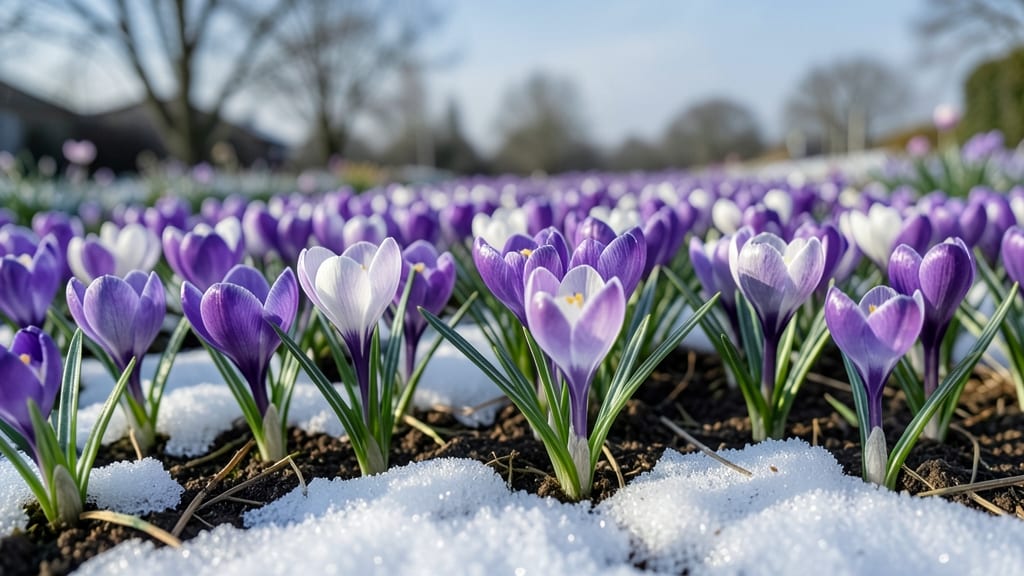
Want a low-maintenance way to add color to your garden before spring? Crocuses are the answer—these cheerful bloomers push through snow to create a purple-and-white carpet that deer won’t touch. Their early blooms also serve as a vital food source for bees emerging from winter dormancy.
Plant crocus corms in fall for a winter surprise, as they thrive in full sun to partial shade and well-draining soil. Once established, they multiply yearly, creating dense patches that suppress weeds. Opt for varieties like 'Purple Dream' or 'Snow Bunting' for reliable February blooms in zones 3-8.
Perfect for rock gardens, lawns, or containers, crocuses require zero fuss—just deadhead spent blooms to encourage more flowers. Urban gardeners and wildlife lovers will adore how they transform bare spots into pollinator magnets. 🌱
Pansies: Hardy Annuals with Faces
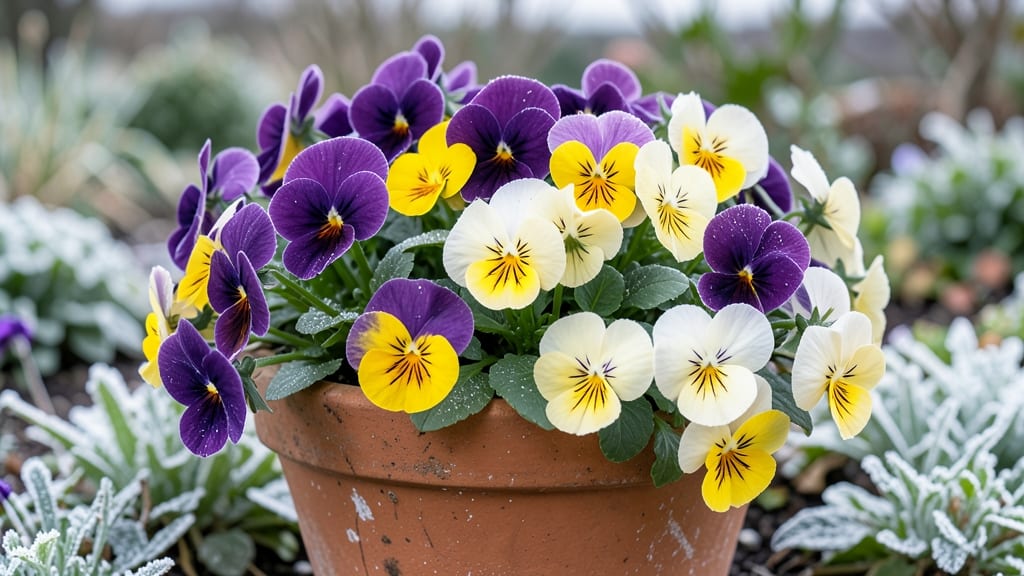
Looking for a February flower that’s as charming as it is functional? Pansies deliver bold colors, intricate patterns, and—here’s the bonus—they’re edible! These cheerful faces thrive in cold weather, making them perfect for brightening up containers, borders, or even your dinner plate.
Plant pansies in well-draining soil and give them 4-6 hours of sun daily—they’ll reward you with blooms from early spring through frost. Their petals add a peppery flavor to winter salads, while their vibrant hues attract pollinators like bees and butterflies. Choose varieties like 'Matrix' or 'Cool Wave' for cold-hardy reliability.
Urban gardeners and container lovers will adore pansies—they’re compact, long-blooming, and add a playful touch to patios. Plus, their edible flowers make them a unique harvest for both gardens and kitchens. 🌻
Daffodils: Classic Yellow Cheer for Sunlit Spots
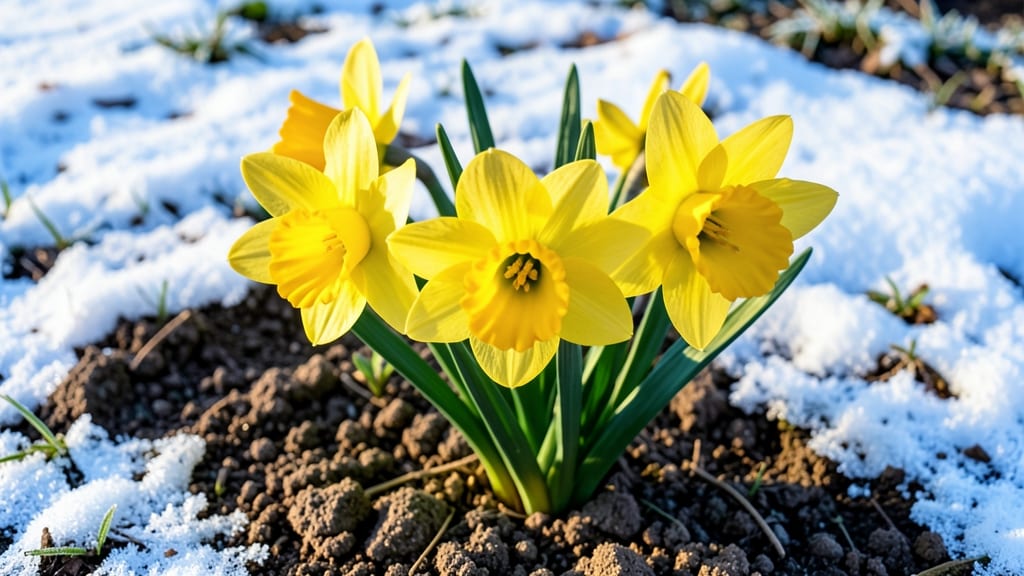
When you need a bold statement in your February garden, daffodils deliver sunshine in a cup—literally. These toxic-to-deer bulbs thrive in full sun, popping up through snow with their bright yellow trumpets to announce spring’s arrival.
Plant them in well-draining soil with 6 hours of sun daily, and they’ll naturalize over time, multiplying into cheerful drifts. Choose early-blooming varieties like ‘Tête-à-Tête’ for compact clusters or ‘Ice Follies’ for pure white elegance. Their drought tolerance once established makes them low-maintenance stars.
Perfect for gardeners who want year-round color (even after blooms fade, their foliage stays green) and those battling deer or rabbits. 🌻
Cyclamen: Exotic Pink and White Charms
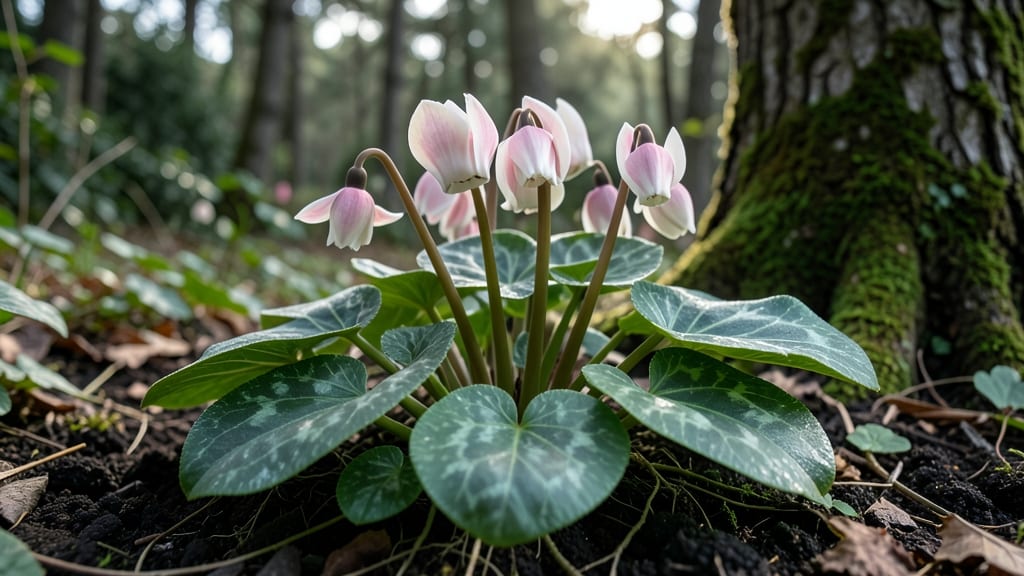
Looking for a February bloomer that adds drama without needing full sun? Cyclamen delivers with its exotic heart-shaped leaves and delicate pink or white nodding flowers—perfect for shaded spots where most plants struggle.
These Mediterranean natives thrive in partial to full shade, making them ideal for woodland gardens, under trees, or even as indoor plants. Their light frost tolerance (down to 20°F) means they’ll survive winter’s chill, while well-draining soil prevents root rot. For extra flair, plant them in containers near patios or entryways to catch the eye.
Urban gardeners and shade-loving enthusiasts will adore how cyclamen transforms dull corners into living art. Just avoid overhead watering to keep those marbled leaves dry and vibrant. 🌷
Primroses: Fragrant Clusters for Containers
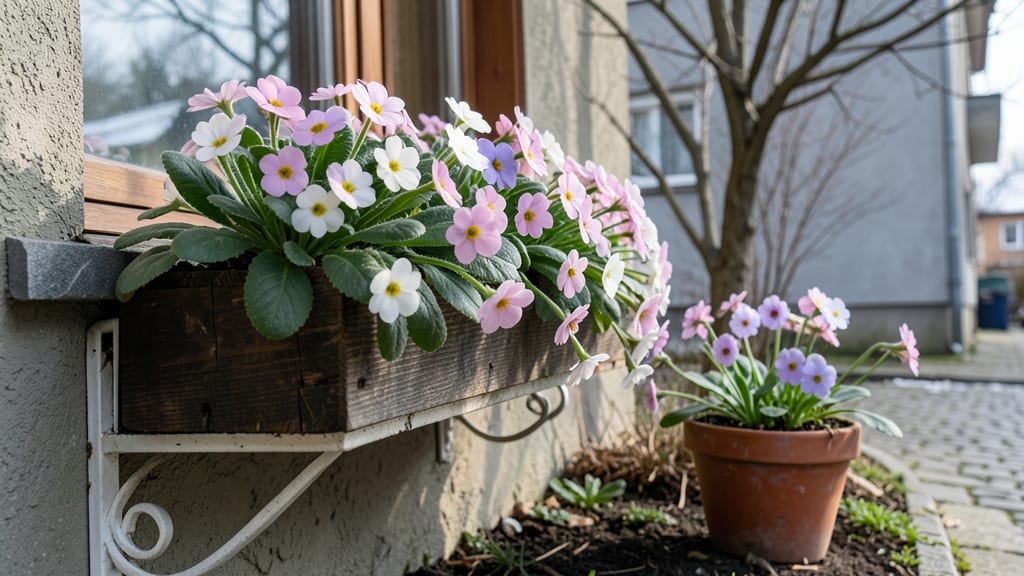
If you're an urban gardener with limited space but big dreams for color, primroses are your secret weapon. These delicate, fragrant blooms thrive in containers and window boxes, offering pastel pinks, purples, and whites that brighten even the grayest February days.
Primroses prefer partial shade (3-6 hours of sun) and well-draining soil, making them ideal for balconies or patios. Deadhead spent blooms to encourage more flowers, and fertilize lightly every 4-6 weeks for continuous blooms. Their sweet scent adds an extra layer of charm, perfect for inviting pollinators like bees early in the season.
With minimal care and maximum impact, primroses are the ideal choice for city dwellers who want to enjoy early spring color without the upkeep of a full garden. 🌷
Violas: Miniature Pollinator Magnets
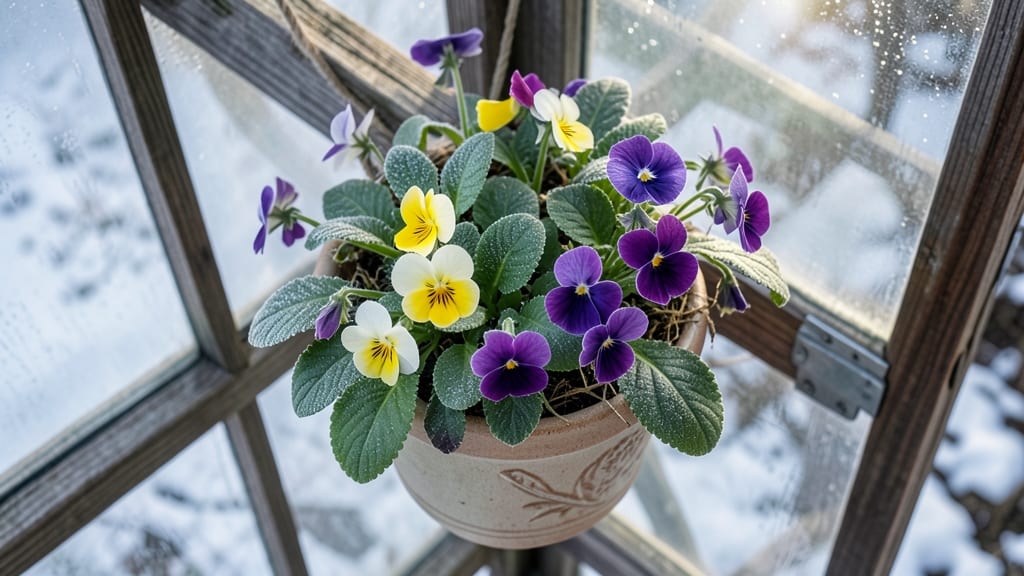
Don’t let their small size fool you—violas (or Johnny-jump-ups) pack a big pollinator punch in February. These cheerful little blooms thrive in cold weather, making them perfect for hanging baskets or cold frames where other flowers would freeze.
Violas come in vibrant colors like purple, yellow, and blue, and their sweet nectar draws bees and butterflies early in the season. They’re also low-maintenance, tolerating partial shade and light frost—ideal for urban balconies or shaded garden corners. Just keep soil moist and deadhead spent blooms to encourage more flowers.
Perfect for beginners or small-space gardeners, violas add instant color and life to winter landscapes while supporting early pollinators. 🌟
Winter Jasmine: Golden Cascades for Walls

When your winter walls feel bare and lifeless, winter jasmine (Jasminum nudiflorum) swoops in like a golden superhero—its fast-growing vines and fragrant yellow blooms transform blank spaces into vertical gardens before spring even arrives.
This deciduous climber thrives in USDA Zones 6-9 and blooms from late winter through early spring, clinging effortlessly to trellises, fences, or arbors with thornless tendrils. Plant it in full sun to partial shade and well-draining soil—it’s drought-tolerant once established. Prune back in late spring to encourage denser growth for next winter’s display.
Perfect for urban gardeners with limited space or anyone craving instant winter color, winter jasmine adds fragrance and movement to otherwise dull walls. 🌟