
Blooming
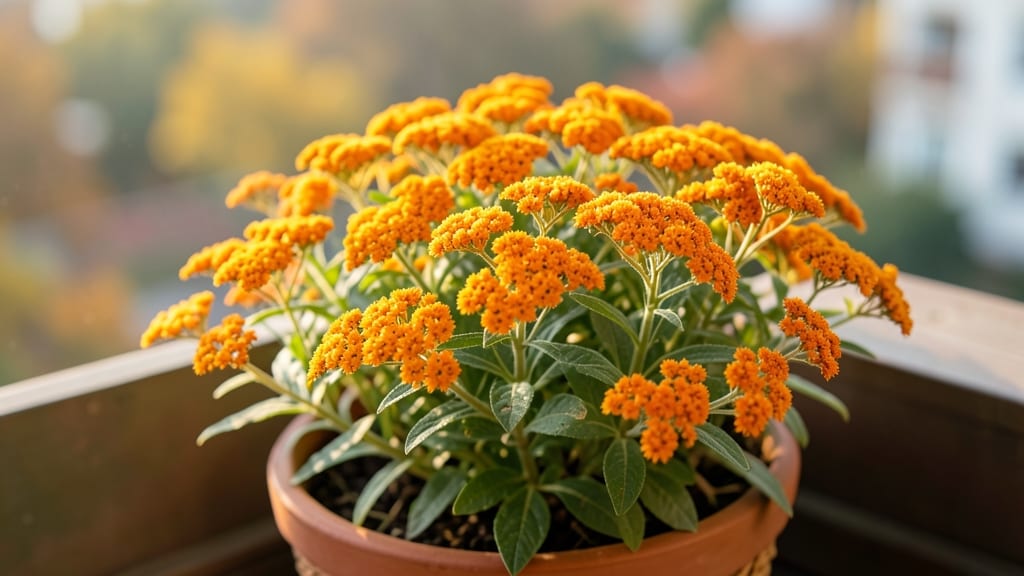
Fall gardens don’t have to fade into brown—these 10 fragrant wildflowers bring vibrant color, sweet scents, and pollinator support when most blooms have vanished. Perfect for cottage gardens, meadows, or containers, they thrive where others struggle.
Goldenrod: Pollinator Magnet with Late-Season Gold
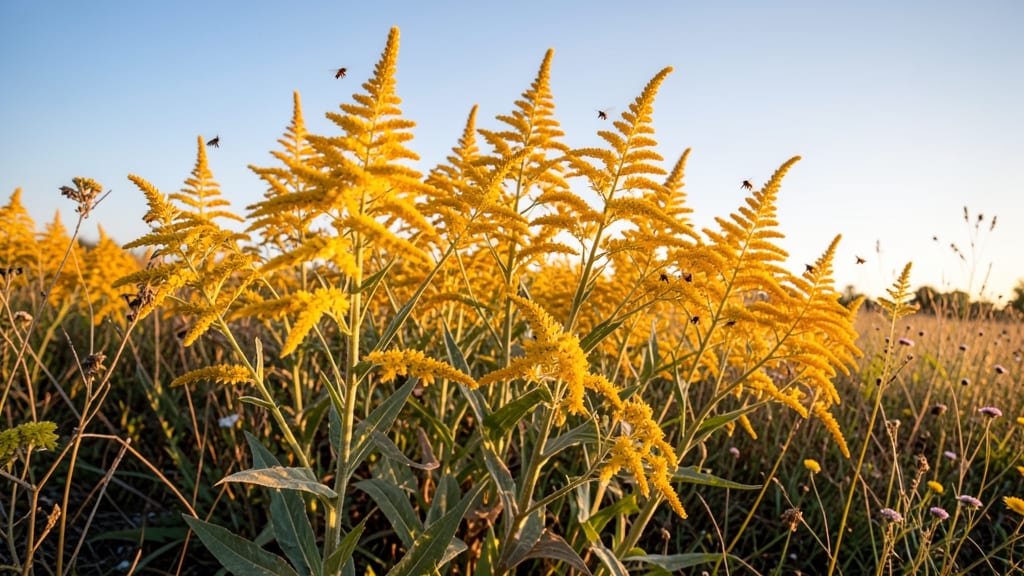
When your garden seems to lose its luster as summer fades, goldenrod steps in like a golden superhero—its bright plumes lighting up sunny borders just as bees and butterflies need nectar most. This hardy wildflower thrives in dry, sunny spots where other plants wilt, making it a secret weapon for late-season color and pollinator support.
Goldenrod’s feathery blooms appear from late summer through October, providing food for bees and butterflies when resources are scarce. It’s drought-tolerant, thriving in poor soil and full sun, and reaches heights of 2-5 feet, perfect for borders or wildflower meadows. Just avoid cutting it back until spring—those dried stems add winter interest.
This low-maintenance beauty is ideal for beginner gardeners or anyone with sunny, dry patches. Plant it in clusters for maximum impact, and watch your garden buzz with life well into autumn. 🌻
Asters: Purple-Domed Blooms for Butterflies
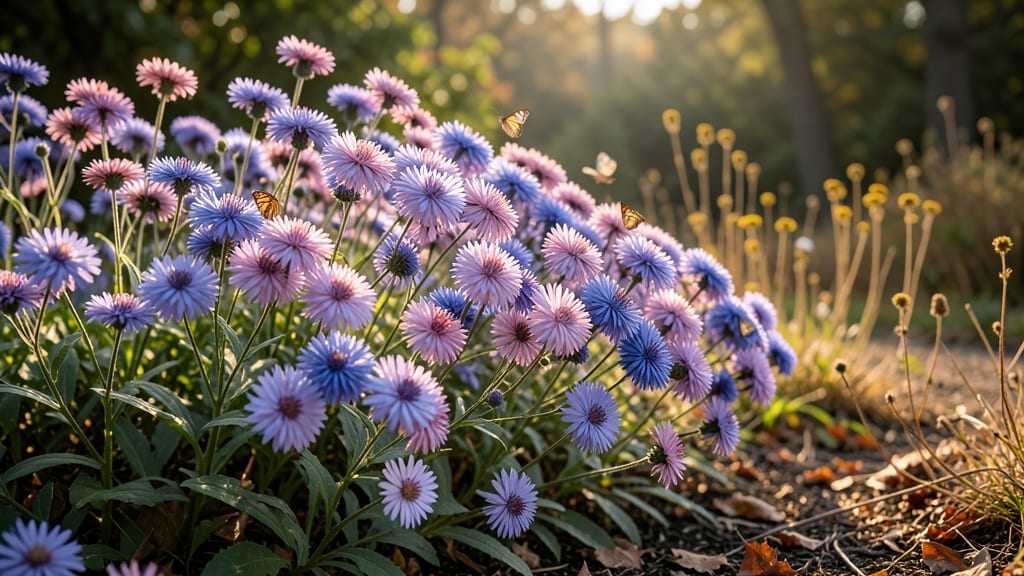
When your garden starts to fade in late autumn, asters step in as nature’s last hurrah—bursting into lavender, pink, and blue star-shaped blooms that butterflies can’t resist. Unlike sun-loving goldenrod, these hardy perennials thrive in partial shade, making them perfect for shady borders or woodland gardens where few other flowers bloom.
Plant asters in well-drained soil from early spring to midsummer for a fall display that lasts until frost. Their daisy-like flowers provide late-season nectar for monarchs and other pollinators, while their upright stems add structure to mixed borders. Varieties like ‘Alma Potschke’ (deep purple) or ‘Mary Douglas’ (soft pink) offer height and color when most gardens are winding down.
For gardeners with limited sun or late-season color needs, asters are a low-maintenance powerhouse—just cut back faded stems in early spring to keep them tidy. 🌷
Black-Eyed Susan: Cheerful Yellow Sunflowers
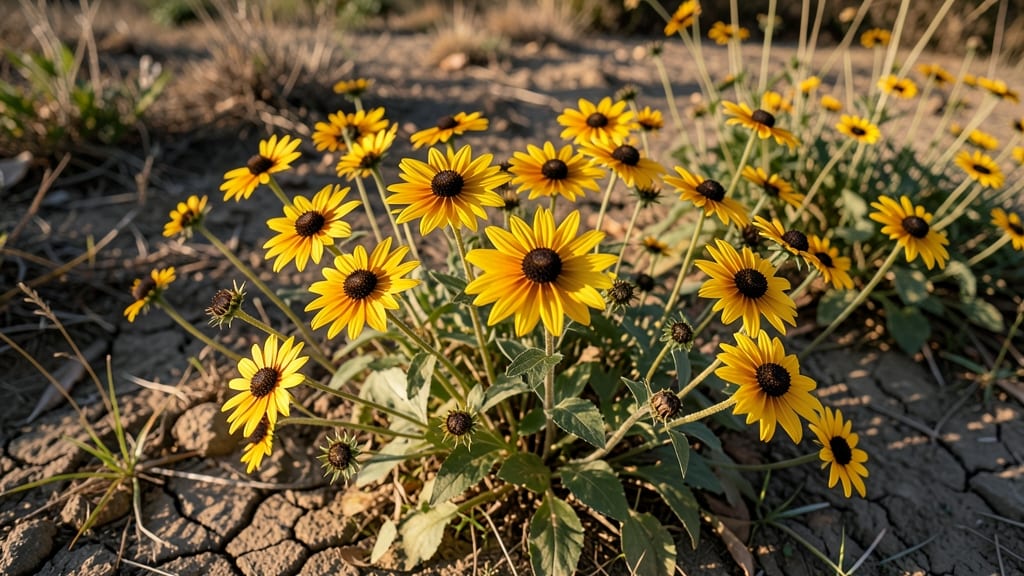
Skip the fuss of finicky fall flowers—black-eyed Susans are the unsung heroes of the season, blooming effortlessly in poor soil and drought conditions where others wilt.
These cheerful daisy-like blooms thrive in full sun to partial shade, producing vibrant yellow petals with dark centers from mid-summer through frost. Birds adore their seeds, making them a natural wildlife magnet, while their low-maintenance nature means you’ll spend more time admiring them than tending to them.
Ideal for beginners or busy gardeners, black-eyed Susans bring color to wildflower meadows, borders, or even containers with minimal effort—just plant and watch them shine. 🌻
Joe-Pye Weed: Towering Purple-Pink Giants
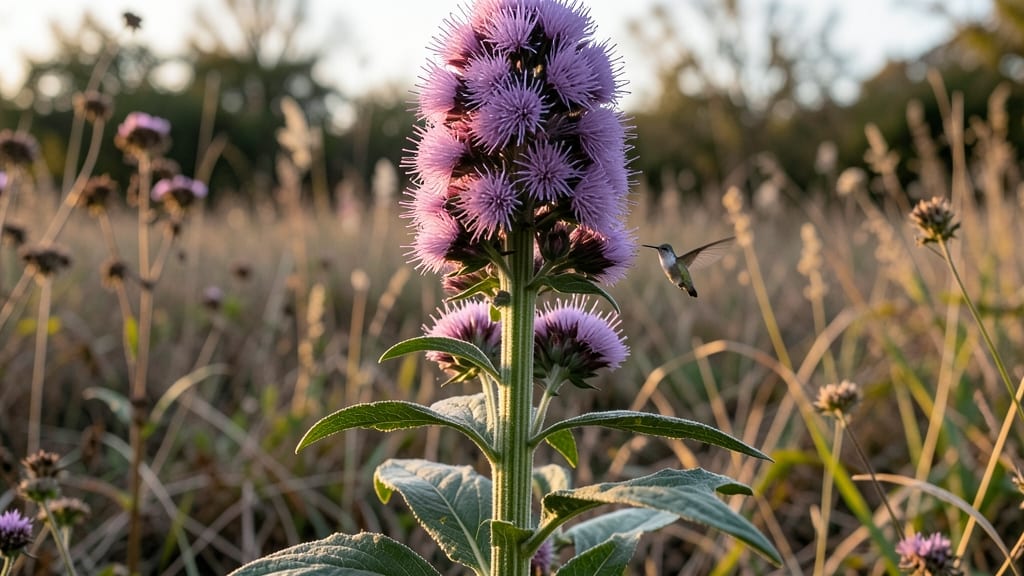
When your garden feels like it’s winding down for the season, Joe-Pye weed steps in as a dramatic, late-season superhero. These 6-foot-tall purple-pink giants burst into bloom in August and September, just when other wildflowers are fading, offering a stunning vertical focal point that hummingbirds and monarchs can’t resist.
Thriving in moist, slightly acidic soils, Joe-Pye weed is perfect for wetter garden edges, rain gardens, or near ponds—places where many plants struggle. Its fragrant blooms attract pollinators for weeks, and its coarse, hairy stems add texture to borders. Deadhead spent flowers to encourage more blooms, but leave some for winter interest and seed-eating birds.
This hardy perennial is ideal for gardeners with sunny, damp spots who want to extend their pollinator season. It’s also a great choice for cottage gardens or meadows where you want to create a wild, natural look without sacrificing beauty. 🌻
Queen Anne’s Lace: Delicate Lace-Like White Flowers
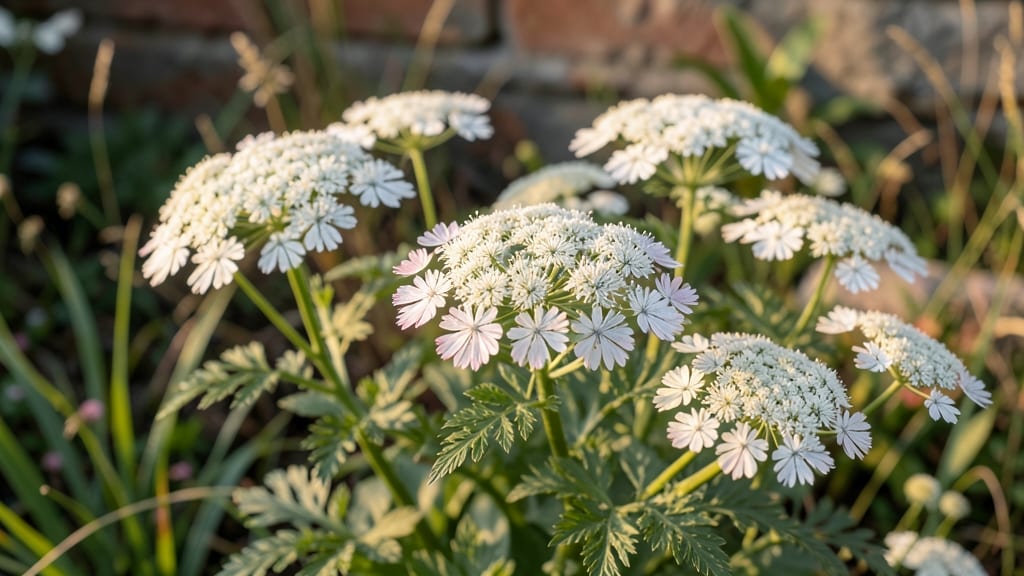
If you crave a wildflower that looks like it was plucked from a vintage botanical illustration, Queen Anne’s lace delivers with its delicate, lace-like white blooms. This airy beauty thrives in full sun to partial shade and adds a dreamy, ethereal touch to cottage gardens or dried arrangements.
Native to meadows and open woodlands, it’s surprisingly low-maintenance—just give it well-drained soil and occasional watering once established. The tiny red-tipped centers (a telltale sign of its wild carrot relative) add subtle contrast, while its feathery foliage provides texture. It’s a magnet for beneficial insects like hoverflies and ladybugs, making it a stealthy ally against garden pests.
Perfect for gardeners who love romance without the fuss, this wildflower also doubles as a bouquet filler—simply snip stems and let them dry upside down for lasting beauty. 🌿
Smooth Asters: Fragrant Lavender Clusters
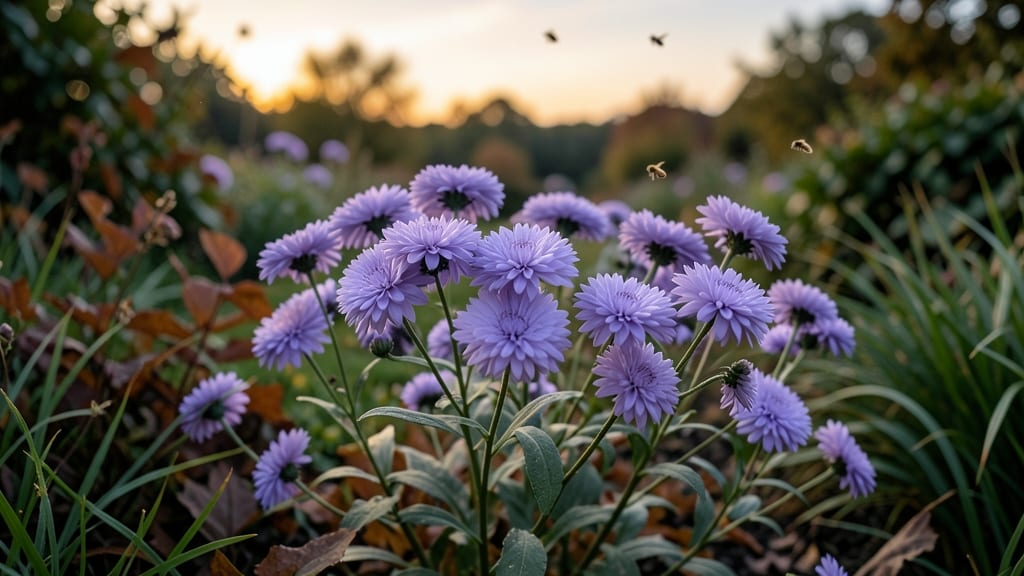
Transform your garden into an evening retreat with smooth asters, whose fragrant lavender clusters release a sweet vanilla-like scent as dusk falls. Unlike their daytime counterparts, these heirloom varieties like ‘Professor Anton Kippenberg’ are designed to perfume the air when bees and butterflies are most active, creating a magical twilight experience.
Plant them in full sun to partial shade where they’ll thrive in average to moist soil, and enjoy blooms from late summer through frost. Their delicate petals attract pollinators like monarchs and honeybees, while their compact 2-4 foot stature makes them perfect for borders or containers. For best results, deadhead spent blooms to encourage more flowers and prevent self-seeding where you don’t want it.
These low-maintenance perennials are ideal for gardeners who want fragrance without the work of roses, and their late-season blooms provide color when many gardens are winding down. 🌷
Blanket Flower: Bold Red-Orange Wildflowers
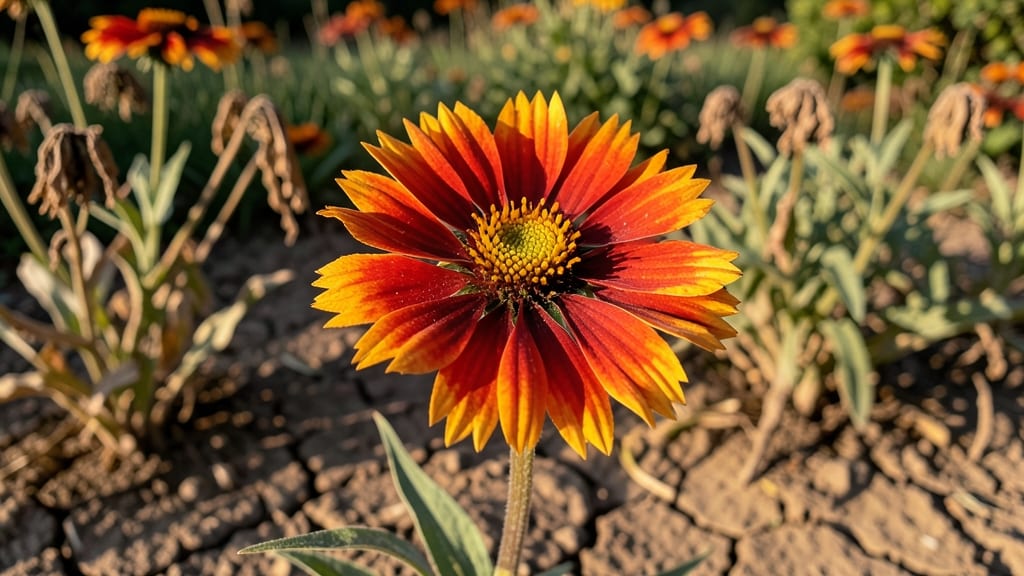
When your garden seems to fade into dullness as summer ends, blanket flower (Gaillardia) steps in like a bold splash of paint. These fiery red-orange blooms thrive in the heat and drought that send other plants wilting, making them the unsung hero of late-season color.
Plant them in full sun with well-draining soil, even rocky or sandy patches where most wildflowers refuse to grow. Their daisy-like flowers attract bees and butterflies while resisting deer and rabbits. With proper spacing, they self-seed reliably, creating cheerful meadows with minimal effort. Cut back spent blooms to encourage more flowers until frost.
Perfect for urban gardens, native plantings, or pollinator-friendly borders, blanket flower proves that vibrant fall color doesn't require perfect soil—just sun and a little space. 🌻
Russian Sage: Silvery Purple Spikes
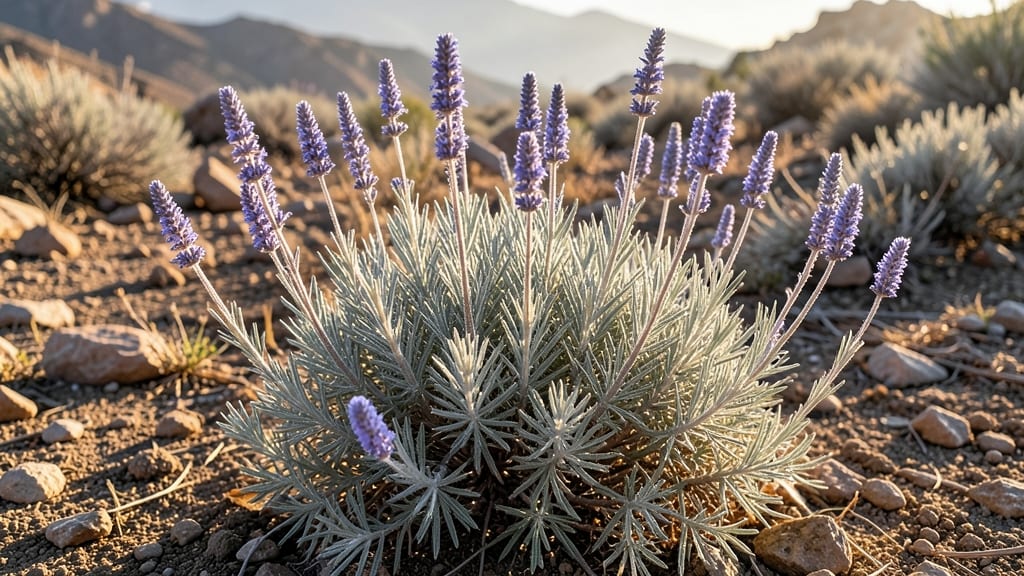
When deer and rabbits are ravaging your garden, Russian sage stands tall with its silvery foliage and lavender-blue spikes, acting as a natural repellent while adding drama to fall borders. This hardy perennial thrives in full sun and well-drained soil, making it ideal for dry, rocky spots where other plants struggle.
The aromatic leaves release a subtle fragrance when brushed, and its drought-tolerant nature means less watering once established. Plant it in clusters for maximum impact, or pair it with blanket flowers for a bold color contrast. Its late-summer to fall bloom period ensures your garden stays vibrant long after other wildflowers fade.
Perfect for cottage gardens, meadows, or even containers, Russian sage is a low-maintenance workhorse that keeps pests away while attracting beneficial insects. 💚
Cup Plant: Unique Cup-Shaped Blooms
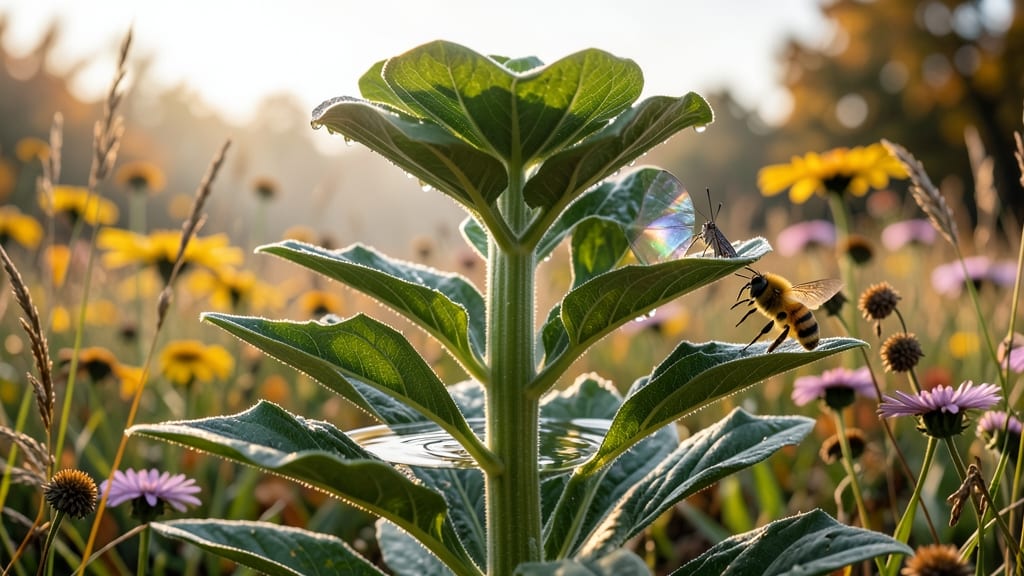
If you’re looking for a wildflower that doubles as a tiny pollinator watering hole, cup plant (Silphium perfoliatum) is your answer. Its large, cup-shaped blooms naturally collect rainwater, giving bees and butterflies a quick sip during dry spells—ideal for late-season gardens when resources are scarce.
This native North American beauty thrives in moist soils and reaches 5-7 feet tall, making it perfect for wetter garden edges or near ponds. The deep green leaves grow in pairs that appear fused at the base, creating a striking architectural look. Plant it in full sun to partial shade for the best blooms, and watch as it becomes a magnet for pollinators.
Gardeners with ponds, streams, or soggy corners will love cup plant’s ability to thrive where others fail. Its bold height and unique form also make it a standout in cottage gardens or meadows. 🌟
Goldenrod ‘Fireworks’: Compact Orange Clusters

If you’ve ever wished for a goldenrod that fits neatly in containers or small gardens, ‘Fireworks’ is your answer. This compact variety replaces towering stalks with clusters of bright orange blooms that pack a punch in tight spaces—perfect for urban balconies or cottage garden corners.
Unlike its tall cousins, ‘Fireworks’ goldenrod thrives in hot, dry conditions and reaches just 18–24 inches tall, making it ideal for USDA zones 3–9. Its dense, fiery blooms attract late-season pollinators like bees and butterflies, while its drought tolerance means less watering for you. Plant it in well-drained soil with full sun for the most vibrant display.
This is the perfect choice for gardeners with limited space who still want bold autumn color. Pair it with other fall wildflowers like asters or blanket flower for a fiery container combo. 🌻