
Blooming
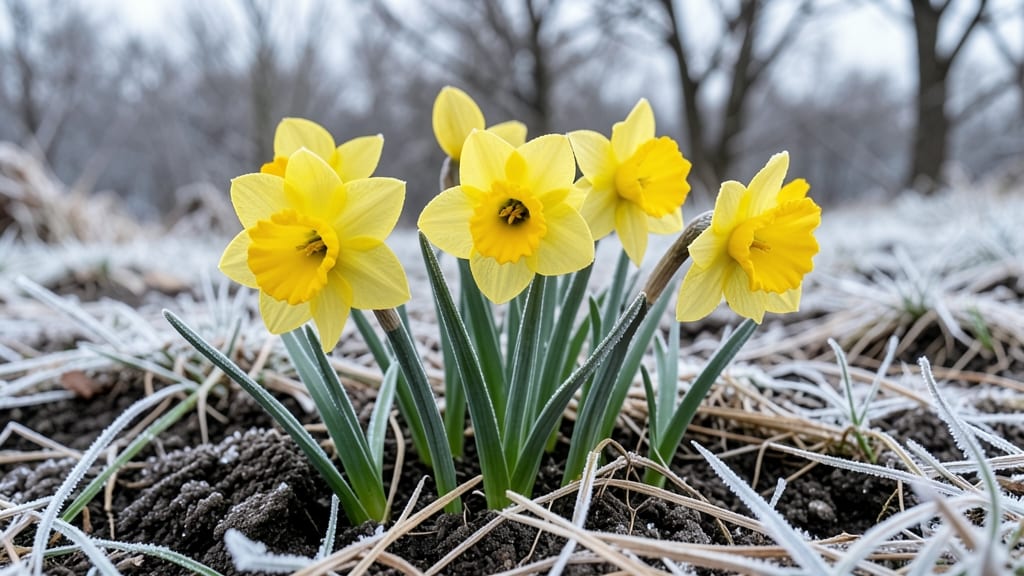
Winter doesn’t have to mean a dormant garden. These 10 cold-hardy plants defy frost, adding vibrant color and life to your outdoor space even when temperatures drop. Perfect for gardeners who refuse to let winter steal their green thumb!
Hellebore Winter Rose for Year-Round Elegance
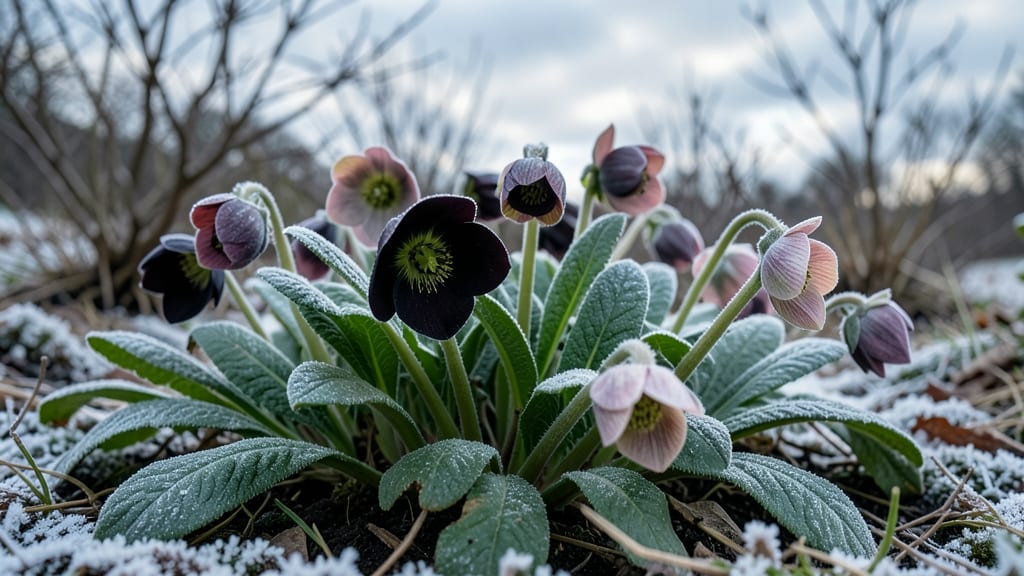
When the garden seems asleep under frost, hellebores—also called winter roses—punch through the cold with their elegant, nodding blooms. These shade-loving perennials often flower as early as late December, offering a rare splash of color when most plants are dormant.
With deer-resistant foliage and minimal care needs, hellebores thrive in partial to full shade, making them perfect for woodland gardens, under trees, or north-facing beds. Their evergreen leaves provide year-round interest, while their long-lasting blooms (from winter into spring) reward patience with subtle beauty. Simply mulch around the base in fall to protect roots from freeze-thaw cycles.
This is the ideal plant for gardeners who want low-maintenance winter elegance without sacrificing beauty. 🌱
Snowdrops Galanthus for Early Winter Cheer
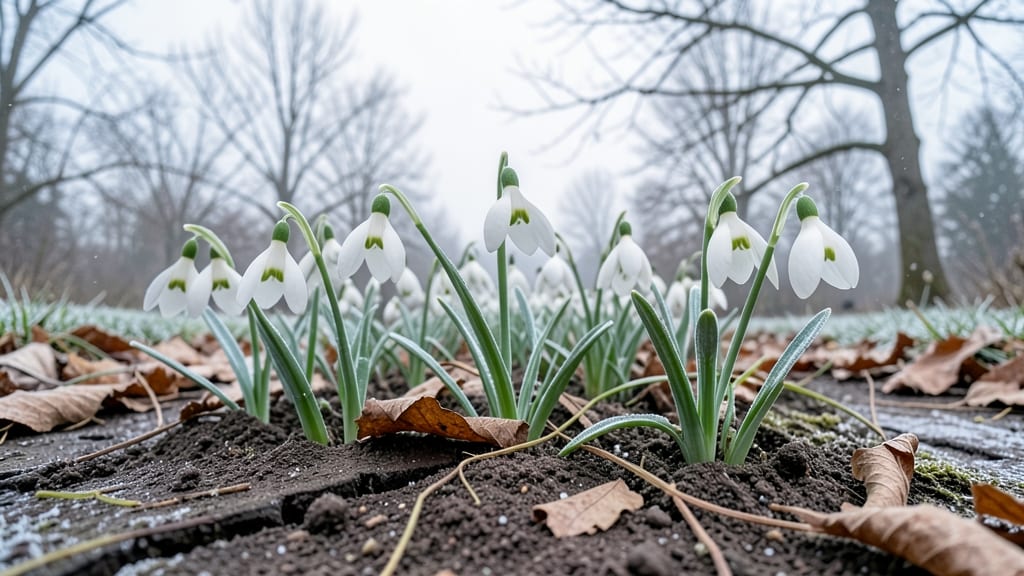
When the ground is still frozen and most gardens lie dormant, snowdrops (Galanthus) emerge like tiny messengers of spring, their delicate white blooms peeking through the cold. These hardy perennials are nature’s way of reminding us that winter’s grip isn’t permanent—and they’re easier to grow than you’d think.
Plant snowdrops in fall under deciduous shrubs or in woodland gardens where they’ll thrive in partial to full shade. Their toxic foliage deters deer and rabbits, making them a low-maintenance choice. Once established, they multiply quickly, creating lush colonies that bloom for 3-4 weeks in late winter, often before snow has fully melted.
Perfect for woodland gardeners or those with shaded borders, snowdrops bring early color without demanding attention. Their symbolism of hope makes them a favorite for memorial gardens too. 🌱
Winter Jasmine for Sunny Climbing Beauty
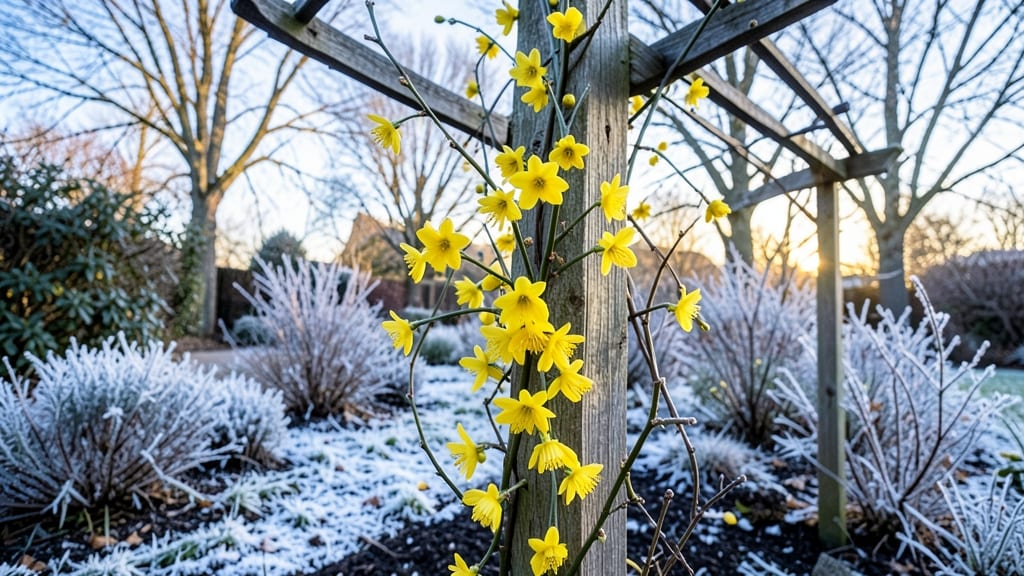
When your garden looks like a winter monochrome, winter jasmine bursts onto the scene with bright yellow blooms that appear before leaves—a cheerful contrast to frosty landscapes. This deciduous climber thrives in full sun, making it ideal for sunny fences, arbors, or trellises where it can showcase its cascading habit.
Plant it in well-drained soil and provide support early, as it grows quickly once established. Prune after flowering to encourage denser growth, and enjoy its late-winter to early-spring display before summer foliage takes over. The fragrant flowers also attract pollinators, adding ecological value to your winter garden.
Perfect for urban gardeners with limited space or those wanting to brighten up a blank wall, winter jasmine proves that winter doesn’t have to be dull. 🌻
Crocus Vernal Flowers for Bold Winter Color
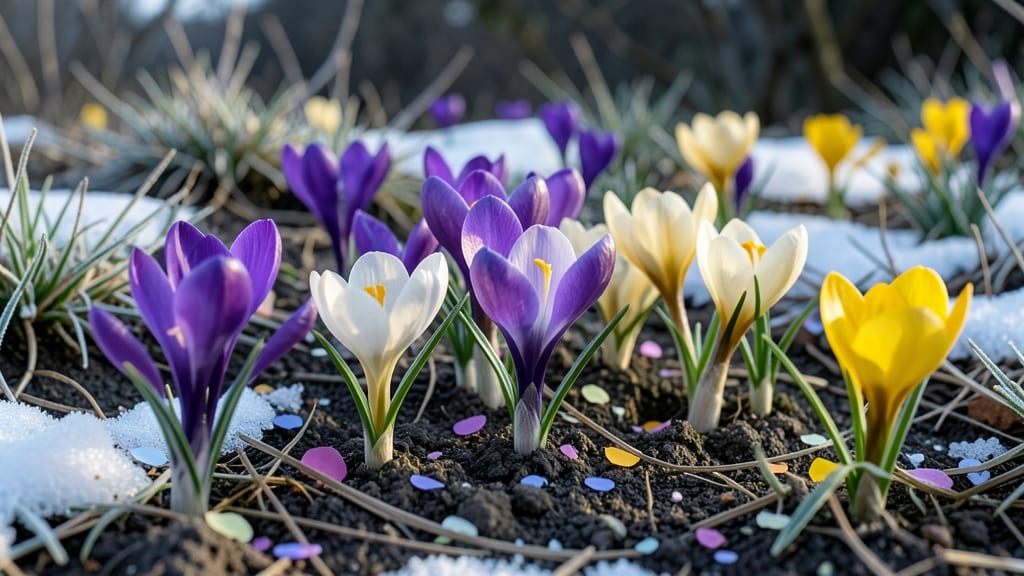
Tired of gray winter landscapes? Crocus vernal flowers burst onto the scene like tiny bursts of sunshine as soon as snow melts, offering purple, white, or golden-yellow blooms that brighten lawns and borders effortlessly.
These fast-growing bulbs thrive in full sun to partial shade and are deer-resistant, making them a low-maintenance choice for busy gardeners. Plant them in fall for early winter blooms, and enjoy their cheerful faces popping up through frost. They’re perfect for naturalizing under trees or edging garden paths.
Ideal for beginner gardeners or anyone craving instant winter color, crocuses prove that cold seasons can be just as vibrant as spring. 🌱
Dwarf Iris for Frost-Resistant Purple Blooms
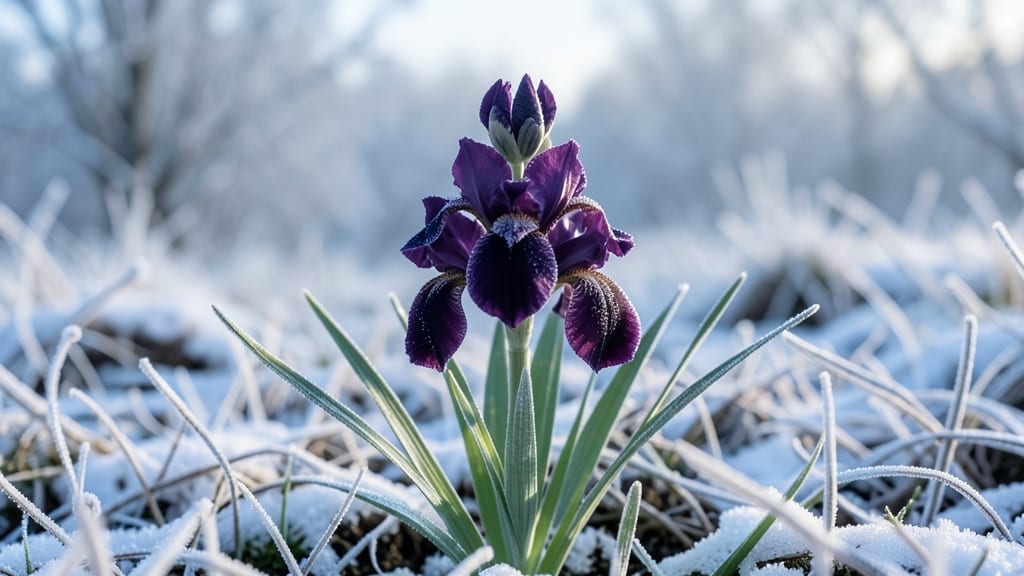
When you crave bold winter color that refuses to fade, dwarf iris delivers with its deep purple blooms that stand out against snow and frost. Unlike their larger cousins, these compact perennials thrive in cold climates, often blooming from late winter through early spring when most gardens are still dormant.
Plant them in full sun to partial shade with well-draining soil, and they’ll reward you with clusters of 3-5 flowers per stem. Their rhizomatous roots spread slowly, making them ideal for rock gardens or edging borders where space is limited. Mulch heavily in fall to protect roots from freeze-thaw cycles, and you’ll enjoy year-round foliage interest even after blooms fade.
Perfect for gardeners in USDA zones 3-9, dwarf iris adds drama without the upkeep of taller perennials. Their late-winter blooms create a striking contrast against evergreens. ✨
Winter Aconite for Sunny Meadows
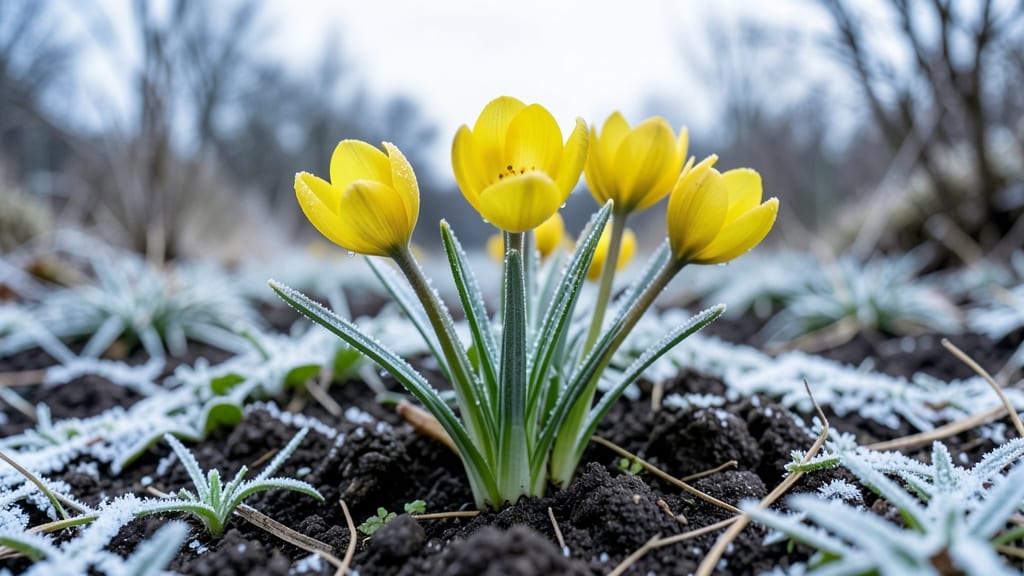
If you crave a burst of sunshine when winter feels endless, winter aconite (Eranthis hyemalis) delivers with its bright yellow, cup-shaped blooms that appear as early as February—often while snow still lingers. This cheerful little plant thrives in full sun to partial shade, making it ideal for sunny meadows, rock gardens, or even woodland edges where it self-seeds reliably for years of effortless color.
Unlike many winter bloomers, winter aconite prefers well-drained soil and tolerates dry conditions once established, though it benefits from spring mulch to retain moisture. Its toxic foliage (due to ranunculin) deters deer and rabbits, while its compact 4-6 inch height fits neatly into borders or containers. Plant bulbs in fall at 2-3 inch depth for blooms that outshine early spring ephemerals.
Perfect for gardeners who love low-maintenance, self-sustaining plants that brighten early seasons—this is the secret weapon for sunny spots where other winter bloomers struggle. ✨
Lenten Rose for Late Winter Drama
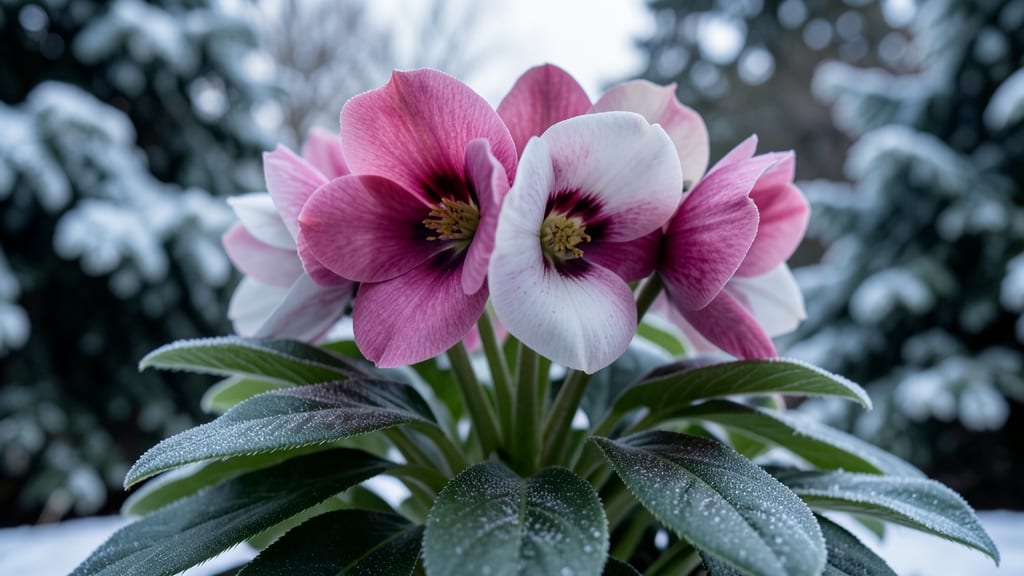
When you crave a dramatic winter statement that outshines frost-kissed evergreens, the Lenten Rose (Helleborus lentenus) delivers with its bold, cup-shaped blooms in deep pink or pristine white. Unlike its woodland cousin, this variety thrives in partial shade while still demanding attention with its striking, long-lasting flowers that appear in late winter to early spring—just when your garden needs a pick-me-up.
This evergreen perennial (zones 4-9) tolerates dry shade once established, making it perfect for urban gardens with limited sunlight or shaded borders. Its glossy, leathery leaves provide year-round texture, while the 5-inch-wide flowers last 6-8 weeks. For best results, plant in well-draining soil and mulch heavily in fall—this protects roots during freeze-thaw cycles while encouraging robust blooms. Deadhead spent flowers to redirect energy to next year’s display.
Ideal for gardeners who want low-maintenance drama, Lenten Roses pair beautifully with ferns and hostas in shaded beds or as a focal point under trees. Their late-season bloom bridges the gap between winter dormancy and spring awakening, making them a standout for seasonal interest. 🌷
Winter Honeysuckle for Fragrant Climbing Vines
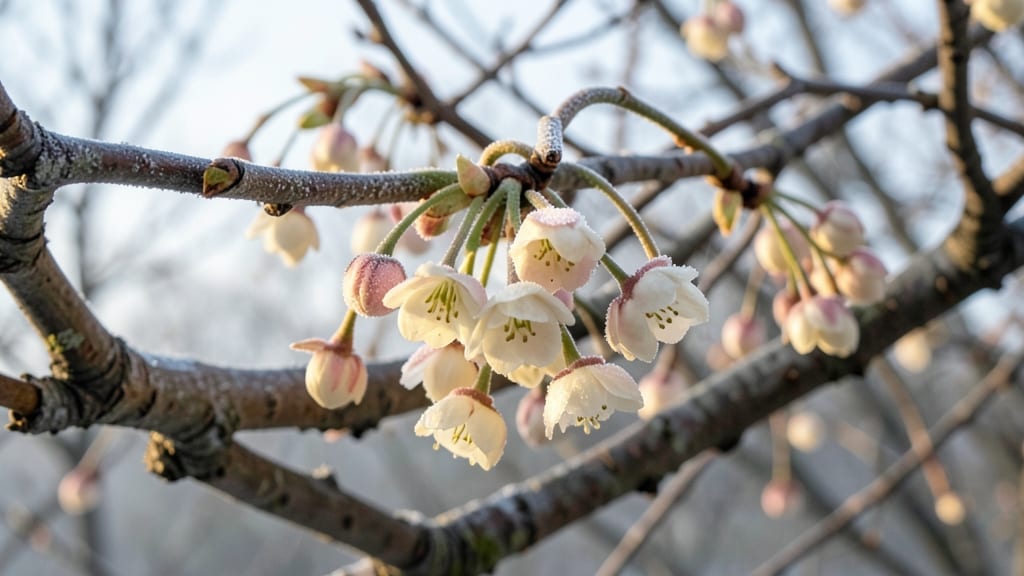
When you crave a fragrant escape from winter’s chill, winter honeysuckle (Lonicera fragrantissima) delivers with its delicate, sweetly scented flowers that bloom in late winter—often as early as January. Unlike its summer counterpart, this deciduous climber thrives in cold climates, making it a standout for gardeners who want vertical interest and sensory delight during the bleakest months.
Plant it near sunny trellises, arbors, or fences where its cascading growth can climb and its fragrance can drift indoors through open windows. The small, tubular yellow flowers appear before the leaves, creating a striking contrast against bare branches. Prune lightly after flowering to encourage bushier growth, and enjoy its intense honey-like scent that perfumes the air on crisp mornings.
This is the perfect choice for gardeners with limited space or those who want to transform a dull winter corner into a fragrant oasis. 🌿
Pansies for Colorful Winter Containers
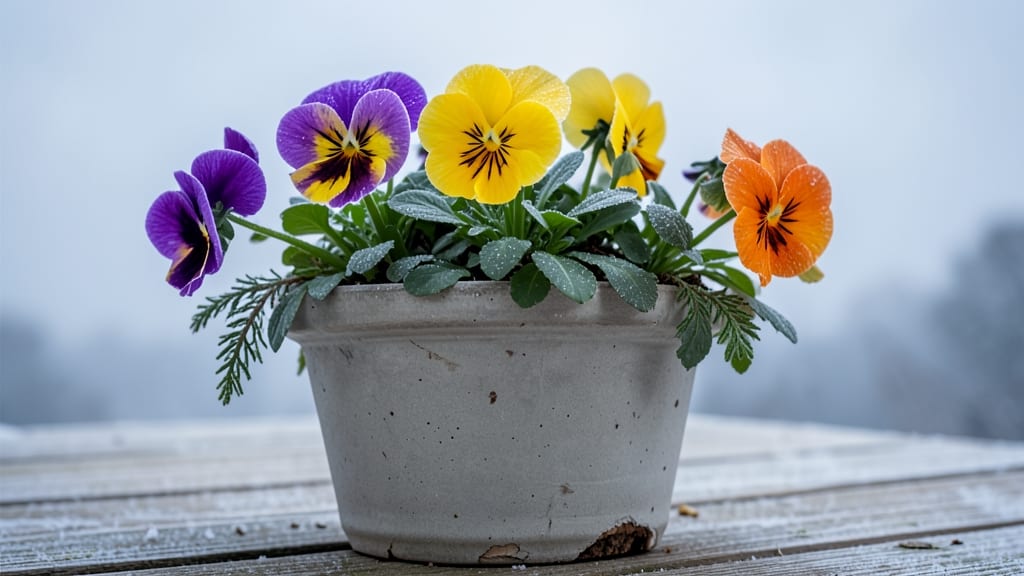
If you’ve ever thought winter containers were just for evergreens, think again—pansies are the secret weapon for year-round color in pots. These cheerful annuals thrive in USDA zones 3-11, blooming from fall through spring when most gardens are asleep, and their vibrant hues (purple, yellow, orange, and white) brighten patios even in snow.
Plant them in well-draining potting mix with a slow-release fertilizer, and place containers where they’ll get 4-6 hours of sun daily. Water when the top inch of soil feels dry, and deadhead spent blooms to encourage nonstop flowers. For extra protection, wrap pots in burlap or use heat mats during extreme cold snaps—pansies will reward you with months of blooms that outshine winter’s gray days.
Perfect for urban balconies, patios, or small spaces, pansies are the easiest way to turn winter containers into a living rainbow. 💚
Winter Daffodils for Classic Spring Preview

When you need a bold winter statement that feels like spring’s first whisper, winter daffodils deliver with their bright yellow trumpets that defy frost and deer. Unlike their spring-blooming cousins, these hardy perennials often appear as early as February, offering a cheerful contrast to icy landscapes when most gardens are still dormant.
Plant winter daffodils in full sun to partial shade with well-draining soil, and they’ll reward you with clusters of 3-5 blooms per stem that last for weeks. Their toxic foliage deters deer and rabbits, making them a low-maintenance choice for borders, rock gardens, or even under deciduous trees. For best results, mulch heavily in fall to protect bulbs from freeze-thaw cycles—then sit back and enjoy their frost-resistant beauty.
Perfect for gardeners in USDA zones 3-9, these daffodils are the ultimate early-season confidence booster, proving that winter can be just as vibrant as spring. 🌱