
Blooming
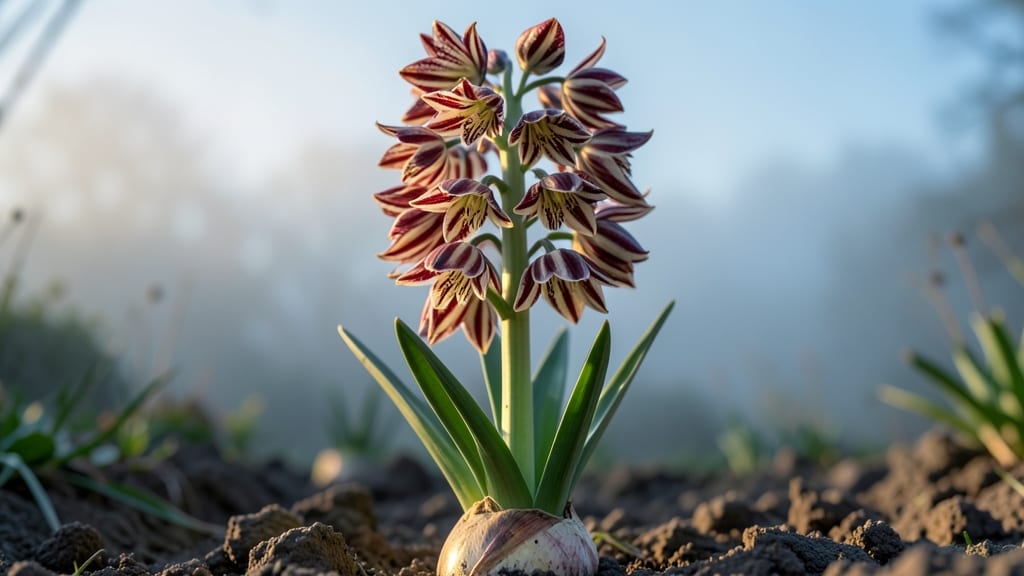
Watching the first blooms of spring emerge is one of gardening's greatest rewards. Timing these early flowers correctly depends on your hardiness zone and plant type—this guide breaks down the best species to plant, when to expect blooms, and how to optimize their success.
Crocus Flowers for Early Ground Cover
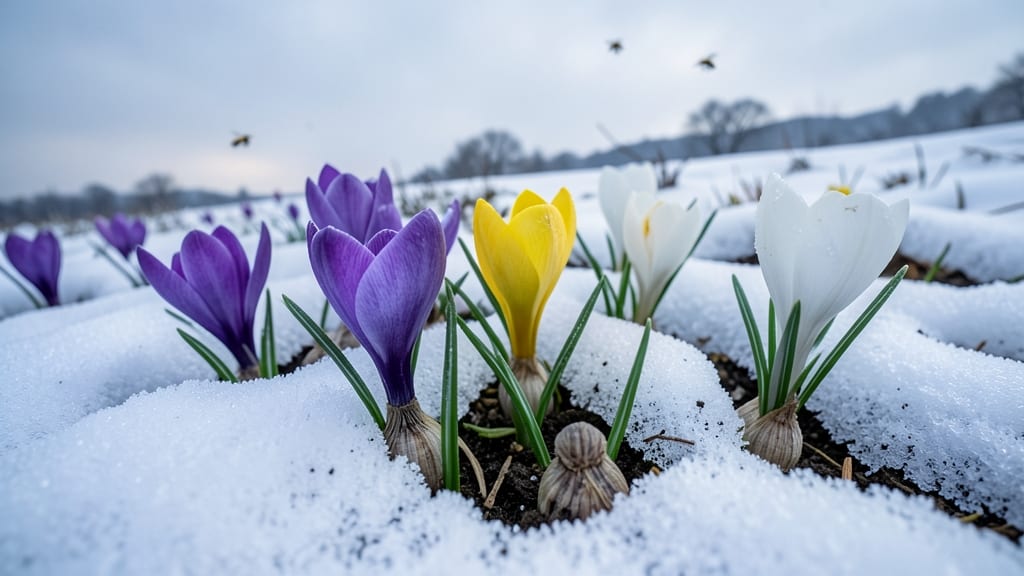
There’s nothing quite like spotting crocus flowers pushing through snow—these hardy perennials are nature’s first sign that spring is on the way. Thriving in zones 3-8, they bloom weeks before most plants, offering vibrant color and a lifeline for early pollinators like bees.
Plant crocus bulbs in fall (October-November) for blooms as early as February or March, depending on your zone. They prefer full sun to partial shade and well-draining soil, making them ideal for rock gardens, lawns, or under deciduous trees. Their low-growing habit creates a natural ground cover that suppresses weeds while adding cheerful color.
Gardeners in cold climates will love how crocus flowers emerge even when snow still blankets the ground, offering instant spring vibes. Perfect for beginners or anyone wanting low-maintenance early blooms! 🌱
Daffodils in Full Sun Beds
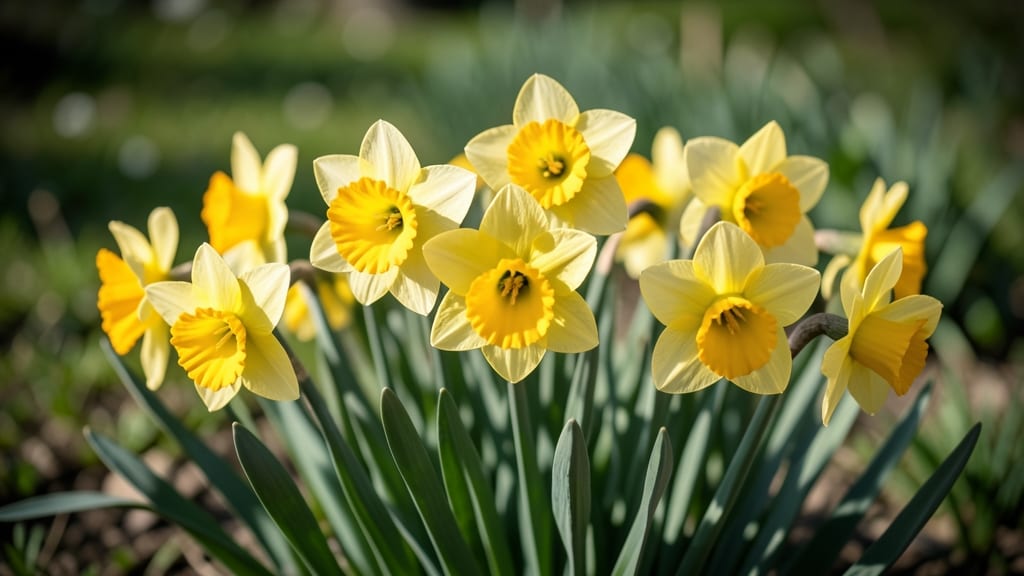
When you crave a bold splash of color that announces spring’s arrival with confidence, daffodils deliver—blooming reliably in zones 3-10 and thriving in full sun where other bulbs might fade. Their cheerful faces appear just 4-6 weeks after planting, making them the perfect bridge between winter’s end and summer’s warmth.
Plant bulbs in well-draining soil 6-8 inches deep in fall for early blooms, and choose varieties like Jonquil or Ice Follies for cutting gardens. For indoor forcing, dig up bulbs in late fall and pot them in gravel—you’ll have vase-ready stems by Valentine’s Day. Their deer-resistant foliage also makes them a low-maintenance choice for sunny borders.
These versatile bulbs reward both beginners and experienced gardeners with minimal effort, offering both garden beauty and fresh-cut arrangements. 🌻
Snowdrops for Shady Woodland Gardens
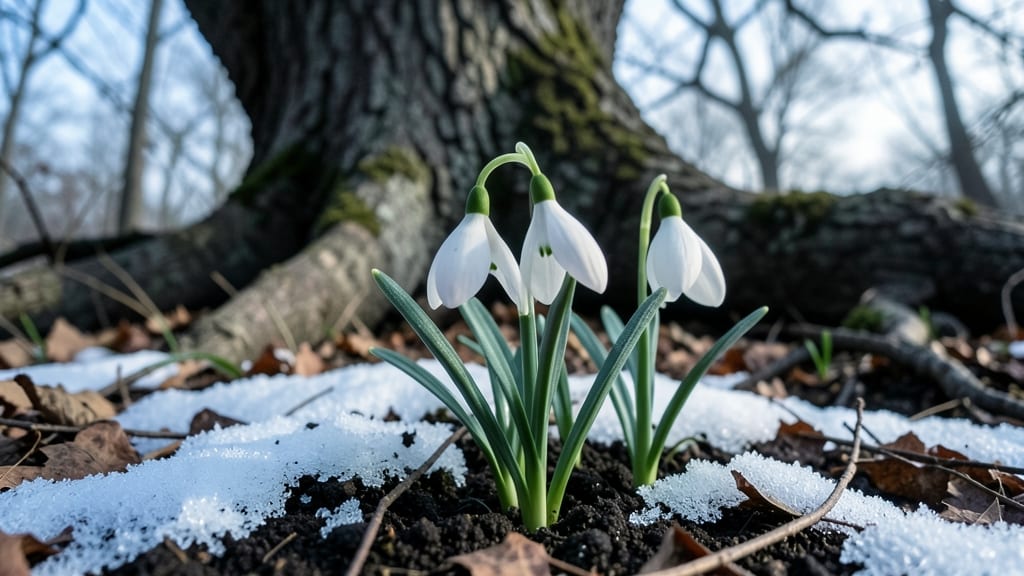
When other spring blooms still sleep beneath the soil, snowdrops (Galanthus) push through snow and ice in zones 4-9, offering a whisper of hope to shaded woodland gardens. These delicate white flowers thrive where sunlight barely reaches, making them ideal for naturalizing under trees where ferns and hostas eventually dominate.
Plant bulbs in fall or early winter (4-6 inches deep) for the earliest blooms, often appearing as early as January. They prefer moist, well-draining soil and tolerate dry shade once established, though they’ll reward you with more blooms in partial shade. Snowdrops multiply quickly—just leave the foliage until it yellows to fuel next year’s display.
Perfect for woodland gardeners, shade enthusiasts, and those seeking low-maintenance beauty, snowdrops create a magical carpet of blooms that brighten even the darkest corners. 🌱
Pansies in Container Gardens
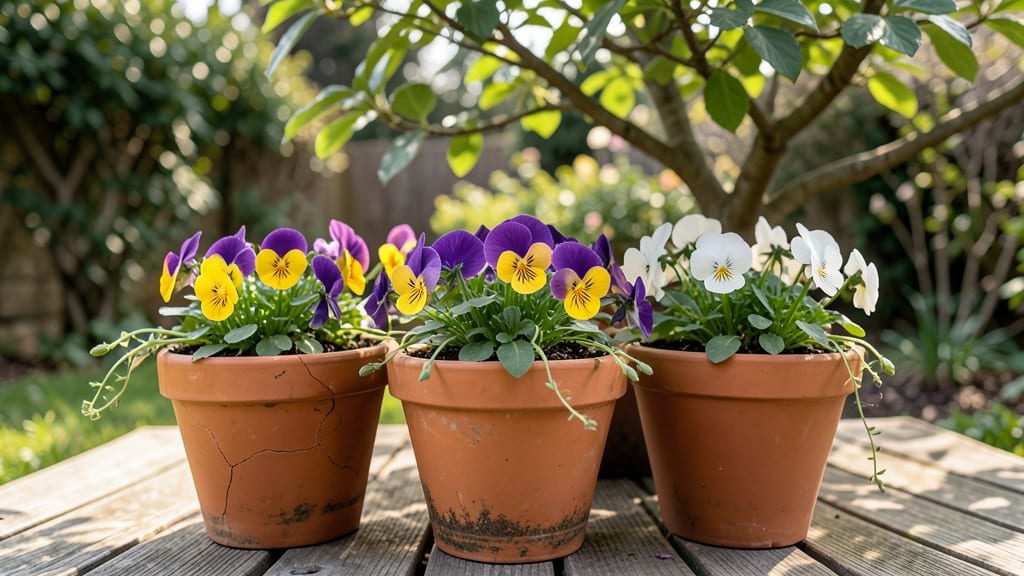
Want to extend your patio's spring color show without digging into the ground? Pansies are the secret weapon for container gardens, delivering cheerful blooms from the first warm days until frost in zones 7-10.
These cool-season annuals thrive in partial sun to light shade and prefer well-draining soil mixed with compost. Choose compact varieties like 'Matrix' or 'Sorbet' for window boxes, and deadhead spent blooms to encourage nonstop flowering. Their frost tolerance means you'll enjoy vibrant color even when other plants are still dormant.
Perfect for balconies, porches, or small spaces, pansies bring instant curb appeal with minimal effort. Urban gardeners and renters will love how they transform any surface into a living spring display. 🌻
Bleeding Heart Vines for Vertical Interest
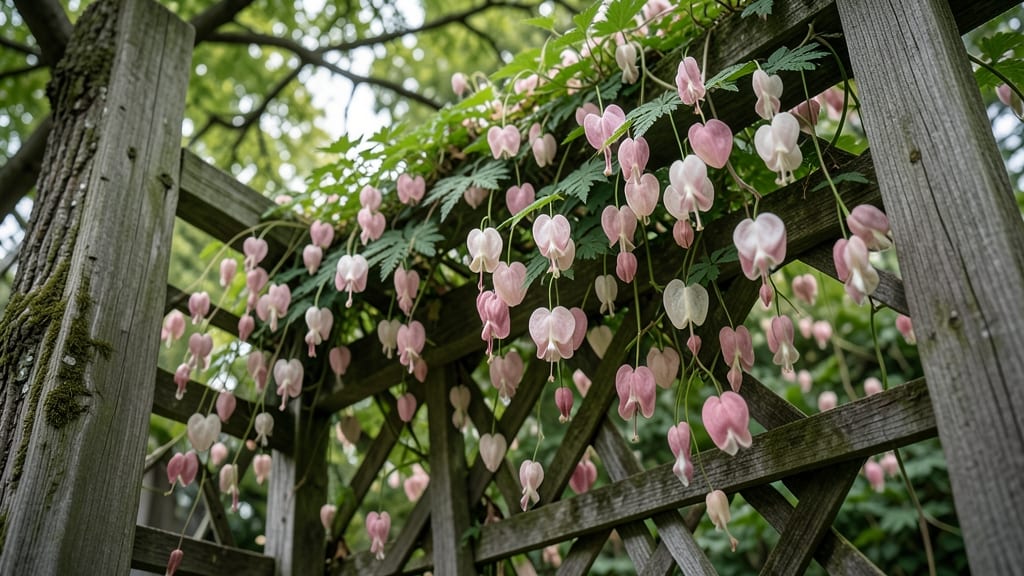
Transform shady corners into lush vertical gardens with bleeding heart vines (Dicentra spectabilis), a shade-loving perennial that thrives in zones 3-9 and blooms from late spring through summer. Their delicate, heart-shaped flowers cascade beautifully down trellises, arbors, or fences, creating a romantic focal point without competing for sun.
Plant these vines in well-draining soil enriched with organic matter, and provide partial to full shade (they tolerate morning sun but avoid harsh afternoon rays). Water consistently to keep the soil evenly moist, especially during their first growing season. With minimal pruning—simply cutting back dead foliage in late fall—you’ll enjoy year-round foliage interest and season-long blooms that hummingbirds adore.
Perfect for gardeners with limited space or shady spots, bleeding heart vines add dramatic vertical interest while requiring less maintenance than many flowering climbers. 🌷
Magnolia Trees for Early Season Fragrance
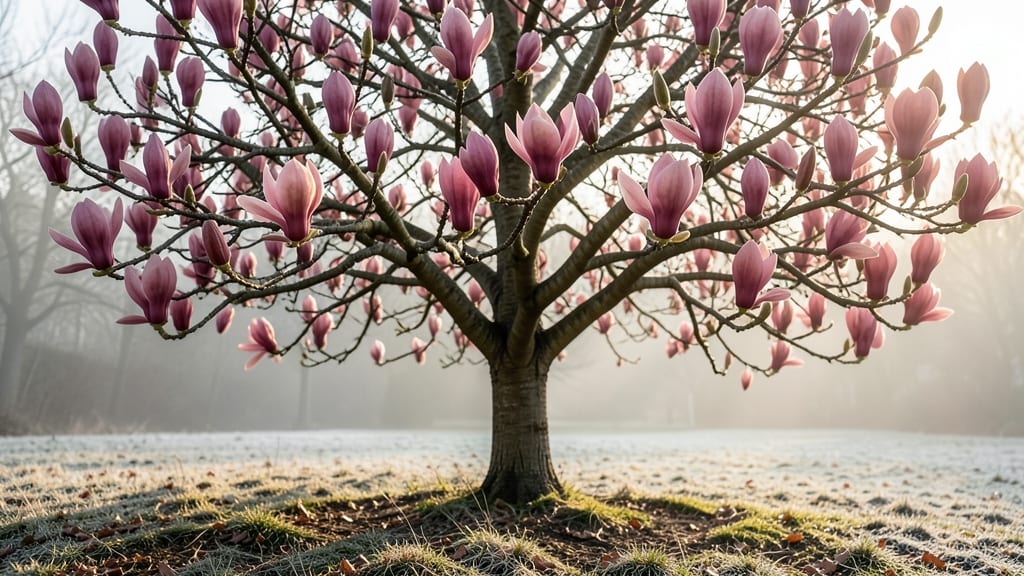
When you crave a garden that smells as stunning as it looks, magnolia trees deliver the ultimate early-season fragrance experience. These large shrubs or small trees bloom in zones 4-9 before leaves even appear, turning your landscape into a fragrant masterpiece as soon as late winter or early spring arrives.
Magnolias thrive in full sun to partial shade and prefer well-draining soil, making them versatile for both urban backyards and rural settings. Varieties like Saucer Magnolia or Star Magnolia produce dramatic, cup-shaped blooms in shades of pink, white, and purple, while their intoxicating scent—often compared to honey or citrus—attracts pollinators like bees and hummingbirds. Prune lightly after blooming to encourage next year’s flowers.
Perfect for gardeners who want year-round structure with seasonal drama, magnolias make striking focal points near patios or entryways. Their slow growth also means minimal maintenance once established. 🌷
Sweet Peas for Cutting Garden Blooms
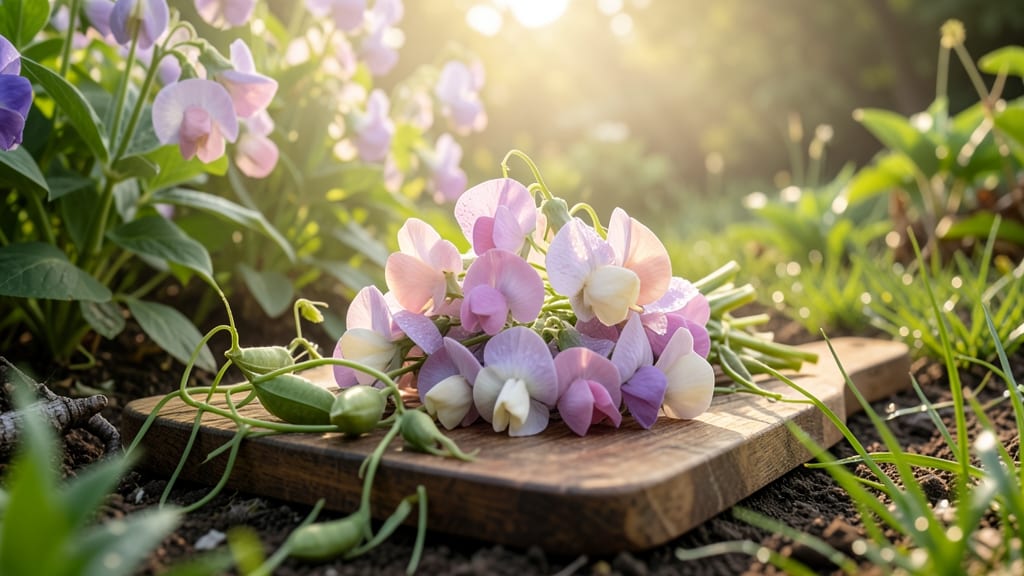
Craving fragrant, early spring blooms that double as stunning cut flowers? Sweet peas deliver both with their delicate, scented blossoms—ready for harvesting just 60-70 days after planting. This makes them one of the fastest annuals to transform your garden into a bouquet source.
Sow seeds directly in zones 5-10 as soon as soil is workable (or start indoors 4-6 weeks before last frost), training vines on trellises or arches for vertical drama. Their cool-season preference means they thrive in spring's mild temperatures, producing continuous blooms until summer heat arrives. For best results, deadhead regularly and provide consistent moisture—especially during flowering.
Perfect for beginner gardeners or urban spaces with limited room, sweet peas offer year-round value when you dry or preserve their flowers. Their intoxicating fragrance also makes them a pollinator magnet. 🌷
Hepatica for Woodland Understory Planting
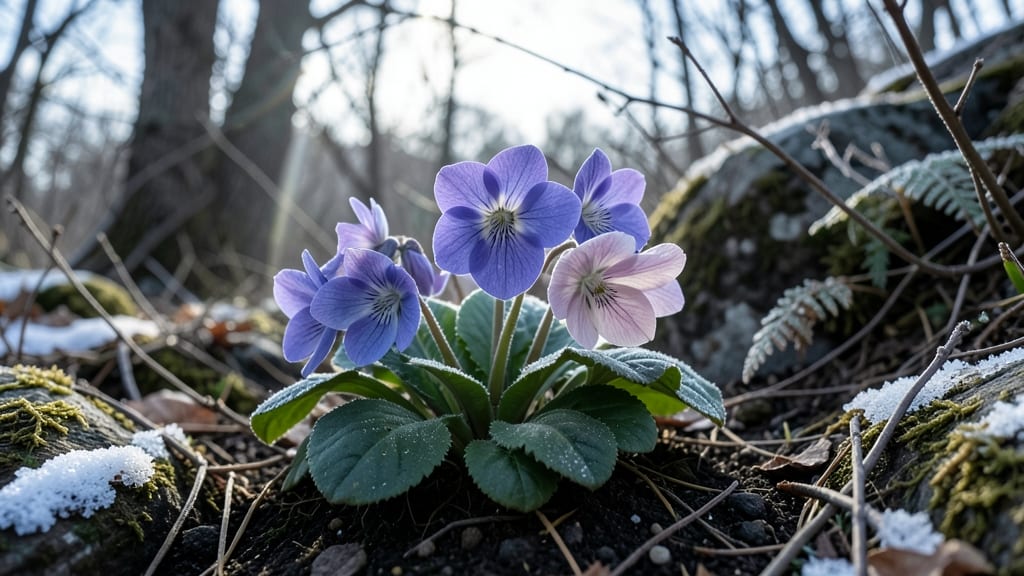
If you're looking to bring early color to your garden before most plants even think about leafing out, hepatica is your secret weapon. This native woodland wildflower blooms in zones 3-8 as early as February or March, often while the ground is still cold and other plants remain dormant.
Hepatica thrives in dry shade, making it perfect for understory planting beneath trees where few other flowers survive. Its delicate blooms in shades of blue, white, and pink appear before the foliage emerges, creating a stunning contrast against last year's leaf litter. Simply scatter seeds or divide clumps in fall for a low-maintenance, naturalized look that attracts early pollinators like bees.
This underappreciated gem is ideal for gardeners who want to extend their spring color palette without the fuss of sun-loving annuals. Perfect for woodland gardens, shade borders, or even as a ground cover under deciduous trees. 🌿
Lungwort for Moisture-Loving Borders
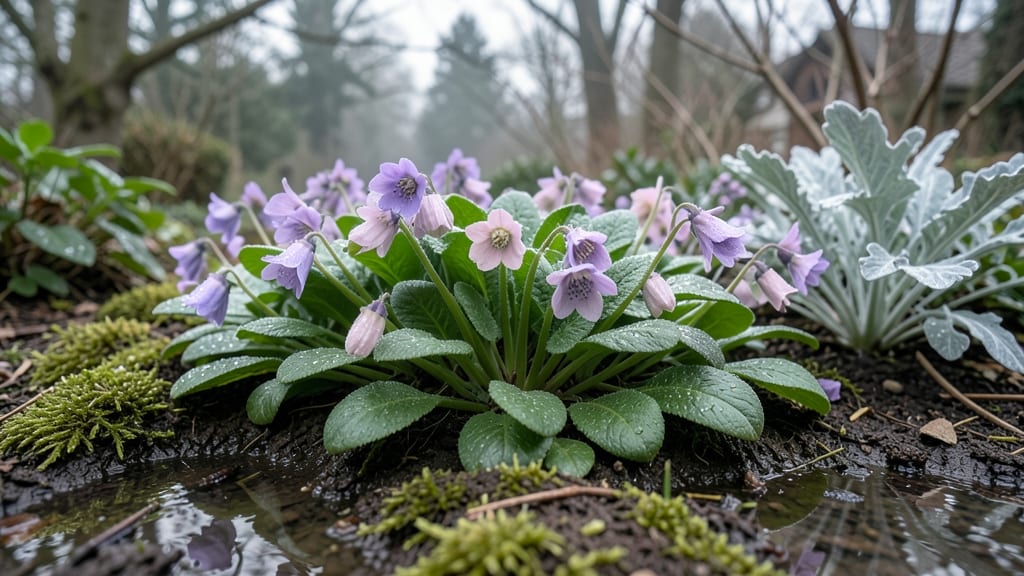
If you’ve ever struggled with soggy garden borders that refuse to thrive, lungwort (Pulmonaria) is your secret weapon. This hardy perennial not only handles damp soil with ease but also delivers early spring blooms in soft purples and pinks, followed by striking silver-spotted foliage that lasts all season.
Plant lungwort in partial to full shade where other plants might rot, and watch it spread gently into a lush, low-maintenance carpet. Its year-round interest—from delicate flowers in March to textured leaves through winter—makes it ideal for rain gardens, pond edges, or shady spots under trees. For best results, divide clumps every 3-4 years to keep them vigorous.
Perfect for gardeners in zones 3-8 who crave low-maintenance beauty, lungwort is also a pollinator magnet in spring. 🌿
Fritillaria Imperialis for Dramatic Height

When you crave a dramatic first bloom of spring that turns heads, Fritillaria imperialis delivers with its towering 3-foot stems and exotic, checkered bell-shaped flowers. This "crown imperial" bulb is nature's way of announcing spring in zones 5-9, often blooming as early as February or March—before most other perennials even think about waking up.
Plant the bulbs in well-draining soil with full sun to partial shade, and watch them produce clusters of nodding flowers in striking colors like orange, purple, or cream. The secret to success? Avoid soggy soil—these Mediterranean natives hate wet feet. For cottage gardens, pair them with early crocuses and hellebores to create a layered spring spectacle that lasts for weeks.
Perfect for gardeners who love exotic focal points, this bulb thrives with minimal care once established. Just remember to deadhead spent blooms and let the foliage die back naturally to store energy for next year's show. 🌻