
Blooming
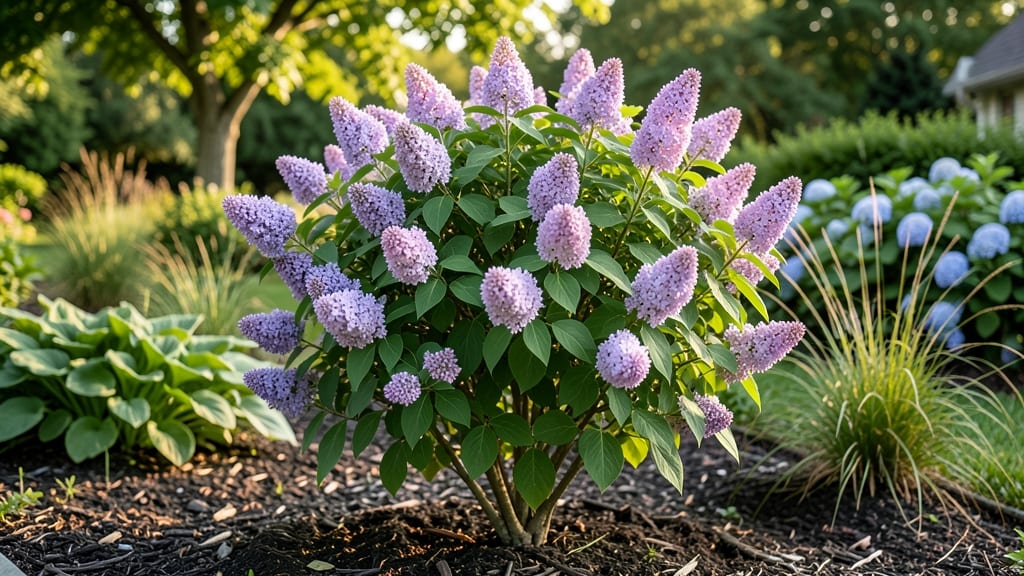
Miss Kim lilacs burst into fragrant purple spikes with the miss kim lilac bloom time earlier than most—often by late April to early May—sometimes even before the last frost. 🌸 I’ve watched them defy winter’s last gasps, their sweet scent cutting through spring’s chill like a promise.
Unlike late-blooming varieties, these hardy shrubs reward patience with weeks of color, making them a standout in any garden.
The secret to their early show lies in sunlight and timing. Plant them in full sun (at least 6 hours daily) and avoid heavy pruning in fall—this keeps their energy focused on blooms, not recovery.
In colder zones, a light mulch around the base helps protect roots while encouraging earlier growth.
Once in bloom, you’ll get 3-4 weeks of fragrant purple—longer if you deadhead spent flowers. The key is pruning after blooming (late summer) to shape without cutting off next year’s buds. Their resilience means they bounce back year after year with minimal fuss.
Perfect for gardeners who want low-maintenance color that arrives early and lasts. Here’s how to set yours up for success!
📚 In This Guide
- What you need
- Instructions
- Tips and common mistakes
- Wrapping up and next steps
What you need
- ● Miss Kim Lilac Plant: 1 healthy, disease-free specimen (bare-root or potted, 1-2 years old for best results).
- ● Well-draining soil: Mix of garden soil, compost, and sand/perlite (ratio: 60% soil, 30% compost, 10% sand).
- ● Sunlight access: Full sun (6+ hours/day) or partial shade (4+ hours/day).
- ● Watering can or hose: With a gentle spray nozzle for hydration.
- ● Mulch: 2–3 inches of wood chips or pine straw to retain moisture and regulate temperature.
- ● Pruning shears: Sharp, clean pair (sterilized with rubbing alcohol).
- ● Fertilizer: Balanced, slow-release 10-10-10 NPK or rose/lilac-specific granules (apply in early spring).
- ● Frost cloth: Lightweight fabric to protect young plants during late frosts.
- ● Soil pH tester: Ideal pH range: 6.0–7.0 (adjust with lime or sulfur if needed).
- ● Drip irrigation system: For consistent moisture without overwatering.
- ● Companion plants: Pair with catmint or lavender for a fragrant garden trio.
Step-by-Step guide to extending Miss Kim lilac bloom time
Here’s how to coax those fragrant purple spikes into lasting longer—even in cooler climates.
🌱 Step 1: Select the Right Planting Location
Miss Kim lilacs thrive in full sun to partial shade—at least 6 hours of direct sunlight daily—but they reward patience with extended blooms. I plant mine where they get morning sun and afternoon shade, especially in hotter regions. The key is well-draining soil—these lilacs hate soggy roots, which can stunt blooms or invite disease.
Dig a hole twice as wide as the root ball but no deeper. Amend heavy clay with compost or sand to improve drainage. If your soil is acidic, add lime to raise the pH to 6.5-7.5—Miss Kim lilacs bloom best in slightly alkaline conditions. You’ll know you’ve got it right when the soil feels loose and crumbly, not compacted.
☀️ Step 2: Prune Strategically After Blooming
This is the secret to next year’s longer, fuller blooms. Wait until after the flowers fade—never prune in late summer or fall, as new growth won’t harden off before winter. Use clean, sharp pruners to cut back one-third of the oldest stems at the base. Remove any dead, diseased, or crossing branches first—they steal energy from the plant.
I always prune on a dry, cloudy day to reduce stress on the plant. Look for last year’s wood (older, thicker stems) and cut just above a bud or outward-facing branch. Avoid cutting into the center of the shrub—this encourages dense growth that blocks sunlight and air circulation, shortening bloom time.
💧 Step 3: Water Deeply but Infrequently
Miss Kim lilacs are drought-tolerant once established, but deep, infrequent watering encourages stronger root systems and longer blooms. Water once a week during the first growing season, delivering 1-2 gallons per plant at the base. Let the soil dry out 2-3 inches deep between waterings—you’ll know it’s time when the top layer feels dry to the touch.
After the first year, reduce watering to every 10-14 days unless your region experiences extreme heat or drought. Overwatering leads to weak stems and fewer blooms. Mulch with 2-3 inches of organic mulch (like shredded bark) to retain moisture and regulate soil temperature. Keep the mulch 2 inches away from the stem to prevent rot.
✂️ Step 4: Fertilize for Longer Blooms
Feed your lilac in early spring (as buds form) and late fall (to build next year’s blooms) with a balanced, slow-release fertilizer (10-10-10 or similar). Avoid high-nitrogen fertilizers—they produce lush foliage but fewer flowers. I use ½ cup of 10-10-10 per plant in spring and ¼ cup in fall, working it into the top 2 inches of soil.
For an organic boost, top-dress with 1 inch of compost in early spring. You’ll see the difference in stronger stems and more abundant blooms the following year. If your lilac’s flowers are sparse, it might need more phosphorus (the middle number in fertilizer ratios)—switch to a 5-10-10 for a season to encourage blooming.
⏰ Step 5: Protect from Late Frost
Miss Kim lilacs are famously cold-hardy, but late spring frosts can damage buds just as they open. Watch your local forecast and cover the plant with a lightweight frost cloth if temperatures drop below 28°F when buds are swollen. Remove the cover as soon as the sun comes out to avoid overheating.
If frost hits after blooms appear, don’t panic—cut back any damaged flowers at the base. The plant will redirect energy to stronger new growth for next season. In regions with unpredictable frost dates, plant near a south-facing wall for extra protection. You’ll know your lilac is happy when it sends out new shoots by late April, signaling it’s ready to bloom again.
Tips & tricks for extending Miss Kim lilac bloom time
Here's what nobody tells you about making those purple blooms last longer than a week—these are the secrets I've learned after years of watching my lilacs thrive.
Location is Everything: That 6 hours of sunlight isn't just a suggestion—it's the minimum for consistent blooms. I've found that planting on the north side of a south-facing wall gives them afternoon shade while still capturing morning sun, which is especially helpful in hot climates. The wall also provides radiant heat that extends the growing season by 2-3 weeks in cooler regions.
Pruning Precision: When cutting back those one-third of oldest stems in Step 2, look for stems that are at least pencil-thick—thinner stems won't have enough energy reserves to produce strong blooms next year. I always make my cuts at a 45-degree angle just above an outward-facing bud, which encourages better air circulation and prevents fungal issues that can shorten bloom time.
Watering Wisdom: The 2-3 inches deep dry soil test is your best friend—stick a screwdriver into the ground. If it goes in easily, wait another day. I've seen many gardeners overwater because they're checking the surface moisture, but lilacs need that deep root system to develop. After the first year, I actually skip watering entirely during dry spells unless the soil is bone-dry at that depth—these plants are tougher than they look!
Frost Protection Hack: That 28°F threshold is critical, but I've found an extra trick: place a 5-gallon bucket of water near the plant when frost is forecasted. As it freezes, it releases latent heat that can raise temperatures by 2-3 degrees around the plant. It's a simple way to give your lilac that extra protection without covering the whole plant.
Pro Tips for Miss Kim Lilac Bloom Time
- Here's what nobody tells you about making those purple blooms last longer than a week—these are the secrets I've learned after years of watching my lilacs thrive.
- Location is Everything: That 6 hours of sunlight isn't just a suggestion—it's the minimum for consistent blooms.
- Pruning Precision: When cutting back those one-third of oldest stems in Step 2, look for stems that are at least pencil-thick—thinner stems won't have enough energy reserves to produce strong blooms next year.
Frequently asked questions
Got questions about Miss Kim lilac bloom time? You’re not alone—this fragrant beauty has its own quirks! Here are the answers to the most common queries, from timing to troubleshooting.
When does Miss Kim lilac bloom?
Miss Kim lilacs typically bloom earlier than other lilacs—usually in late April to early May in most U.S. zones (3–7). Their compact, fragrant purple spikes appear 2–3 weeks before traditional lilacs, making them a standout early-spring favorite! Cold-hardy varieties may even bloom in March in warmer regions.
Will Miss Kim lilacs bloom after a late frost?
Yes, but with caution! These lilacs are frost-tolerant, but late frosts (<32°F) can damage buds. If buds swell before blooming, cover them with frost cloth at night. Once open, flowers handle light frost well—just avoid heavy ice. Prune after blooming to encourage next year’s early show.
How do I encourage bigger, longer-lasting blooms?
For showier, longer-lasting blooms, focus on these tips:
- Sunlight: Plant in full sun (6+ hours/day)—partial shade reduces flowering.
- Watering: Keep soil consistently moist (not soggy) during bud formation.
- Fertilizer: Use a balanced, slow-release fertilizer in early spring.
- Avoid over-pruning: Trim only after blooming to prevent cutting off next year’s buds.
What if my Miss Kim lilac isn’t blooming?
No blooms? Check these common culprits:
- Too much shade: Move to sunnier spot if possible.
- Over-fertilizing with nitrogen: Switch to a phosphorus-rich fertilizer (e.g., 5-10-5) to boost blooms.
- Age or stress: Young plants (under 3 years) may need patience. Older plants might need rejuvenation pruning (cut back ⅓ of oldest stems).
- Pests/disease: Inspect for aphids, borers, or powdery mildew—treat promptly with neem oil or fungicide.
Are there alternatives for earlier blooms?
If you love early lilac blooms but want variety, try these cold-hardy, early-flowering shrubs:
- Dwarf Korean Lilac (Syringa meyeri) : Blooms in April, compact (3–5 ft), and highly fragrant.
- Weigela (Weigela florida) : Bright pink/red blooms in late April–May, thrives in zones 4–8.
- Forsythia (Forsythia × intermedia) : Yellow blooms in March–April, ultra-hardy (zones 3–9).
- Deutzia (Deutzia gracilis) : Delicate white blooms in April–May, loves partial shade.
Wrapping up and next steps
Miss Kim lilacs aren’t just stunning—they’re hardy survivors that bloom earlier and brighter than most, even when frost lingers. Their fragrant purple spikes transform gardens into dreamy havens, proving that beauty and resilience go hand in hand. 🌸❄️
Ready to welcome their magic into your space? Start by checking your local frost dates and plan your planting or pruning around their early bloom cycle.
Whether you’re a seasoned gardener or a curious beginner, these lilacs will reward you with months of effortless elegance—and maybe even a few extra compliments from neighbors! 🌿