
Blooming
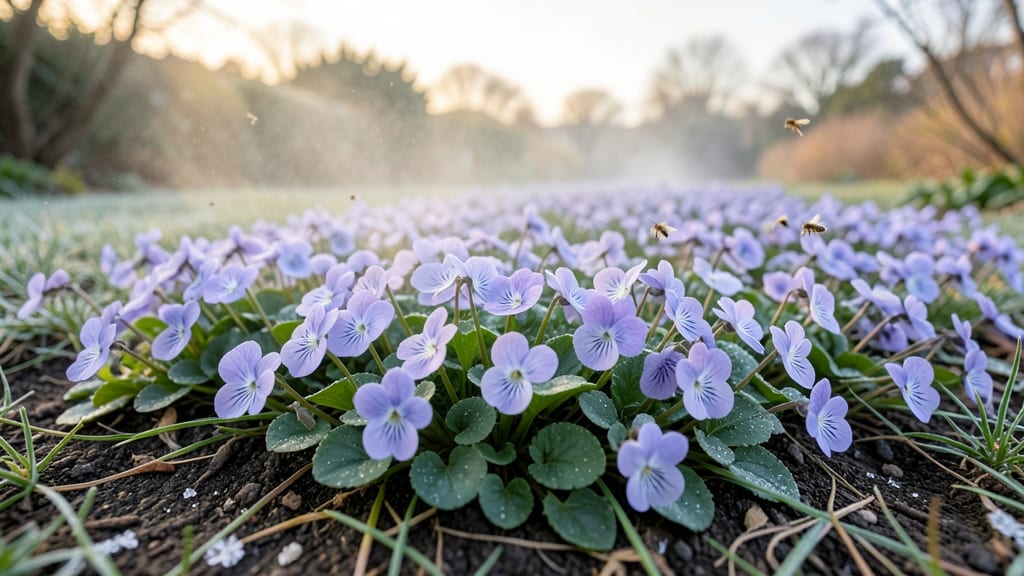
March brings a burst of color even in chilly climates. These 10 hardy flowers defy winter’s grip, offering vibrant blooms and easy cultivation for gardeners eager to beat the season’s last frost.
Daffodils: First Harbingers of Spring
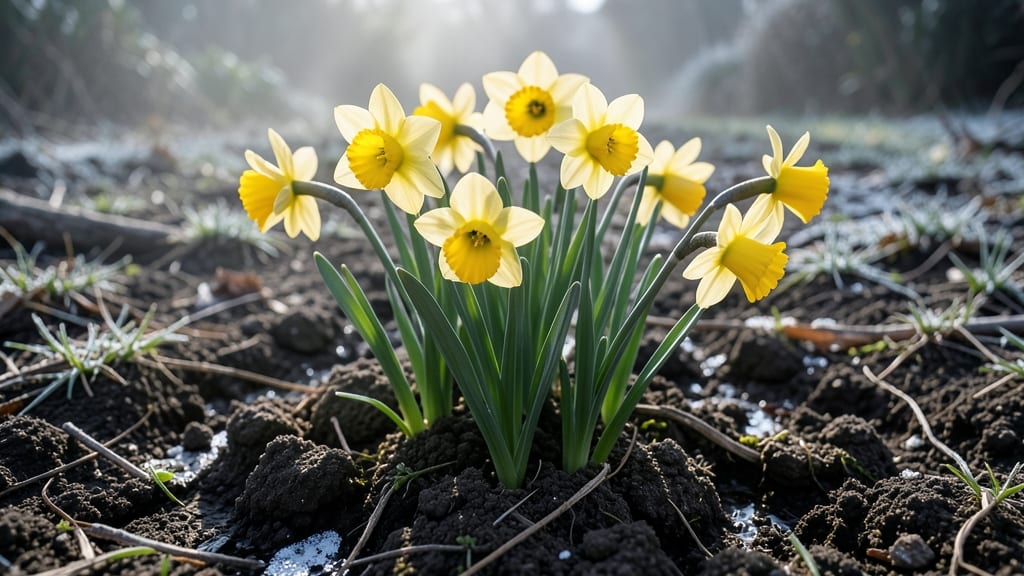
When March’s chill still lingers, daffodils burst through the soil like cheerful yellow trumpets, proving spring is on its way. These cold-hardy perennials survive temperatures below freezing and multiply year after year, making them the ultimate low-maintenance bloomer for impatient gardeners.
Plant bulbs in fall for year-round reliability—they’ll return annually with minimal effort. Their naturalizing habit means they’ll spread gracefully in lawns or borders, creating drifts of color that brighten even the dullest winter days. For maximum impact, choose early-blooming varieties like 'Tête-à-Tête' or 'Ice Follies', which thrive in full sun to partial shade.
Perfect for beginners, daffodils also deter deer and squirrels, giving you peace of mind while adding beauty. Their symbolism of renewal makes them a must-have for any early spring garden. 🌱
Crocus: Tiny Purple Delights
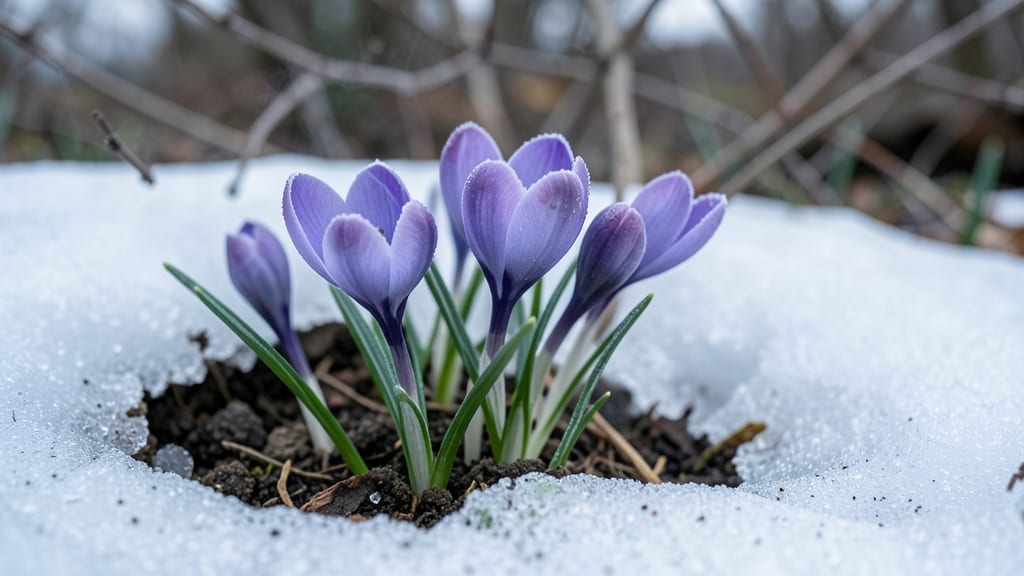
While daffodils announce spring's arrival, crocus flowers are the unsung heroes that often bloom before the snow fully melts. These tiny purple stars are nature's way of signaling that winter's grip is loosening—even when temperatures hover near freezing.
Plant crocus bulbs in fall (4-6 weeks before your first frost) in well-draining soil with full sun to partial shade. Their secret weapon? They thrive in USDA zones 3-8, meaning they'll push through snowpack in early March, providing critical early nectar for bees emerging from hibernation. Choose varieties like 'Purple Striped' or 'Whitewell Purple' for reliable color.
Perfect for beginner gardeners, crocus requires almost no maintenance—just plant, forget, and watch them pop up year after year. Their early blooms also make them ideal for wildlife-friendly gardens and containers on patios. 🌟
Hyacinth: Fragrant Purple Clusters
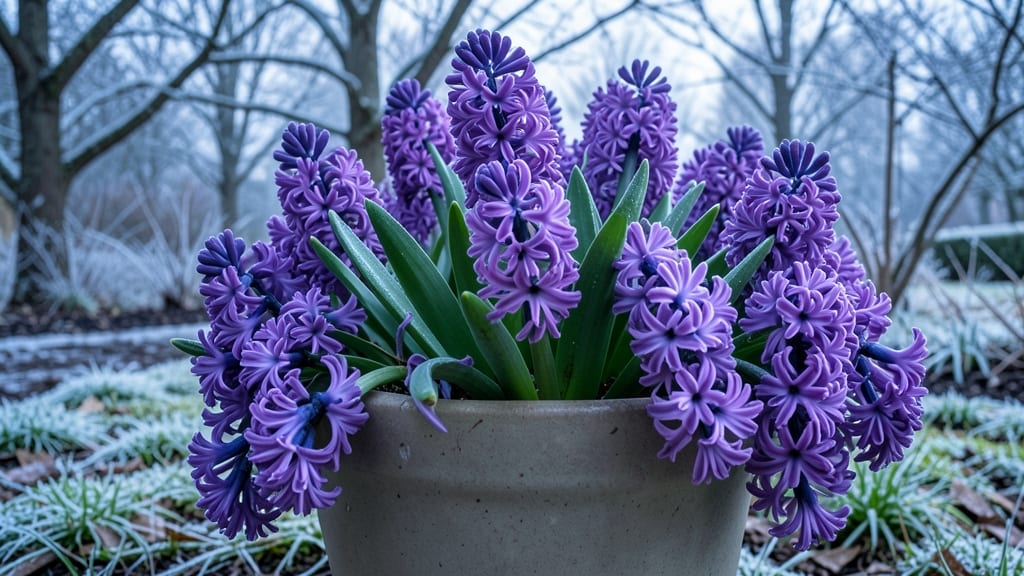
Want to fill your home or garden with intoxicating fragrance before spring even arrives? Hyacinths are the secret weapon for early scent lovers, thriving in cool temperatures that daffodils and crocuses might shy away from.
These fragrant purple clusters bloom in late winter to early spring, perfect for forcing indoors in pots or planting outdoors in shaded spots where they’ll reward you with waves of sweet perfume. Plant bulbs in fall (6-8 weeks before frost) in well-draining soil, and they’ll deliver 3-4 weeks of continuous blooms—ideal for cutting or enjoying up close.
Urban gardeners and apartment dwellers will love hyacinths for their compact size and dramatic fragrance, while shaded garden spots get a fragrant boost without competing with sun-loving plants. 🌷
Snowdrops: Delicate White Blooms
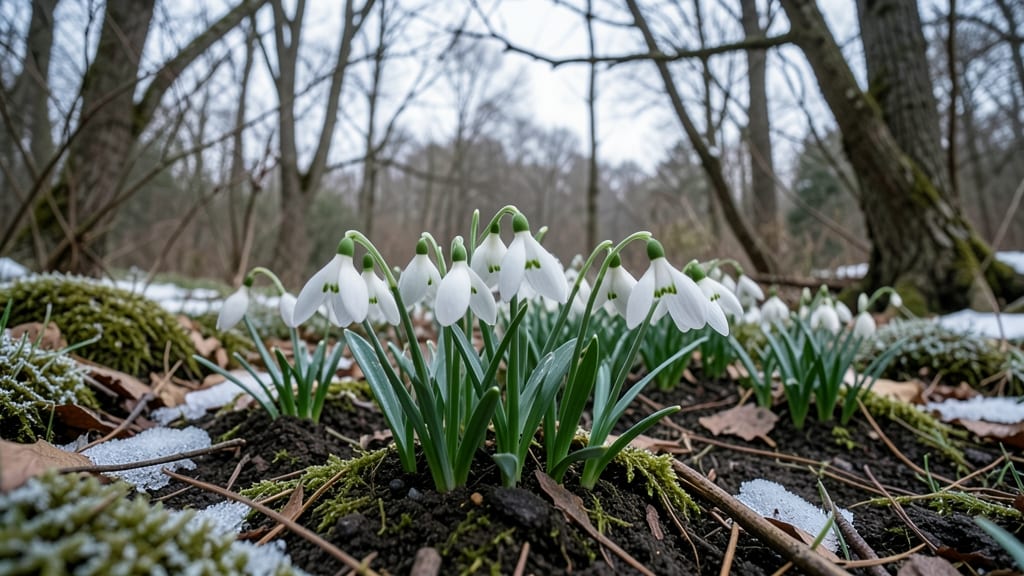
When winter’s grip still lingers, snowdrops emerge as nature’s first gentle promise of spring. These delicate white blooms often appear in late winter or early March, thriving in partial shade and even tolerating light frost, making them perfect for woodland gardens or shaded borders.
Plant snowdrop bulbs in fall, 2-3 inches deep in well-draining soil, and they’ll reward you with clusters of nodding flowers that symbolize hope. Their low-maintenance nature means they’re ideal for gardeners who want early color without fuss. Pair them with heuchera or ferns for a lush woodland effect.
Perfect for beginners or gardeners with shady spots, snowdrops bring beauty and meaning to early spring landscapes. 🌱
Bleeding Heart: Unique Heart-Shaped Flowers
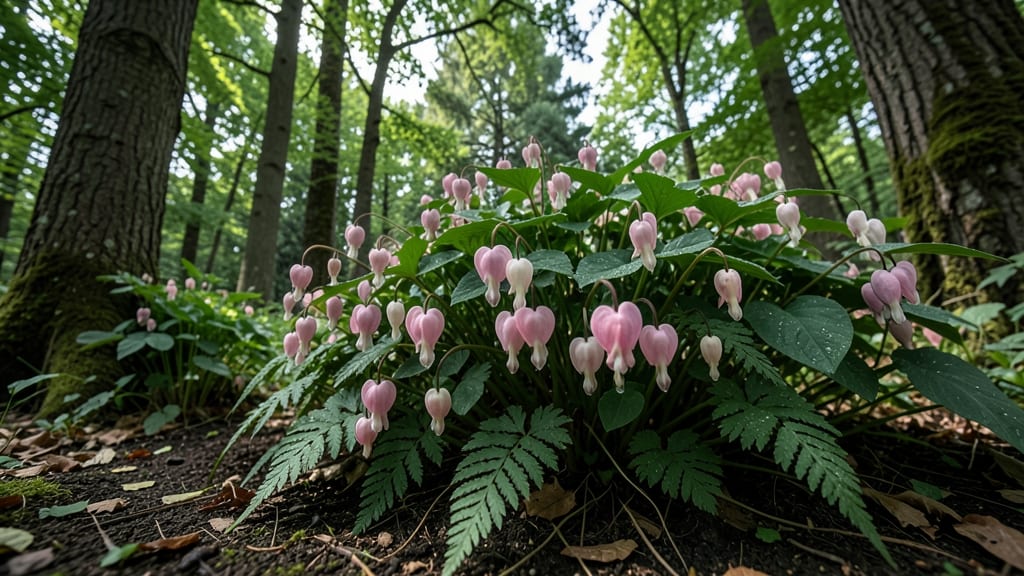
If your garden is tucked away in a shady corner or nestled under tall trees, bleeding heart (Dicentra spectabilis) is your secret weapon for adding drama without direct sunlight. This shade-loving perennial thrives where most flowers struggle, producing cascading clusters of heart-shaped blooms in soft pink, white, or red—perfect for late spring color when March’s early bloomers fade.
Plant bleeding heart in moist, well-draining soil and protect it from harsh afternoon sun, which can scorch its delicate foliage. It spreads gently via rhizomes, making it ideal for borders or woodland gardens. For year-round interest, pair it with hellebores or ferns to create a lush, layered effect. Deadhead spent blooms to encourage a second flush of flowers in late summer.
Cold-hardy to USDA Zone 3, bleeding heart is a must for gardeners in northern climates who want vertical interest without the fuss of climbing vines. Its romantic, drooping habit adds softness to shady spots where other plants fail. 🌷
Hellebore: Winter Rose Beauty
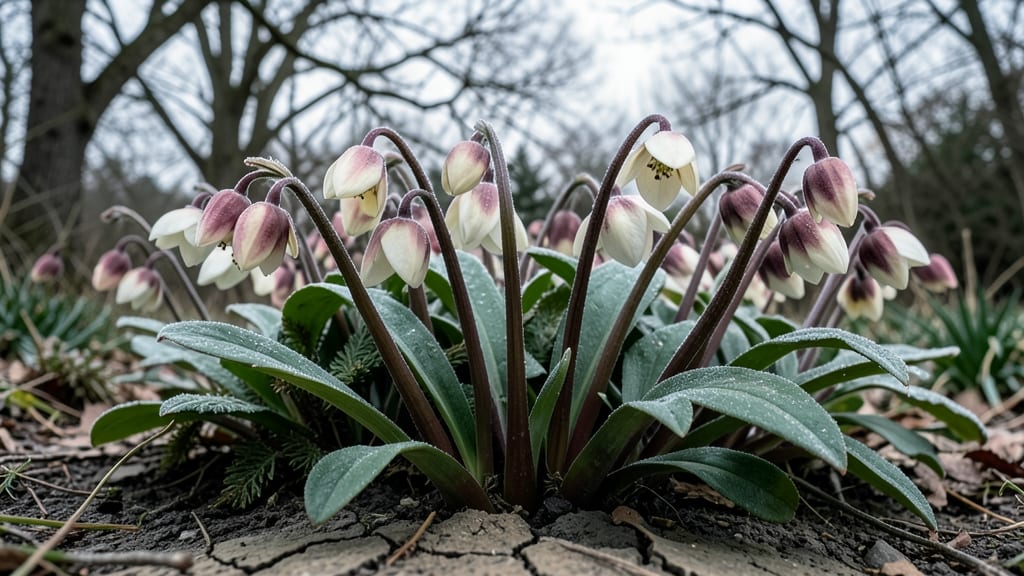
When late winter feels endless, hellebores step in as nature’s unsung hero, delivering waxy, nodding blooms that defy frost and bring color to dim corners. Known as the Lenten rose, this evergreen perennial thrives where most plants refuse to grow—partial shade and cold temperatures—making it perfect for under trees or north-facing beds.
Unlike spring ephemerals that vanish quickly, hellebores bloom from February through April, offering year-round interest with their glossy, leathery foliage. Deadhead spent blooms to encourage more flowers, and watch as their unique bell-shaped blossoms in shades of white, pink, green, or deep purple brighten even the gloomiest garden spots. They’re also deer-resistant, a bonus for rural gardeners.
This low-maintenance beauty is ideal for shade gardeners, woodland enthusiasts, and beginners—just plant the tubers in well-draining soil and forget about them until spring. Their late winter blooms provide vital early nectar for bees, too. 🌷
Pansies: Cheerful Cold-Weather Annuals
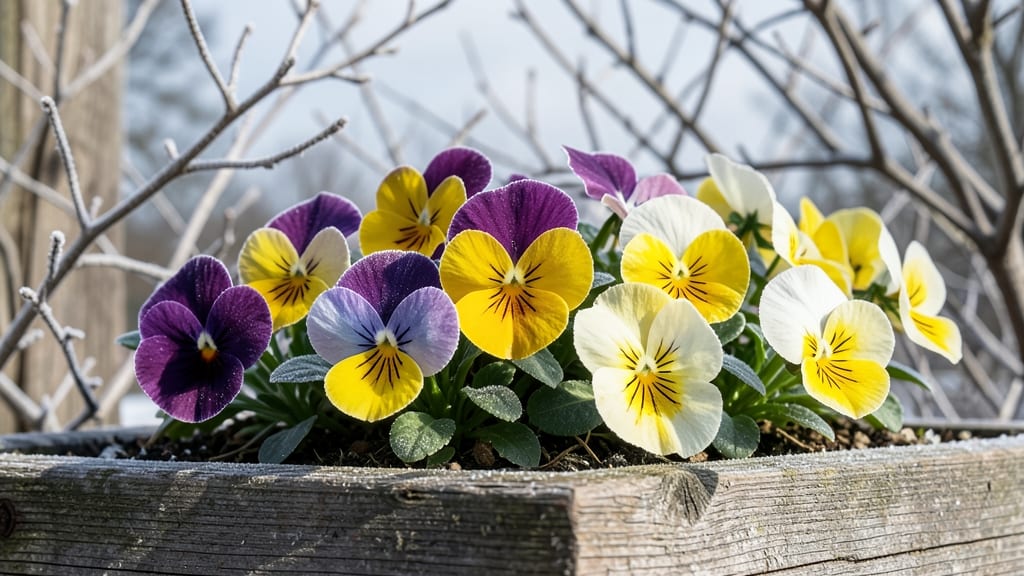
When March’s chill still lingers but you crave color, pansies deliver a cheerful smile with their frost-resistant blooms. These year-round performers (in mild climates) thrive from early spring through fall, making them the ultimate gap-filler for tired winter beds or containers.
Plant them in full sun to partial shade and enjoy blooms in just 4-6 weeks—perfect for edging paths or brightening patio pots. Their face-like patterns come in every color, from deep purple to sunny yellow, and they even tolerate light frost. Deadhead spent blooms to encourage nonstop color until summer heat arrives.
Urban gardeners and beginners love pansies for their low-maintenance nature and ability to self-seed, creating next year’s cheerful surprises. 🌻
Winter Aconite: Golden Star Flowers
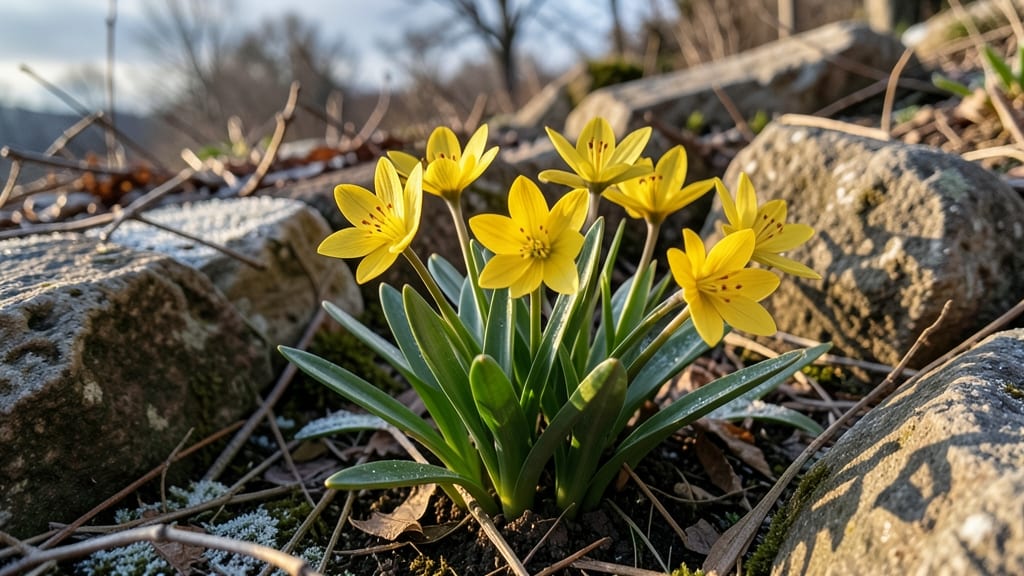
Looking for a sun-loving perennial that blooms when most gardens are still dormant? Winter aconite (Eranthis hyemalis) delivers bright yellow star-shaped flowers as early as February, making it a standout for late-winter color. This low-growing beauty thrives in rock gardens, slopes, or alpine beds, where its cheerful blooms contrast beautifully against gray stones or evergreen foliage.
Plant the tuberous roots in well-draining soil with full sun to partial shade (morning sun is ideal in hotter climates). Winter aconite tolerates cold winters and even light frosts, but avoid soggy soil to prevent rot. Deadhead spent blooms to encourage more flowers, and mulch lightly to protect roots in extreme cold. It’s non-toxic and deer-resistant, making it a hassle-free choice for cold-climate gardeners.
Perfect for gardeners who want early color without fuss, winter aconite pairs well with hellebores or snowdrops for a layered winter display. Its compact size and low-maintenance nature make it ideal for small spaces or container gardens in colder regions. 🌟
Lungwort: Unique Spotted Leaves
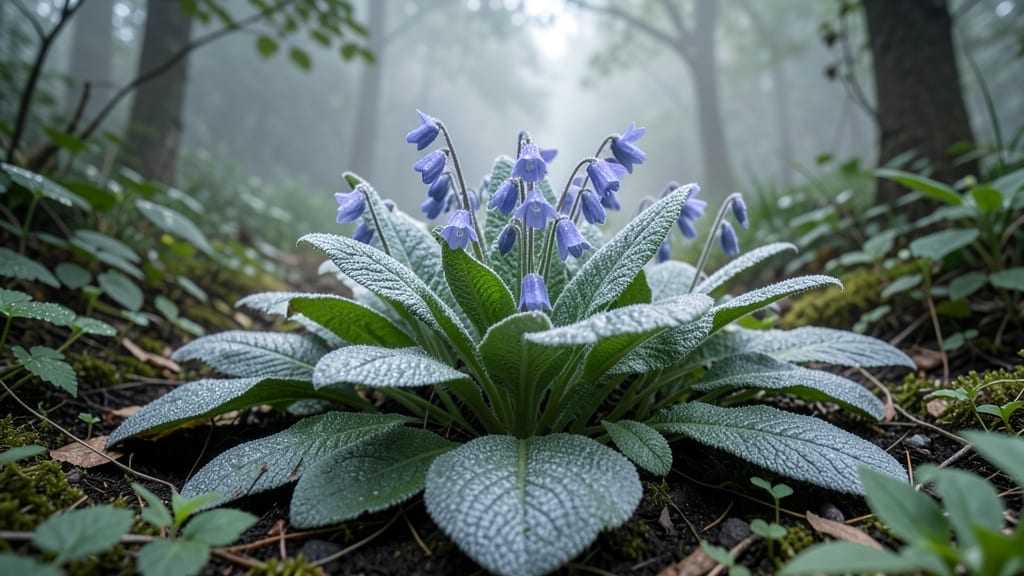
If your garden is more shade than sun, lungwort (Pulmonaria) is your secret weapon for early spring color. This medicinal perennial boasts striking silver-spotted leaves that fade to green as the season progresses, paired with delicate blue or purple flowers that bloom in late winter to early spring.
Thriving in moist, well-drained soil and partial to full shade, lungwort is perfect for woodland gardens, under trees, or along north-facing borders. Its unique foliage provides year-round interest, while its flowers attract early pollinators like bees. Historically used for respiratory health (hence its name), it’s also deer-resistant, making it a tough yet beautiful choice for cold climates.
Ideal for beginner gardeners or those with shady spots, lungwort’s low-maintenance nature and four-season appeal make it a standout perennial for adding texture and color without fuss. 💚
Sweet Violet: Fragrant Ground Cover

If you crave a garden that smells as good as it looks, sweet violets are your secret weapon. These charming ground covers burst into bloom in early spring, filling your yard with a delicate, intoxicating fragrance that lingers in the air—perfect for wafting through chilly March mornings.
Plant sweet violets in partial shade to full sun, where they’ll spread effortlessly to fill gaps in lawns, borders, or woodland edges. Their purple, yellow, or white blooms appear as early as February in mild climates, offering nectar for bees before many other flowers emerge. Simply scatter seeds or divide existing plants in fall for a low-maintenance carpet of color that returns year after year.
Ideal for beginners and pollinator lovers, sweet violets thrive in USDA zones 3-9 and even tolerate light foot traffic. They’re the perfect way to add early fragrance and texture to your garden without the fuss of pruning or staking. 🌷