
Flowers
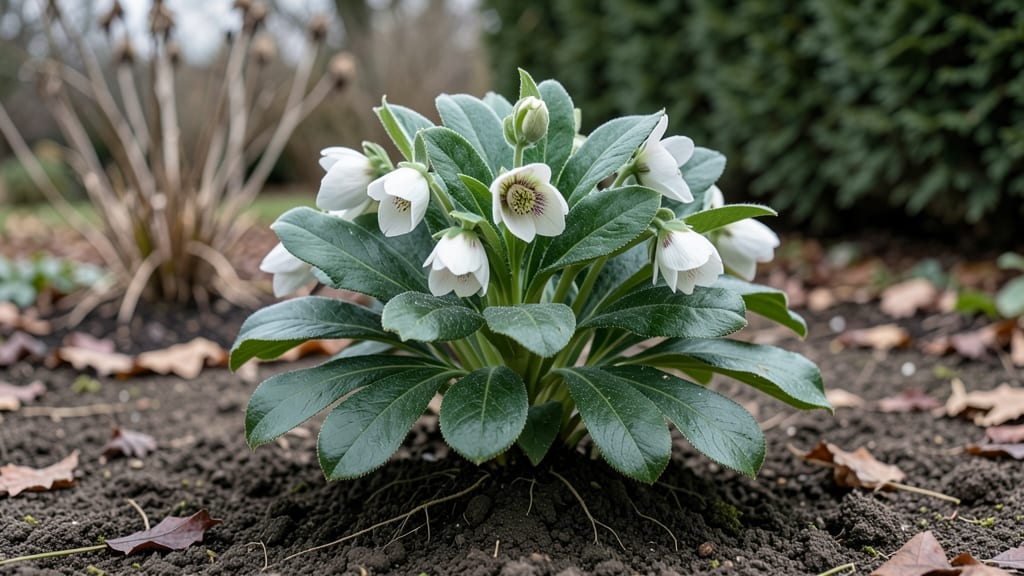
Yes, do any flowers bloom in winter? Absolutely! Hardy varieties like snowdrops, hellebores, winter jasmine, and witch hazel thrive in frost and bring vibrant color to gardens during the coldest months.
Winter might seem like a dormant season, but nature has clever ways of keeping gardens alive. 🌸 These resilient blooms rely on evergreen foliage to protect delicate stems and deep root systems that store energy.
Some even produce flowers with built-in antifreeze compounds, allowing them to survive sub-freezing temperatures while still attracting early-season pollinators like bees and butterflies. The key is choosing varieties adapted to your specific climate zone—many of these beauties can handle temperatures well below freezing if planted correctly.
For gardeners eager to add winter interest, these cold-hardy plants offer more than just color—they provide structure and texture when most gardens are bare. 💫 Whether you're working with bulbs like crocuses or shrubs like winter honeysuckle, each variety has unique care requirements.
The secret to success lies in understanding their natural growing patterns and providing the right conditions to help them thrive when other plants are dormant.
💡 In This Article
- Why Winter-Blooming Flowers Survive Cold Weather
- Top Cold-Hardy Winter Flowers for Your Garden
Why winter-blooming flowers survive cold weather
Winter-blooming flowers have evolved remarkable survival strategies that let them thrive when most plants are dormant. Their secret lies in a combination of evergreen foliage and specialized flower structures.
For example, snowdrops (Galanthus) produce broad leaves that photosynthesize even in low light, while their delicate white flowers contain natural antifreeze compounds that prevent ice crystal formation in their tissues. This allows them to bloom as early as late fall in some climates, often before snowfall. 🌱
The root systems of these plants are another key adaptation. Many winter bloomers develop deep, extensive roots that store energy reserves during cold months. Hellebores (Helleborus), for instance, have thick, fibrous roots that can extend 2-3 feet underground, providing insulation and moisture access even when surface soil freezes.
Their flowers grow directly from the root crown, protected from frost damage. Some varieties, like winter jasmine (Jasminum nudiflorum), even produce flowers on woody stems that remain flexible enough to bend without breaking under snow weight.
These flowers also attract early pollinators through clever timing and scent strategies. Witch hazel (Hamamelis) blooms in late winter when few insects are active, but its fragrant yellow flowers emit volatile organic compounds that can attract bees from up to 50 feet away.
The flowers' unique structure—often with exposed stamens—makes them easy for pollinators to access even in cold conditions. This dual adaptation of surviving frost while still supporting ecosystems is what makes these plants so remarkable. 🐝
Light plays a crucial role in their winter blooming cycle. Many of these species require short-day photoperiods (less than 10 hours of daylight) to trigger flowering, which explains why they bloom in winter while most summer flowers need long days.
Snowdrops, for example, begin their growth cycle in late summer when day lengths shorten, storing energy until they can bloom in winter. This biological clock ensures they appear just when gardens need color most.
One fascinating exception is the paperwhite narcissus (Narcissus papyraceus), which blooms in winter but originates from Mediterranean climates. Unlike native winter bloomers, it relies on artificial cold treatment (stratification) to trigger flowering, demonstrating how different species have evolved distinct survival mechanisms.
This variety typically blooms indoors between Christmas and New Year's, proving that even non-native plants can adapt to winter conditions with the right care. 💡
For gardeners, understanding these adaptations means you can create winter interest by selecting plants that match your climate zone.
In Zone 4 (where winters can drop to -30°F), varieties like Siberian bugloss (Brunnera macrophylla) thrive, while Zone 7 gardeners might choose camellias or daphnes, which handle milder winters beautifully. The key is choosing plants whose natural adaptations align with your local winter conditions. ✨