
Blooming
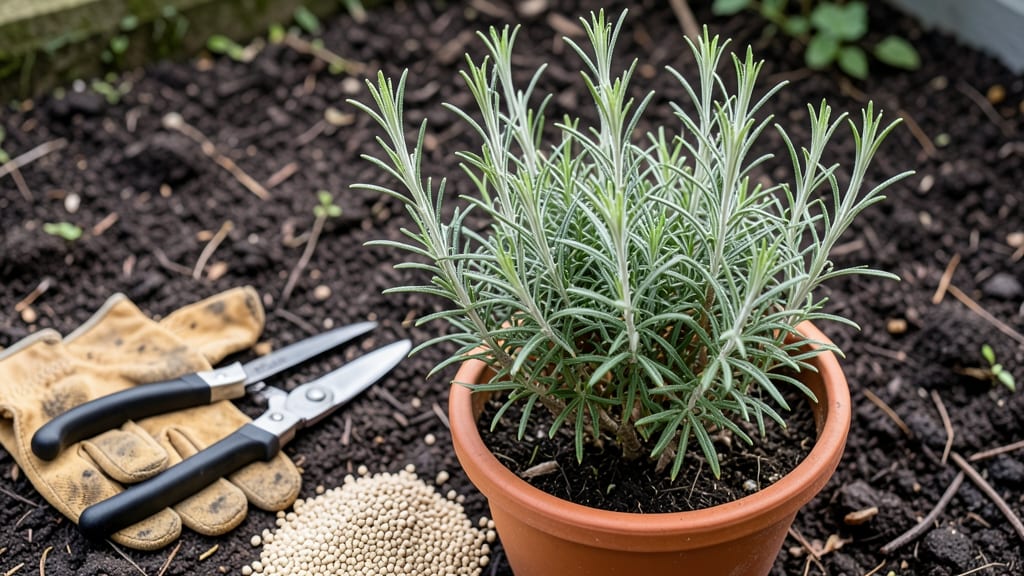
How to get salvia to bloom again—your purple spikes vanished, but it’s not too late to bring them back. 🌿 The secret lies in pruning at the right time, not just when you notice bare stems. Most gardeners wait until flowers fade, but the real magic happens in late winter or early spring when new growth begins.
Start by cutting back one-third of the plant’s height to encourage fresh shoots. Use clean shears and make cuts just above a leaf node or bud. This isn’t about harsh cuts—it’s about waking up the plant’s energy.
Overwatering or too much fertilizer can actually prevent blooms, so hold off on heavy feeding until you see new growth.
Within 4-6 weeks, you’ll see vibrant new stems pushing through the soil, and by summer, those familiar purple spikes will return—longer and fuller than before. The key is consistency: prune annually, deadhead spent blooms, and give it 6+ hours of sunlight daily.
This works for all salvia types, from Salvia nemorosa to Salvia leucantha, even in containers. The first year might be slower, but every season after, your salvia will reward you with bold, repeat blooms that turn heads. Let’s get those shears ready!
📚 In This Guide
- What you need
- Instructions
- Tips and common mistakes
- Wrapping up and next steps
What you need
- ● Pruning shears or sharp bypass pruners – Clean, sterilized, and sharp (1 pair). Avoid dull tools—they crush stems instead of cutting cleanly.
- ○ Gloves (optional but recommended) – Garden or nitrile gloves to protect hands from thorns or sap.
- ● Disinfectant (70% isopropyl alcohol or bleach solution) – 1 part bleach to 9 parts water (for sterilizing tools).
- ● Compost or well-draining potting mix – For repotting if needed (1-2 gallons, depending on plant size).
- ● Watering can with a fine rose attachment – Avoid overhead watering to prevent fungal issues.
- ● Plant food or fertilizer – Balanced 10-10-10 or slow-release granules (follow package rates).
- ● Mulch (gravel or organic) – 1-2 inches to retain moisture and regulate soil temp.
- ● Plant support (stakes or cages) – For tall varieties like Salvia nemorosa to prevent flopping.
- ● pH testing kit – To check soil pH (ideal: 6.0–7.0) if blooms are still sparse.
Step-by-Step instructions for reviving salvia blooms
Here’s how I coax my salvias back into producing those stunning purple spikes year after year.
🌱 Step 1: Prune After the First Bloom Cycle
Once your salvia’s purple flower spikes fade, cut them back to just above the first set of healthy leaves. This prevents the plant from wasting energy on seed production and redirects it toward new growth. I use clean, sharp pruners to make a clean cut—never tear or crush the stems, as this can introduce disease.
If your salvia is woody at the base, trim back to a lower leaf pair. This encourages fresh shoots to emerge from the base, which will produce stronger stems for next season’s blooms. Avoid cutting into old, bare wood—you’ll know it’s the right spot when you see fresh, green growth just below.
☀️ Step 2: Provide Full Sun and Proper Watering
Salvias need at least 6-8 hours of direct sun daily to bloom well. If your plant is in partial shade, move it to a sunnier spot immediately. I’ve seen salvias in low light produce leaves but no flowers—they simply don’t get enough energy from the sun.
Water deeply but infrequently. Let the soil dry out completely between waterings, especially in winter. Overwatering causes root rot, which weakens the plant and prevents blooming. Stick your finger 1-2 inches into the soil—if it’s damp, wait another day or two.
✂️ Step 3: Fertilize Lightly for Strong Growth
In early spring, apply a balanced, water-soluble fertilizer (like 10-10-10) at half strength. This gives your salvia a gentle nutrient boost without encouraging too much leafy growth at the expense of flowers. I fertilize every 4-6 weeks during the growing season, then stop in late summer to let the plant prepare for dormancy.
Too much fertilizer leads to lush foliage but fewer blooms. If your salvia looks leggy with lots of leaves but no flowers, it’s getting too much nitrogen. Switch to a low-nitrogen, high-phosphorus fertilizer (like 5-10-5) to encourage flowering.
⏰ Step 4: Watch for New Growth and Deadhead Early Blooms
As new shoots emerge in spring, keep an eye out for any early flower buds. Pinch off these first blooms—they’ll sap energy from the plant. You want the main flush of flowers to happen in late spring or early summer when the plant is at its strongest.
Once the main blooms appear, deadhead spent flowers by snipping off the entire spent spike. This encourages the plant to produce more flowers instead of focusing on seed production. I deadhead every few days during peak bloom time—it’s a small effort that pays off with weeks of vibrant color.
🌿 Step 5: Prepare for Winter Dormancy
In fall, reduce watering and stop fertilizing entirely. Salvias go dormant in winter, and forcing them to stay active can weaken the plant. Cut back any remaining flower spikes and reduce water to just enough to keep the soil from drying out completely.
Mulch around the base with 2-3 inches of organic mulch (like shredded bark or straw) to protect the roots from freezing temperatures. This also helps regulate soil moisture and keeps the plant healthy until spring growth resumes.
Tips & tricks for reviving salvia blooms
Here's what nobody tells you about keeping your salvias blooming like clockwork.
The Pruning Precision: When you're cutting back those faded purple spikes in Step 1, aim for just above the first set of healthy leaves—not where you think they look good. I've seen gardeners cut too high and miss that sweet spot where new growth emerges. The key is finding that fresh green growth just below your cut—this tells you you've pruned in the perfect place for next season's blooms.
Sunlight Strategy: That 6-8 hours of direct sun in Step 2 isn't just a suggestion—it's non-negotiable for salvias. If your plant is in partial shade, move it now before it's too late. I've had salvias in low light produce leaves for years but never bloom. The difference is dramatic once you give them their required sunlight. Place them where they'll get morning sun and afternoon shade if your climate is particularly hot.
Fertilizer Timing: The 4-6 week fertilization schedule in Step 3 is crucial, but timing matters just as much. Apply your fertilizer in early spring when new growth appears, not when you first notice buds. Too early and you'll encourage leafy growth at the expense of flowers. I've learned this the hard way—last year I fertilized too soon and ended up with a bushy salvia but no purple spikes. Stop fertilizing by late summer to let the plant prepare for dormancy.
Deadheading Discipline: When you're deadheading in Step 4, don't just snip off the faded flowers—cut the entire spent spike back to where you see new growth. This might seem drastic, but it prevents the plant from wasting energy on seed production. I deadhead every 3-4 days during peak bloom time, and it makes all the difference in extending that vibrant purple display.
Pro Tips for Get Salvia To Bloom Again
- Here's what nobody tells you about keeping your salvias blooming like clockwork.
- The Pruning Precision: When you're cutting back those faded purple spikes in Step 1, aim for just above the first set of healthy leaves—not where you think they look good.
- Sunlight Strategy: That 6-8 hours of direct sun in Step 2 isn't just a suggestion—it's non-negotiable for salvias.
Frequently asked questions
Got questions about reviving your salvia’s blooms? You’re not alone—many gardeners struggle with the same challenges! Here are answers to the most common queries to help you bring back those stunning purple spikes.
Why isn’t my salvia blooming after I pruned it?
Pruning too late in the season (after summer) or cutting back too aggressively can delay blooms. Salvia thrives on moderate pruning in early spring—focus on removing dead stems and shaping, not shearing. If it’s still sluggish, check for overwatering or poor drainage, which stress the plant.
How long does it take for salvia to bloom after pruning?
With ideal conditions (sunlight, well-draining soil, and proper care), you’ll typically see new growth in 4–6 weeks and blooms by mid-to-late summer. Patience is key—salvia rewards consistency! If blooms are sparse, fertilize lightly with a low-phosphorus feed to encourage foliage over flowers.
Can I force salvia to rebloom in the same season?
Yes, but it’s tricky! After the first flush of blooms, deadhead spent flowers and prune lightly to redirect energy. For repeat blooms, ensure it gets 6+ hours of sun daily and avoid heavy feeding—too much nitrogen = lush leaves, fewer flowers. Some varieties (like Salvia nemorosa) are more cooperative than others!
What if my salvia only blooms once and then dies back?
This is normal for perennial salvia—it goes dormant in winter. If it’s not returning in spring, check for root rot (a sign of overwatering) or pests like spider mites. For annual salvia, replace it yearly, but perennials should bounce back with proper winter care (mulch lightly in cold climates).
Are there any alternatives if my salvia refuses to bloom?
If salvia proves finicky, try these bloom-friendly swaps with similar purple spikes:
- Lavender – Drought-tolerant and fragrant
- Russian Sage (Perovskia) – Thrives in heat and blooms late
- Catmint (Nepeta) – Long-blooming and deer-resistant
Wrapping up and next steps
Getting your salvia to bloom again is all about patience, proper care, and a little strategic pruning. 🌸 With the right timing, tools, and techniques—like deadheading spent blooms, trimming leggy growth, and fertilizing wisely—you’ll coax those stunning purple spikes back into action.
Remember, salvia thrives on consistency, so stick with your routine and enjoy the rewards!
Ready to see your salvia flourish? Start by inspecting your plant this weekend—snip those old blooms and give it a fresh boost of nutrients. Happy gardening! 🌿