
Flowers
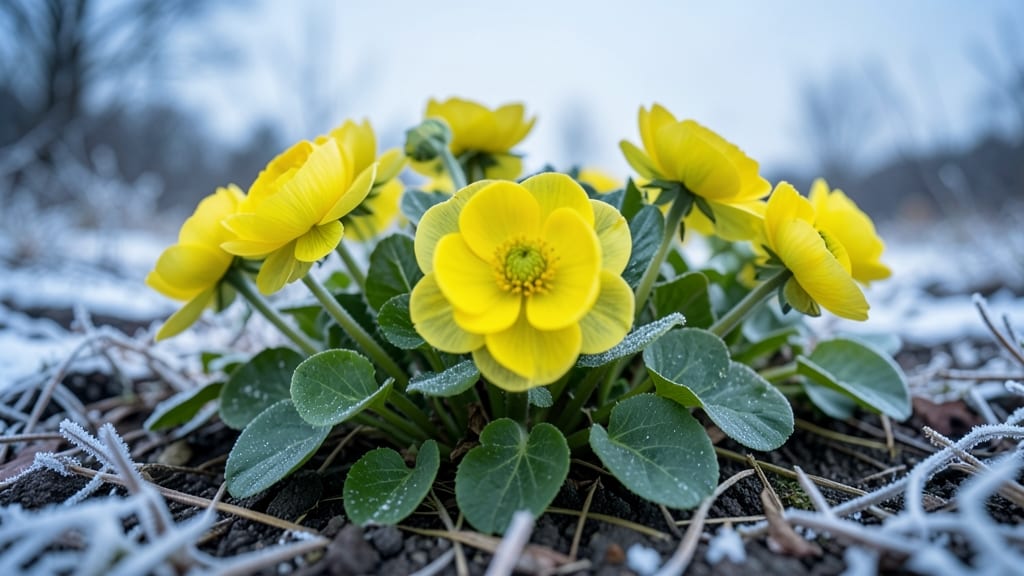
Winter gardens don’t have to be barren—these 10 resilient flowers defy the cold, blooming beautifully even in snow. Perfect for cold climates, they add color and life to your landscape when most plants are dormant.
Snowdrops Galanthus Nivalis
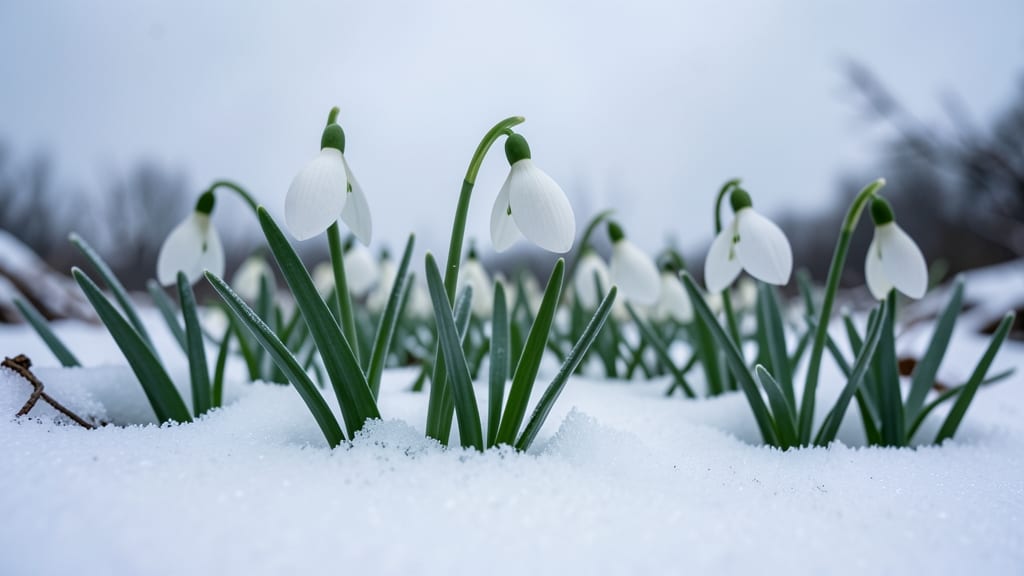
When winter feels endless, snowdrops (Galanthus nivalis) arrive like a whisper of spring, pushing through snow with their delicate white blooms. These iconic flowers thrive in USDA zones 3-9, making them perfect for cold climates where other plants remain dormant.
Plant them in partial to full shade under deciduous trees or along woodland edges, where their naturalizing habit spreads gracefully over time. Snowdrops prefer moist, well-drained soil and can even bloom under a light dusting of snow, symbolizing resilience. Their early flowers provide vital nectar for bees when little else is available.
Ideal for woodland gardens, borders, or containers, snowdrops bring hope to winter landscapes while requiring almost no maintenance. Perfect for gardeners who want effortless beauty in the coldest months. 🌱
Winter Aconite Eranthis Hyemalis
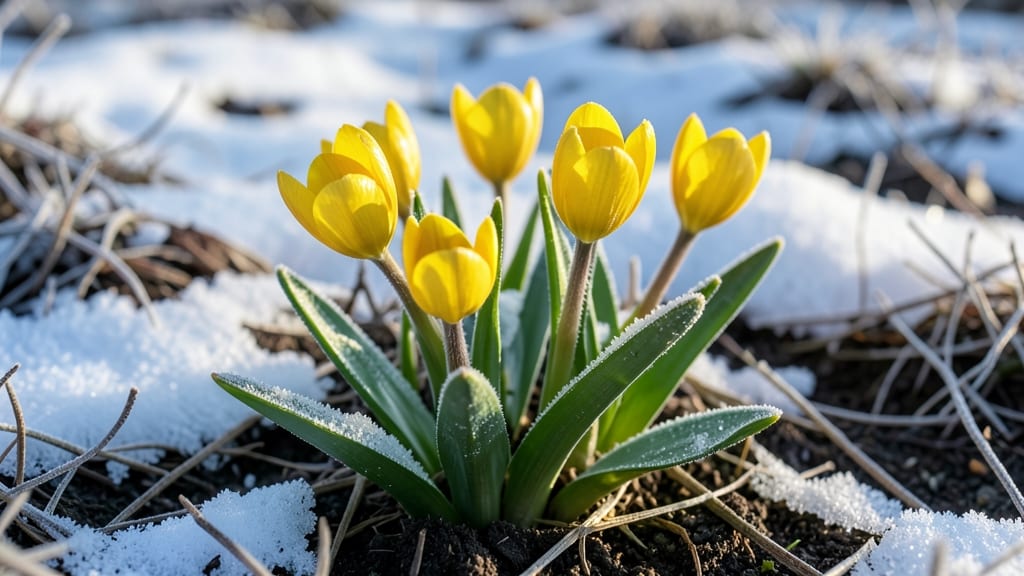
If you crave a burst of sunshine in your winter garden, winter aconite (Eranthis hyemalis) delivers with its cheerful bright yellow blooms that appear when most plants are still dormant. Unlike many winter flowers, this hardy perennial thrives in extreme cold, surviving temperatures down to -20°F, making it perfect for northern climates.
Plant winter aconite in sunny, well-drained spots, such as rock gardens or slopes, where its low-growing habit won’t compete with other plants. The flowers emerge directly from the soil in late winter, often before the leaves appear, creating a stunning contrast against bare branches. Once established, it spreads slowly, forming tidy colonies that multiply over time.
This is the ideal choice for gardeners who want early color with minimal effort—perfect for rock garden enthusiasts or those looking to brighten up shady corners. 🌻
Hellebore Lenten Rose
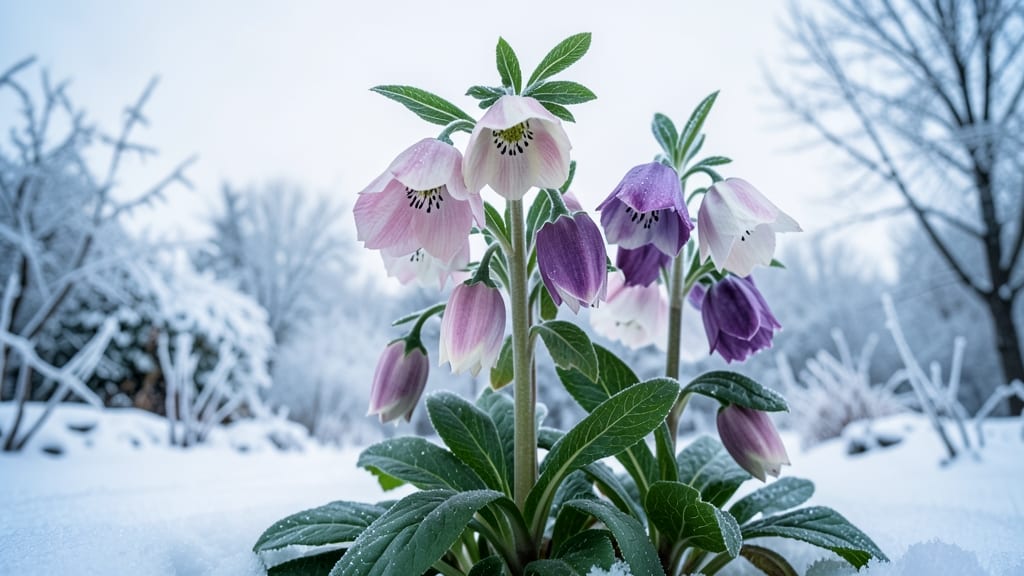
When most gardens are buried under snow, the Hellebore Lenten Rose stands tall with its evergreen foliage and delicate, nodding blooms in shades of pink, white, or purple. This shade-loving perennial blooms from late winter to early spring, offering a striking contrast to frost-kissed landscapes.
Thriving in USDA zones 4-9, hellebores prefer partial to full shade and well-drained soil, making them ideal for woodland gardens, foundation plantings, or under trees. Their leathery leaves stay green year-round, while flowers last for weeks, even through light snowfall. Deadhead spent blooms to encourage more flowers and protect foliage with a layer of mulch in harsh winters.
Perfect for gardeners who love low-maintenance plants with year-round interest, hellebores also deter deer and rabbits, making them a practical choice for problem areas. 🌷
Crocus Snow Flower
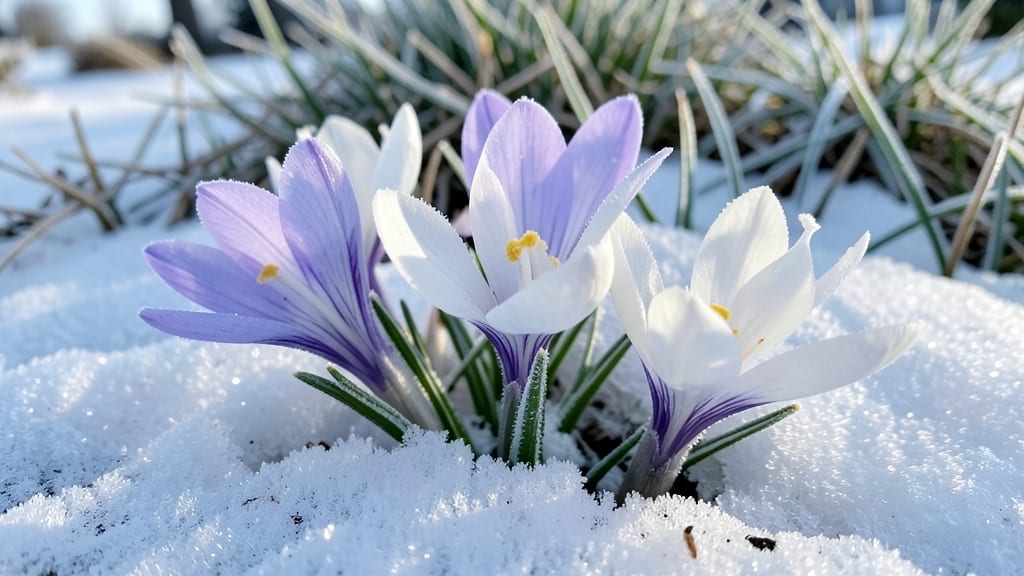
Imagine stepping outside in late winter to find delicate purple or white crocus flowers pushing through a light dusting of snow—this is the magic of the Crocus Snow Flower. Unlike other winter bloomers, these tiny but bold flowers thrive under snow, making them one of nature’s earliest pollinator magnets.
Plant them in full sun to partial shade, and they’ll naturalize effortlessly in lawns, borders, or rock gardens. The 6-inch-tall blooms appear as early as February in many climates, providing a splash of color when little else is growing. They’re also drought-tolerant once established, requiring minimal care beyond occasional division every few years.
Perfect for gardeners in USDA zones 3-8, these flowers are especially rewarding for those with early pollinators like bees. Just sprinkle the corms in fall, and you’ll have a year-round showstopper with almost no effort. 🌱
Christmas Rose Helleborus Niger
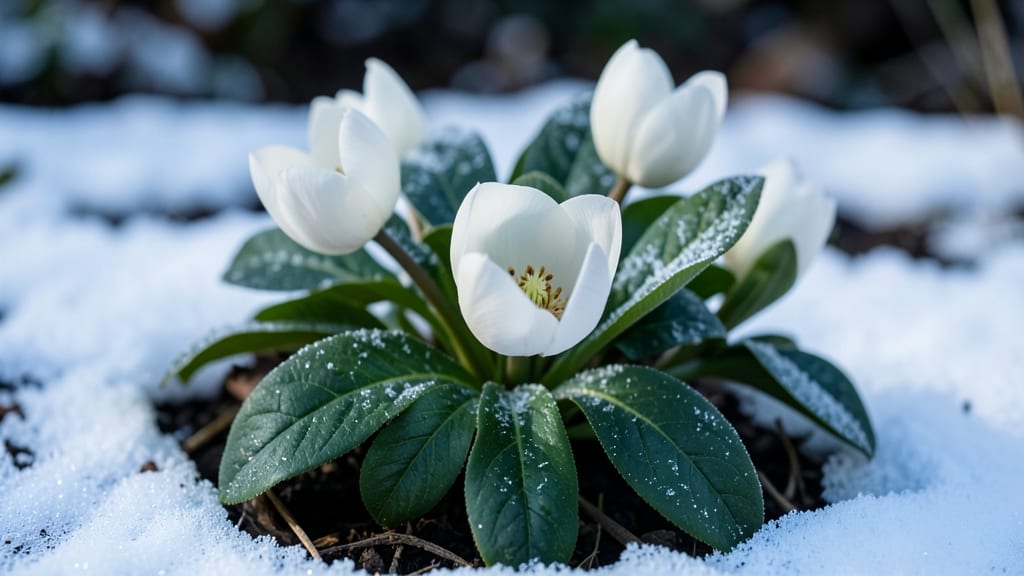
Bring a touch of holiday magic to your winter garden with the Christmas Rose (Helleborus niger), a timeless perennial that blooms in the heart of winter with pure white, cup-shaped flowers. Unlike other winter bloomers, this shade-loving beauty thrives in USDA zones 3-8, making it one of the hardiest choices for snowy climates.
Plant it in partial to full shade where its glossy, evergreen leaves will shine year-round. The flowers appear from late December through February, often while snow still lingers, and their delicate petals can even withstand light frost. For best results, amend heavy soil with compost and water moderately—avoid soggy roots. This plant also symbolizes hope and purity in many cultures, making it a meaningful addition to winter landscapes.
Ideal for gardeners seeking low-maintenance elegance, the Christmas Rose pairs beautifully with evergreens or early spring bulbs. Its long bloom season and deer-resistant foliage make it a standout for winter interest. ✨
Winter Jasmine Jasminum Nudiflorum
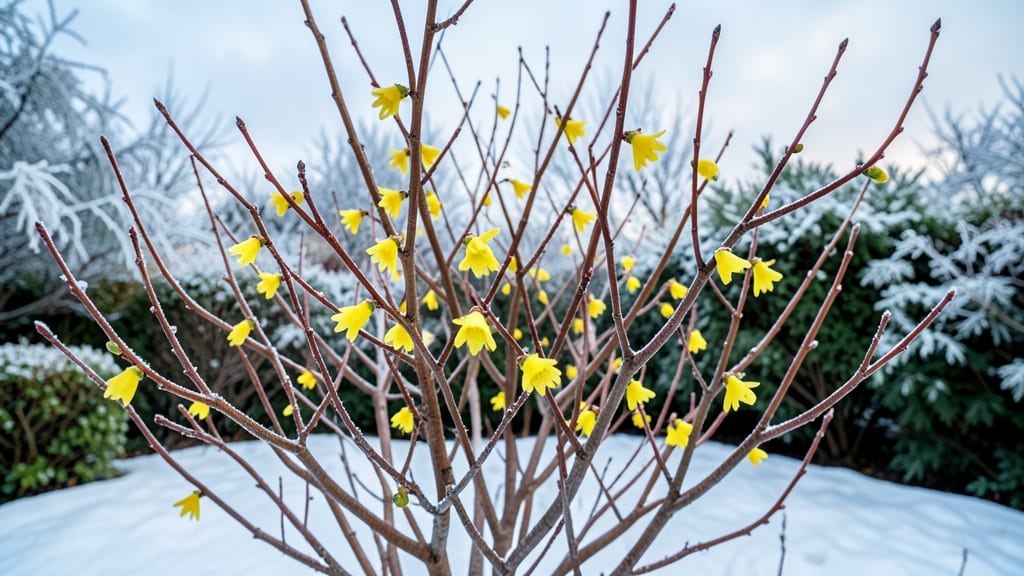
When your garden looks like a winter wonderland but you crave a pop of color, winter jasmine (Jasminum nudiflorum) delivers with its bright yellow tubular flowers that appear on bare stems before leaves even emerge. Unlike other winter bloomers, this deciduous shrub creates a stunning vertical display, perfect for adding architectural interest to walls, trellises, or fences.
Plant winter jasmine in full sun to partial shade, where its arching stems can climb or trail gracefully. The flowers bloom from late winter to early spring, often while snow still lingers, and the plant thrives in USDA zones 6-9. Prune back stems after flowering to encourage bushier growth, and enjoy its fragrant blooms that attract early pollinators. It’s ideal for gardeners who want dramatic winter color with minimal effort. 🌟
Glory of the Snow Chionodoxa Luciliae
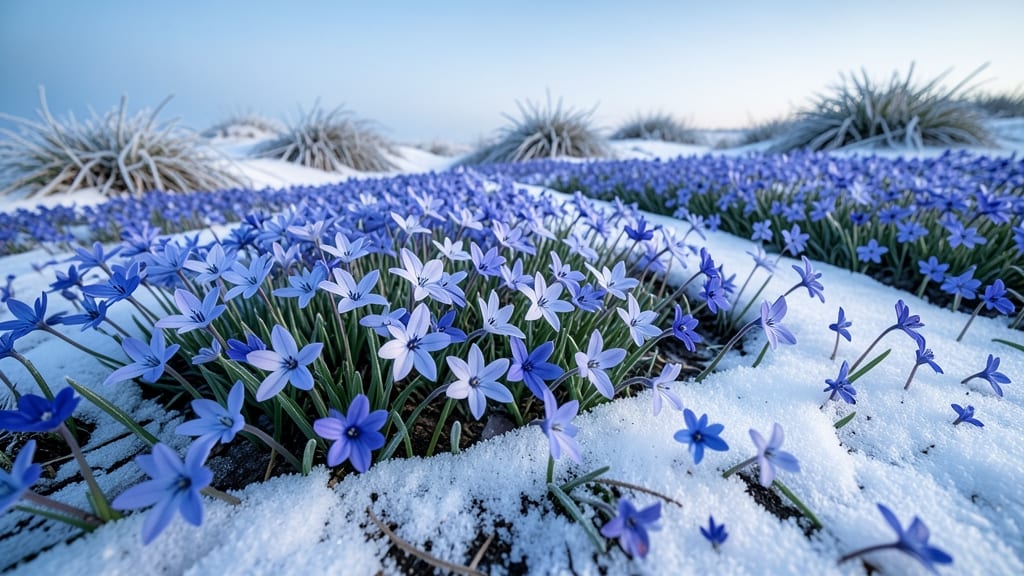
If you’ve ever dreamed of a blue carpet of flowers pushing through winter’s grip, Glory of the Snow (Chionodoxa luciliae) delivers that magic with its delicate, star-shaped blooms. These tiny but vibrant flowers emerge in late winter, often while snow still lingers, creating a stunning contrast against frost-kissed grass.
Unlike many winter bloomers, Glory of the Snow thrives in full sun to partial shade and naturalizes beautifully in lawns, meadows, or borders. Simply scatter the bulbs in fall, and they’ll multiply year after year, forming dense clusters of sky-blue flowers that attract early pollinators. They’re also drought-tolerant once established, making them ideal for low-maintenance gardens.
Perfect for gardeners who want effortless winter color, these flowers are especially rewarding in grassy areas where their delicate blooms create a fairy-tale effect. 💚
Puschkinia Scilloides
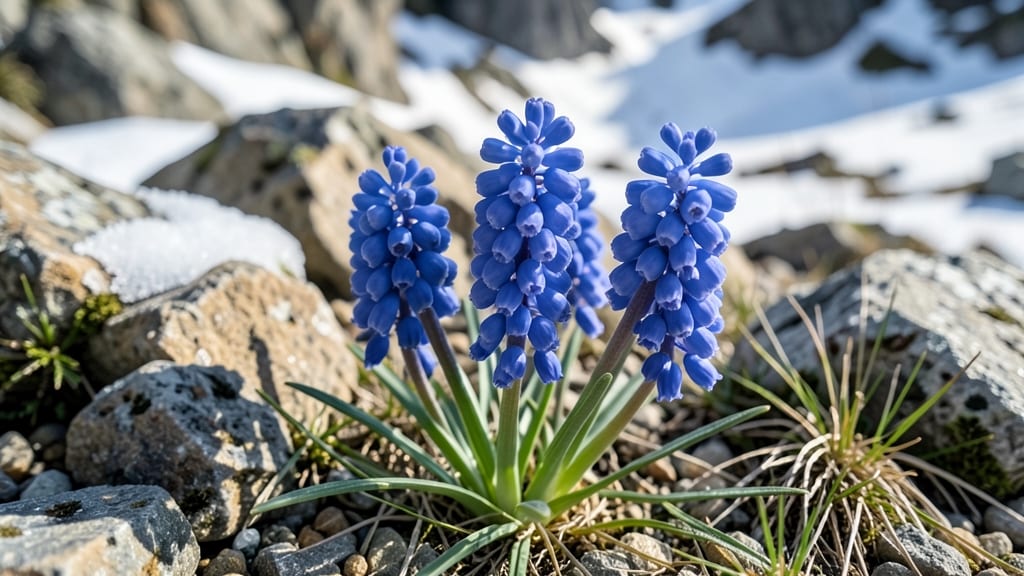
If you love the look of grape hyacinths but want something that blooms even earlier, Puschkinia scilloides delivers with its tiny star-shaped blue flowers that appear in late winter—often before snow has fully melted. Unlike its cousin, this alpine gem thrives in rocky or alpine gardens, where its delicate clusters create a magical carpet of color with almost no effort.
Plant these drought-tolerant bulbs in full sun to partial shade, mixing them with small stones or pebbles to mimic their natural habitat. They multiply over time, forming dense patches that spread cheerfully across slopes or borders. With minimal care—just occasional division every few years—you’ll enjoy their cheerful blooms year after year.
Perfect for gardeners with rock gardens, alpine collections, or containers, Puschkinia brings early color to snowy landscapes while requiring almost no maintenance. A true winter standout! 💚
Dwarf Iris Iris Histrioides
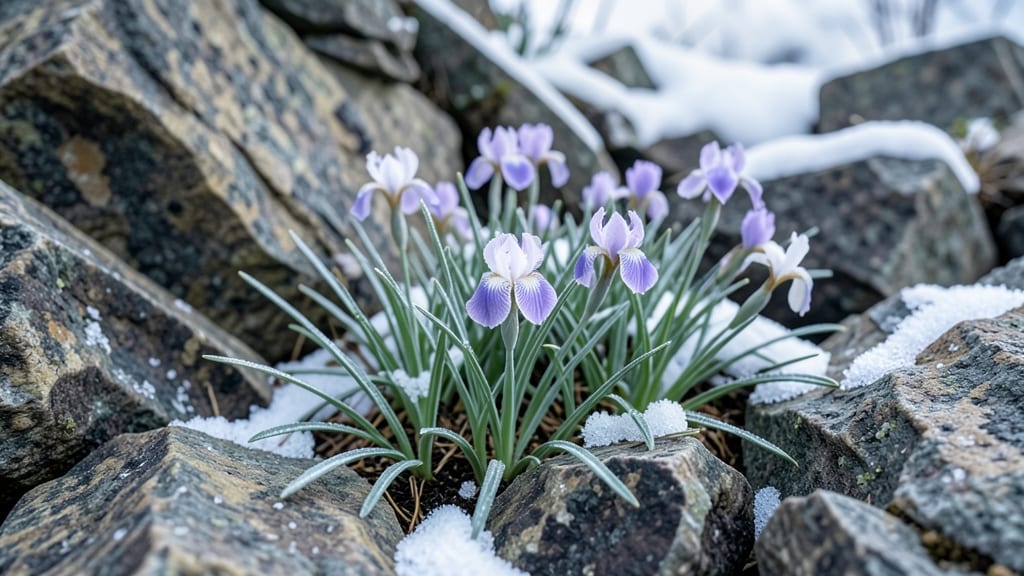
If you love the charm of irises but lack space for their towering relatives, dwarf iris (Iris histrioides) delivers all the elegance in miniature form. These tiny perennials produce delicate purple or white blooms in late winter, often while snow still lingers, making them a standout in rock gardens or containers.
Thriving in USDA zones 4-9, they prefer full sun to partial shade and well-drained soil, tolerating drought once established. Their grass-like foliage stays tidy, and they multiply slowly, creating natural clusters over time. Unlike larger irises, these stay compact—perfect for alpine gardens, window boxes, or even crevices in stone walls.
Ideal for gardeners with limited space or rocky terrain, these irises bring early color with almost no fuss. Their cold hardiness and drought tolerance make them a low-maintenance gem for winter gardens. 🌷
Winter Aconite Ranunculus Ficaria

If you love bold color but hate battling weeds, winter aconite ranunculus (Ranunculus ficaria) delivers a striking punch with its bright yellow buttercup-like blooms that appear when most gardens are still gray. Unlike its delicate cousins, this plant spreads aggressively—making it perfect for filling empty corners or suppressing weeds in sunny, moist areas where other plants struggle.
Plant these hardy perennials in full sun to partial shade with consistently damp soil, such as near streams or in rain gardens. They thrive in USDA zones 4-9, blooming from late winter through early spring, often while snow still melts. The secret to controlling their spread? Divide clumps every 2-3 years to maintain tidy patches. Their glossy heart-shaped leaves add texture even after flowers fade.
This is the ultimate choice for gardeners who want low-maintenance drama—ideal for cottage gardens, woodland edges, or even as ground cover under trees. Just be prepared for its enthusiasm to spread! 🌻