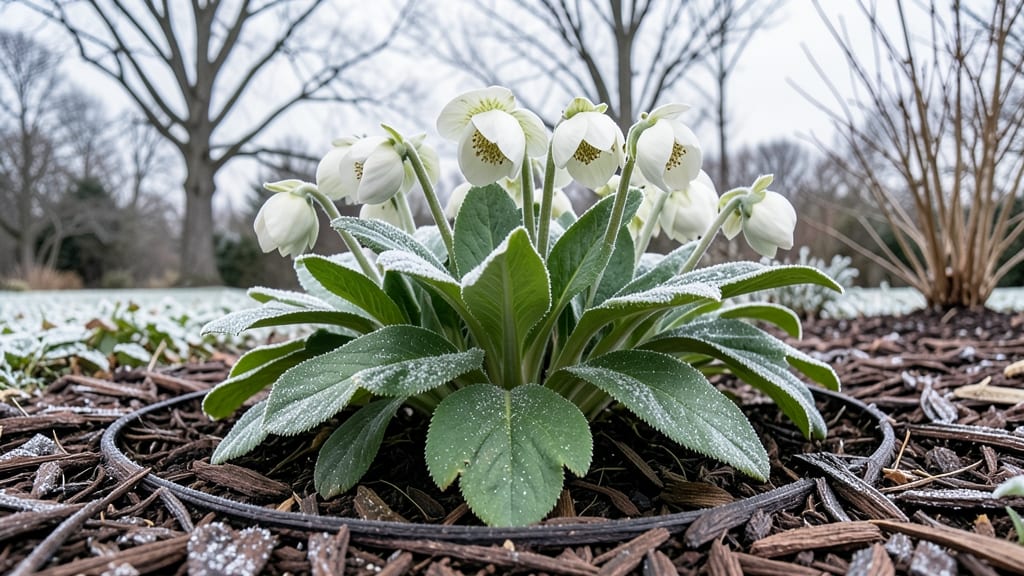
Winter-blooming flowers outside bring unexpected color and life when most gardens are dormant, proving that cold weather doesn’t have to mean a blank canvas.
Picture this: a crisp December morning where your yard bursts with bright yellow Winter Jasmine 🌸 or delicate pansies in shades of purple and white, all standing up to frost like they were born for it.
These aren’t just survivors—they’re showstoppers that turn winter into a season of beauty instead of barrenness.
Choosing the right flowers means understanding their hardiness zones, soil needs, and how to protect them from sudden cold snaps. Some, like hellebores, thrive in Zone 4 and below, while others, such as winter daphnes, prefer milder climates.
The key is matching your region’s conditions with plants that won’t just endure but flourish.
In this guide, I’ll walk you through the top cold-hardy picks, how to plant and care for them through frost, and even regional tips to make your winter garden a year-round highlight. No more boring brown landscapes—just vibrant blooms that defy the chill.
Top 10 cold-hardy flowers that thrive in winter conditions
Winter gardens can be just as vibrant as summer ones if you choose the right cold-hardy flowers. These resilient plants not only survive frost but also bloom beautifully, adding color and life to your outdoor spaces when most gardens are dormant.
Whether you're in USDA Zone 4 or Zone 7, these winter bloomers will keep your garden lively and inviting.
Selecting winter-blooming flowers means focusing on varieties that thrive in cold temperatures, often between 20°F and 35°F (-6°C to 2°C). Many of these plants have adapted to survive harsh winters, making them perfect for gardeners who want year-round interest.
Below, I’ve curated a list of the top 10 cold-hardy flowers that will bring color to your garden even in the coldest months.
| Flower Name |
USDA Zones |
Bloom Time |
Sunlight Needs |
Key Features |
| Hellebore (Lenten Rose) |
4-9 |
Late winter to early spring |
Partial shade to full shade |
Evergreen foliage, nodding flowers, deer-resistant |
| Winter Jasmine (Jasminum nudiflorum) |
5-9 |
Late winter to early spring |
Full sun |
Bright yellow flowers, fast-growing, great for trellises |
| Pansies (Viola) |
3-10 |
Fall to early spring |
Full sun to partial shade |
Edible flowers, cold-tolerant, long bloom season |
| Snowdrops (Galanthus) |
3-9 |
Late winter to early spring |
Full shade to partial shade |
One of the first flowers to bloom, symbolizes hope |
| Crocus (Autumn Crocus) |
3-8 |
Late fall to early spring |
Full sun to partial shade |
Early bloomer, naturalizes easily, attracts pollinators |
| Winter Aconite (Eranthis hyemalis) |
4-8 |
Late winter |
Full sun to partial shade |
Bright yellow blooms, low-growing, great for borders |
| Daffodils (Narcissus) |
3-10 |
Late winter to early spring |
Full sun |
Deer-resistant, long-lasting, symbolizes new beginnings |
| Horned Violet (Viola cornuta) |
4-8 |
Late winter to spring |
Partial shade |
Unique horn-shaped petals, great for containers |
| Winter Honeysuckle (Lonicera fragrantissima) |
5-8 |
How to choose and care for winter-blooming flowers
Selecting the right winter-blooming flowers starts with understanding their cold hardiness and light requirements. Many varieties thrive in USDA zones 4-8, making them perfect for northern gardens. Look for plants like Hellebores, Winter Jasmine, and Pansies, which offer vibrant colors even in frost.
Before planting, prepare your soil by amending it with organic matter like compost. This improves drainage and nutrient retention, crucial for winter survival. Test your soil’s pH—most winter bloomers prefer slightly acidic to neutral conditions (6.0-7.0).
⚠️
Winter Protection Pitfalls
Avoid these common mistakes when caring for flowers that bloom in winter outside:
- Overwatering before frost—leads to root rot in frozen soil.
- Using heavy mulch too early—traps moisture and smothers plants.
- Ignoring wind protection—exposed plants dry out faster in winter winds.
Once planted, mulch heavily (3-4 inches) with straw or shredded leaves to insulate roots. For extreme cold snaps, cover tender varieties with burlap or frost cloth. Remove covers during the day to prevent overheating from sunlight.
Watering is key—keep soil slightly moist but never soggy. Reduce frequency in winter but avoid letting roots dry out completely. Morning watering is best to prevent ice buildup overnight.
Prune dead or damaged foliage in early spring to encourage new growth. Avoid heavy pruning in late winter, as it removes buds that may already be forming. Feed lightly with a balanced fertilizer (10-10-10) in early spring to support blooming.
Monitor for pests like slugs and diseases from excess moisture. Use organic slug bait or beer traps, and ensure good airflow to prevent fungal issues. With proper care, your winter garden will stay vibrant until spring!
★★★★★4.9(7 reviews)
|