
Flowers
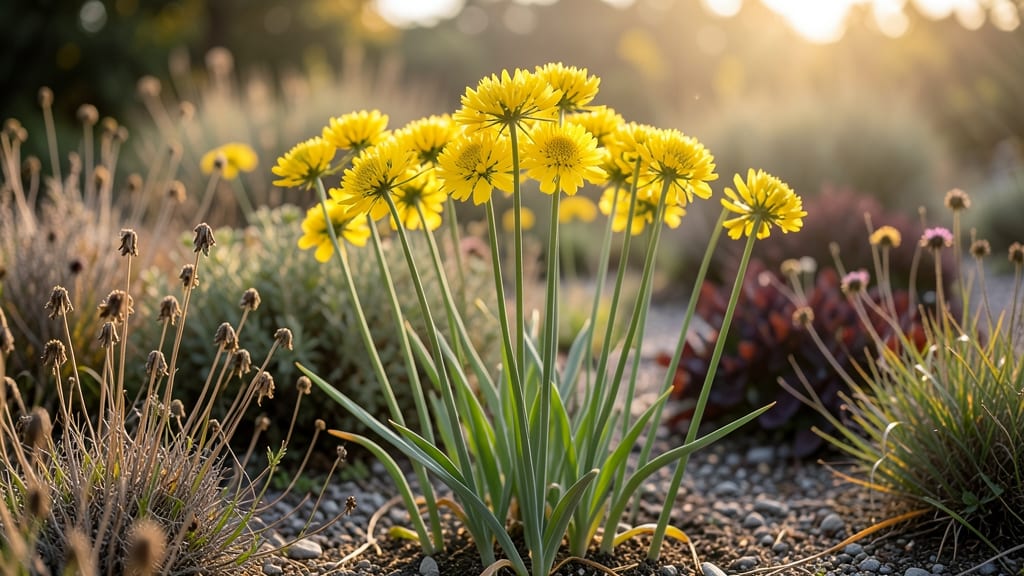
Fall gardens don’t have to fade into brown—these 10 flower bulbs bring vibrant color, rich fragrance, and late-season beauty when most plants have already retired. Perfect for extending your blooming season and attracting pollinators, these hardy bulbs thrive in cooler weather and deliver stunning displays from September through November.
Autumn Crocus (Colchicum autumnale)
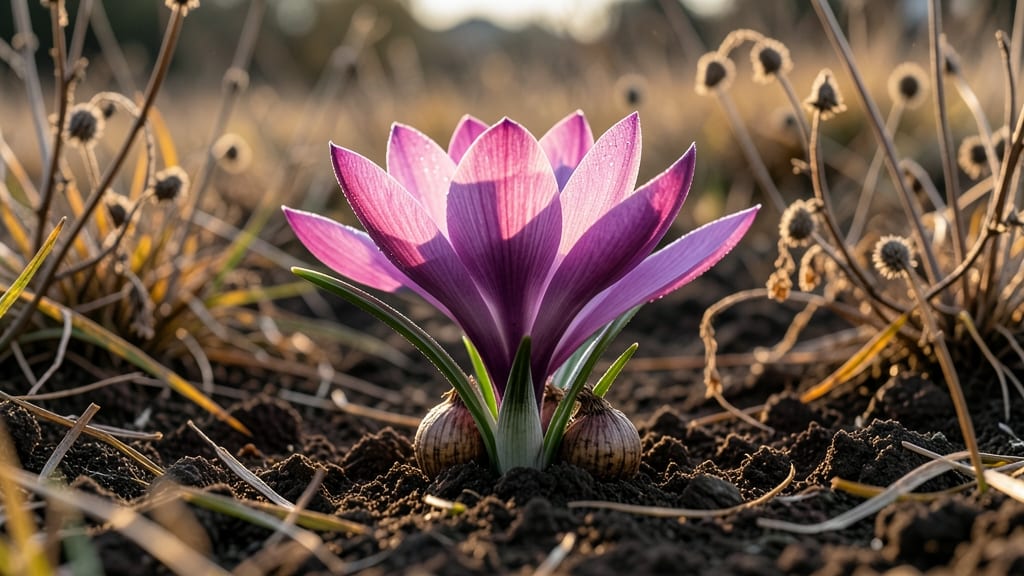
When most gardens are winding down, Autumn Crocus (Colchicum autumnale) steps in to deliver a magical burst of color. Unlike its spring-blooming cousins, this bulb produces magenta-pink flowers that emerge directly from the soil in late September—often before the first frost arrives.
Plant the bulbs in well-drained soil under deciduous trees or in woodland gardens where they can naturalize effortlessly. These hardy bulbs thrive in partial to full shade and require minimal care once established—just water occasionally during dry spells. The foliage may not appear until spring, but the stunning blooms make it worth the wait.
Perfect for gardeners who love low-maintenance plants with high impact, Autumn Crocus is especially rewarding for those in USDA zones 3-8. Its late-season blooms attract pollinators and add a touch of whimsy to shaded corners. 💚
Fall Daffodil (Sternbergia lutea)
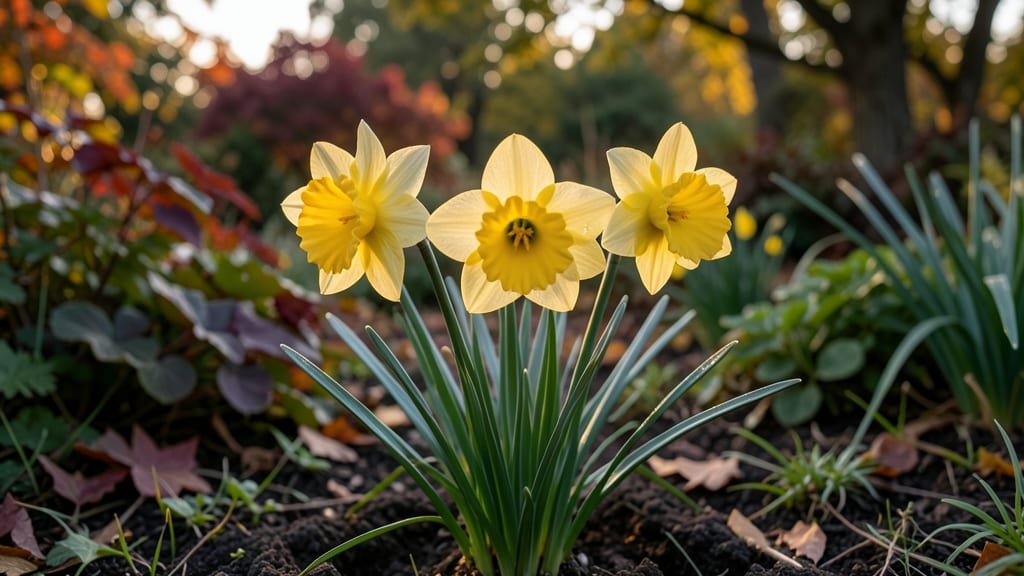
If you love the classic scent of daffodils but wish they bloomed later in the season, Sternbergia lutea is your perfect alternative. This fragrant fall daffodil produces cheerful golden-yellow flowers in October—just when most gardens are winding down—adding a burst of sunshine to your landscape.
Native to Mediterranean climates, it thrives in well-drained soils and full sun, making it ideal for rock gardens, containers, or slopes. Unlike its spring-blooming cousins, this bulb stores energy underground during summer droughts, then bursts into bloom when temperatures drop. Its low-maintenance nature and drought tolerance make it a standout for urban gardeners or those with dry, rocky terrain.
Perfect for gardeners in zones 7-9, this bulb also makes a stunning cut flower—its intoxicating fragrance fills rooms with a fresh, citrusy aroma. Add it to your fall planting list for a late-season showstopper that won’t disappoint. 🌻
Mexican Rain Lily (Zephyranthes candida)
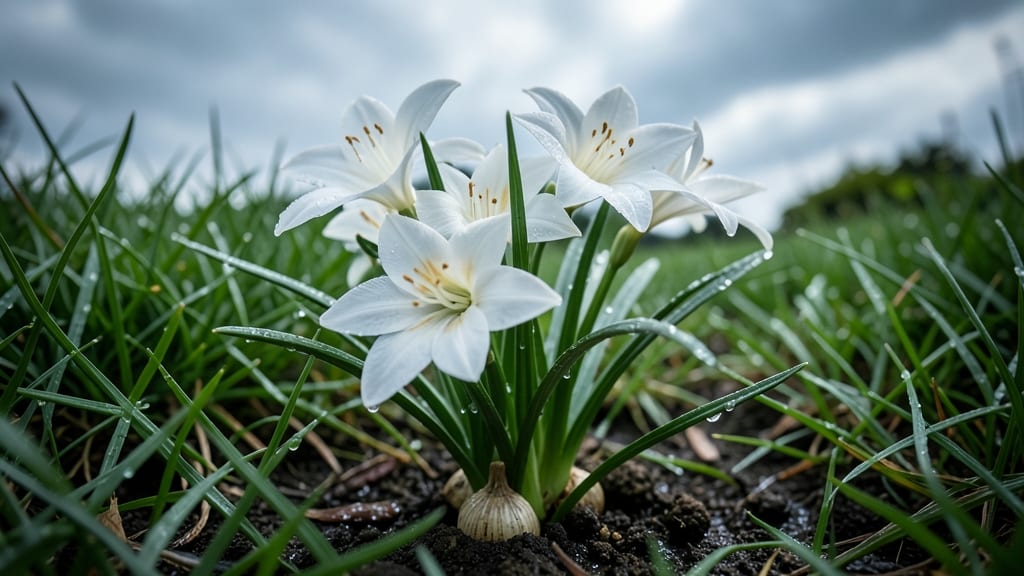
If you’ve ever wished for a plant that magically blooms after a summer shower, Mexican Rain Lily (Zephyranthes candida) is your answer. Unlike most bulbs, this plant grows from a corm and erupts in clusters of pure white, star-shaped flowers within hours of rainfall—making it a dramatic focal point for warm climates and containers.
Thriving in USDA zones 8+, this drought-tolerant beauty needs just 6 hours of sun daily and well-drained soil. After blooming in late summer/fall, simply dig up the corms in winter and store them indoors—no special care required. Its fragrant, night-blooming habit also attracts pollinators like moths, adding extra garden magic.
Perfect for urban gardeners with limited space or those in hot climates, this low-maintenance plant delivers instant drama with minimal effort. Just plant, water, and watch it bloom! 🌻
Cyclamen (Cyclamen hederifolium)
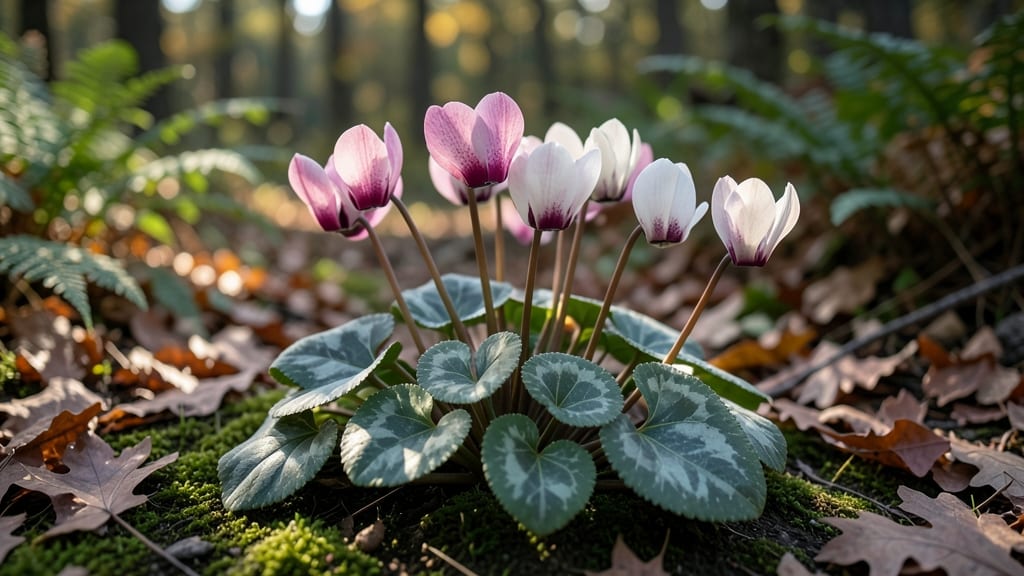
If your garden feels dull by late summer, cyclamen (Cyclamen hederifolium) is your secret weapon for fall color in shady spots. Unlike sun-loving bulbs, this woodland native thrives where others fail—producing delicate pink or white blooms from September through November while its heart-shaped leaves stay attractive year-round.
Plant the tubers in well-draining soil under deciduous trees or shrubs, where they’ll receive dappled shade. Water lightly during dormancy (summer) but keep soil moist when blooming. Unlike spring bulbs, cyclamen hates disturbance—plant tubers just below soil level in early fall and let them naturalize over time. The fragrant flowers attract pollinators, while the foliage prevents bare soil from showing through winter.
Perfect for shade gardeners, woodland creators, and pollinator enthusiasts, cyclamen turns forgotten corners into magical displays. Its low-maintenance charm makes it ideal for beginners and experienced gardeners alike. 🌿
Fall-Blooming Tulip (Tulipa clusiana)
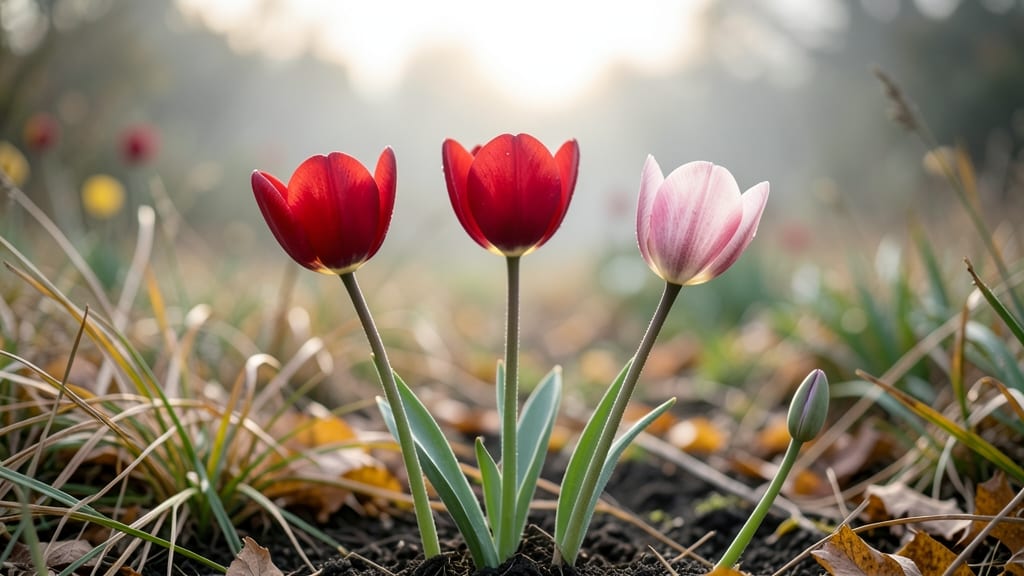
If you're craving tulips but tired of waiting until spring, Tulipa clusiana delivers a stunning surprise in late fall. This underrated species produces delicate, cup-shaped blooms in deep red or soft pink, perfect for adding color when other gardens are winding down.
Unlike its spring-blooming cousins, Tulipa clusiana thrives in protected microclimates like sheltered borders or containers near south-facing walls. Plant bulbs in well-drained soil in early fall (September-October) and enjoy blooms from November through December. For indoor forcing, dig up bulbs in early fall, pot them, and place in a cool, dark spot until buds appear.
Ideal for gardeners in USDA zones 5-8, this tulip brings unexpected beauty to fall tablescapes or winter window boxes. Its compact size (10-12 inches tall) makes it perfect for small spaces or urban gardens. 🌷
Japanese Anemone (Anemone hupehensis)
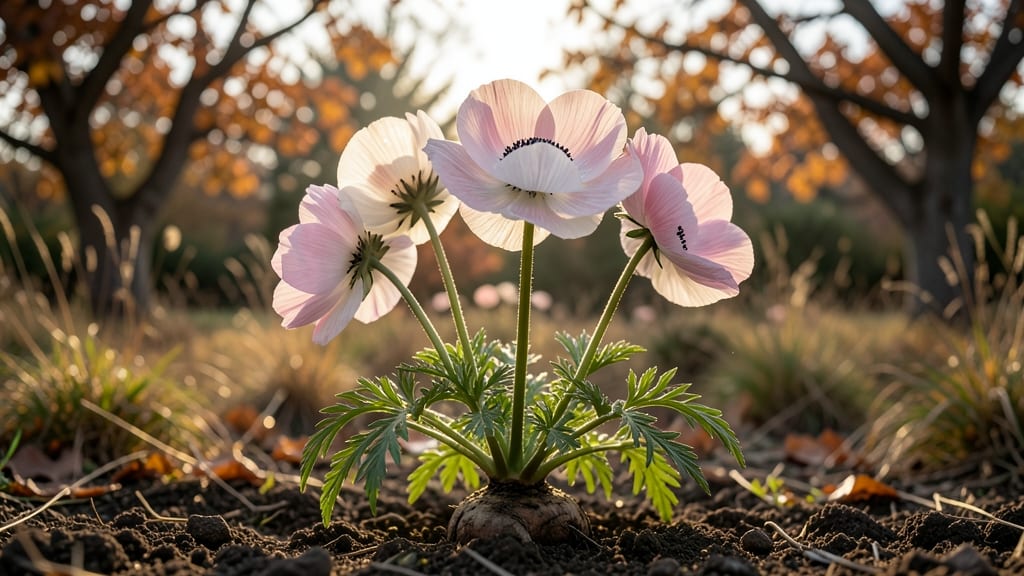
If you crave late-season romance in your garden, Japanese anemone (Anemone hupehensis) is your secret weapon. Unlike traditional bulbs, this plant grows from a tuber but behaves like one, delivering soft pink or white blooms from September through October—just as other flowers fade.
Plant the tubers in early spring or fall, 2-3 inches deep in moist, well-drained soil with partial shade. The airy, daisy-like flowers attract butterflies and bees, while its fern-like foliage adds texture year-round. Perfect for cottage gardens, it thrives in USDA zones 4-8, making it ideal for cooler climates.
Cottage gardeners and pollinator enthusiasts will love how this plant bridges summer and fall with minimal fuss. 🌷
Fall-Blooming Snowdrop (Galanthus byzaniticus)
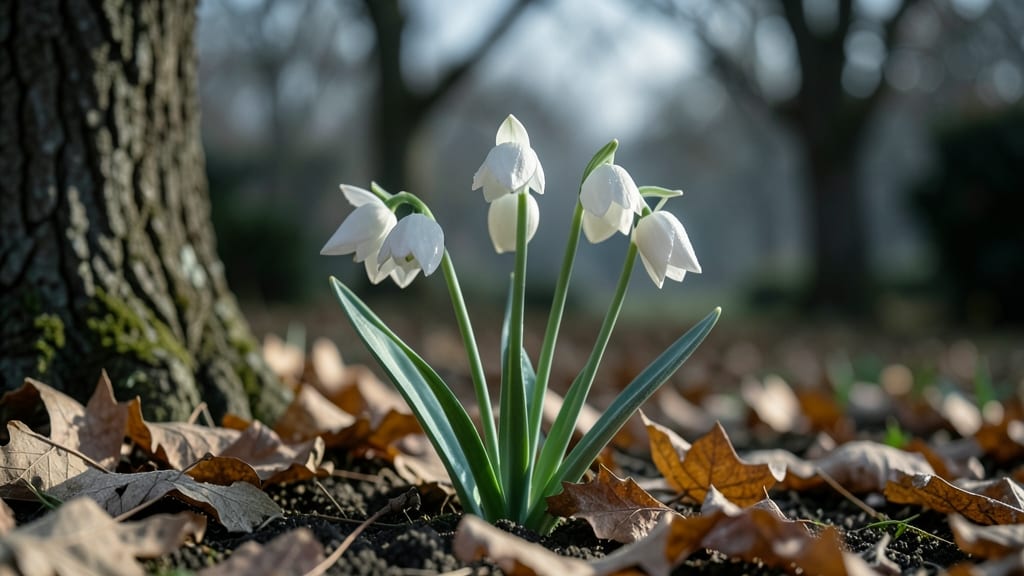
When your garden seems to lose its luster as summer fades, Galanthus byzaniticus steps in as a quiet hero. This fall-blooming snowdrop defies expectations by producing delicate, pure white bell-shaped flowers in October, when most gardens are already winding down. Its early arrival makes it a standout for adding fresh color to shady borders before winter sets in.
Thriving in USDA zones 5-9, this hardy bulb prefers partial to full shade and well-drained soil, making it ideal for under trees or along north-facing walls. Unlike its spring-blooming cousins, this variety blooms before the first frost, often lasting for weeks. Plant bulbs in fall (September-October) at a depth of 3-4 inches, and they’ll reward you with year-round foliage that stays green even in winter.
Perfect for gardeners who love low-maintenance perennials or want to extend their autumn interest, this snowdrop is also deer-resistant and thrives in containers or woodland gardens. It’s the ultimate understated beauty for those who appreciate subtle elegance. 🌱
Crinum Lily (Crinum x powellii)
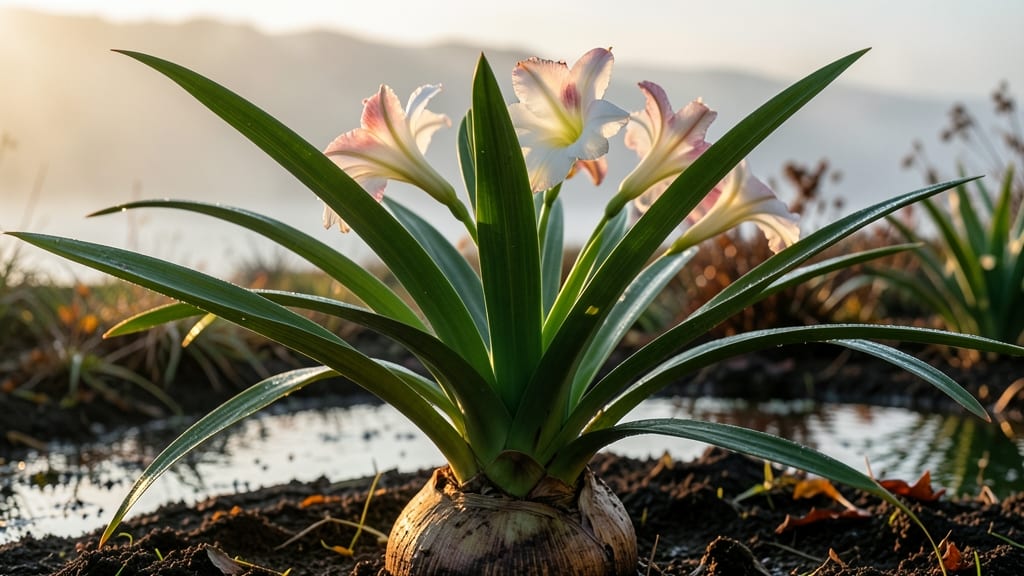
If you live in USDA zones 8-11 and want a fragrant, tropical bulb that blooms in late fall when most gardens are winding down, the Crinum Lily (Crinum x powellii) is your answer. This striking plant thrives in coastal or water garden settings where traditional bulbs struggle, producing large, showy flowers in white or soft pink hues.
Unlike many fall-blooming bulbs, Crinum lilies love moist, well-drained soil and can even grow partially submerged in ponds or along stream edges. Their long, strappy foliage adds texture year-round, while the heavy fragrance of their blooms attracts pollinators like hummingbirds and bees. Plant bulbs in full sun to partial shade after the last frost for late fall blooms that last through winter in mild climates.
Perfect for gardeners in warm coastal regions, Crinum lilies bring drama to water features or shoreline plantings where few other bulbs survive. Their low-maintenance nature and drought tolerance once established make them a standout for effortless seasonal interest. 🌻
Fall-Blooming Hyacinth (Hyacinthus orientalis)
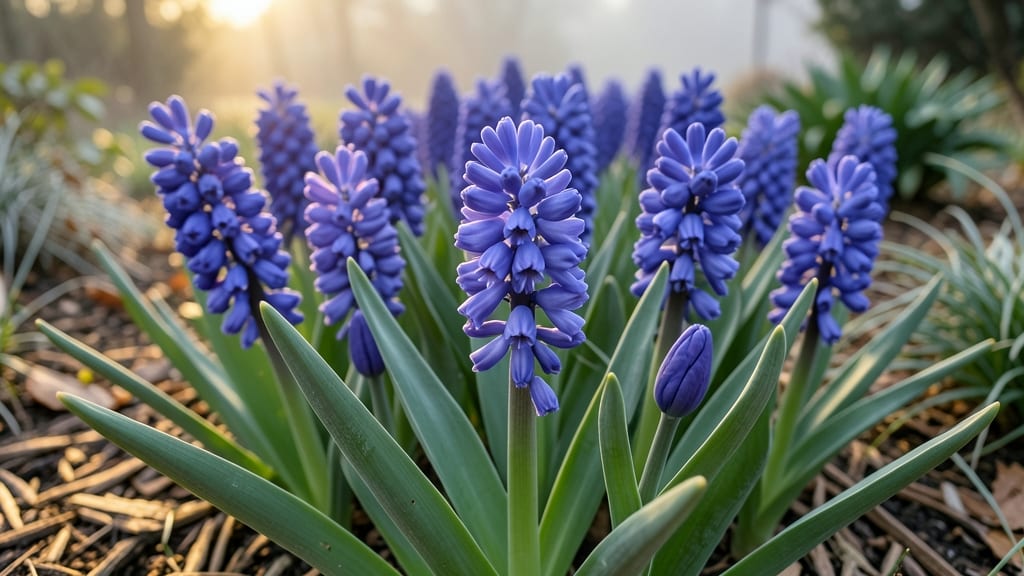
If you’ve ever missed the fragrance of spring hyacinths in your autumn garden, fall-blooming Hyacinthus orientalis is your answer. Unlike its spring counterparts, this variety bursts into fragrant clusters in September, offering a rare late-season burst of color and scent when most gardens are winding down.
Plant these bulbs in well-drained soil with 6 hours of sun in sheltered spots—like near south-facing walls or under deciduous trees—to protect them from harsh winter winds. They thrive in containers too, making them perfect for patios or balconies where spring bulbs might struggle. The blooms, often deep purple but available in pink and white, release a sweet, intoxicating fragrance that lingers in the evening air.
Gardeners in cooler climates (USDA zones 5-8) will love how these bulbs naturalize over time, creating fragrant carpets of color year after year. For urban gardeners or those with limited space, forcing them indoors in late summer guarantees a show-stopping centerpiece just as fall decor comes out. 🌷
Fall-Blooming Allium (Allium moly)

Looking for a drought-tolerant bulb that adds a pop of sunshine to your late-season garden? Allium moly delivers bright yellow, star-shaped blooms from late summer through fall, standing out when most perennials have faded.
This hardy allium thrives in rock gardens, pollinator-friendly borders, and even containers, requiring minimal care once established. Plant bulbs in well-drained soil with 4-6 hours of sun, and they’ll reward you with clusters of cheerful flowers that bees and butterflies adore. Unlike its purple cousins, this variety blooms reliably in USDA zones 4-9, making it a versatile choice for nearly any climate.
Perfect for gardeners who want low-maintenance color without sacrificing beauty, Allium moly is the unsung hero of fall gardens. 🌻