
Blooming
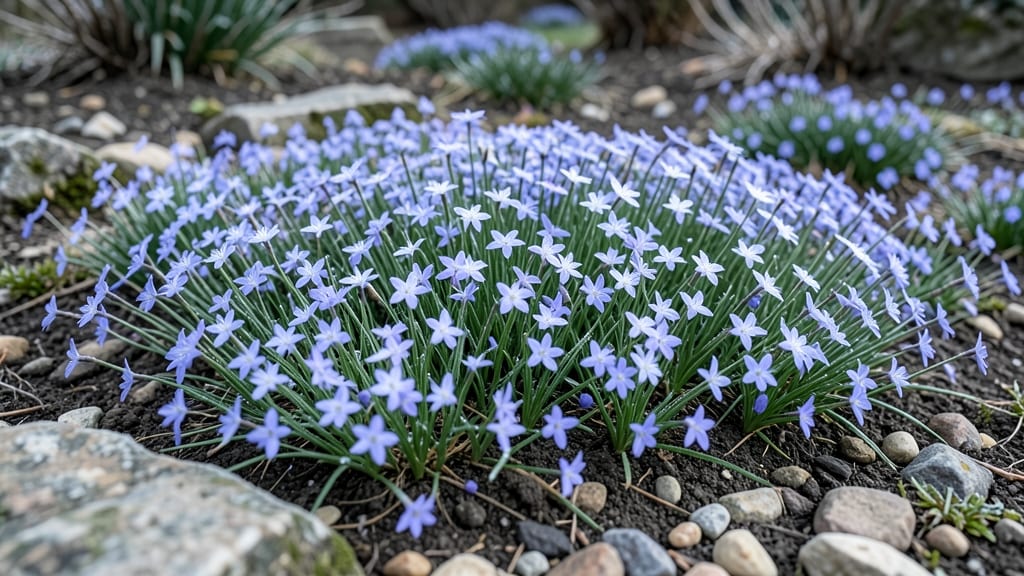
Spring’s earliest blooms bring color and life after winter’s dormancy. These 10 hardy flowers defy frost, thrive in cold soil, and create vibrant focal points to jumpstart your garden season.
Snowdrops Galanthus Nivalis
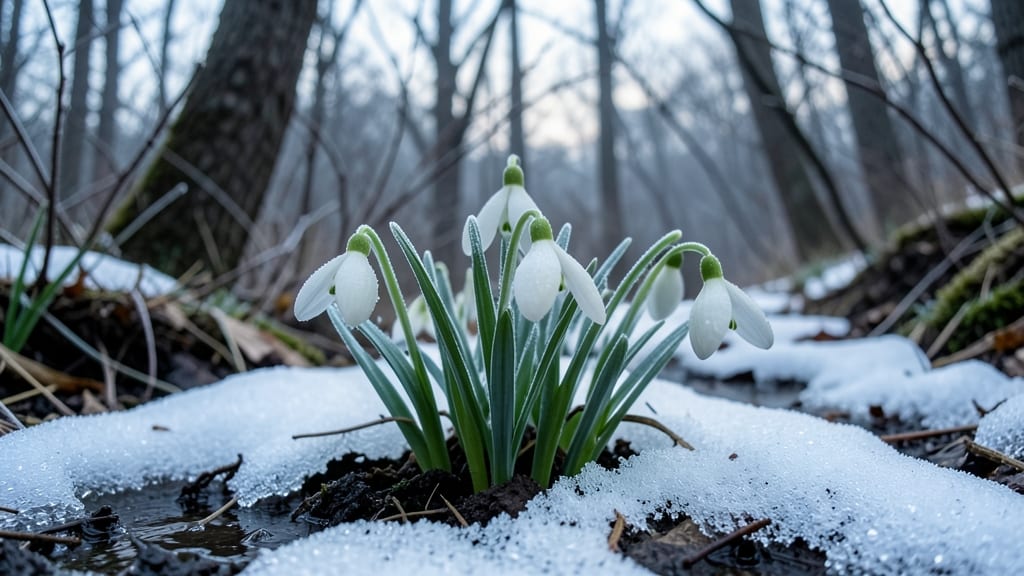
When winter still clings to your garden, snowdrops (Galanthus nivalis) defy the cold with their delicate white blooms, often pushing through snow to announce spring’s arrival. These hardy perennials thrive in temperatures as low as 10°F, making them the ultimate underdog for shady spots where other plants struggle.
Plant them in woodland gardens or partial shade, where their slender stems and nodding flowers create a magical carpet of early color. They naturalize effortlessly, multiplying over time to form dense colonies. For best results, plant bulbs in fall under deciduous trees or along borders, where their evergreen foliage adds winter interest.
Perfect for beginners and woodland gardeners, snowdrops require almost no maintenance—just moist, well-drained soil and patience. Their ability to bloom before most plants wake up makes them a must-have for early-season cheer. 🌱
Crocus Vernus Dutch Master
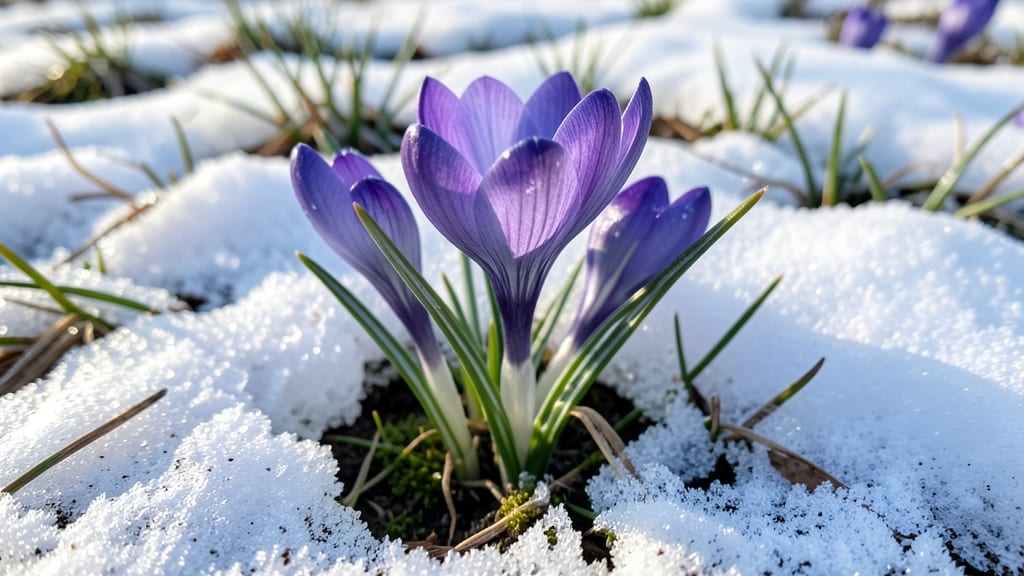
While snowdrops steal the show in deep shade, Crocus vernus 'Dutch Master' thrives where few other spring flowers dare to bloom—right through melting snow. This purple crocus isn’t just a pretty face; it’s a hardworking pollinator magnet that emerges when bees are still hibernating, giving them their first meal of the season.
Plant bulbs in full sun to partial shade from fall through early winter, 3-4 inches deep and 3-4 inches apart. They naturalize effortlessly in lawns, rock gardens, or even between stepping stones, multiplying yearly without fuss. A single clump can produce dozens of blooms, creating a carpet of purple that brightens even the coldest corners of your garden.
Perfect for low-maintenance gardeners and urban spaces, these crocuses thrive in poor soil and tolerate drought once established. Their early blooms also make them ideal for cutting arrangements before other flowers are ready. 🌻
Winter Aconite Eranthis Hyemalis
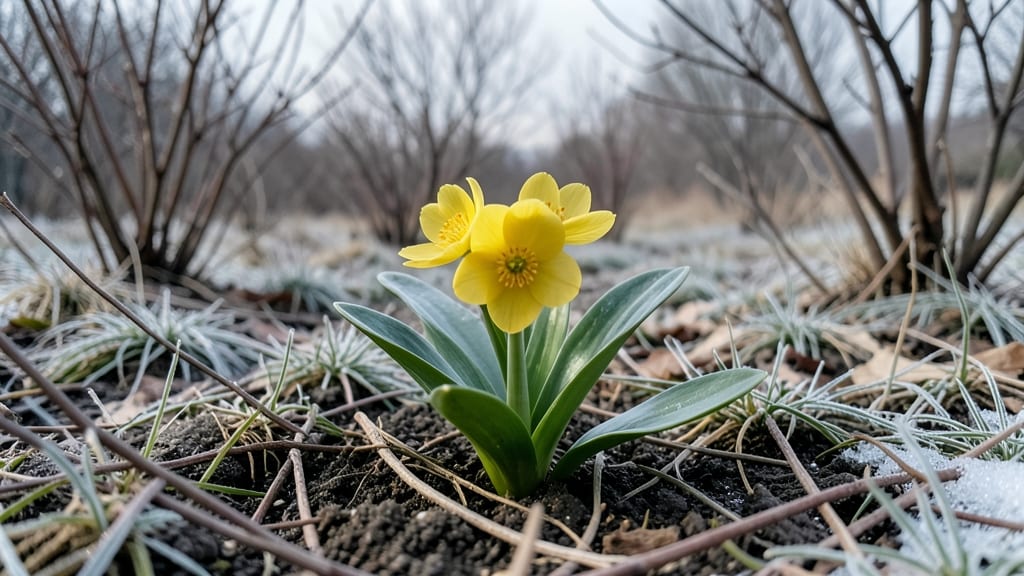
When your garden still looks like a winter landscape, winter aconite (Eranthis hyemalis) arrives like a cheerful surprise, blooming as early as February with bright yellow flowers. Unlike many spring stars, this hardy perennial thrives in both full sun and partial shade, making it perfect for understory planting where other flowers struggle.
Its secret weapon? A self-spreading habit that creates dense carpets of foliage and blooms under trees or shrubs. Plant bulbs 2-3 inches deep in well-drained soil in fall, and you’ll get year-round interest—the glossy basal leaves persist even after flowers fade. This low-maintenance beauty multiplies quickly, rewarding patient gardeners with vibrant displays for decades.
Urban gardeners and shade-lovers will appreciate how winter aconite brightens dull corners while requiring almost no care. It’s one of the first first flowers to bloom in spring that truly delivers instant joy. ✨
Hellebore Lenten Rose
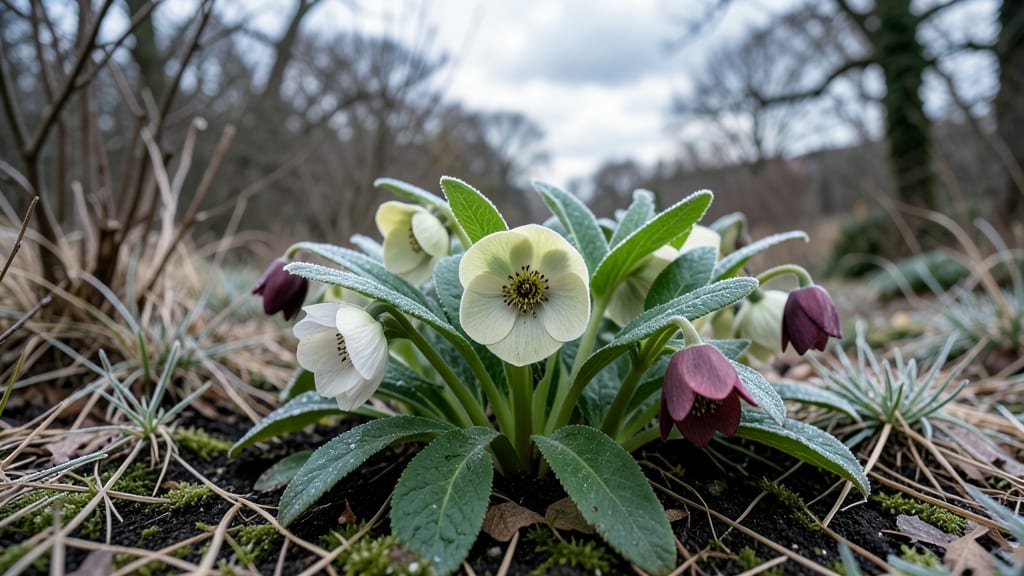
When your garden still looks like a winter landscape, hellebores step in as the unsung heroes of early spring with their evergreen foliage and delicate nodding blooms. Unlike other spring flowers that wait for warmer weather, these shade-loving perennials bloom from February to April, offering color when most plants are still dormant.
Hellebores thrive in partial to full shade, making them perfect for problem areas under trees or along north-facing walls. Their pink, white, or purple flowers last for weeks and make stunning cut arrangements that last longer than most spring blooms. Simply deadhead spent blooms to encourage more flowers, and they’ll reward you with year-round interest thanks to their glossy, leathery leaves.
This is the ideal plant for gardeners who want low-maintenance beauty in shady spots, whether you're filling a woodland garden or adding drama to containers. 💚
Pulsatilla Pasque Flower
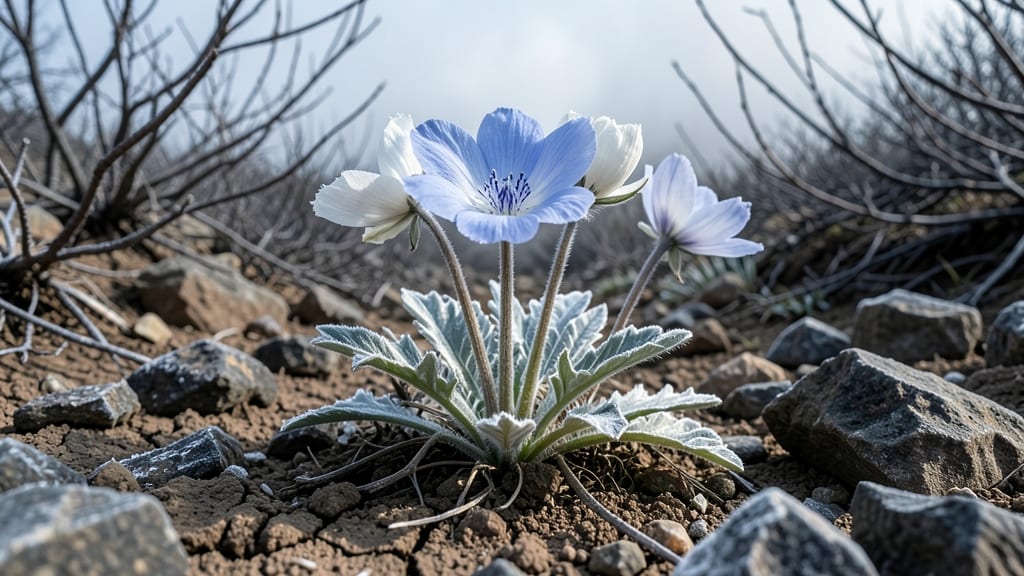
When your garden feels like a winter wasteland and other plants refuse to cooperate, Pulsatilla (Pasque Flower) steps up with its silky blue or white blooms that appear as early as March. This hardy perennial thrives in conditions where most plants would surrender—poor, dry soils and even rocky slopes—making it a game-changer for neglected or challenging areas.
Pasque Flowers are a lifeline for early pollinators like bees and butterflies, who emerge hungry after winter. Their feathery petals and fuzzy seed heads add texture to prairie-style gardens, while their ability to self-seed ensures long-term beauty. Plant them in full sun and water sparingly once established—this is one plant that rewards low-maintenance gardening with high-impact results.
Perfect for drought-tolerant gardens or as a focal point in wildflower meadows, Pasque Flowers prove that beauty and resilience go hand in hand. 🌻
Primrose Primula Vulgaris
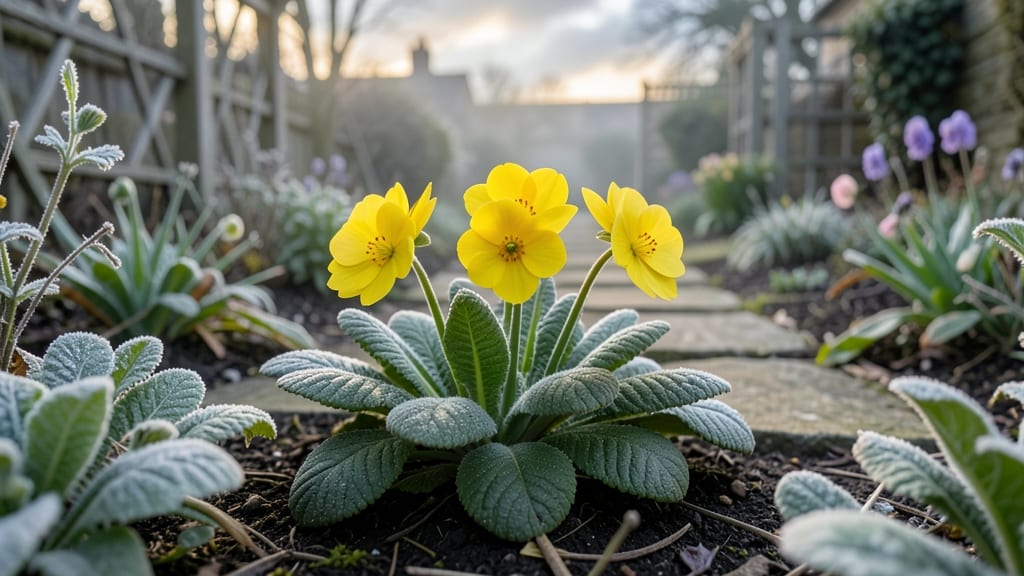
If your garden needs a cheerful burst of color that survives spring’s unpredictable chill, Primula vulgaris (primrose) is your answer. These bright yellow blooms often emerge in late winter or early spring, defying light frost and bringing much-needed brightness to cottage-style gardens.
Primroses thrive in moist, well-drained soil and prefer partial shade, though they tolerate full sun in cooler climates. Their clumping habit makes them perfect for borders, woodland edges, or containers, while their early blooms provide nectar for bees and butterflies. Deadhead spent flowers to encourage a second flush of blooms later in the season.
This classic perennial is ideal for gardeners who love low-maintenance plants with big impact—especially those designing cottage gardens or seeking early-season color. 🌻
Glory of the Snow Chionodoxa
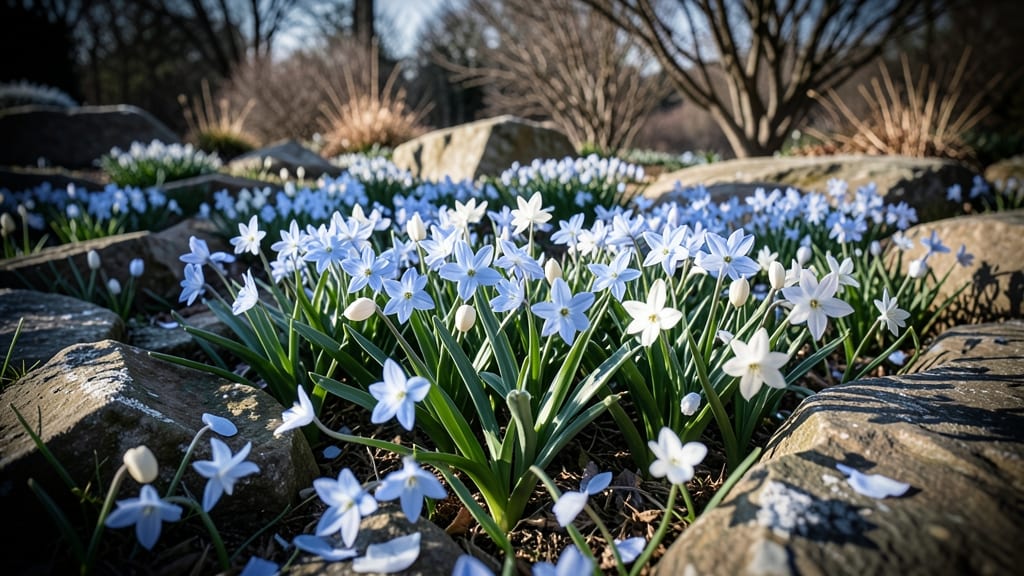
When you crave low-maintenance color that pops in late winter, Glory of the Snow (Chionodoxa) delivers sky-blue or white star-shaped blooms that naturalize effortlessly. Unlike other early spring flowers, these bulbs thrive in full sun or partial shade, making them perfect for lawns, rock gardens, or even containers.
Plant the bulbs in fall for year-round beauty—they multiply over time, creating cheerful carpets of flowers. Their drought-tolerant nature means you won’t need frequent watering, and they pair beautifully with crocus or snowdrops for layered spring color. Deer often avoid them, too!
Ideal for busy gardeners or small spaces, these bulbs offer instant impact with minimal effort. 🌿
Corydalis Blue Mist
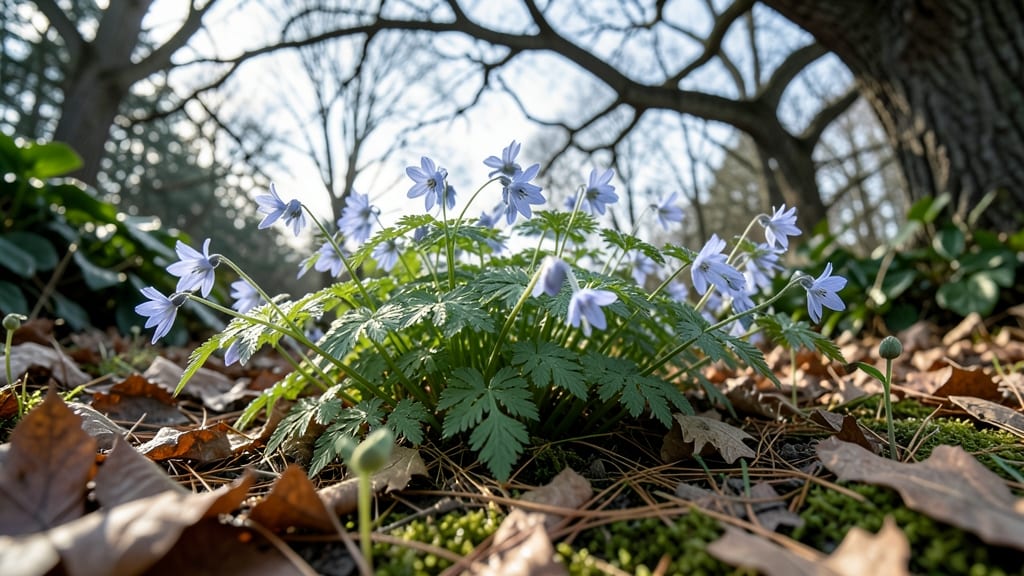
When your garden feels like a winter wasteland, Corydalis Blue Mist emerges like a whisper of spring, transforming shady corners into dreamy blue fern-like displays. This self-seeding beauty thrives where others fail—under trees, in containers, or tucked into woodland borders—without demanding full sun.
Plant seeds in fall or early spring in well-drained soil with partial to full shade. The delicate blue flowers appear in early spring, often before other perennials, and their ferny foliage adds texture year-round. Deadhead spent blooms to encourage more flowers, but leave some for self-seeding—this plant rewards patience with naturalized drifts that multiply effortlessly.
Perfect for beginners, urban gardeners with limited space, or anyone craving low-maintenance color, Corydalis Blue Mist is your secret weapon for frost-proof spring cheer. 🌿
Daffodil Ice Follies
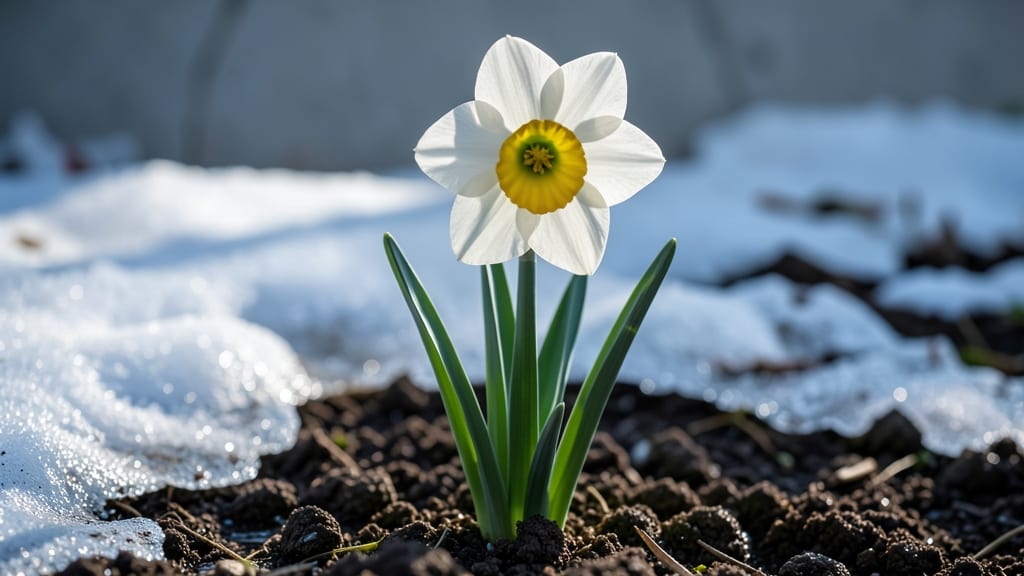
If you're craving a bold statement in your early spring garden, Daffodil 'Ice Follies' delivers with its striking white petals and vibrant yellow centers. Unlike traditional daffodils, this variety emerges as early as late February, often pushing through snow or cold, wet soil to bring instant color.
These hardy bulbs thrive in full sun and tolerate conditions that would stress most flowers—think soggy soil or late frosts. Plant them in well-drained beds or containers, and enjoy their cheerful blooms for 2-3 weeks, often overlapping with other early spring flowers. Their disease-resistant nature makes them a low-maintenance choice for gardeners who want reliability.
Perfect for beginners or busy gardeners, 'Ice Follies' daffodils add a touch of elegance while demanding minimal effort. Their early bloom time ensures you'll have the first showstopper of spring. ✨
Scilla Siberica Siberian Squill

If you're craving a low-maintenance way to transform your lawn or rock garden into a springtime blue carpet, Scilla siberica (Siberian squill) is your secret weapon. These tiny, star-shaped blooms appear in early spring, often before grass even greens up, and they’ll thrive in zones where other plants would freeze.
Plant the bulbs in fall (4-6 inches deep) in full sun to partial shade, and they’ll naturalize over time, spreading effortlessly. Siberian squill handles extreme cold down to -30°F, making it ideal for northern climates or high-altitude gardens where frost lingers late. The blooms also attract early pollinators, giving bees a much-needed spring food source.
Perfect for beginners or busy gardeners, this drought-tolerant perennial requires almost no care once established—just let it spread and enjoy the cheerful blue display year after year. 💚