
Blooming
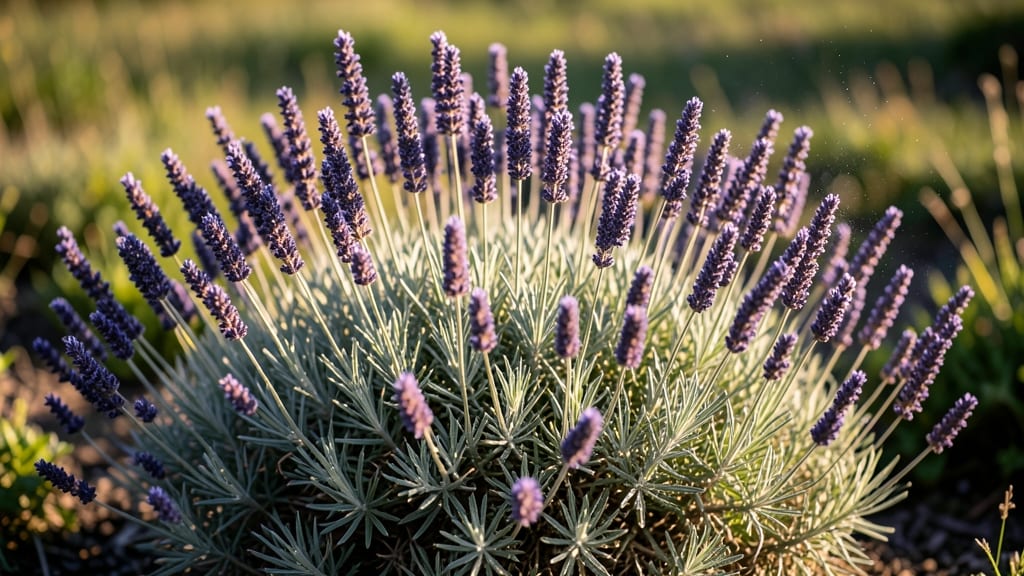
Tired of flowers that wilt in summer heat? These ten hardy perennials thrive through droughts, heatwaves, and heavy blooming cycles—requiring minimal care while delivering stunning color from June through September.
Black-Eyed Susan: Golden Blooms That Never Quit
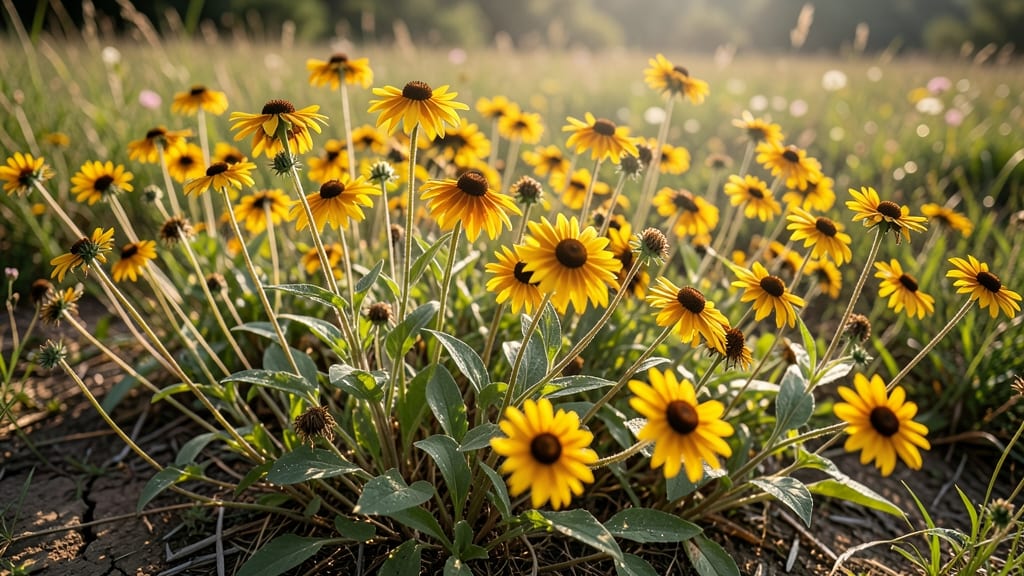
Want a low-maintenance flower that outshines even the hottest summer days? Black-eyed Susans (Rudbeckia hirta) deliver golden-yellow blooms from mid-summer straight through fall, with zero fuss. This drought-tolerant superstar thrives in full sun and even spreads on its own, creating natural drifts that look like a wildflower meadow.
Plant them in well-drained soil (they tolerate poor conditions) and water only when the top inch of soil feels dry. The deer-resistant foliage stays lush even when other plants wilt, and their cheerful daisy-like flowers attract pollinators like bees and butterflies. For best results, deadhead spent blooms to encourage more flowers—though they’ll often rebloom without help.
Perfect for beginners, wildflower gardeners, and pollinator lovers, black-eyed Susans bring effortless beauty to borders, cottage gardens, and even containers. Once established, they’re nearly indestructible—ideal for sunny spots where other flowers give up. 🌻
Coneflower: Purple Pollinator Magnet For Hummingbirds
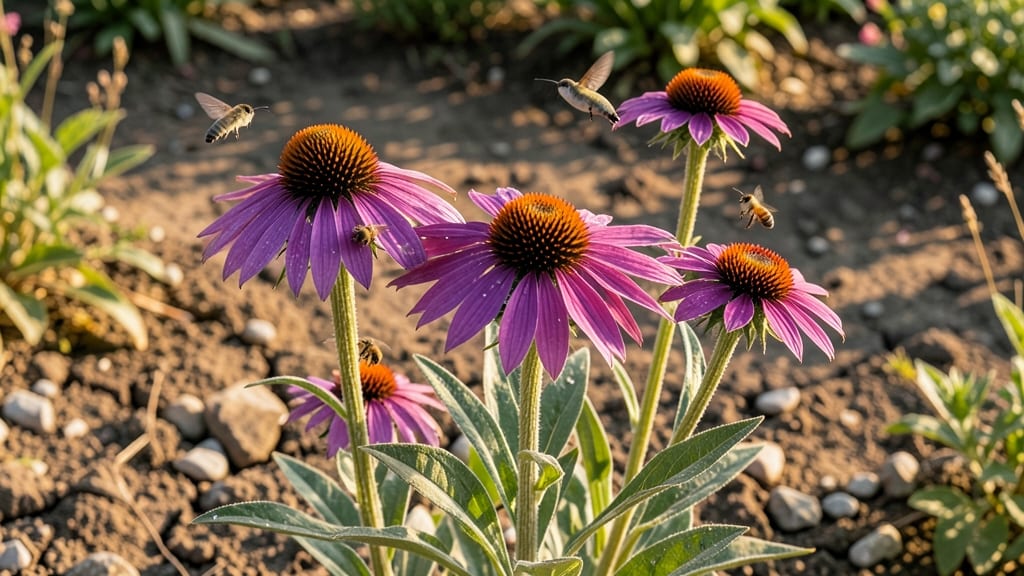
Want a flower that thrives in your toughest garden spots while supporting local ecosystems? Coneflower (Echinacea) delivers purple blooms that hummingbirds adore and bees can't resist—plus, it's native to North America, meaning it's already adapted to your climate.
This drought-tolerant perennial handles poor soil and full sun with ease, blooming from mid-summer through fall. Plant it in clusters for maximum pollinator impact, and enjoy its medicinal properties too—coneflower tea is a traditional remedy for immune support.
Perfect for eco-conscious gardeners, wildflower meadows, or pollinator-friendly borders, coneflower turns neglected spaces into thriving ecosystems. 🌻
Bee Balm: Bold Red-Pink Blooms With Healing Properties
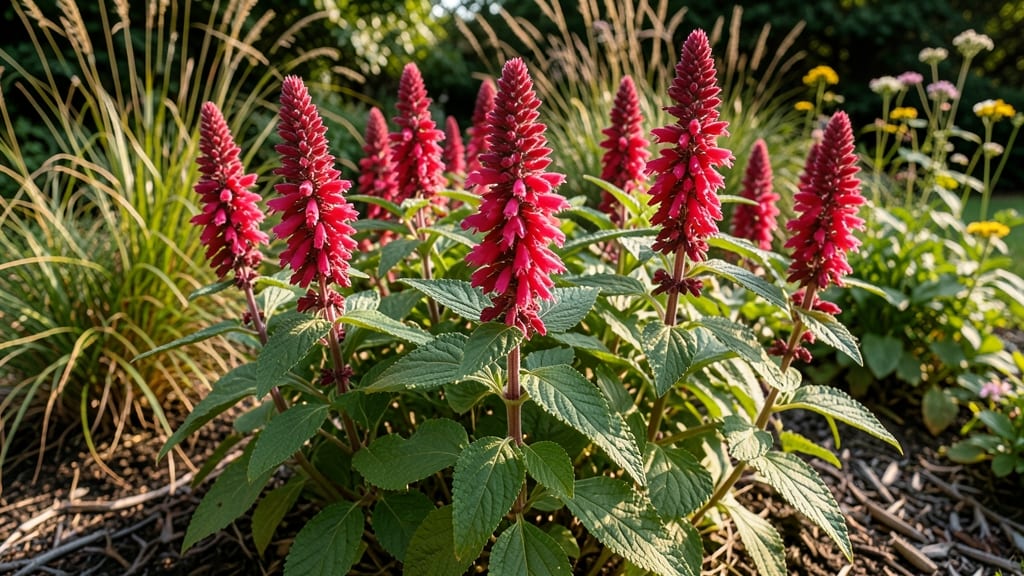
Craving a mosquito-repelling plant that also steals the show with bold red-pink blooms? Bee balm (Monarda) is your secret weapon—its fragrant leaves naturally deter pests while its vibrant clusters thrive in partial shade, making it a cottage garden superstar.
This hardy perennial returns year after year, growing bigger and more robust with each season. Plant it in well-draining soil with morning sun and afternoon shade for peak performance. Deadhead spent blooms to encourage continuous flowering from mid-summer through fall, and watch pollinators flock to its nectar-rich flowers.
Perfect for gardeners who love low-maintenance plants with dual benefits, bee balm adds both beauty and function to shaded borders, containers, or wildflower meadows. 🌻
Russian Sage: Lavender Blue Spires That Defy Heat
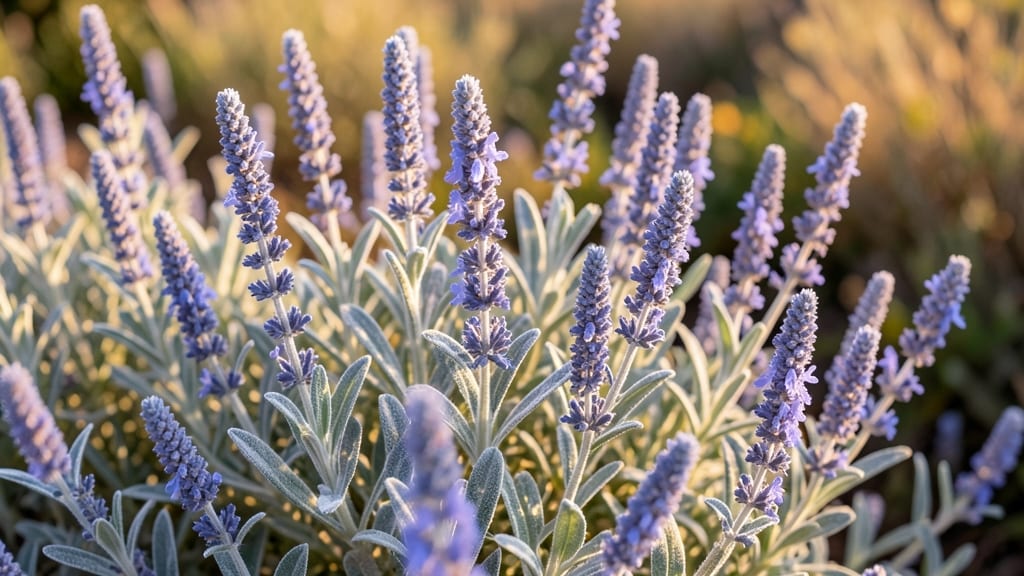
If you're craving a low-maintenance yet striking plant that thrives in summer's harshest conditions, Russian sage (Perovskia atriplicifolia) is your answer. This drought-resistant beauty produces airy, lavender-blue flower spikes that bloom from mid-summer through fall, while its silvery foliage adds texture year-round.
Plant it in full sun with well-draining soil—it tolerates heat, drought, and even poor soil conditions once established. The plant's upright growth (3-5 feet tall) makes it perfect for back borders or as a focal point in dry gardens. Deer and rabbits typically avoid it, making it ideal for rural or suburban landscapes without fencing.
Perfect for gardeners who want easy-care height and drama, Russian sage pairs beautifully with succulents, yarrow, and other drought-tolerant perennials. 🌻
Daylily: Endless Summer Blooms In Every Color
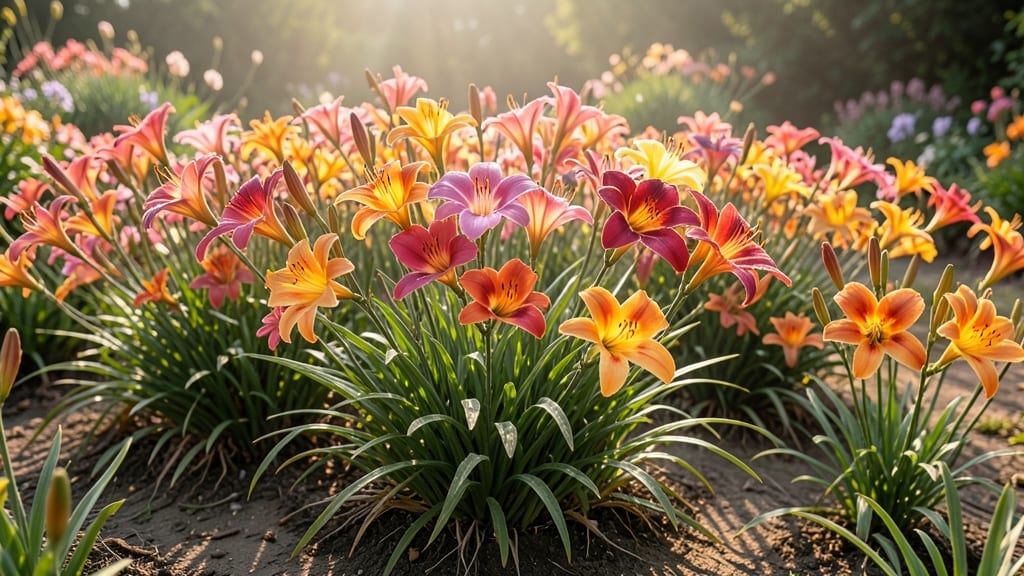
Looking for a flower that turns your garden into a nonstop summer show? Daylilies (Hemerocallis) deliver endless blooms from early June until frost, with over 2,000 vibrant varieties to choose from—including shades of pink, orange, yellow, and even bi-colors. Unlike many perennials, daylilies don’t need deadheading to keep flowering, making them the ultimate "plant and forget" option.
These drought-tolerant powerhouses thrive in full sun to partial shade and handle everything from heatwaves to poor soil. Their grass-like foliage stays lush year-round, and each bloom lasts just one day—but new buds open daily, creating a continuous display. They’re also a pollinator magnet, attracting bees, butterflies, and hummingbirds, while being completely deer-resistant.
Perfect for urban gardeners, cut-flower enthusiasts, and pollinator advocates, daylilies add color to borders, containers, and even rocky slopes. With minimal care, they’ll reward you with year-round interest and a garden that never looks bare. 🌷
Blanket Flower: Orange-Yellow Fireworks For Sunbaked Gardens
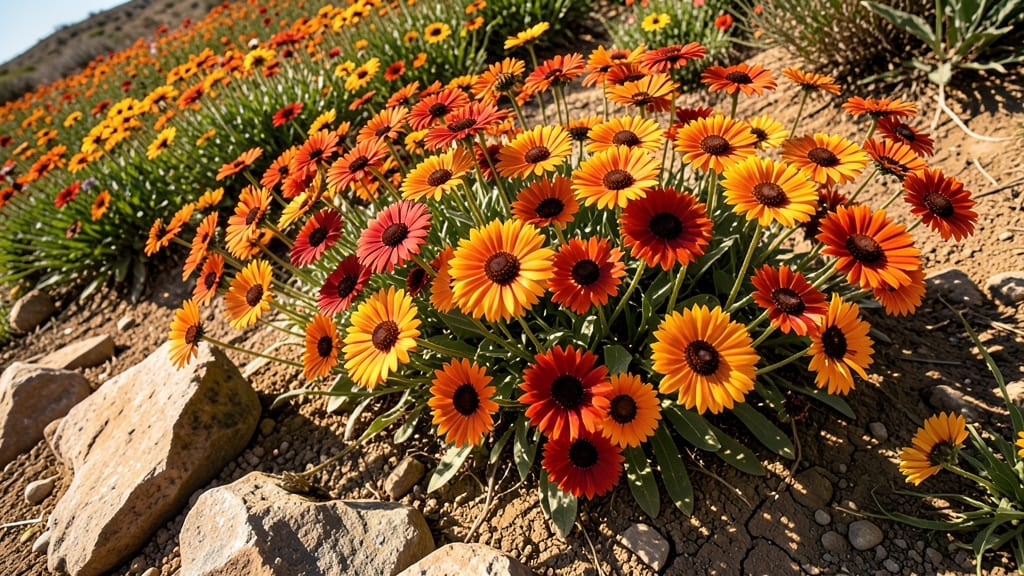
Turn your sunniest, driest spots into a vibrant spectacle with blanket flower (Gaillardia), the ultimate drought-proof summer performer. These orange-yellow fireworks bloom from early summer through fall, thriving in poor soil where other plants struggle—making them ideal for slopes, rock gardens, and even containers on patios.
Plant blanket flower in full sun (they wilt in shade) and water sparingly—once established, they need almost no irrigation. Their self-seeding habit means they’ll spread naturally, creating cheerful drifts year after year. For extra blooms, deadhead spent flowers (though they’ll often rebloom without help). This heat-loving perennial also attracts butterflies and bees, adding ecological value to its visual punch.
Perfect for urban gardeners, slope stabilization, or container gardens, blanket flower turns neglected areas into low-maintenance color bursts. Try pairing it with Russian sage or coreopsis for a sunbaked garden that pops all season. ✨
Salvia: Purple Spikes That Attract Hummingbirds
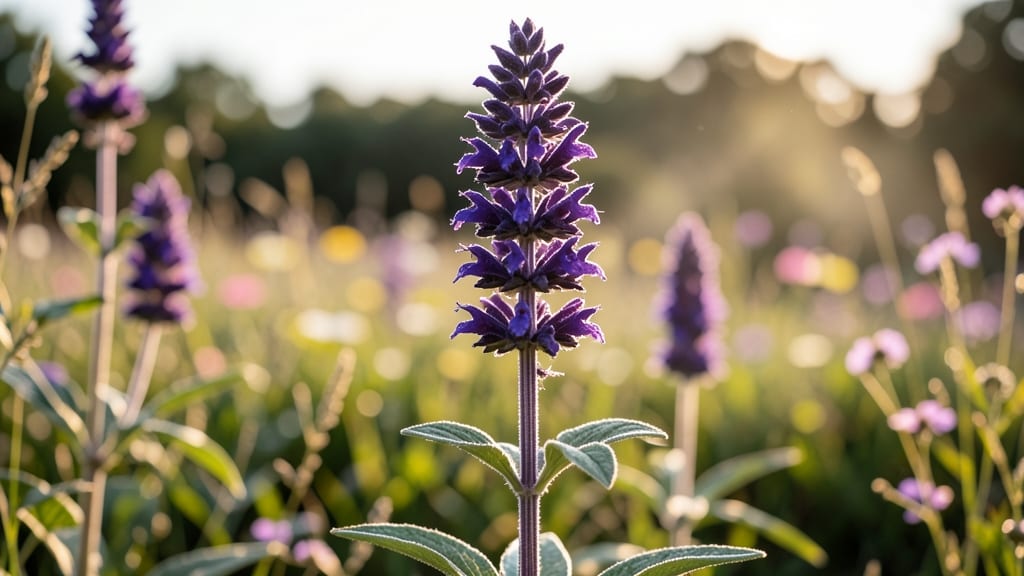
Looking for a hummingbird magnet that thrives in scorching heat without begging for water? Salvia delivers dramatic purple spikes that stand tall through summer’s worst—while deer and rabbits usually skip right over it. This versatile perennial blooms from early summer through fall, providing vertical interest that no flat-topped flower can match.
Plant salvia in full sun with well-draining soil, and water only until established (after that, it’s nearly drought-proof). Varieties like May Night salvia or Purple Majesty reach 3-4 feet tall, perfect for back borders or cutting gardens. Prune back by one-third in early spring to encourage bushier growth, and watch hummingbirds hover eagerly at the tubular blooms.
Ideal for urban gardeners, pollinator enthusiasts, and busy homeowners, salvia’s low-maintenance nature and striking form make it a summer garden essential. Plus, its aromatic foliage deters pests naturally—double the benefit in one plant! 🌿
Shasta Daisy: Classic White Blooms That Multiply Easily
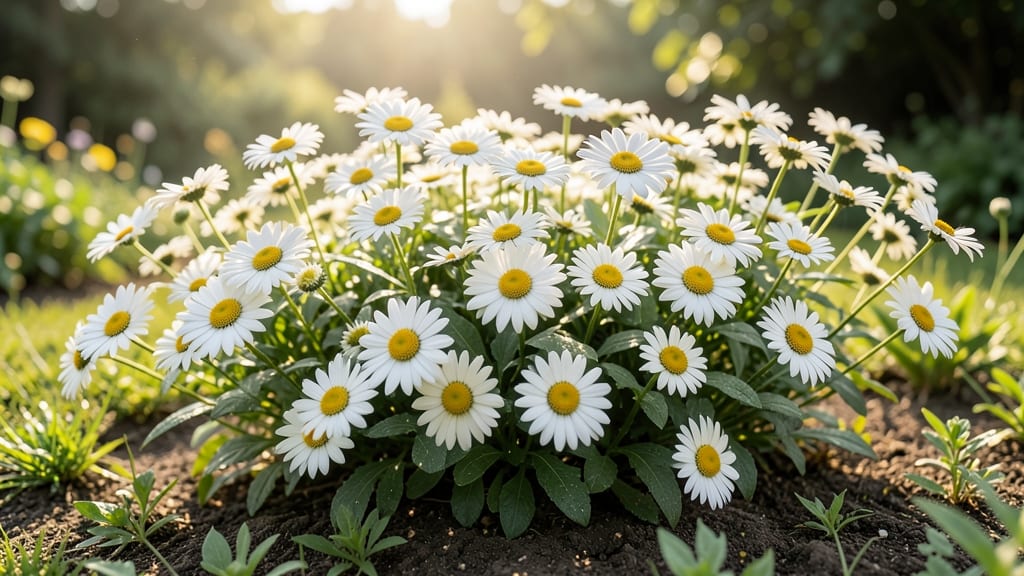
Dreaming of a garden that feels like a storybook? Shasta daisies bring timeless charm with their large, snow-white blooms and cheerful yellow centers, creating a cottage garden vibe that never goes out of style. These sun-loving perennials thrive in full sun to partial shade and multiply effortlessly, filling your borders with effortless elegance year after year.
Plant them in well-draining soil and give them space—they spread 2-3 feet wide as they mature. Deadhead spent blooms to encourage more flowers, and watch them rebloom from early summer through fall. Their disease-resistant foliage stays lush even in humid summers, making them a reliable choice for gardeners who want beauty without the fuss.
Perfect for beginners, cottage gardeners, and pollinator lovers, Shasta daisies pair beautifully with lavender, catmint, and other sun-loving perennials. Their classic look brightens up any summer garden with minimal effort. 🌷
Coreopsis: Tickseed Flowers With Sunburst Yellow Petals
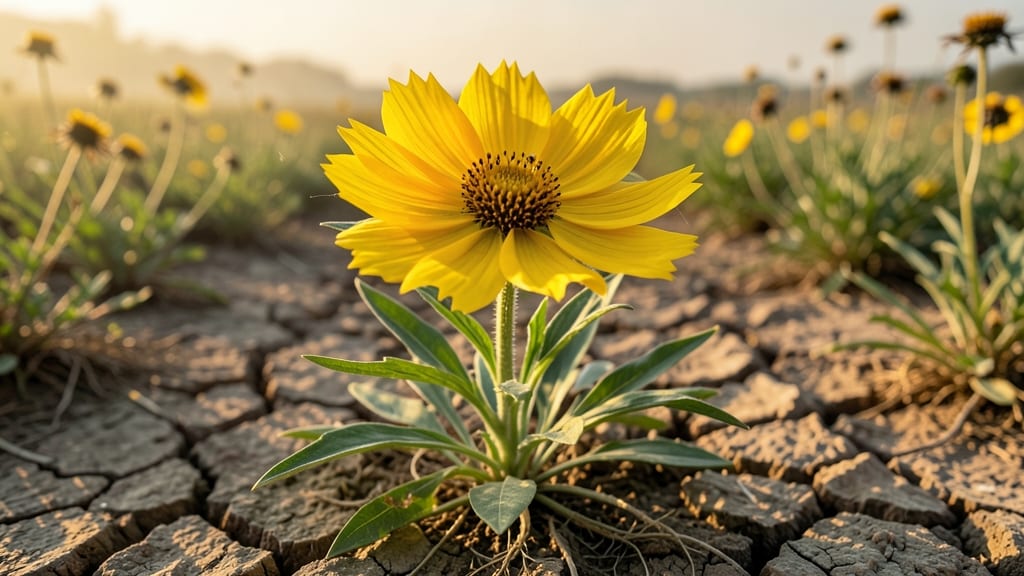
Looking for a sun-loving flower that blooms from early summer straight through fall without complaining? Coreopsis delivers sunburst yellow petals that dance in the breeze, thriving where other plants give up—even in poor, rocky soil and drought conditions. This cheerful perennial is the unsung hero of sunny borders, containers, and wildflower meadows.
Plant coreopsis in full sun (6+ hours daily) and water sparingly—once established, it survives on rainfall alone. Its butterfly magnet blooms provide nectar for pollinators while its self-seeding habit ensures new flowers year after year. For extra-long blooms, deadhead spent flowers or leave seed heads for winter interest. Varieties like 'Moonbeam' offer soft white blooms, while 'Zagreb' packs extra-petaled drama.
Perfect for urban gardeners, pollinator enthusiasts, and first-time perennials, coreopsis turns tough spots into vibrant displays with almost no effort. Just add sun and forget—it’ll reward you with months of cheerful color. 🌻
Lavender: Fragrant Purple Spikes For Relaxing Gardens

Transform your garden into a stress-relief sanctuary with lavender—this fragrant purple powerhouse thrives in summer heat, repels pests, and requires almost no water once established. Unlike other flowers that wilt in the midday sun, lavender’s silvery foliage and aromatic spikes bloom from early summer through fall, creating a calming atmosphere.
Plant English lavender or Spanish lavender in full sun with well-draining soil to prevent root rot. Prune lightly after blooming to encourage bushier growth, and enjoy its culinary versatility—dried buds make tea, sachets, or even homemade lavender honey. The strong scent also deters mosquitoes and aphids, making it a natural pest control ally.
Perfect for urban balconies, cottage borders, or rock gardens, lavender adds both beauty and function. Urban gardeners will love its container-friendly nature, while traditional gardeners can use it to create fragrant pathways or pollinator-friendly hedges. 🌿