
Flowers
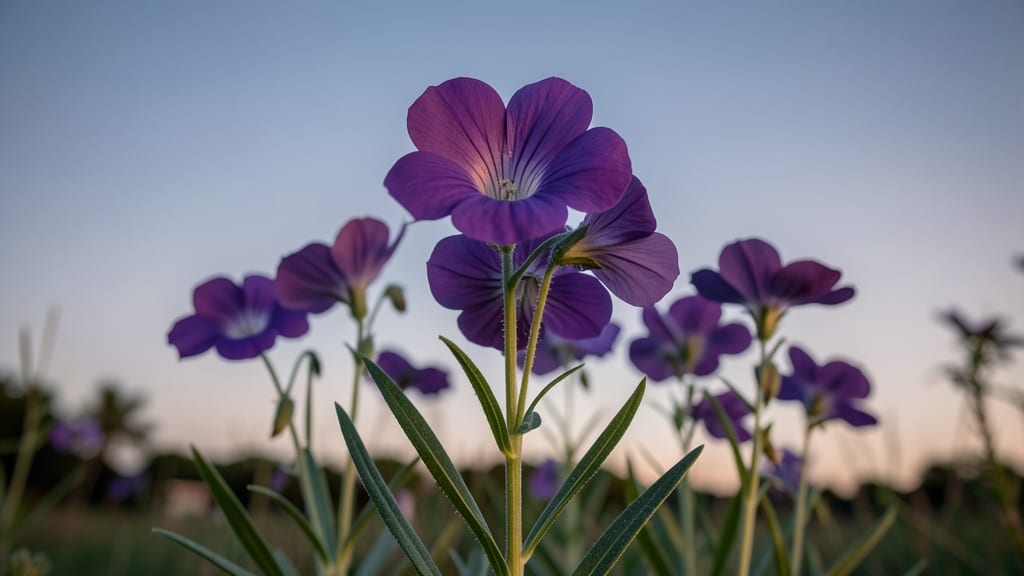
Transform your garden into a magical nighttime retreat with these 10 enchanting purple flowers that bloom under moonlight. Their fragrant beauty and unique nocturnal habits create a serene evening atmosphere perfect for romance, relaxation, or wildlife attraction.
Moonflower Vine with Velvety Purple Blossoms
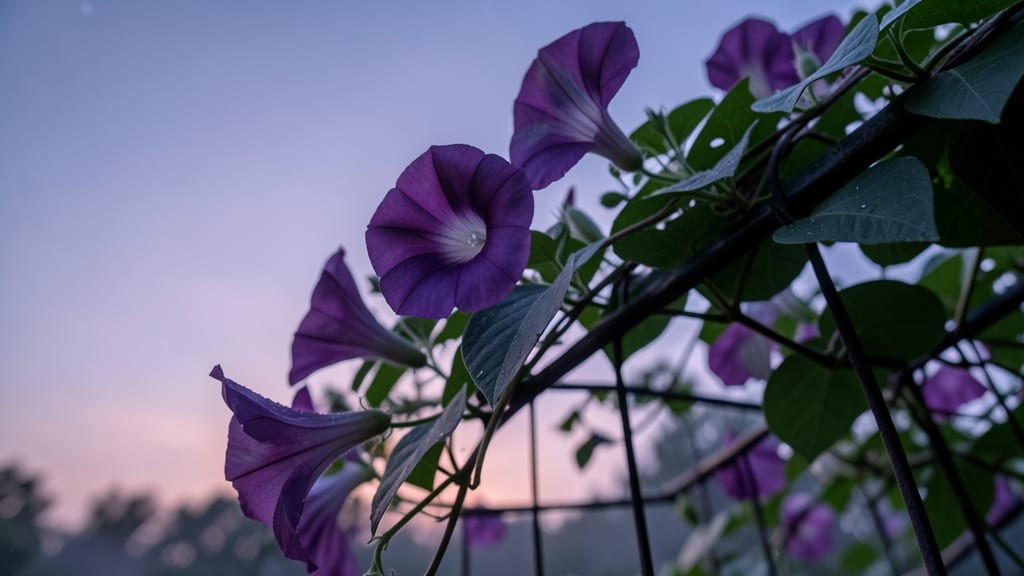
Imagine stepping into your garden after sunset to discover velvety purple blossoms unfurling like magical lanterns—this is the enchanting experience of the moonflower vine (Ipomoea alba). These delicate, cup-shaped flowers only open at night, revealing their secret beauty and releasing a sweet coconut fragrance that lures in moths and hummingbirds.
Growing this fast-growing annual is effortless—simply plant seeds in well-draining soil after the last frost, and provide a sturdy trellis or fence for climbing. Moonflowers thrive in full sun to partial shade and require minimal care once established, making them perfect for beginners or busy gardeners. Their rapid growth means you’ll see blooms in just a few weeks!
This vine is ideal for creating a romantic evening garden or adding nocturnal interest to your landscape. The fragrant blooms will transform your space into a fragrant haven for wildlife and stargazers alike. 🌻
Evening Primrose with Fragrant Purple Petals
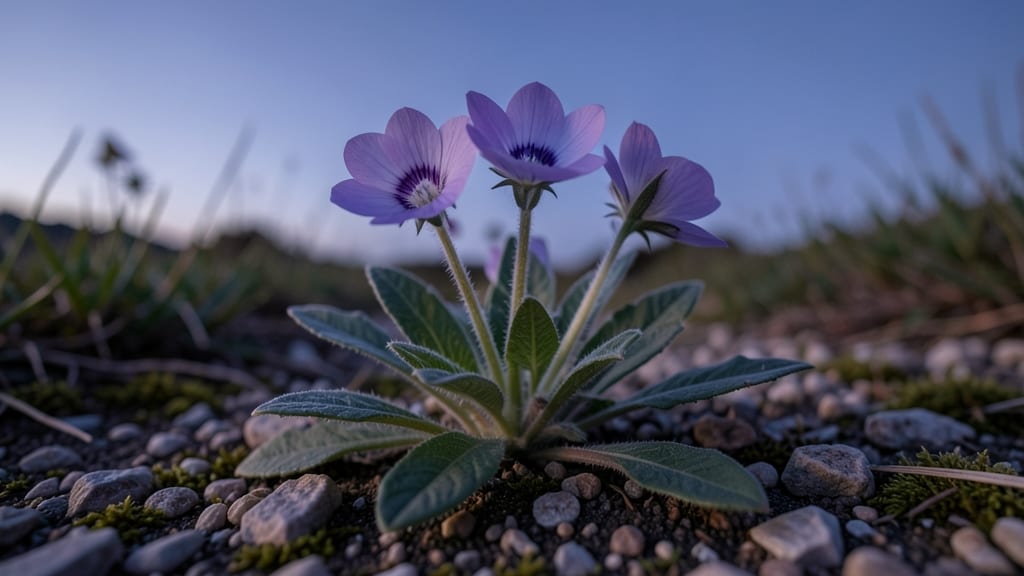
If you've ever dreamed of a garden that glows softly as dusk falls, evening primrose (Oenothera spp.) delivers with its delicate, bioluminescent-like purple blooms that unfurl precisely at twilight. Unlike many night-bloomers, this hardy perennial thrives in poor, rocky soil and even tolerates drought once established—making it the perfect low-maintenance star for wildflower meadows or cottage gardens.
Beyond its ethereal beauty, evening primrose offers medicinal benefits—its seeds are rich in omega fatty acids, and the plant has been used traditionally for skin health. The flowers' soft glow against twilight skies creates a stunning visual contrast, especially when planted near reflective surfaces like ponds or gravel paths. Deadhead spent blooms to encourage continuous flowering throughout the summer.
This versatile plant is ideal for beginner gardeners and those seeking native, pollinator-friendly perennials. Its ability to self-seed ensures your evening garden stays vibrant year after year with minimal effort. 🌿
Night-Blooming Jasmine with Intoxicating Scent
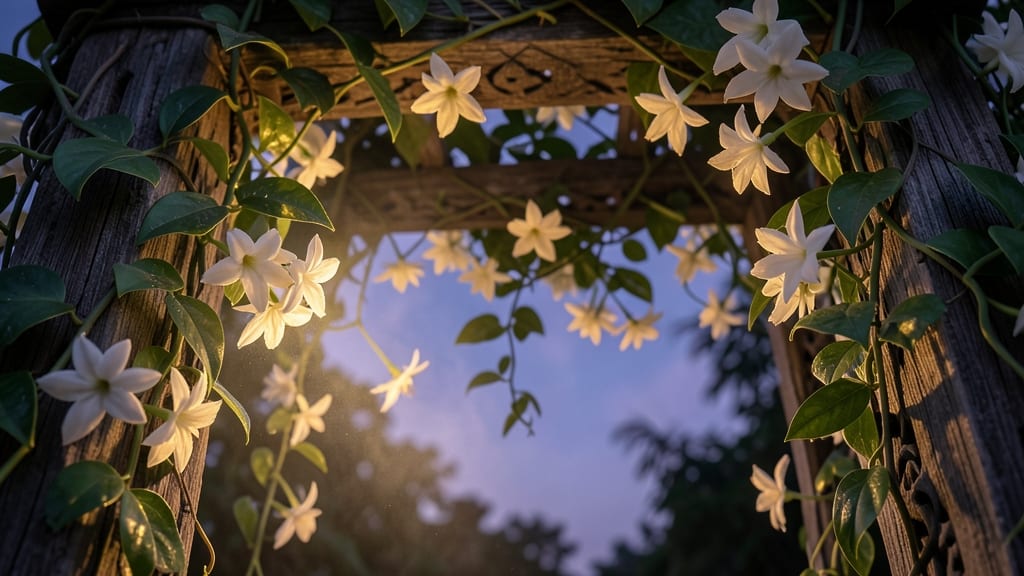
Imagine stepping into your garden as the sun sets, wrapped in a cloud of intoxicating jasmine perfume—this is what night-blooming jasmine delivers after dark. Unlike its daytime cousins, this tropical climber (often Jasminum sambac or Jasminum grandiflorum) releases its most potent fragrance under moonlight, making it the ultimate plant for sensory gardens and evening patios.
To grow this fragrant beauty, provide full sun to partial shade and well-draining soil—it thrives in USDA zones 9-11 but can be grown in containers and brought indoors during cooler months. Prune regularly to encourage bushier growth and more blooms, and watch as star-shaped purple flowers unfurl after sunset, filling the air with a scent that lingers until dawn. The key to success? Consistent moisture without soggy roots—this tropical diva hates drought.
Perfect for gardeners in warm climates or those who love creating romantic, fragrant outdoor spaces, night-blooming jasmine transforms any evening into a sensory experience. 🌿
Queen of the Night Cactus Flowers
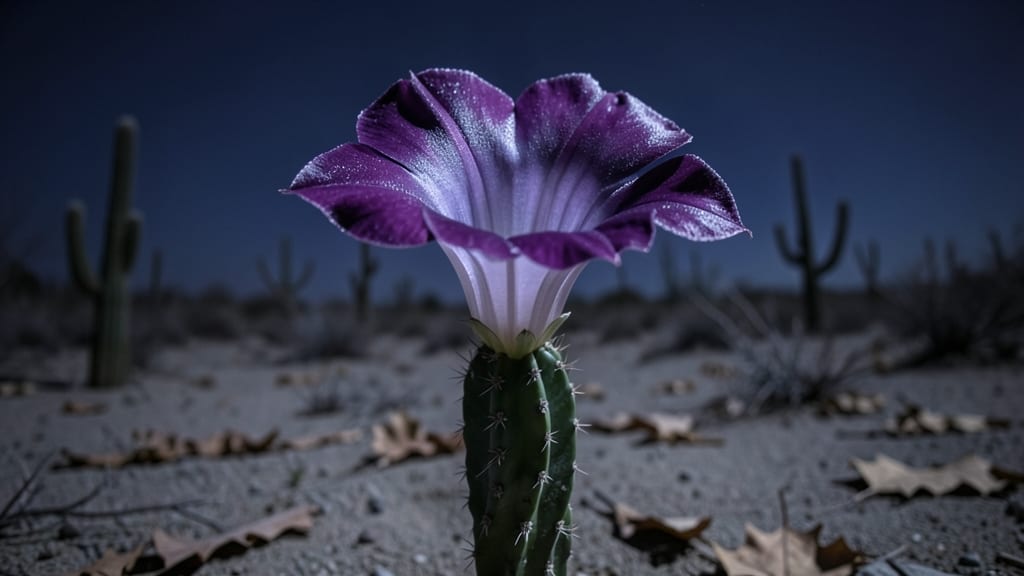
Imagine waking up to a single, breathtaking purple bloom that vanished overnight—this is the magic of the Queen of the Night cactus (Selenicereus grandiflorus). Unlike its fragrant cousins, this desert succulent delivers a one-night-only spectacle, making it the ultimate conversation piece for moonlit gardens.
Native to Central America, this cactus thrives in full sun and well-draining soil, mimicking its arid habitat. Plant it in containers or desert landscapes where it can sprawl horizontally, producing its massive, trumpet-shaped flower (up to 12 inches wide!) after years of patience. The bloom opens at dusk, releases a faint sweet scent, and wilts by morning—a fleeting but unforgettable event. Water sparingly; overwatering kills this drought-loving star.
Perfect for desert gardeners or urban growers with sunny patios, this cactus rewards you with drama without the upkeep of fragrant night bloomers. 🌻
Four O'Clock Flower with Clockwork Blooming
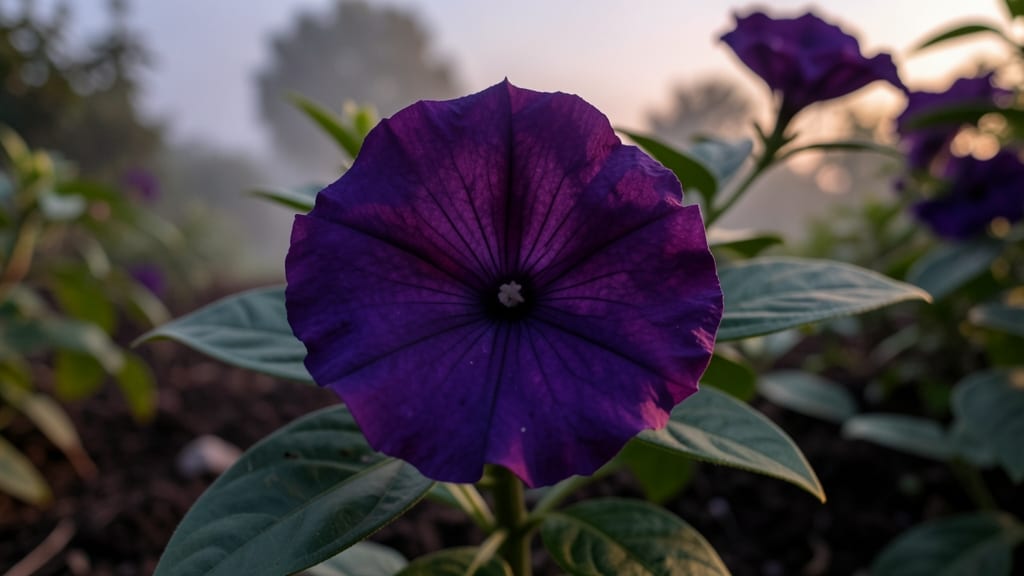
Watch your garden become a living clock with the four o'clock flower (Mirabilis jalapa), a charming annual that unfurls its deep purple trumpet-shaped blooms precisely at 4 PM and closes by 9 AM. This isn't just a flower—it's a biological marvel that turns your landscape into an educational display of nature's timing, perfect for teaching kids about circadian rhythms or adding whimsy to your garden.
Thriving in full sun to partial shade, this drought-tolerant plant adapts to most soil types, making it ideal for containers or borders. Its fragrant blooms come in shades of pink, white, and purple, and the plant spreads easily through self-seeding. For consistent blooms, deadhead spent flowers and provide regular watering during dry spells. The flowers' clockwork behavior makes them a conversation starter in any garden.
This versatile plant is perfect for educational gardens, children's play areas, or pollinator-friendly landscapes where you want reliable color with minimal effort. The four o'clock flower proves that nature's timing can be both practical and magical. ✨
Night Phlox with Starry Purple Clusters
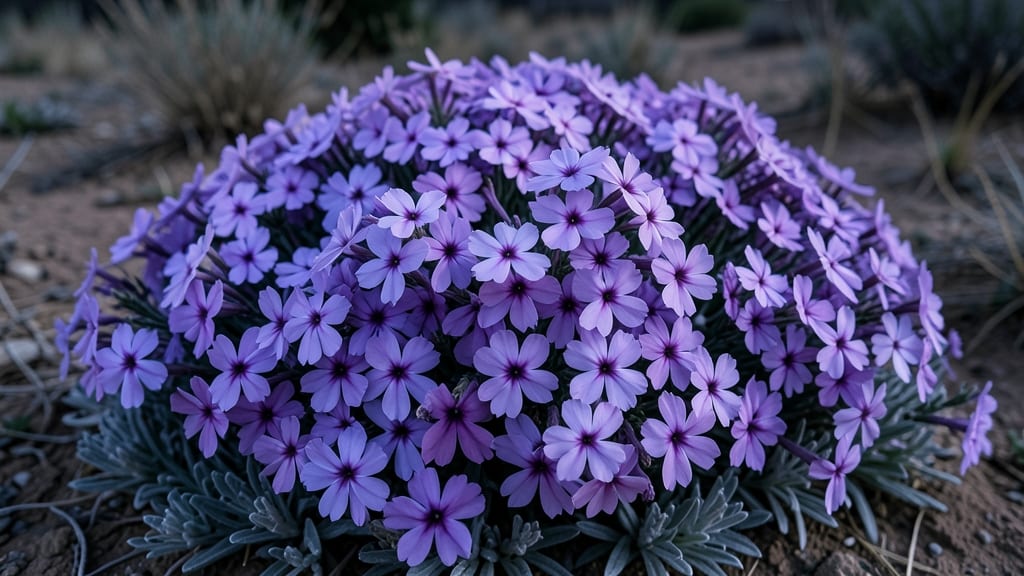
Skip the fuss of fussy plants—night phlox (Zaluzianskya ovata) thrives where others fail, producing dense clusters of star-shaped purple flowers that open at dusk and close by dawn. This drought-tolerant perennial is the unsung hero of low-water gardens, flourishing in full sun and even tolerating poor, rocky soil that would stunt other plants.
Its secret weapon? A deep root system that conserves moisture while attracting butterflies, moths, and hummingbirds with its nectar-rich blooms. Plant in well-draining beds and watch it spread effortlessly—shearing back spent blooms encourages bushier growth. The key to its success? Minimal care and maximum impact, making it perfect for urban gardens, wildflower meadows, or pollinator-friendly landscapes.
Ideal for gardeners who want beauty without the work, night phlox proves that stunning evening displays don’t require constant attention. Just add sun and let nature do the rest! 🌟
Evening Snapdragon with Bioluminescent Appeal
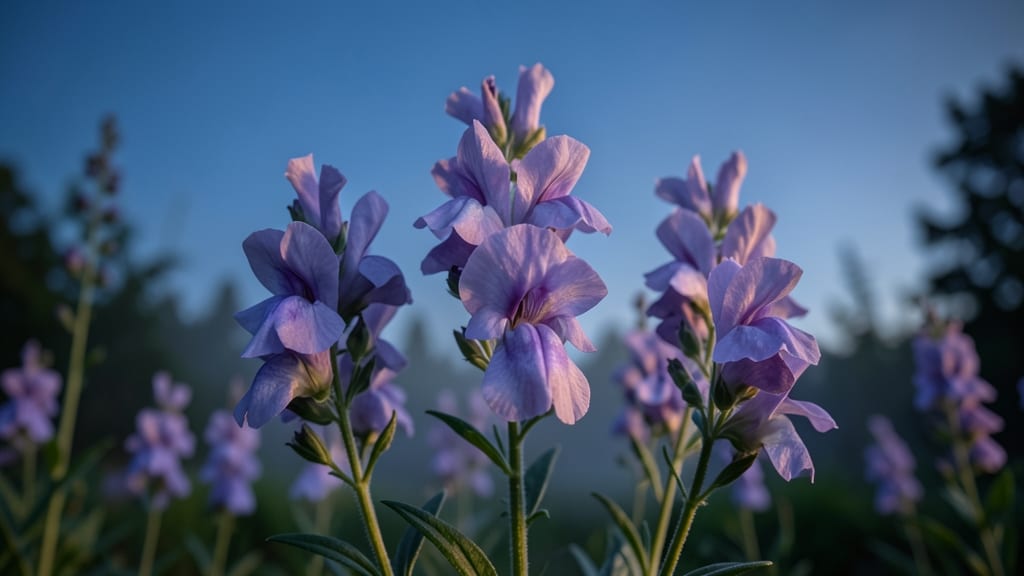
Want your garden to sparkle like a fireworks display after dark? Evening snapdragons deliver exactly that—delicate, lavender-purple blooms that unfurl dramatically at twilight, resembling tiny explosions of color. These unique varieties are bred specifically to open their "mouths" as evening falls, creating a mesmerizing show that lasts until dawn when they gently close.
Grow these bioluminescent-like flowers in well-draining soil with 4-6 hours of sun daily, and watch them transform your borders into a nocturnal spectacle. Their vertical growth habit makes them perfect for creating height and drama along pathways or garden edges. Unlike traditional snapdragons, these varieties thrive in cooler evenings, making them ideal for USDA zones 5-10.
Perfect for gardeners who love dramatic evening displays with minimal fragrance, evening snapdragons are also deer-resistant and attract beneficial night pollinators. Plant them in clusters along your garden's perimeter for a magical transition from day to night. ✨
Moonflower Tree with Large Nocturnal Blooms
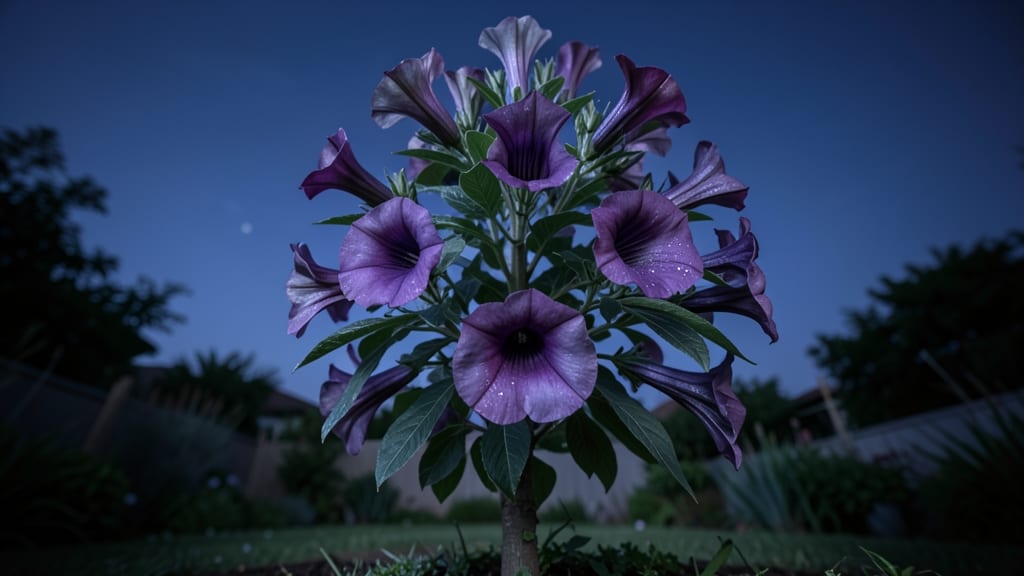
Looking to make a bold statement in your garden without sacrificing space? The moonflower tree (Choritaenia argentea) delivers with its massive, trumpet-shaped purple blooms that unfold after dark, creating a dramatic focal point that rivals any flowering tree. Unlike its vine relatives, this small tree grows to just 10-15 feet tall, making it perfect for suburban yards, urban courtyards, or large containers on patios.
Plant this deciduous beauty in well-draining soil with full sun exposure—it thrives in USDA zones 9-11 but can be grown in containers and overwintered indoors in cooler climates. The blooms, which can reach 8 inches across, open in the evening and close by mid-morning, attracting nocturnal pollinators like moths. Prune lightly in late winter to maintain its compact shape and encourage more abundant flowering.
This tree is ideal for gardeners who want year-round structure with seasonal drama, or those creating "moon gardens" where night-blooming plants take center stage. Its glossy foliage provides contrast even when not in bloom, making it a versatile choice for both formal and informal landscapes. ✨
Night-Blooming Cereus Cactus
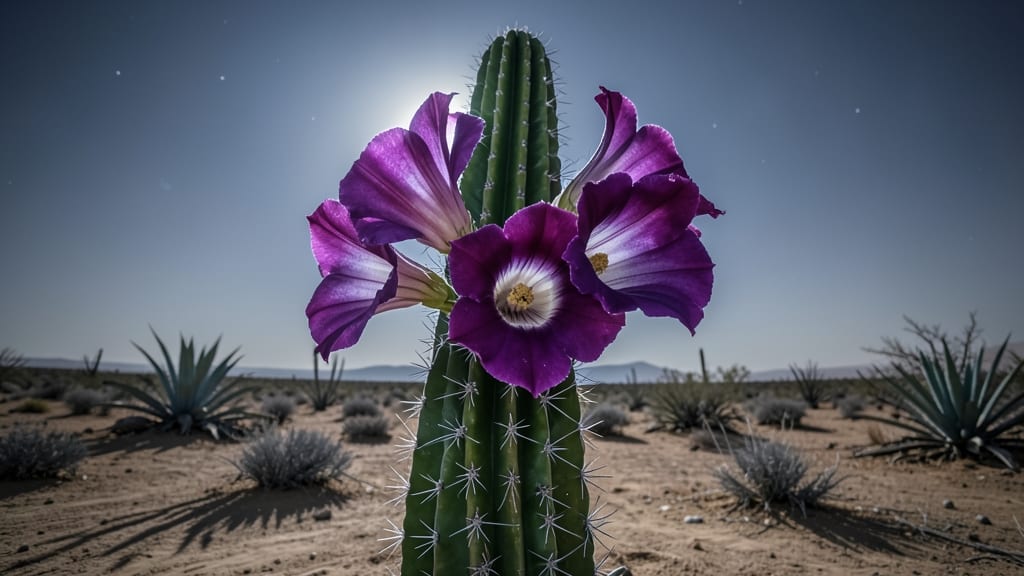
Picture a desert garden transformed into a moonlit spectacle, where towering purple flower spikes emerge from a cactus as night falls—this is the magic of the night-blooming cereus cactus. Unlike its daytime cousins, this dramatic succulent produces fragrant, trumpet-shaped blooms that open only after sunset, creating a striking contrast against dark skies and attracting nocturnal pollinators like moths.
Native to South America, this cactus thrives in full sun and well-draining soil, making it perfect for desert landscapes, containers, or even urban patios with warm climates. Plant it in USDA zones 9-11, and with patience (it takes 5-7 years to bloom), you’ll be rewarded with 6-inch-tall flower spikes that glow under moonlight. Water sparingly—overwatering is the biggest threat to these drought-loving plants.
Ideal for desert gardeners or those who love creating low-maintenance, high-impact focal points, this cactus delivers drama without the upkeep of fragrant vines or perennials. 🌟
Purple Evening Primrose with Self-Cleaning Habit

Tired of deadheading spent blooms every evening? The purple evening primrose (Oenothera purpurascens) solves that problem with its self-cleaning habit—spent flowers drop automatically, leaving room for fresh blooms to unfurl after sunset. This hardy perennial maintains continuous color from early summer through fall, making it the ultimate low-maintenance night-bloomer.
Thriving in full sun to partial shade, this variety adapts to almost any soil type, including poor or rocky ground. Plant in masses for a dramatic evening display, or mix with other night-bloomers for extended seasonal interest. Its drought tolerance once established means less watering, while its pollinator-friendly flowers attract bees and butterflies during daylight hours.
Perfect for busy gardeners or those with limited mobility, this primrose delivers beauty without the upkeep. Just plant, water occasionally, and enjoy the show—nature handles the rest. 💚