
Blooming
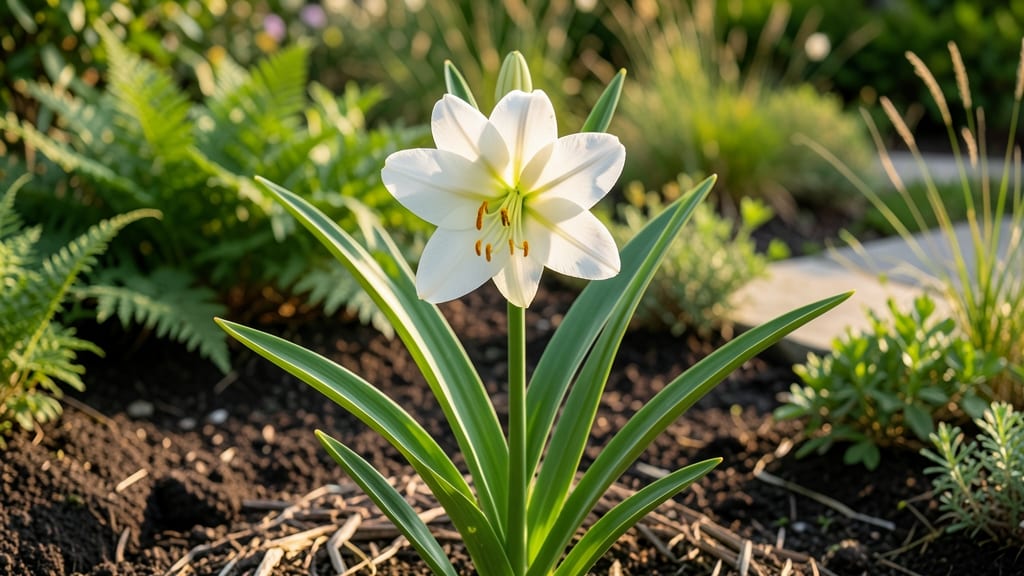
Timing the Easter lily bloom time is all about matching your climate zone to the plant’s natural rhythm — and yes, you can actually nudge those fragrant blooms to arrive right when you want them.
Picture this: your 🌸 Easter lily shoots emerge in early spring, but instead of blooming in April, they stretch toward May or even June. That’s not a failure—it’s a clue your plant needs a little help understanding its schedule.
The right light, soil, and even when you plant the bulbs can shift that bloom window by weeks.
In USDA Zone 6a, where many gardeners live, Easter lilies typically burst into bloom between late April and early May, aligning perfectly with the holiday. But in warmer zones like 9 or 10, those same bulbs might flower as early as February.
The key? Knowing how to read your local frost dates, adjust planting times, and spot the early signs of readiness.
Below, I’ll walk you through the month-by-month stages of an Easter lily’s bloom cycle, how to troubleshoot delays, and even how to coax a second round of flowers. By the end, you’ll have a predictable timeline for those showstopping white trumpets—no guesswork required.
Easter lily bloom time by USDA climate zone: when to expect flowers
Timing your Easter lily blooms for Easter isn’t just about luck—it’s about understanding your climate zone and the plant’s precise growth cycle. Easter lilies (Lilium longiflorum) are sensitive to temperature shifts, and their bloom windows vary dramatically depending on where you live.
Whether you're in a cool northern zone or warm southern climate, knowing these patterns helps you plan for fragrant white blooms that align with your holiday schedule.
Easter lilies typically bloom 4-6 months after planting bulbs in fall, but exact timing depends on your USDA climate zone and winter temperatures. Cooler zones experience later blooms, while warmer regions often see flowers as early as February.
Understanding these patterns lets you adjust planting schedules or care routines to hit your ideal bloom window.
The key trigger for blooming is consistent cool nighttime temperatures (below 60°F/15°C) followed by warming days. Once planted, bulbs need 12-16 weeks of chilling to break dormancy.
In warmer zones, this chilling period happens naturally over winter, while gardeners in Zone 9-10 may need to refrigerate bulbs to simulate winter conditions.
Here’s how bloom times break down by zone, including early, mid, and late bloomers:
| USDA Zone | Avg. Bloom Window | Temperature Threshold | Notes |
|---|---|---|---|
| Zone 3-4 | Late April - Early May | 50°F/10°C (daytime) | Late bloomers; needs full winter chill |
| Zone 5-6 | Mid-April - Mid-May | 55°F/13°C (daytime) | Standard Easter timing; reliable blooms |
| Zone 7-8 | March - Early April | 60°F/16°C (daytime) | Early bloomers; plant bulbs in October |
| Zone 9-10 | February - March | 65°F/18°C (daytime) | Earlyest blooms; may need bulb chilling |
In Zone 3-4, where winters are harsh, Easter lilies bloom late April to early May due to prolonged chilling. These zones require full winter exposure—plant bulbs in September or October for best results.
The 50°F/10°C daytime threshold triggers growth after dormancy, and you’ll see shoots emerge in late March.
Gardeners in Zone 5-6 enjoy the most classic Easter timing, with blooms arriving mid-April to mid-May. This aligns perfectly with the holiday, making it the ideal zone for natural blooming. The 55°F/13°C threshold is easier to predict, and bulbs planted in October will reliably produce flowers by Easter.
Warmer climates like Zone 7-8 see earlier blooms, typically March to early April. Here, the 60°F/16°C threshold kicks off growth sooner, but you can delay blooms by planting bulbs later (e.g., November instead of October). These zones often produce taller, more vigorous lilies due to longer growing seasons.
For Zone 9-10 gardeners, blooms arrive as early as February, sometimes even before Easter. The 65°F/18°C threshold means bulbs may not get enough natural chilling, so store them in a cool, dark place (35-40°F/2-4°C) for 8-12 weeks before planting in December.
Pro tip: If your Easter lilies bloom too early or late, adjust planting times by 2-4 weeks. For example, planting in November instead of October can delay blooms by 2-3 weeks. Conversely, planting in September (instead of October) in cooler zones can advance blooms slightly.
Always monitor soil moisture—consistent watering (but not soggy soil) ensures healthy bulbs. Mulch with 2-3 inches of organic matter in fall to protect roots from temperature swings. With these adjustments, you’ll nail that perfect Easter bloom every year!
How to adjust Easter lily bloom time for holiday timing
Easter lilies naturally bloom in late spring to early summer, but with a few clever tricks, you can shift their timeline to align with Easter. The key lies in controlling light exposure and temperature cues—two factors that directly influence when your bulbs decide to flower.
Whether you want blooms earlier for holiday displays or delayed for summer enjoyment, these methods give you precise control.
Forcing Easter lilies to bloom on schedule involves mimicking natural dormancy periods. Most gardeners use the 12-hour light rule, where bulbs receive 12 hours of darkness daily for at least 8-12 weeks before blooming.
This mimics winter conditions and tricks the plant into thinking it’s time to flower. Start this process 8-10 weeks before your target bloom date for best results.
Forcing Easter Lilies for Holiday Timing
- Precise bloom timing for holidays
- Works indoors or outdoors
- Encourages stronger stems
- Requires consistent light control
- Bulbs may not rebloom naturally
- Over-forcing can weaken bulbs
- Follows seasonal climate cues
- Less maintenance required
- Longer bulb lifespan
- Needs strict light/temperature control
- Bulbs may not store energy well
- Limited to 1-2 bloom cycles
Temperature plays an equally critical role. After planting bulbs in fall (September-October), store them in a cool, dark place (40-50°F) for 8-10 weeks to simulate winter. This chilling period is essential for breaking dormancy.
Once you move them to warmer conditions (60-70°F), they’ll begin actively growing and flowering within 4-6 weeks. For a summer bloom, delay planting until late winter and skip the chilling step.
Strategic planting schedules also help. In cooler climates (Zones 3-6), plant bulbs in September for Easter blooms. In warmer zones (7-10), plant in October-November to avoid premature sprouting.
If you’re forcing blooms indoors, use grow lights on a timer to maintain the 12-hour light cycle—this prevents early flowering and gives you full control over the timeline.
One common mistake is overwatering during dormancy, which can trigger premature growth. Keep soil slightly moist but not soggy until you’re ready to force blooms.
Once you start the 12-hour light treatment, increase watering to weekly and fertilize lightly with a balanced 10-10-10 mix every 4-6 weeks to support strong stems and buds.
For a guaranteed Easter display, combine these methods: chill bulbs for 8 weeks, then move them to bright indirect light and 60-70°F temperatures. With patience, your Easter lilies will burst into fragrant blooms just in time for the holiday table.
Just remember—consistency is key whether you’re forcing early blooms or extending the season.