
Blooming
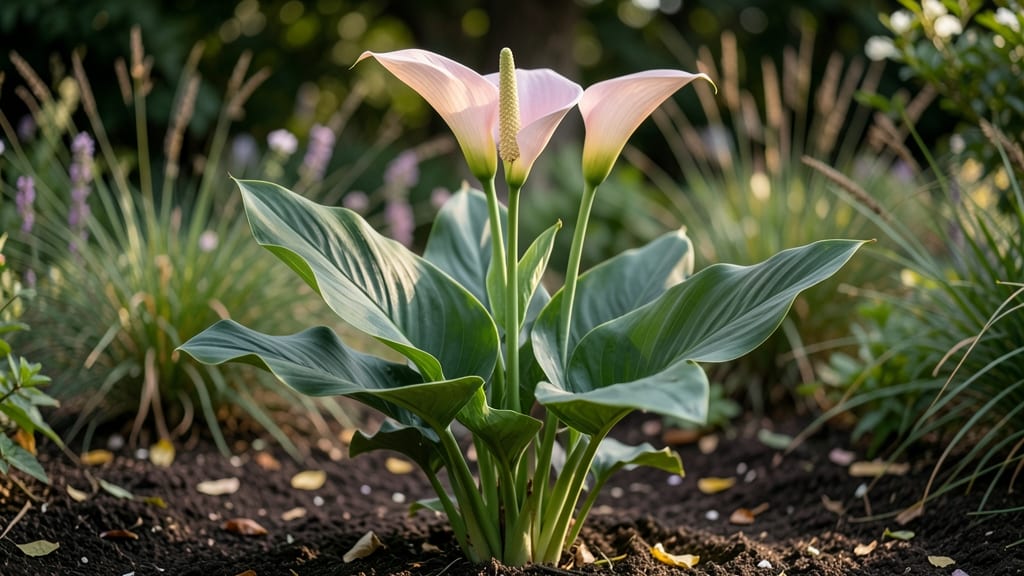
Calla lilies don't bloom every year as perennials—annual reblooming depends on winter dormancy, at least 6 hours of sunlight daily, and well-draining soil. Without these conditions, they may skip flowering for months or years.
Calla lilies follow a natural seasonal rhythm where blooming isn't guaranteed annually. 🌸 Many gardeners assume these striking plants will flower reliably year after year, but their growth cycle actually mirrors temperate perennials—they need a proper resting period (like winter chilling) to rebuild energy for next season's blooms.
The 6-hour sunlight requirement isn't just about light exposure; it's about triggering the hormonal signals that prompt flower bud formation. I've seen calla lilies in containers skip blooming entirely when moved to shady spots during summer, even when given perfect care otherwise.
What's interesting is how root health plays a hidden role—healthy roots store starches during the growing season, which become the fuel for next year's blooms. Poor drainage or overwatering can starve these roots, leaving the plant with no energy reserves.
Some varieties, like the Etiopic calla, are more consistent bloomers than others, but even they need these conditions to perform reliably.
💡 In This Article
- Why Calla Lilies Skip Blooming and How Growth Cycles Work
- Pro Tips to Encourage Yearly Calla Lily Blooms
Why calla lilies skip blooming and how growth cycles work
Calla lilies follow a biennial growth pattern similar to many temperate perennials, meaning they often need two years to complete their full cycle. The first year focuses on building strong roots and foliage, while the second year (with proper conditions) produces blooms.
This is why many gardeners see their first flowers only in the plant's second season. The key trigger is photoperiodism—the plant's response to daylight length.
When days shorten in fall, calla lilies begin storing energy in their corms (underground storage organs) for winter dormancy, a process that requires 10-12 hours of darkness daily.
The 6+ hours of sunlight requirement isn't just about light intensity—it's about maintaining a balance between photosynthesis and energy storage. Too little sunlight weakens the plant's ability to produce the florigen hormone, which signals flower bud formation.
I've noticed that calla lilies grown under artificial grow lights (even high-quality LEDs) often bloom less reliably than those in natural sunlight because the light spectrum differs. The ideal scenario is full sun exposure (6+ hours) combined with partial shade during peak afternoon heat to prevent leaf scorch.
Root health is the foundation of reblooming success. Healthy calla lily roots store starches and sugars during the growing season, which become the energy source for next year's flowers.
A single mature corm can store enough energy to produce 10-20 blooms, but this only happens when drainage is perfect—waterlogged soil causes root rot, which starves the plant of these crucial reserves.
The corm's texture should feel firm but slightly spongy when pressed, similar to a ripe avocado, indicating proper hydration without excess moisture.
Temperature plays a dual role in the blooming cycle. During active growth (spring-summer), calla lilies thrive in 70-80°F temperatures, but they need a cooling period (50-60°F) in fall to trigger dormancy. Without this chilling requirement, the plant may continue growing vegetatively instead of preparing for bloom.
Some tropical varieties are more forgiving, but even they benefit from a 2-3 month rest period where watering is reduced by 75%. This dormancy phase is when the plant's biological clock resets, determining whether it will bloom the following year.
Variety matters significantly in blooming reliability. Etiopic calla lilies (the most common type) typically bloom annually with proper care, producing 1-3 large flowers per stem that last 2-3 weeks.
In contrast, Remanni calla lilies (with their distinctive picotee edges) often bloom less frequently but produce 5-10 smaller flowers per stem.
The difference comes down to genetic programming—some varieties prioritize foliage growth over flowering when conditions aren't ideal, which is why you might see lush green plants with no blooms even after years of care.
What most gardeners overlook is the soil microbial ecosystem that supports blooming. Beneficial fungi and bacteria in well-draining soil help break down organic matter into forms the calla lily can use for energy storage.
A simple test is to check your soil's organic matter content—ideal levels are 3-5% (about the texture of a well-composted leaf mold). Amending with 1-2 inches of compost** in early spring gives the plant the nutrients it needs to store energy for next year's blooms.