
Blooming
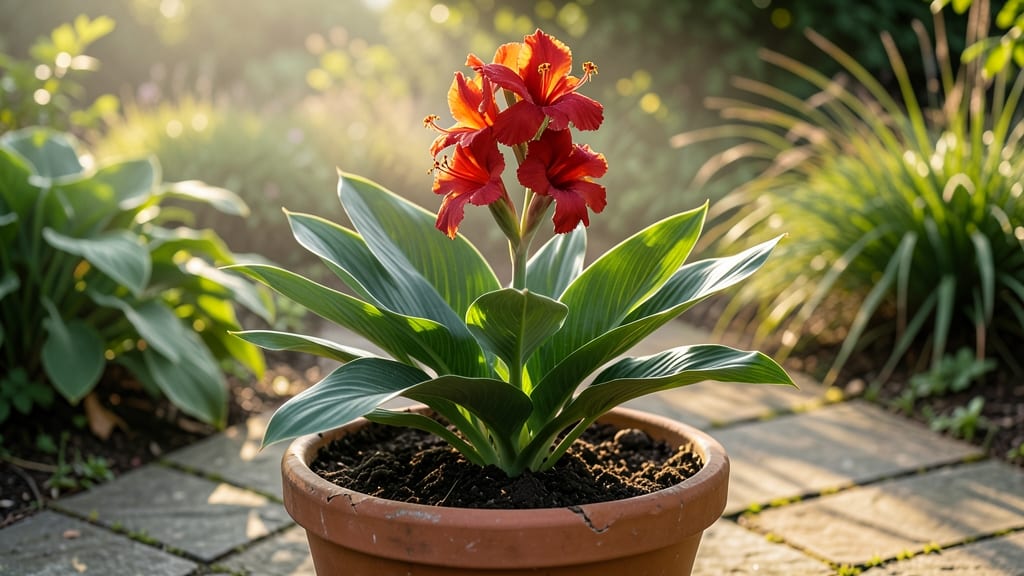
The canna lily bloom time is triggered by soil temperatures hitting 60°F and staying warm, turning your garden into a riot of tropical color by mid-summer.
If you’ve ever waited eagerly for your canna lilies to burst into vibrant blooms—only to be left wondering why they’re late—you’re not alone. These tropical beauties don’t follow a strict calendar; instead, their bloom time is a heat-triggered dance with your local climate.
In Zone 6a, where spring lingers and summer arrives with a vengeance, cannas typically wait until June or July to open their 🌸 trumpets of red, yellow, or orange.
But with a few strategic tweaks—like mulching for warmth or choosing early-blooming varieties—you can coax those flowers weeks ahead of schedule.
Below, I’ll break down the exact months your cannas will bloom based on your zone, how to read their signals for peak performance, and 5 pro tips to extend their show from summer into early fall.
How heat triggers canna lily blooms: the science behind timing
Canna lilies are masterful heat responders, using temperature shifts as their bloom trigger. Unlike many plants that rely on day length, cannas primarily respond to nighttime warmth—specifically, when nighttime temps stay above 60°F (15°C) consistently.
This warmth signals their rhizomes to shift from vegetative growth to flowering mode, a process tied to their tropical origins.
Think of it like a tropical thermostat: cannas need both daytime heat (ideally 75–90°F) and warm nights to kickstart blooming. In cooler zones, this often means waiting until summer’s steady warmth arrives, while tropical climates may see blooms as early as late spring.
The key is understanding your local heat thresholds and how they align with your cannas’ dormancy cycles.
🌱
| Trigger Factor | Ideal Range | Bloom Impact |
|---|---|---|
| Daytime Temperature | 75–90°F (24–32°C) | Stimulates foliage growth before blooming |
| Nighttime Temperature | Above 60°F (15°C) | Triggers flower bud formation |
| Temperature Drop | Below 50°F (10°C) | Delays or halts blooming |
| Day-Length Sensitivity | 12+ hours daylight | Supports consistent flowering |
| Rhizome Maturity | 3–4 months growth | Ensures robust blooms |
Your canna lilies send subtle growth signals before blooming, and learning to read them is half the battle. Watch for leaf size changes: larger, broader leaves indicate the plant is storing energy for flowers.
Similarly, rhizome growth slows as the plant redirects resources upward. If you notice new shoots emerging from the base of your cannas, expect buds within 4–6 weeks of consistent warmth.
Another clue? The stem thickness. Healthy cannas develop sturdier stems as they prepare to support blooms. Thin, weak stems often mean the plant isn’t getting enough nutrients or heat to trigger flowering.
Pair these visual cues with your local heat patterns, and you’ll start predicting bloom windows with surprising accuracy.
Canna lilies also have a built-in dormancy cycle that resets their bloom clock. After flowering, they enter a rest period, often signaled by leaf yellowing or reduced growth.
This dormancy typically lasts 2–3 months, depending on your climate. In cooler zones, this might extend into winter, while tropical cannas may bloom year-round with ideal conditions.
To encourage earlier blooms, focus on nighttime warmth. Use row covers or black plastic mulch to trap heat around rhizomes, especially in Zone 7 or cooler. Even a 5°F (3°C) increase at night can shift bloom timing by 2–3 weeks.
Just avoid overheating the soil—above 95°F (35°C) can stress the plant and delay blooms.
Don’t overlook the role of water temperature either. Canna lilies absorb water through their rhizomes, and warmer water (70–80°F) can speed up metabolic processes, including bloom initiation. In cooler climates, use rain barrels or soaker hoses to deliver slightly warmer water to the base of your plants during the day.
If your cannas seem slow to bloom, check their soil conditions. Blooming requires phosphorus-rich soil (look for a 10-10-10 fertilizer ratio). A quick soil test can reveal deficiencies, and adding bone meal or compost can give your plants the phosphorus boost they need to trigger flowers.
Remember, canna lilies are heat-loving opportunists. They’ll bloom when conditions are right, not on a calendar. By tuning into their temperature triggers and growth signals, you’ll turn guesswork into a science—and enjoy those vibrant blooms right on schedule. 🌸
Exact bloom months by USDA Zone: a state-by-state guide
Canna lilies thrive when temperatures rise, but their bloom windows vary dramatically across USDA Zones 7–11. In cooler zones like Zone 7, expect blooms to start as late as mid-July, while tropical Zone 11 gardeners may see first flowers by May.
Understanding these patterns helps you time plantings for peak color and adjust care routines accordingly.
Southern states like Florida and California (Zones 9–11) enjoy earlier blooms because cannas respond to consistent warmth. Meanwhile, gardeners in Zone 7–8 (e.g., North Carolina, Tennessee) must wait for soil temperatures to stabilize above 65°F before blooms appear. This zone-by-zone breakdown reveals the hidden triggers behind your cannas’ timing.
Key factors influencing bloom dates:
- Soil warmth (must reach 60°F+ for rhizomes to activate)
- Daylight length (longer days in summer signal blooming)
- Nighttime temperatures (below 55°F delays flowering)
| USDA Zone | First Bloom Window | Peak Bloom Months | Planting Adjustment Tip |
|---|---|---|---|
| Zone 7 (e.g., NC, TN) | Mid-July to early August | August–September | Plant rhizomes in late May for heat acclimation |
| Zone 8 (e.g., GA, VA) | Late June to July | July–September | Use black plastic mulch to warm soil faster |
| Zone 9 (e.g., FL, TX) | May–June | June–October | Plant as early as March for extended blooms |
| Zone 10 (e.g., AZ, CA) | April–May | May–November | Choose dwarf varieties for container growing |
| Zone 11 (e.g., HI, PR) | March–April | April–December | Plant year-round; prune spent blooms for continuous flowers |
In Zone 7–8, where cooler nights delay blooming, I recommend planting heat-tolerant varieties like 'Striped' or 'Pactolus' for earlier color. These types handle 50°F nighttime temps better than standard cannas.
For Zone 9+, focus on prolonged blooming by deadheading spent flowers—this tricks the plant into producing more buds as long as temperatures stay above 70°F.
Pro tip: Track your local soil temperature using a soil thermometer. Canna lilies won’t bloom until the ground reaches 65°F for 3+ days. In Zone 7, this often means waiting until late June, while Zone 10 gardeners can plant in March and enjoy blooms by spring.
Adjust your fertilizer schedule too—feed heavily when buds form (June–July in cooler zones) to support vibrant blooms.
If you’re in a transitional zone (e.g., Zone 8b), experiment with microclimates. South-facing beds bloom 2–3 weeks earlier than north-facing spots due to extra heat. Use reflective mulch or light-colored gravel to warm soil faster in cooler microclimates.
With these adjustments, you can extend your canna lily season by up to 6 weeks in any zone.