
Blooming
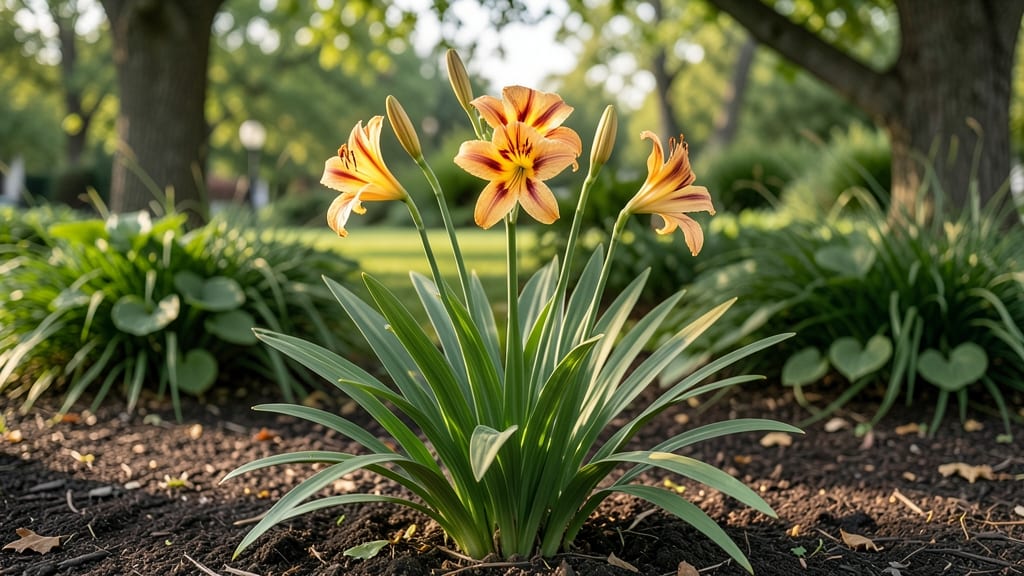
Day lilies bloom all summer long, rebounding after frost with continuous flowering from late spring through early fall—typically peaking in June and July—but may slow down during extreme cold snaps or drought periods. Their resilience lets them recover and flourish even after winter damage.
Day lilies are nature's summer showstoppers, designed to keep blooming as long as conditions cooperate. 🌸 Their secret lies in their ability to produce multiple flower stalks per season, each capable of reblooming after proper care.
Unlike annuals, these perennials store energy underground, allowing them to bounce back after frost or even light winter damage.
What's fascinating is how different varieties respond—some may start flowering as early as May, while others wait until July, creating a staggered display that extends your garden's color palette well into autumn.
This hardy behavior makes them perfect for low-maintenance gardens, though they do appreciate consistent moisture and occasional deadheading to encourage more blooms. The key to maximizing their summer performance lies in understanding their natural rhythms and providing just the right support at each growth stage.
💡 In This Article
- Day Lily Bloom Cycles: Seasonal Patterns and Frost Recovery
- Extending Day Lily Blooms: Pruning, Fertilizing, and Care Tips
Day lily bloom cycles: seasonal patterns and frost recovery
The day lily's remarkable summer blooming ability stems from its unique biological structure. Unlike many perennials that produce one flush of flowers, day lilies generate multiple flower stalks called scapes from their rhizomes (underground stems).
Each scape can produce 10-20 buds, and with proper care, they'll continue blooming every 3-5 days throughout the season. This continuous production is possible because day lilies store energy in their rhizomes, allowing them to recover quickly after frost damage—even when temperatures dip below 20°F.
Frost actually triggers a fascinating recovery process. When temperatures drop, the above-ground foliage may brown and appear dead, but the rhizomes remain dormant underground. The key mechanism is their ability to regenerate new growth from these stored energy reserves.
In early spring, as soil temperatures rise to 50-55°F, the rhizomes begin producing new shoots.
Varieties like 'Stella de Oro' often start reblooming as early as May in Zone 5, while others like 'Happy Returns' may wait until June or July—this creates the staggered blooming effect that extends your garden's color palette.
Temperature fluctuations play a crucial role in bloom timing. Day lilies are day-length neutral, meaning they don't rely on specific daylight hours to flower—they respond primarily to temperature changes. The ideal blooming window occurs when daytime temperatures consistently reach 70-85°F with cool nights (55-65°F).
This temperature range triggers the plant's natural blooming hormones. When summer heat exceeds 90°F for prolonged periods, blooms may slow or stop until temperatures moderate—this is why you often see a mid-summer lull in flowering.
What most gardeners don't realize is how day lilies adapt to local climates. In cooler northern regions (Zones 3-5), they may produce their primary flush in June-July and then rebloom in late summer after the heat subsides.
In warmer southern climates (Zones 7-9), they often bloom continuously from May through October, with only brief pauses during extreme heat waves. This adaptability is why day lilies thrive in such diverse environments—from New England to California.
Consider the scientific process behind their frost recovery: when temperatures drop below freezing, the plant's cells produce antifreeze proteins that prevent ice crystal formation in their tissues. These proteins, combined with the rhizomes' stored carbohydrates, allow the plant to "wake up" quickly in spring.
The rhizomes can remain viable for years, producing new growth each season—this is why established day lilies often outperform younger plants in terms of bloom quantity.
For gardeners in transitional climates, understanding these patterns helps predict blooming windows. In Zone 6, for example, you might see initial blooms in late May, a pause during July heat, and then a second flush in September as temperatures cool.
This staggered approach ensures your garden remains colorful throughout the entire growing season, with minimal gaps between blooms.
The most impressive part? Even after frost damage, day lilies can recover and produce 70-80% of their normal bloom count the following season. This resilience makes them one of the most reliable perennials for summer color, requiring far less maintenance than many annuals that need constant deadheading and watering. 🌿