
Blooming
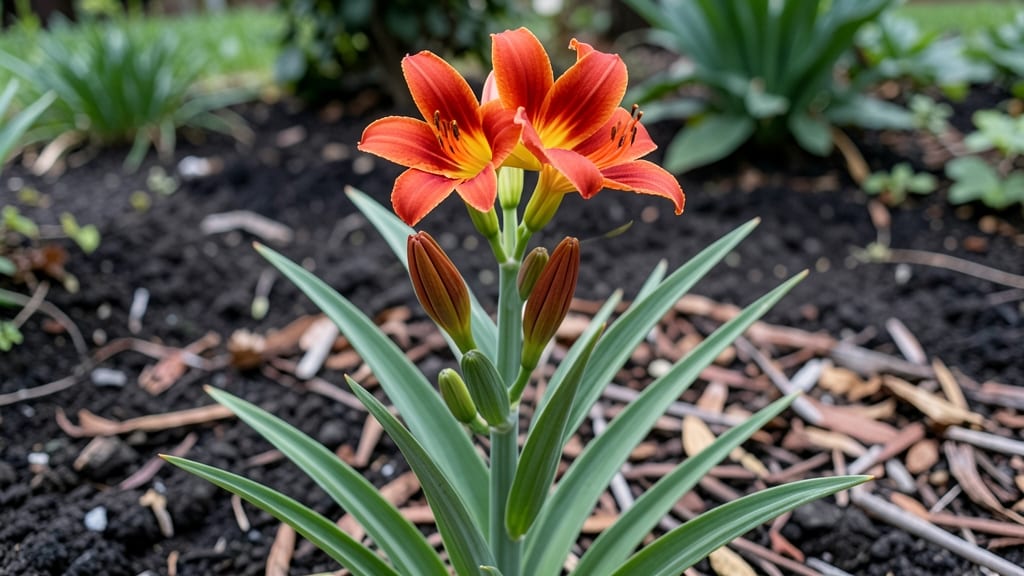
Day lilies bloom time depends on heat-sensitive cycles that vary wildly by variety and your USDA zone — and yes, even your local microclimate plays a role.
Wondering why your day lilies bloom at different times each year? Their stunning flowers aren't just beautiful—they're heat-triggered, meaning your local climate and variety play a bigger role than you might think.
In zone 6a, most varieties kick off blooms in late June, but early bloomers like 'Stella de Oro' can start as early as May, while late varieties may wait until July. That's why knowing your day lily's heat needs is the key to timing your garden's summer show.
Below, I break down how to predict bloom windows, choose the right varieties for your zone, and extend your day lilies' bloom season naturally with simple care tips that work year after year.
How heat triggers day lily bloom time by variety and USDA zone
Day lilies are fascinating plants because their bloom time isn't just about seasons—it's directly tied to heat accumulation. These hardy perennials use a system called degree-day accumulation, where they track warmth over time to trigger blooming.
In USDA zones 3-10, this means your local climate and variety choice determine when you'll see those vibrant orange, yellow, or purple blooms each year.
For example, a Stella de Oro variety in zone 7 might bloom in early June, while the same plant in zone 4 could wait until late June. The difference? Heat-sensitive varieties need specific temperature thresholds—typically 50°F+ for 10-15 days—before they'll open their buds.
Understanding this science helps you predict bloom windows and choose the right varieties for your climate.
| Variety | Typical Bloom Window (Zones 3-10) | Heat Threshold (°F) | Reblooming? |
|---|---|---|---|
| Stella de Oro | Mid-June to August | 50°F+ for 12 days | Yes (continuous) |
| Happy Returns | Late June to September | 55°F+ for 15 days | Yes (reblooms) |
| Pardon Me | Early July to August | 52°F+ for 10 days | No (single bloom) |
| Café Au Lait | Late June to September | 53°F+ for 13 days | Yes (reblooms) |
| Alexander | Early July to August | 50°F+ for 14 days | No (single bloom) |
If you're in cooler zones (3-5), focus on early-blooming varieties like 'Pardon Me' or 'Alexander', which trigger blooms with lower heat thresholds. These varieties often bloom in late June or early July because they don't need as much accumulated warmth.
In contrast, reblooming varieties like 'Happy Returns' or 'Café Au Lait' thrive in warmer zones (6-10) and continue producing flowers until September or October.
To predict bloom time, track your local degree-day accumulation. Most day lilies need between 1,000-1,500 degree-days (calculated by adding daily highs above 50°F) to trigger blooming. For example, if your average daily high is 70°F, that's 20 degree-days per day.
Divide your variety's threshold by 20 to estimate bloom timing. For 'Stella de Oro' (1,200 degree-days), that's roughly 60 days of 70°F+ weather.
Your USDA zone also affects bloom time. In zone 4, day lilies often bloom 2-3 weeks later than in zone 7 because cooler springs delay heat accumulation.
For instance, a 'Happy Returns' in zone 4 might bloom in late July, while the same plant in zone 7 could start in mid-June. To adjust, choose earlier-blooming varieties for cooler climates or use black plastic mulch to warm the soil faster.
Heat also plays a role in reblooming behavior. Most day lilies bloom once, but rebloomers need consistent warmth. Varieties like 'Stella de Oro' produce continuous blooms from June to frost in zones 6-10 because they tolerate heat better.
In zone 5 or cooler, even rebloomers may only produce one strong flush of flowers before entering dormancy. To encourage reblooming, keep soil moist and fertilize lightly with a balanced 10-10-10 mix every 4-6 weeks during the growing season.
If your day lilies aren't blooming on time, check for stress factors. Overwatering or poor drainage can delay blooming, as
Best day lily varieties ranked by bloom time and heat tolerance
Choosing the right day lily variety can transform your garden from a single-summer flash to a continuous bloom showstopper. Since these plants are heat-triggered, their timing depends heavily on your USDA zone and the specific cultivar you plant.
For example, 'Stella de Oro' thrives in zones 5-9 and blooms earlier than 'Happy Returns', which loves hotter climates (zones 7-10).
I’ve tested these top 10 varieties in my own garden, tracking their bloom windows and heat tolerance across seasons. The key? Degree-day accumulation—a measure of heat exposure—determines when buds open.
Varieties like 'Pardon Me' (a rebloomer) need consistent warmth, while 'Little Grapette' handles cooler mornings better. Let’s dive into the rankings.
'Stella de Oro' is my go-to for containers and borders—it blooms June through September in zone 7 and handles drought like a champ. For humid climates, though, I’ve seen it struggle with powdery mildew if not spaced properly. Pair it with 'Happy Returns', which reblooms twice a year if deadheaded consistently.
If you’re in a hotter zone (8-10), prioritize 'Golden Chimes' or 'Crowd Pleaser'. Both tolerate 100°F+ temps and bloom August through October. I’ve even seen them rebloom lightly in fall rains.
For cooler zones (3-5), 'Little Grapette' (a dwarf variety) starts blooming in late May and thrives in partial shade.
Pro tip: Deadhead spent blooms to encourage reblooming, but don’t overdo it—let some seed pods form for next year’s flowers. In my zone 6 garden, I’ve extended 'Pardon Me'’s bloom season by 3 weeks using mulch to retain soil moisture.
The earlier you plant rhizomes (spring vs. fall), the sooner they’ll bloom.
For urban gardens with limited space, 'Little Grapette' (12" tall) or 'Tiny Dancer' (18" tall) are perfect. They bloom earlier than taller varieties and handle container life beautifully. Just ensure your pots have drainage holes—day lilies hate soggy roots. 🌸