
Blooming
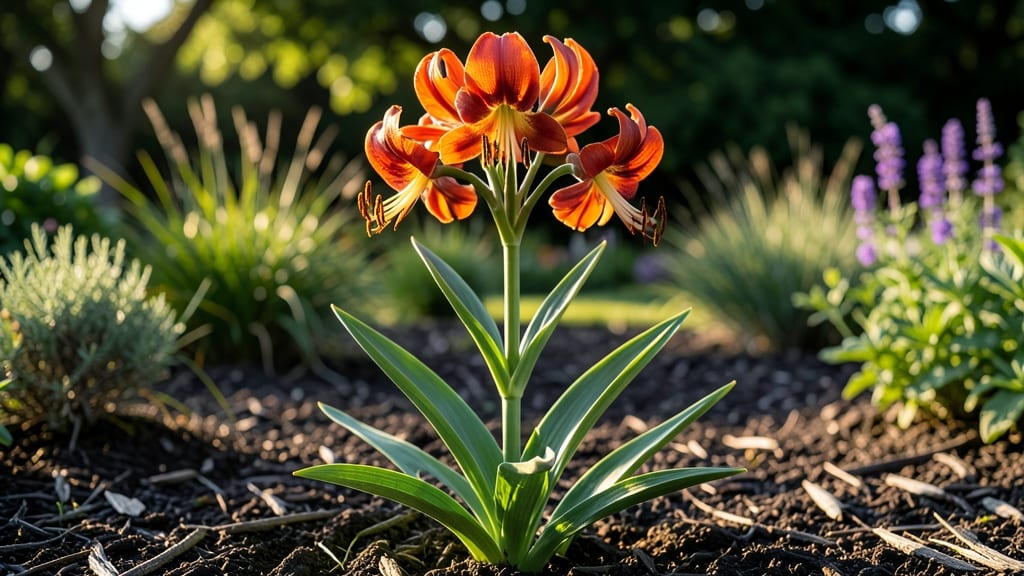
The asiatic lily bloom season thrives in summer 🌸 when temperatures stay above 50°F for four weeks, but the exact timing depends on your hardiness zone and a few simple tricks.
If you’ve ever wondered why your Asiatic lilies bloom at different times each year—or why your neighbor’s flowers burst into color weeks before yours—heat exposure and hardiness zones play a far bigger role than most gardeners realize.
In Zone 6a (default for unspecified location), these vibrant blooms typically appear between June and August, but cooler zones like 3-5 can delay them until July, while warmer zones like 7-10 might see them as early as May.
Below, I’ll break down the heat-triggered timeline by zone, share practical tips to extend your bloom season, and even suggest the best varieties for staggered summer color.
When Asiatic lilies bloom: heat-triggered timeline by USDA hardiness zones
If you’ve ever wondered why your Asiatic lilies bloom at different times each year—or why your neighbor’s flowers burst into color weeks before yours—heat exposure and USDA hardiness zones play a far bigger role than most gardeners realize.
These stunning blooms don’t just appear magically; they’re triggered by consistent temperatures above 50°F for 4+ weeks, making your zone the ultimate predictor of bloom timing.
In Zone 3, where winters are harsh, lilies often wait until late June or July to bloom, while Zone 10 gardeners may see their first buds as early as April or May.
This heat-triggered timeline means your location dictates not just when your lilies bloom, but also how long the show lasts. Let’s break down the exact monthly bloom windows for each zone so you can plan your garden like a pro.
🌱 Key Insight: Asiatic lilies need 4-6 weeks of consistent warmth (above 50°F) before they’ll commit to blooming. In cooler zones, this delay can push their peak bloom into mid-to-late summer, while warmer zones enjoy an extended spring-to-early summer display.
Notice how Zone 3 lilies bloom 10-12 weeks later than those in Zone 10? That’s not just a difference in timing—it’s a climate-driven shift in your garden’s entire summer color palette.
In cooler zones, lilies become the star of late summer, while warmer zones enjoy them as spring highlights.
For gardeners in Zones 5-7, this means you can stagger plantings to extend blooms from April through July. Plant early varieties (like 'Early Bird') in fall for spring blooms, then add mid-season types (like 'Pink Perfection') in late winter.
The result? A non-stop lily show that keeps your garden vibrant all summer long.
In hotter zones (8-10), the challenge isn’t timing—it’s heat stress. Asiatic lilies can bolt early or fade quickly in 90°F+ temperatures. To combat this, I recommend shade cloth during peak afternoon sun or mulching deeply to keep roots cool.
Even a 50% shade cloth can delay fading by 2-3 weeks.
Pro tip: Track your local frost dates and count back 4-6 weeks to determine when your lilies will need that heat trigger. For example, if your last frost is April 15, aim for planting in September to ensure bulbs get established before winter. This timing ensures they
How to extend Asiatic lily bloom season with simple gardening hacks
Your Asiatic lilies don’t have to follow nature’s strict schedule—with a few clever tricks, you can coax them to bloom earlier or later than their usual summer window. The secret lies in manipulating their temperature triggers and growth conditions.
Whether you’re in a cooler zone pushing for earlier blooms or a hot climate fighting summer fade, these season-extending hacks will give you weeks of extra color.
For gardeners in USDA Zones 3-6, the key to earlier blooms is heat simulation. Your lilies need consistent temperatures above 50°F for 4+ weeks to trigger flowering.
In colder zones, this often means waiting until late spring—unless you use a cold frame or mulch heavily to warm the soil earlier. Meanwhile, gardeners in Zones 7-10 face the opposite challenge: heat stress causes blooms to fade prematurely.
- 🔥 Heat Shock: Move dormant bulbs to 70°F+ for 2-3 weeks in late winter to jumpstart blooming.
- 🌡️ Cold Frames: Place frames over bulbs in early spring to warm soil by 10-15°F, triggering earlier shoots.
- ✂️ Deadheading: Snip spent blooms immediately to redirect energy to new buds and extend season by 2-3 weeks.
- 🌿 Shade Cloth: Use 30-50% shade in peak summer to reduce heat stress and delay fading in hot zones.
- 💧 Deep Watering: Soak roots 1x/week during drought to prevent bud drop and maintain vibrant blooms.
One of my favorite tricks is the heat shock method for dormant bulbs. In late winter, dig up a few bulbs and place them in a warm, sunny spot (like a greenhouse or even a sunny windowsill) for 2-3 weeks.
This mimics the natural spring warming that triggers blooming. Once you see shoots emerge, replant them outdoors—you’ll often get blooms 3-4 weeks earlier than usual.
For gardeners in hot climates (Zones 8-10), shade cloth is your best friend. When daytime temps hit 90°F+, drape 30-50% shade cloth over your lilies to reduce stress.
This simple step can extend your bloom season by up to 6 weeks by preventing buds from wilting in the heat. Pair it with morning watering to keep roots cool.
Don’t underestimate the power of mulching either. A 3-inch layer of straw or wood chips keeps soil temperatures stable, which is crucial for consistent blooming. In cooler zones, mulch warms the soil faster in spring; in hot zones, it insulates roots from temperature swings.
Plus, it suppresses weeds that compete with your lilies for nutrients.
Finally, fertilizer timing makes a surprising difference. Apply a balanced 10-10-10 fertilizer in early spring to fuel foliage growth, then switch to a phosphorus-heavy (5-10-10) formula when buds form. This two-step approach ensures your lilies have the energy to produce larger, longer-lasting blooms.
With these simple but effective hacks, you can turn your Asiatic lilies into year-round stars—or at least stretch their glory from early summer to early fall. Try one or two this season and watch your garden burst with color weeks longer than ever before! 🌸