
Blooming
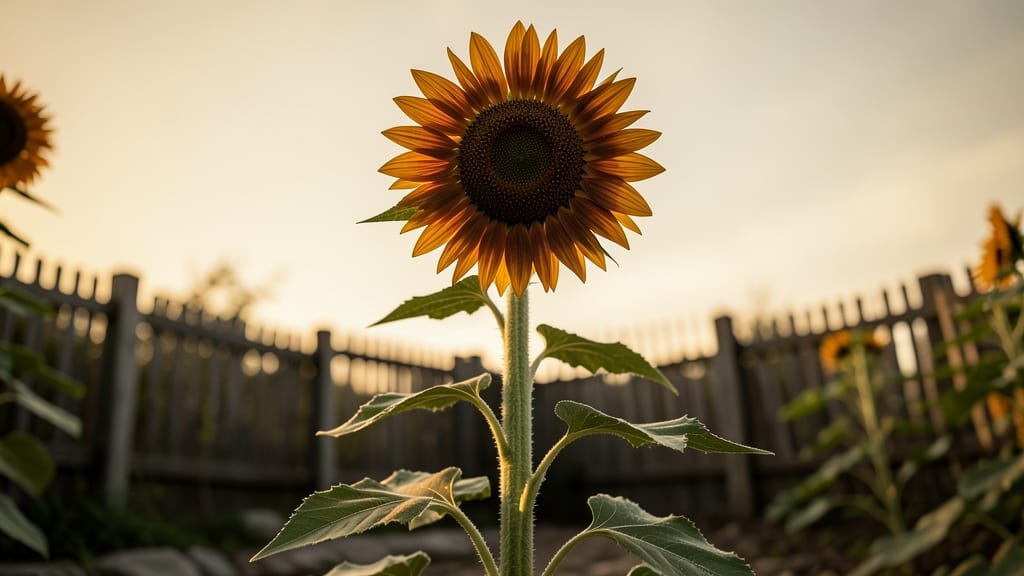
Extend your garden’s beauty into fall with these 10 vibrant flowers that thrive in August and September. Perfect for adding late-season color, attracting pollinators, and creating a low-maintenance autumn display.
Black-Eyed Susan: Golden Cheer for Fall Gardens
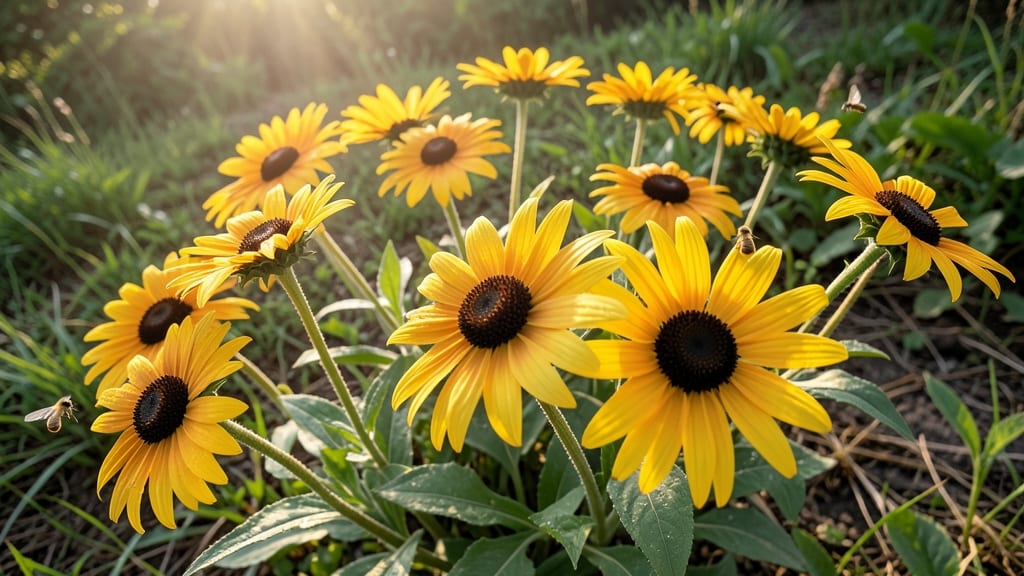
When you crave a burst of sunshine in your garden as summer winds down, Black-Eyed Susan (Rudbeckia hirta) delivers with its cheerful golden-yellow blooms that thrive in August and September. This hardy perennial is a pollinator's dream, drawing butterflies and bees while requiring almost no extra care from you.
Plant these drought-tolerant beauties in full sun with well-drained soil, and they'll reward you with blooms from early summer through fall. Deadhead spent flowers to encourage more blooms, and watch them self-seed for years of effortless color. They're perfect for borders, wildflower meadows, or even containers on your patio.
Black-Eyed Susan is especially great for gardeners in USDA zones 3-9, making it one of the most versatile late-season perennials. Its long bloom time and low-maintenance nature make it a must-have for any fall garden. 🌻
Mums (Chrysanthemums): Classic Fall Color Explosion
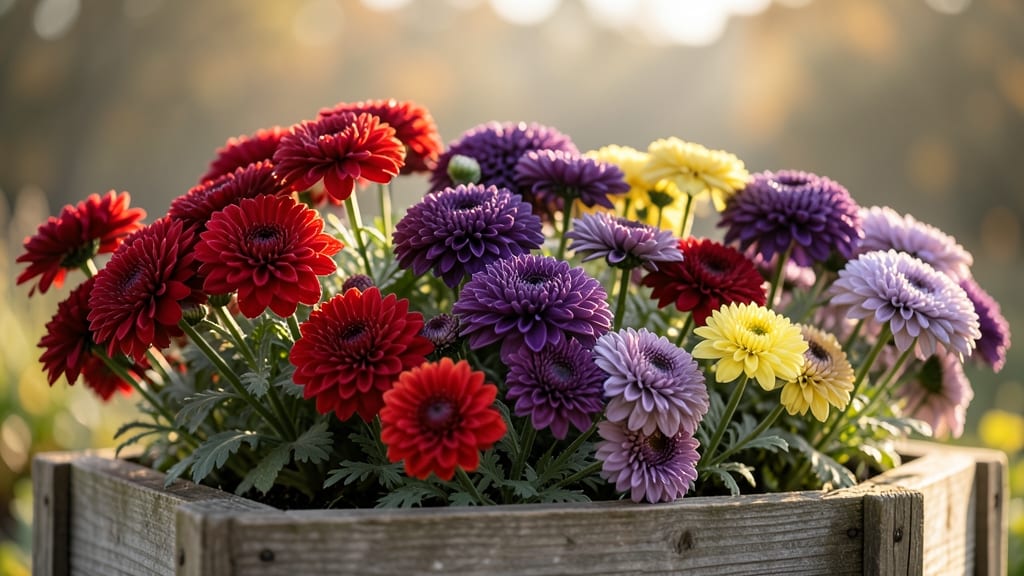
Skip the summer doldrums with chrysanthemums (mums), the unsung heroes of fall gardening. These hardy annuals burst into color just when other flowers fade, offering every shade from fiery red to deep purple—perfect for turning your space into a seasonal masterpiece.
Mums thrive in full sun to partial shade and adapt to containers, garden beds, or even hanging baskets. The secret to their long-lasting blooms? Deadheading spent flowers weekly to encourage new blooms. Choose disease-resistant varieties like 'Bonanza' or 'Dazzler' for foolproof results, and plant them 12-18 inches apart for a lush, colorful display.
Urban gardeners and beginners will love how easy mums are to grow—they even tolerate light frosts! Add them to your fall planting plan for instant color that lasts well into October. 💪
Asters: Late-Season Pollinator Magnet
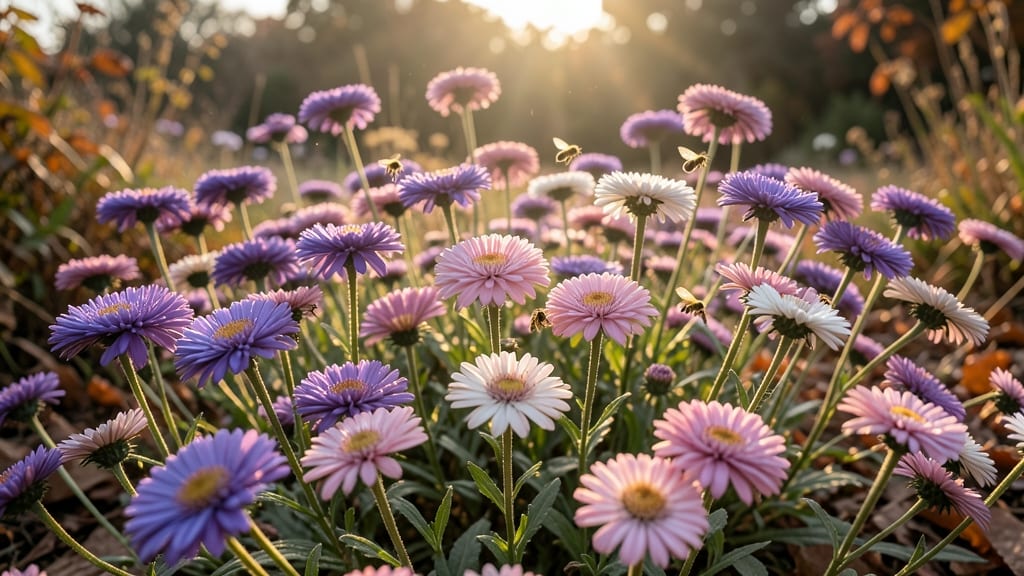
When summer blooms start fading, asters step in as nature’s late-season superstars, keeping your garden buzzing with activity until the first frost. These native perennials produce clusters of daisy-like flowers in shades of purple, pink, and white, offering a vital food source for bees and butterflies when other blooms have vanished.
Thriving in partial shade and well-drained soil, asters are perfect for gardeners with shadier spots or rocky terrain. Plant them in fall for early spring blooms, or divide established clumps every 3-4 years to keep them vigorous. Varieties like 'Alma Potschke' (purple) or 'Andenken an Alma Potschke' (pink) bring bold color without demanding full sun.
Ideal for pollinator gardens, asters reward you with months of effortless beauty while supporting local ecosystems. Perfect for beginners or busy gardeners, they’re a must-have for extending your garden’s season. 🌟
Goldenrod: Golden Pollinator Powerhouse
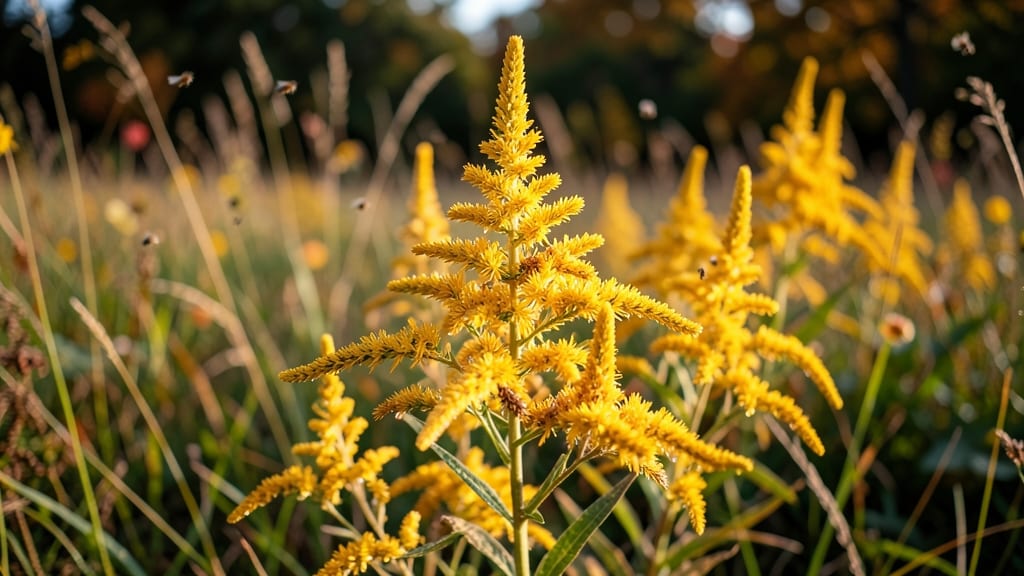
If you’ve ever blamed goldenrod for your fall allergies, think again—this native perennial is one of the most bee-friendly plants in your garden. While ragweed (the real culprit) blooms invisibly, goldenrod’s bright plumes create a late-season spectacle that keeps pollinators buzzing until frost.
Plant goldenrod in full sun to partial shade, where it thrives in average to dry soil. Its feathery, golden blooms appear in August and last through September, offering continuous nectar for bees, butterflies, and even hummingbirds. Cut back stems after blooming to encourage a second flush of flowers.
Perfect for wildflower meadows, native plant gardens, or pollinator-friendly borders, goldenrod adds texture and movement while supporting biodiversity. 🌻
Salvia (Autumn Sage): Fragrant Purple Blooms
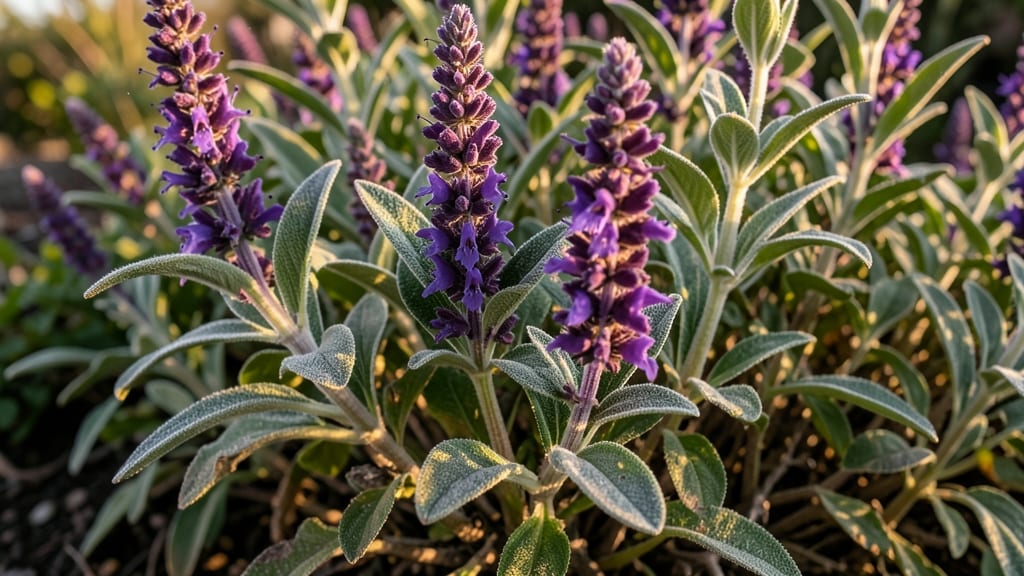
If you love the scent of herbs but want purple blooms that last all season, salvia (autumn sage) is your secret weapon. This heat-tolerant perennial thrives in dry climates and produces fragrant foliage that smells like sage—plus stunning spikes of purple flowers that hummingbirds adore. It’s the perfect bridge between summer and fall color.
Plant salvia in full sun with well-drained soil, and it’ll reward you with continuous blooms from summer through fall. The aromatic leaves make it a great companion for cutting gardens or borders, while its drought resistance means less watering for you. Prune back spent blooms to encourage more flowers and keep the plant bushy.
Gardeners in USDA zones 7-10 will love this low-maintenance star—it’s ideal for urban gardens, pollinator patches, or even container growing. Add it to your late-season plan for fragrant, long-lasting color that’s as easy to grow as it is beautiful. 🌻
Cockscomb (Celosa): Bold Velvet Red Spikes
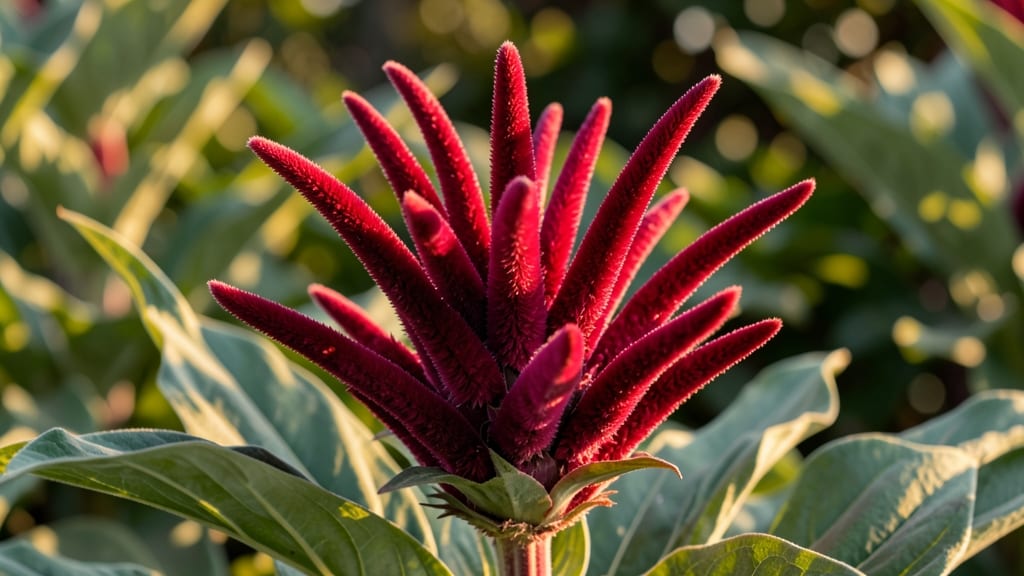
Looking for a dramatic late-season statement plant that turns heads? Cockscomb (Celosa) delivers with its velvety crimson flower spikes that resemble a rooster’s comb—ideal for adding bold texture to fall containers or cottage garden borders.
This heat-loving annual thrives in full sun and well-drained soil, making it perfect for urban gardens or rural plots. Its unique, velvety blooms last from midsummer through fall, and deadheading spent flowers encourages even more dramatic regrowth. Plant seeds directly after the last frost for 6-8 weeks of vibrant color, or start indoors for earlier blooms.
Cockscomb is especially great for beginner gardeners or those with limited space—its compact size fits perfectly in pots or mixed borders. Pair it with zinnias or salvia for a striking late-season color combo. 🌻
Russian Sage: Airy Lavender Blue Blooms
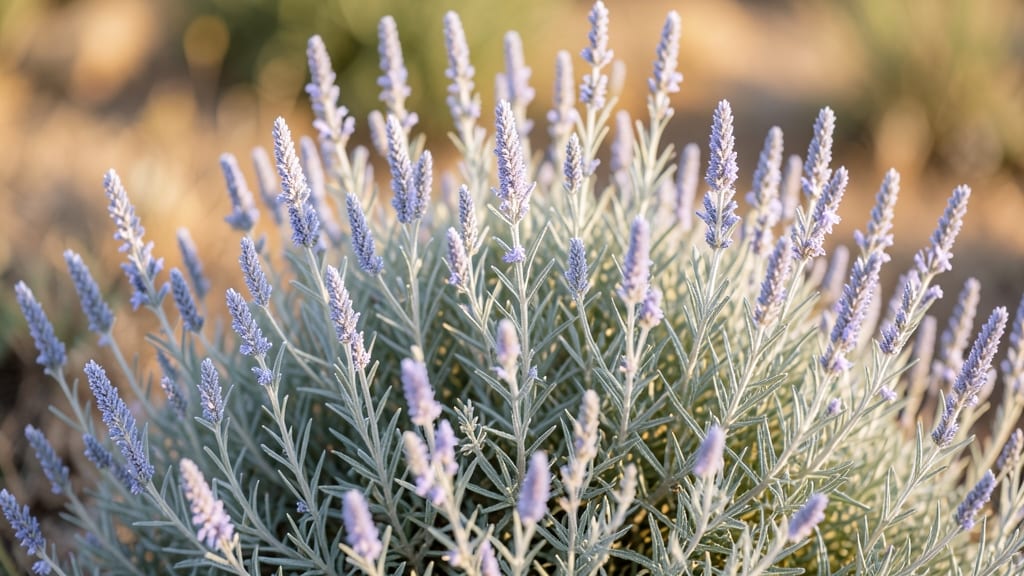
If you're dreaming of low-maintenance beauty that thrives in dry conditions, Russian sage (Perovskia atriplicifolia) is your perfect late-season ally. This hardy perennial bursts into fragrant, airy lavender-blue blooms that dance in the breeze from August through October, adding ethereal charm to your garden.
Native to dry regions of Russia and Iran, this plant thrives in full sun with minimal water once established—making it ideal for water-wise gardens. Its silvery foliage provides year-round interest, while the delicate flower spikes attract pollinators like bees and butterflies. Prune back in early spring to encourage bushier growth and more abundant blooms.
Russian sage is especially magical for gardeners in USDA zones 5-9**, where it adds height and texture to borders or pollinator gardens. Its drought resistance and long bloom time make it a standout for low-maintenance, high-impact fall displays. 💚
Zinnias (Late-Blooming Varieties): Bright Pop of Color
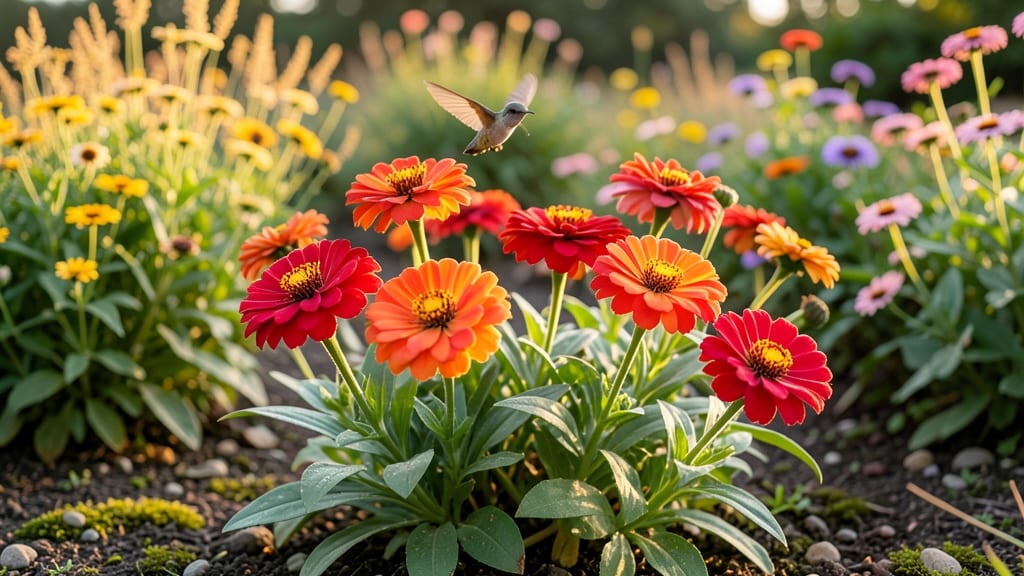
When you want to keep your garden vibrant well into fall, zinnias are the unsung heroes of late-season color. These cheerful annuals burst with bright reds, oranges, and pinks that hummingbirds can't resist, making them perfect for both pollinators and your bouquets.
Choose late-blooming varieties like 'Benary's Giant' or 'Profusion' for continuous color from August through October. They thrive in full sun to partial shade and tolerate poor soil, requiring only occasional watering once established. Snip stems for fresh-cut flowers that last 7-10 days in vases, or let them stand to attract hummingbirds with their nectar-rich blooms.
Zinnias are especially ideal for beginner gardeners or anyone wanting easy, long-lasting color. Their disease resistance and self-cleaning habit mean less work for you and more time enjoying their cheerful faces. 🌻
Japanese Anemone: Elegant Pink Fall Blooms
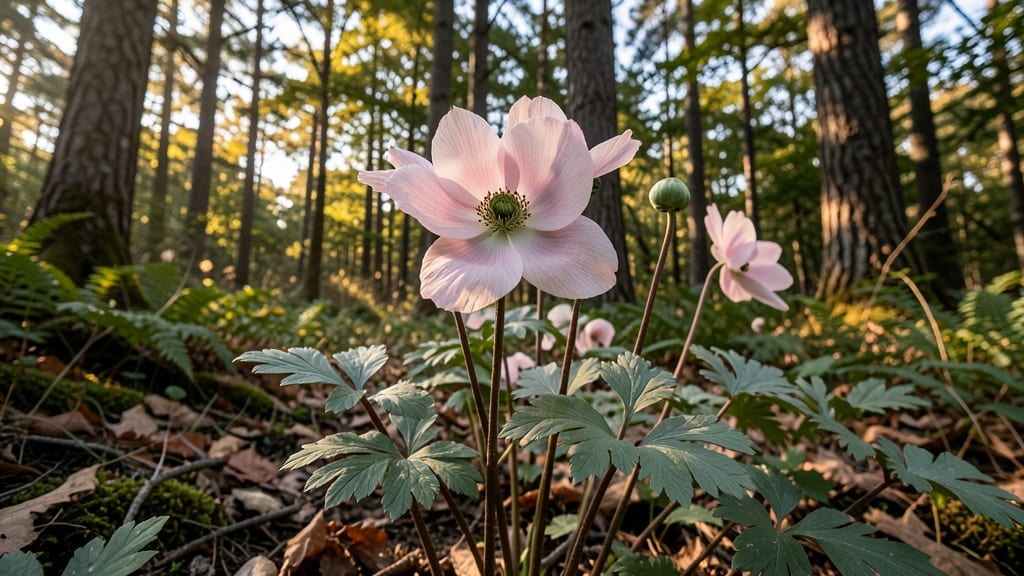
When your garden needs a touch of elegance as summer fades, Japanese anemone (Anemone × hybrida) steps in with its delicate pink blooms that dance in the breeze. Unlike sun-loving perennials, this graceful plant thrives in partial shade, making it perfect for woodland gardens, shaded borders, or even under tall trees where other flowers struggle.
These late-season beauties bloom from August through October, offering soft pink or white flowers that contrast beautifully with deep green, fern-like foliage. Plant them in moist, well-drained soil and give them space—they’ll spread gently over time. Varieties like 'Honorine Jobert' or 'September Charm' are especially prized for their prolonged blooming and disease resistance.
Japanese anemone is ideal for gardeners who love low-maintenance perennials with sophisticated charm, especially in areas with humid summers or partial shade. Pair it with asters or Russian sage for a dreamy late-season garden that keeps blooming until frost. 🌷
Sunflowers (Late Varieties): Giant Late-Season Stars

When your garden needs a dramatic vertical accent that turns heads, late-season sunflowers like 'Autumn Beauty' or 'Russian Giant' deliver with 8-12 foot stalks topped by 6-inch blooms. These varieties defy the "summer-only" sunflower stereotype, thriving when many other flowers fade, and their deep brown centers contrast beautifully against golden petals.
Plant seeds directly in well-drained soil after your last frost date—even as late as July in warm climates—and give them 6 hours of sun daily. Their deep roots make them drought-tolerant once established, and they'll reward you with blooms from September through October. Cut flowers for arrangements last 7-10 days in vases, and leave some stems for pollinators—bees and butterflies adore their nectar-rich blooms.
Perfect for beginner gardeners or those with limited space, these sunflowers grow well in containers or small plots. Their towering presence makes them ideal for backyard focal points or cutting gardens. Just remember to stake tall varieties to prevent flopping in autumn winds. 🌻