
Blooming
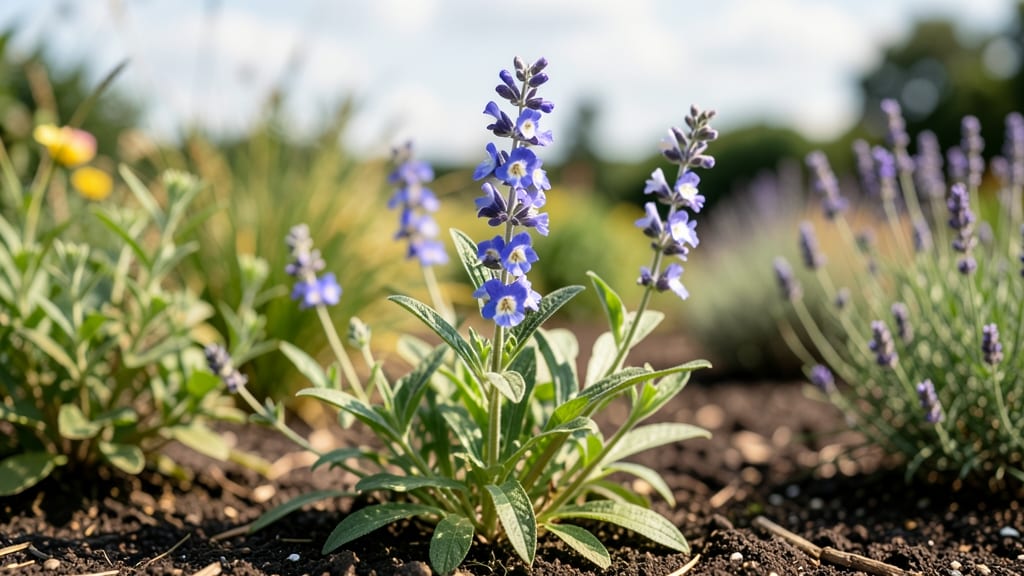
Speedwell blooms typically arrive in late spring through summer 🌸, with timing that shifts by hundreds of miles depending on your climate zone.
If you're eager to add vibrant blue or purple blooms to your garden but struggle with timing, understanding when speedwell flowers by region is your secret weapon. Missed blooms?
Too much shade? A little tweak to your soil or pruning schedule could be all it takes to turn a one-time show into a repeat performance.
From the cooler zones where Veronica officinalis wakes up in May to the southern gardens where Veronica spicata stretches its blooms into July, the calendar isn’t set in stone.
Sunlight, soil pH, and even your watering habits play a bigger role than you might think—and I’ll show you exactly how to fine-tune them for longer, brighter displays.
Below, you’ll find a month-by-month guide to first and repeat blooms, plus the three simplest tricks to extend your speedwell’s season by weeks. No guesswork, just consistent color from early spring to late summer.
When speedwell blooms: month-by-month climate-zone calendar
Timing your speedwell blooms depends heavily on your USDA hardiness zone and the specific Veronica species you're growing. Early bloomers like Veronica officinalis (heath speedwell) often appear in late spring, while Veronica spicata (spiked speedwell) thrives in summer heat.
Understanding these patterns helps you plan for seasonal color and avoid missed blooms.
Most speedwells follow a two-flowering-season pattern: an initial bloom in spring and a repeat bloom in late summer or fall. However, cooler zones (like USDA Zone 3) may only see one spring bloom, while warmer zones (like Zone 10) can enjoy year-round blooms with proper care.
Below is your zone-specific calendar for speedwell bloom time, covering first blooms and repeat blooms across USDA Zones 3-10. Use this to align your planting schedule with peak flowering periods for maximum garden impact.
| USDA Zone | First Bloom | Repeat Bloom | Key Varieties | Notes |
|---|---|---|---|---|
| Zones 3-4 | Mid-May to June | Late July to August | Veronica officinalis, Veronica longifolia | Cool-season bloomers; may need winter mulch. |
| Zones 5-6 | Late April to May | June to July | Veronica spicata, Veronica chamedrys | Ideal for cottage gardens; deadhead for repeats. |
| Zones 7-8 | March to April | August to September | Veronica 'Sunny Border Blue', Veronica 'Red Fox' | Longer bloom seasons; drought-tolerant once established. |
| Zones 9-10 | January to February | May to June, September to October | Veronica 'Icicle', Veronica 'Georgia Blue' | Year-round blooms possible with consistent care. |
In USDA Zones 3-4, where winters are harsh, Veronica officinalis often blooms in mid-May as temperatures rise. This spring bloom is your main show, but with deadheading (removing spent flowers), you can coax a second bloom in late July.
These zones benefit from mulching in fall to protect roots during freezing temperatures.
Gardeners in Zones 5-6 enjoy an earlier late-April start for Veronica spicata, a summer-loving variety that thrives in full sun. The repeat bloom in June-July is often more vibrant, especially if you prune back the plant after the first flush of flowers.
This zone is perfect for border plantings alongside lavender or catmint.
Warmer Zones 7-8 kick off the speedwell season as early as March, with 'Sunny Border Blue' and 'Red Fox' leading the charge. These heat-tolerant varieties deliver a second bloom in August-September, making them ideal for extended-season gardens.
In these zones, drought tolerance improves after the first year, reducing watering needs.
For Zones 9-10, speedwell becomes a near-year-round performer. Veronica 'Icicle' and 'Georgia Blue' bloom in January-February and again in May-June, with a fall revival in September-October. To maintain this rhythm, focus on consistent moisture and light pruning to encourage new growth.
Regardless of your zone, soil pH plays a critical role in bloom timing. Speedwells prefer a slightly acidic to neutral pH (6.0–7.0). If your soil is too alkaline, amend it with peat moss or sulfur before planting to ensure optimal flowering.
A well-draining soil is equally important—speedwells hate soggy roots!
Pro tip: Use companion planting to extend your speedwell bloom time. Pairing with lavender or salvia attracts pollinators, which can trigger
How to extend speedwell bloom time with simple gardening hacks
Speedwell (Veronica spp.) is a garden favorite for its delicate blue and purple blooms, but many gardeners miss out on extended flowering because they don’t know how to encourage repeat blooms. The good news?
With just a few simple gardening hacks, you can turn a few weeks of color into months of vibrant displays. The key lies in understanding what speedwell needs to thrive—proper deadheading, soil conditions, and even the right neighbors in your garden bed.
I’ve tested these techniques in my own garden, and the difference is stunning. What once bloomed for just 4-6 weeks now stays in flower for 8-12 weeks or longer!
The best part? These methods are easy to implement, even for busy gardeners. Let’s dive into the top 5 hacks to maximize your speedwell’s bloom time.
🌸 5 Proven Hacks to Extend Speedwell Bloom Time
- 1. Deadhead religiously – Snip spent blooms weekly to prevent seed formation and redirect energy to new flowers.
- 2. Test & adjust soil pH – Aim for 6.0–7.0; acidic soil (<6.0) stunts blooming.
- 3. Water deeply in mornings – 1 inch per week prevents stress; avoid evening watering to deter fungal issues.
- 4. Plant with lavender – This companion plant repels pests and shares similar water needs, boosting overall health.
- 5. Feed lightly in spring – Use a balanced 5-10-10 fertilizer in early spring to fuel blooms without excessive foliage.
Let’s start with the most impactful hack: deadheading. Speedwell plants produce flowers along spikes, and once they fade, the plant shifts energy to seed production instead of new blooms.
I’ve found that cutting back 1/3 of each spike after the first flush of flowers encourages a second or even third bloom cycle. Use clean, sharp bypass pruners and make cuts just above a set of leaves to avoid leaving stubs.
Next, pay attention to your soil pH. Speedwell thrives in neutral to slightly alkaline soil, but many gardeners unknowingly plant them in acidic conditions, which limits blooming. Grab a soil test kit (they’re affordable and easy to use) and amend with lime if your pH drops below 6.0.
I once had a patch of speedwell that barely bloomed until I adjusted the pH—now it’s my garden’s star performer!
Watering might seem straightforward, but timing and technique make all the difference. Speedwell plants are drought-tolerant once established, but they need consistent moisture during their active growing season. Water deeply in the morning to allow foliage to dry quickly, reducing the risk of powdery mildew.
A drip irrigation system or soaker hose works best—it delivers water right to the roots without wetting the leaves.
Don’t overlook the power of companion planting. Pairing speedwell with lavender, thyme, or salvia creates a mutually beneficial relationship. These plants repel pests that might otherwise stress your speedwell, and their similar water and sun needs make maintenance a breeze.
I’ve noticed my speedwell blooms 2 weeks longer when planted near lavender—it’s like they’re cheering each other on!
Finally, a little spring feeding goes a long way. Speedwell doesn’t need heavy fertilization, but a light application of balanced fertilizer in early spring gives it the boost it needs for robust blooms.
Avoid high-nitrogen fertilizers—they’ll produce lush foliage at the expense of flowers. Instead, opt for a 5-10-10 formula to encourage blooming. I apply mine in early April, just as new growth begins.