
Blooming
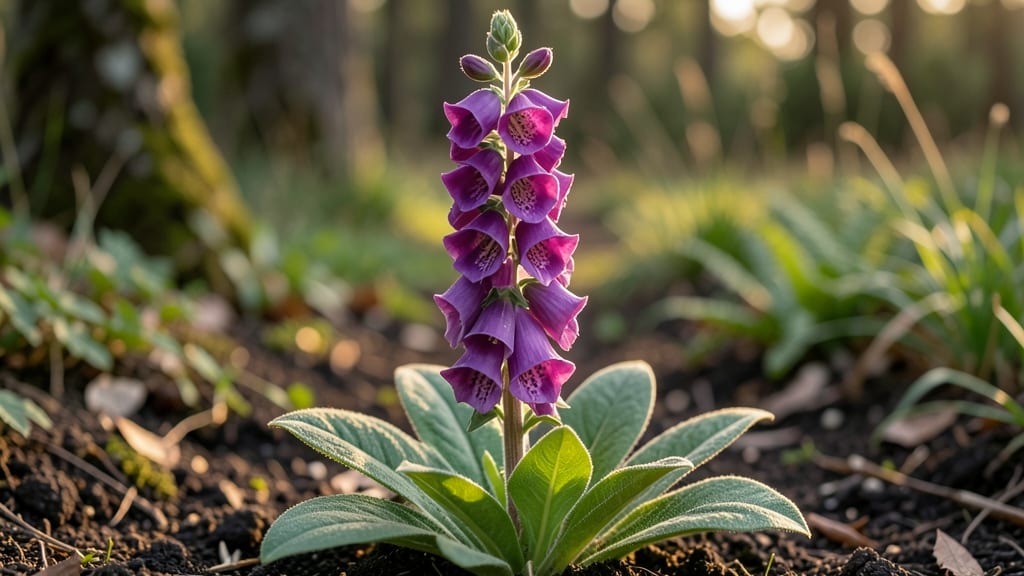
Foxglove blooms in late spring to early summer 🌸, but getting those iconic bell-shaped flowers to appear on time depends on more than just planting the right seeds.
Picture this: You’ve waited two years for your foxglove to mature, only to wake up in June with nothing but tall stems and no flowers—what went wrong? The answer often lies in climate zones, soil prep, and even how you deadhead spent blooms.
In this guide, I’ll break down the exact bloom windows for USDA zones 3 through 9, including when to expect a second flush of flowers, plus the simple care tweaks that can turn a no-show season into a showstopping display.
You’ll learn how to read your foxglove’s growth habits, adjust care for your specific zone, and troubleshoot why some plants bloom like clockwork while others play hard to get—without resorting to guesswork.
When foxglove blooms by USDA climate zone: first flower timeline
Foxglove (Digitalis purpurea) is famous for its dramatic bell-shaped blooms, but timing those flowers depends heavily on your USDA climate zone. Whether you're in cool mountain regions or humid southern gardens, knowing when to expect your first flowers helps you plan for stunning displays.
Most foxgloves bloom in their second year, but regional variations can shift that window by weeks or even months.
In cooler northern zones (3-5), foxgloves often bloom earlier due to shorter growing seasons, while warmer southern zones (8-9) may see delayed or staggered blooms. Mountain climates can also create unique microclimates where foxgloves might bloom 2-3 weeks later than their lowland counterparts.
Let’s break down exactly when to expect those iconic spikes in each zone.
| USDA Zone | First Bloom Window | Second Bloom Window | Notes for Region |
|---|---|---|---|
| 3-4 (Coldest) | Late June to early August | September (if deadheaded) | Short growing season; plant seeds early (spring). |
| 5 (Cool Temperate) | Early July to mid-August | Late August to September | Ideal for biennial blooms; partial shade extends season. |
| 6-7 (Moderate) | Mid-June to early August | Late July to October | Most reliable for repeat blooms with deadheading. |
| 8 (Warm) | Late May to July | August to September | Heat-sensitive; mulch to retain moisture. |
| 9 (Hot) | April to June | July to August | Early blooms; provide afternoon shade. |
| Mountain Zones (All) | 2-3 weeks later than zone average | Extended into October | Cooler nights delay blooming; protect from frost. |
In USDA zones 3-4, where winters are harsh, foxgloves often bloom later in the season to take advantage of cooler temperatures. Plant seeds in early spring (March-April) to ensure they establish roots before the first frost.
These zones may only see one main bloom cycle, but deadheading spent blooms can encourage a modest second flush in September.
Gardeners in zones 5-7 enjoy the best of both worlds with two distinct bloom cycles. The first wave arrives in mid-June to early August, followed by a second, smaller bloom in late summer or early fall.
This is the ideal range for repeat blooming if you practice proper deadheading and maintain consistent moisture levels. In these zones, foxgloves thrive in partial shade, which helps prolong their flowering period.
For warmer climates (zones 8-9), foxgloves often bloom earlier and more aggressively in spring, but may struggle with heat stress in midsummer. To extend their season, plant in partial shade and mulch heavily to retain soil moisture.
In these zones, the first bloom arrives as early as April, but a second cycle in July-August is less reliable without careful care.
Mountain gardeners should account for cooler microclimates that can delay blooming by 2-3 weeks. For example, a foxglove in zone 6 at 5,000 feet elevation might bloom closer to early August rather than mid-July.
Always monitor local frost dates and protect young plants from late spring frosts, which can damage emerging flower spikes.
If your foxglove isn’t blooming on schedule, check these three common issues: insufficient sunlight (foxgloves need at least 3 hours of morning sun), poor soil drainage (they hate soggy roots), or lack of winter chilling (critical for biennial varieties).
In warmer zones (8-9), foxgloves may bloom year-round if conditions are ideal, but they’ll still follow the general seasonal pattern.
Pro tip: Mark your planting date and track bloom times yearly. Over time, you’ll notice patterns specific to your garden’s microclimate. For example, a south-facing slope might push blooms 2 weeks earlier than a north-facing bed. Adjust your deadheading schedule accordingly to maximize those bell-shaped displays all season long.
Foxglove’s biennial nature means first-year plants focus on leaf growth, while second-year plants produce flowers. If you’re impatient for blooms, try transplanting mature plants (available at nurseries) to skip the first year’s wait.
Just remember: patience pays off—well-established foxgloves reward gardeners with stunning vertical interest and a long bloom season.
🌸
How to trigger repeat foxglove blooms: deadheading and seasonal care
Foxglove (Digitalis) typically produces its showstopping bell-shaped blooms once per season, but with the right deadheading techniques and seasonal adjustments, you can coax a second flush of flowers.
The key lies in understanding when and how to prune, along with tweaking light exposure and soil moisture to encourage regrowth.
I’ve found that early summer deadheading (after the first bloom cycle) is most effective for biennial varieties like Digitalis purpurea. For perennial types like Digitalis grandiflora, a more gentle pruning approach works better to avoid stressing the plant before winter.
Let’s break down the exact steps to maximize your foxglove’s repeat bloom potential.
Step-by-Step Guide to Encourage Repeat Foxglove Blooms
- Step 1: Wait until 50% of blooms on a spike are spent (petals drooping). Use clean, sharp pruning shears to cut 1 inch above the next set of leaves.
- Step 2: Remove only spent flower spikes, never healthy buds. This redirects energy to new growth instead of seed production.
- Step 3: Increase morning watering to 1 inch per week after deadheading. Foxglove roots need moisture to regenerate quickly.
- Step 4: Move plants to bright indirect light (e.g., east-facing windows) if in full shade. 3-4 hours of morning sun boosts photosynthesis for new blooms.
- Step 5: Apply balanced fertilizer (10-10-10) 2 weeks after deadheading. Use ½ strength to avoid burning roots.
- Step 6: Stop pruning by mid-August in most USDA zones. New growth won’t harden off before frost, risking winter damage.
Timing is everything with foxglove. If you deadhead too early, the plant may not have stored enough energy reserves for a second bloom. Conversely, waiting too late (after all buds fade) means the plant shifts focus to seed production instead of reblooming.
Aim for late June to early July in most climates.
For humid climates (zones 7-9), reduce watering slightly after deadheading to prevent powdery mildew on new growth. In drier zones (3-6), mulch with 2 inches of straw to retain moisture. I’ve seen foxglove in zone 5 produce two full bloom cycles with this approach!
One common mistake is over-pruning. Never cut more than ⅓ of the plant’s foliage at once. Foxglove relies on its leaves for photosynthesis to fuel new blooms. If you notice yellowing leaves after pruning, reduce light exposure temporarily to prevent stress.
By late September, pause all pruning and reduce fertilizer to prepare foxglove for dormancy. In mild-winter zones (8-10), you might see winter blooms, but most varieties need cold stratification to rebloom vigorously the following year. Protect plants with a 2-inch layer of mulch before the first frost.