
Blooming
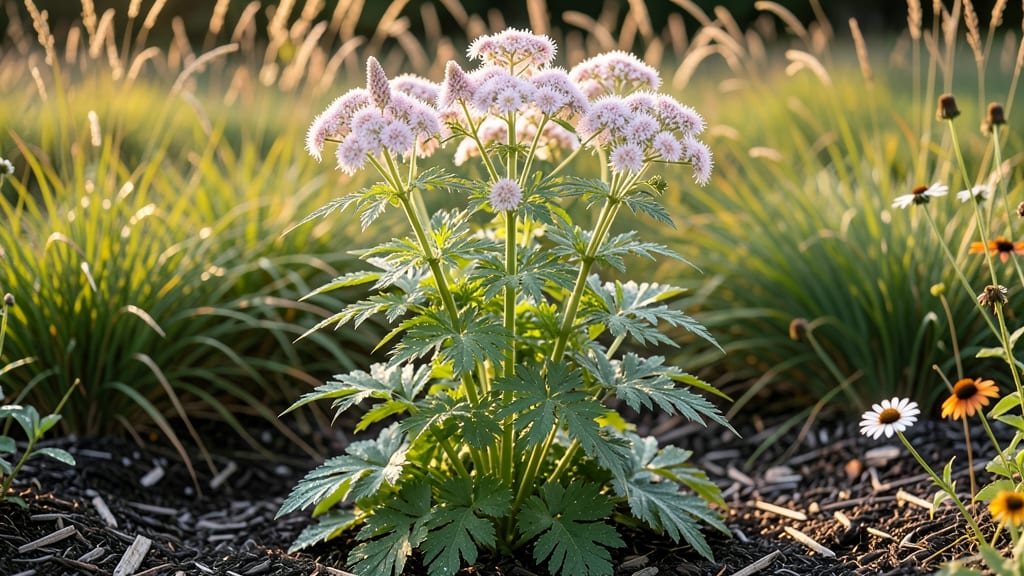
Queen of the Prairie blooms in summer 🌼, turning gardens into a dreamy pink haze—but only if you time it right.
Picture this: you’ve waited all spring for those feathery plumes to appear, only to find your plant throwing up leaves instead of flowers. That’s the frustration of missed bloom windows, and it’s easier to avoid than you think.
This guide breaks down the exact bloom periods by USDA zone, so you know when to expect those first delicate flowers—and how to coax a second flush later in the season.
From sunlight secrets to the right fertilizer timing, I’ll show you how to extend that bloom magic for months, not weeks.
Queen of the Prairie bloom time by USDA climate Zones: when to expect first flowers
The Queen of the Prairie (Filipendula rubra) thrives in USDA Zones 3-9, but its bloom timing varies dramatically depending on your location.
In Zone 3, you might see first buds as early as late June, while Zone 9 gardeners often enjoy blooms starting in May. Understanding these variations helps you plan your garden layout and companion plants for maximum impact.
This perennial takes 60-90 days from soil emergence to first buds, making early spring planting critical in colder zones. Frost sensitivity plays a key role—even after blooms appear, a late frost can damage delicate flowers. Let’s break down exactly when to expect those signature pink plumes in your specific zone.
Microclimates can shift bloom times by 2-4 weeks. A south-facing slope might trigger blooms 10 days earlier than your zone average, while shaded valleys could delay them. Pay attention to local weather patterns and adjust your expectations accordingly.
Below is your zone-by-zone bloom calendar, including early, peak, and late bloom windows. Use this as your guide to time deadheading, fertilizing, and companion planting for continuous color.
| USDA Zone | Early Bloom | Peak Bloom | Late Bloom | Notes |
|---|---|---|---|---|
| Zones 3-4 | Late June | Mid-July | Early August | Cold-sensitive; may need row cover for early spring planting |
| Zones 5-6 | Early June | Late June | Mid-July | Ideal for Midwest gardeners; thrives with consistent moisture |
| Zones 7-8 | Mid-May | June | Early July | Long bloom season; may rebloom with deadheading |
| Zone 9 | Late April | May | Early June | Early bloomer; plant in partial shade to prevent stress |
In the Pacific Northwest, cooler summers may delay blooms until late June, even in Zone 7. Meanwhile, Midwest gardeners in Zones 5-6 often see blooms align perfectly with summer solstice celebrations.
If you’re in a humid climate like the Southeast, watch for powdery mildew—it can stress plants and shorten bloom time.
For extended bloom seasons, focus on Zone 7-9 gardeners. These areas often enjoy 6-8 weeks of continuous blooms when plants receive consistent afternoon shade. In hotter zones, afternoon shade helps prevent flower scorch, keeping stems robust for longer displays.
Remember, soil temperature matters just as much as air temperature. Queen of the Prairie roots prefer 55-65°F soil to establish before shooting up. If your spring stays cold, consider mulching heavily in early April to warm the soil faster and jumpstart growth.
If you’re planting from seed, start indoors 8-10 weeks before your last frost date. Transplants in Zone 3 should go in after May 15, while Zone 9 gardeners can direct-sow as early as March 1.
This timing ensures your plants have enough energy to bloom on schedule.
Pro tip: Mark your calendar for 30 days after first buds appear—this is when peak bloom typically occurs. Use this window to take photos, arrange cuttings, or simply enjoy the show before deadheading begins.
With these zone-specific timelines, you’ll never miss the Queen of the Prairie’s magical display again. Now go forth and create that dreamy prairie-inspired garden! 🌼
How to extend Queen of the Prairie bloom time: deadheading, fertilizing & light tricks
Your Queen of the Prairie (Filipendula rubra) can go from a single summer burst of blooms to months of pink fluff with the right care.
The key lies in understanding deadheading triggers, fertilizer timing, and light positioning—all of which signal your plant to keep producing flowers. Most varieties bloom once in early summer, but reblooming cultivars like 'Red Prairiefire' need extra encouragement to repeat the show.
Start by identifying your plant type. Once-bloomers focus energy on seed production after their initial flush, while reblooming cultivars can produce multiple flushes if you intervene at the right moments. The difference often comes down to pruning discipline and nutrient management—both of which we'll tackle step by step.
Pros & Cons: Extending Queen of the Prairie Bloom Time
✅ Pros
- Longer bloom season: 2-3x more flowers with proper care
- Healthier plants: Regular deadheading prevents disease
- Reblooming cultivars: 'Red Prairiefire' can bloom twice
- Low maintenance: Once established, minimal extra work
❌ Cons
- Over-pruning risks: Can stress plants if done too aggressively
- Fertilizer timing: Wrong NPK ratios may reduce blooms
- Light limitations: Shade reduces reblooming potential
- Cultivar differences: Not all varieties rebloom reliably
Deadheading is your first line of defense. Look for spent flower heads that turn brown and papery—these are your visual cues to snip. Use clean, sharp pruning shears and cut just above the first set of healthy leaves.
For once-bloomers, this prevents seed production and redirects energy to foliage growth. For reblooming cultivars, deadhead every 7-10 days during peak bloom to encourage new buds.
Fertilizing plays a crucial role in extending bloom time. Use a balanced organic fertilizer with an NPK ratio of 5-10-10 in early spring to promote root and foliage growth. Avoid high-nitrogen fertilizers (10-10-10 or higher) during bloom—they encourage leafy growth at the expense of flowers.
Instead, switch to a low-nitrogen, high-phosphorus formula (like 5-20-10) when you see the first buds forming to boost flowering.
Light positioning can make or break your reblooming efforts. Queen of the Prairie thrives in full sun (6+ hours daily), but too much afternoon sun in hot climates can stress plants.
If you notice wilting or leaf scorch, move your plant to receive morning sun only or provide afternoon shade. For second flushes, give your plant at least 4 hours of direct light—even partial shade can delay or prevent reblooming.
For the reblooming cultivars like 'Red Prairiefire', combine these tricks with a light pruning in late summer. After the first bloom cycle, trim back 1/3 of the plant's height to encourage compact growth and trigger a second round of buds.
This works best in USDA Zones 5-8 where the growing season is long enough to support two bloom cycles.
With these methods, you can extend your Queen of the Prairie bloom time from a single summer showstopper to a multi-month display. The secret? Stay consistent with deadheading, fertilizing, and light management—your plant will reward you with waves of delicate pink blooms all season long. 🌼