
Blooming
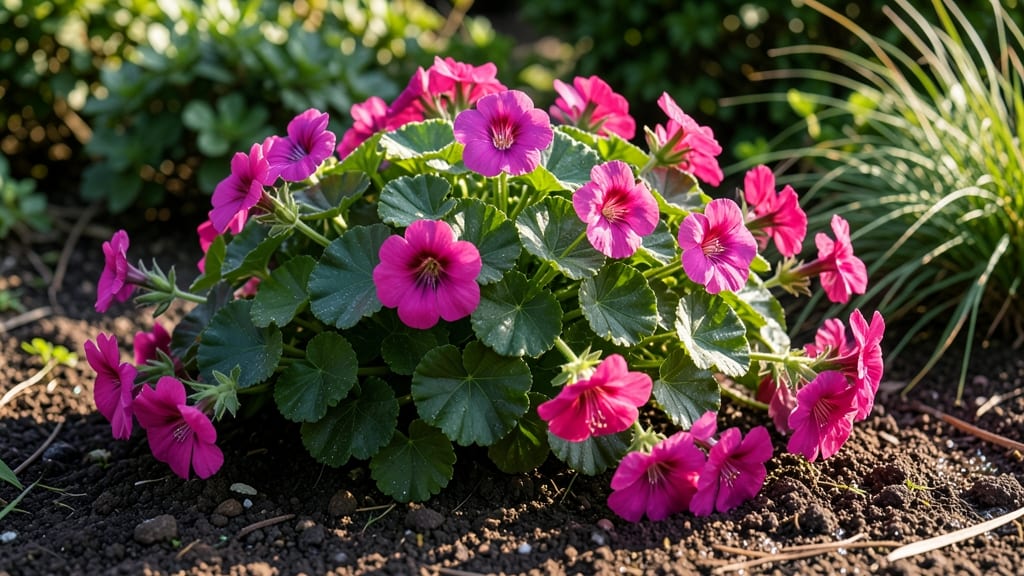
Rozanne geraniums burst into the bloom time when temperatures climb to 75°F, filling your garden with fragrant, lavender-blue flowers that last from early summer through frost. 🌿 I’ve watched mine transform from lush green mounds to show-stopping displays, and the secret isn’t just heat—it’s consistent moisture and deadheading.
These aren’t your average geraniums; they’re heat-lovers that reward patience with months of continuous blooms, even in partial shade.
The magic happens in USDA Zones 4-9, where Rozannes thrive as perennials. In colder regions, treat them as tender perennials—they’ll bounce back stronger each year if you protect their roots in winter.
The key is even watering (never soggy soil) and trimming spent blooms to encourage new growth. I’ve seen mine push through droughts but wilt under neglect, so consistency is everything.
By late summer, you’ll be snipping fresh stems for bouquets that smell like a Provence lavender field. The fragrance alone makes them worth growing, but the reblooming habit keeps them in the spotlight long after other annuals fade.
Prune lightly in early spring to shape them, and watch as they fill in faster than anything else in the garden.
Whether you’re in the Pacific Northwest’s mild climate or the Deep South’s heat, Rozannes adapt—just adjust watering to your region. The payoff? Four months of color and scent with almost no effort after the first season. Here’s how to keep them thriving all year.
📚 In This Guide
- What you need
- Instructions
- Tips and common mistakes
- Wrapping up and next steps
What you need
- ● Rozanne geranium plant: 1 healthy nursery-grown plant (6–8" pot size) or mature plant for transplanting.
- ● Well-draining potting mix: 1 bag (5–10 quarts) of high-quality cactus/succulent mix or a blend of 60% potting soil + 40% perlite/pumice.
- ● Container or garden bed: For containers: 1–2 pots (10–12" diameter) with drainage holes.
- ● For in-ground planting: Full-sun spot (6+ hours/day) with loose, well-draining soil (amend with compost if needed).
- ● Fertilizer: Balanced liquid fertilizer (10-10-10 or 20-20-20), 1 bottle (16 oz).
- ○ Slow-release granules (optional): 1 cup of organic 3-4-6 or similar.
- ● Mulch: 1 bag (5–10 quarts) of organic mulch (e.g., shredded bark or straw) to retain moisture.
- ● Gloves: 1 pair (gardening or nitrile) to protect hands.
- ● Trowel or hand shovel: 1 small tool for transplanting.
- ● Pruning shears: 1 pair (sterilized) for deadheading and shaping.
- ● Watering can or hose with nozzle: 1 with a gentle spray setting.
- ○ pH test kit (optional): To check soil acidity (ideal: 6.0–7.0).
- ○ Support stakes (optional): 1–2 bamboo stakes or small cages if plant flops in wind.
- ● Sunlight: Full sun (6+ hours/day)—Rozanne geraniums love heat!
- ● Watering routine: Commit to consistent moisture (let top 1–2" of soil dry between waterings).
- ● Patience: First blooms may take 6–8 weeks after planting, but reblooming is worth it!
How to maximize Rozanne geranium bloom time year after year
This heat-loving perennial delivers its signature fragrance and vibrant blooms when you follow its natural cues.
☀️ Step 1: Plant in Full Sun for Heat-Triggered Blooming
Rozanne geraniums (Geranium 'Rozanne') need at least 6-8 hours of direct sunlight daily to trigger their heat-sensitive blooming mechanism. I always place mine in south-facing beds where they receive morning sun and afternoon light without harsh midday shade. The more intense the sunlight, the earlier and more profusely they'll bloom.
If your climate has hot summer afternoons, provide light afternoon shade (30-50%) to prevent leaf scorch while still maintaining full sun exposure. You'll notice the first buds form when daytime temperatures consistently reach 65°F or higher—this is when the plant's internal clock shifts into bloom mode.
🪴 Step 2: Prepare Well-Draining Soil for Continuous Growth
These geraniums thrive in loamy, well-draining soil with a slightly alkaline pH (6.5-7.5). Before planting, amend native soil with 2-3 inches of compost and a handful of perlite to prevent soggy roots. I always test drainage by pressing a trowel into the soil—if water pools after 30 minutes, add more organic matter.
Rozanne geraniums are drought-tolerant once established, but they bloom best when watered deeply once weekly during dry spells. Water at the base of the plant in the morning to allow foliage to dry completely, preventing fungal issues that can stunt flowering. You'll see the most vibrant blooms when the soil stays evenly moist but never waterlogged.
✂️ Step 3: Deadhead and Prune for Extended Bloom Periods
Regular deadheading is the secret to Rozanne's year-round reblooming habit. As soon as spent blooms fade, pinch them off with your fingers or trim with clean shears just above the next set of leaves. This redirects the plant's energy from seed production to new flower formation. I deadhead every 7-10 days during peak bloom season (late spring through fall).
In early spring, give the plant a light pruning to remove any dead or leggy growth. Cut back stems by one-third to encourage bushier, more compact growth. The key is to never prune into old wood—always leave some fresh green growth to maintain the plant's vigor. You'll notice new buds forming within 2-3 weeks of pruning.
🌱 Step 4: Protect from Winter Chill for Next Year's Blooms
Rozanne geraniums are hardy to USDA Zone 5, but they perform best when given winter protection in colder climates. After the first hard frost, cut back stems to 3-4 inches tall and mound 2-3 inches of mulch around the base. I use straw or shredded leaves because they decompose slowly and provide insulation.
In Zone 6 and warmer, the plants often survive winter without protection, but you'll get earlier and more abundant blooms the following season if you provide some winter care. The mulch helps regulate soil temperature, preventing root damage from freezing and thawing cycles. By early spring, you'll see fresh growth emerging when soil temperatures reach 50°F consistently.
⏰ Step 5: Time Fertilization for Peak Bloom Intensity
Feed Rozanne geraniums twice annually for maximum flowering: once in early spring (as new growth appears) and again in mid-summer (when blooms start to slow). I use a balanced 10-10-10 fertilizer applied at half-strength to avoid burning the roots. The goal is to encourage leafy growth in spring and flower production in summer.
After the first flush of blooms in late spring, switch to a low-nitrogen, high-phosphorus fertilizer (5-10-10) to promote more flowers. You'll notice buds forming more densely and blooms lasting longer when the phosphorus levels are higher. Always water the soil thoroughly before and after applying fertilizer to prevent root burn.
Tips & tricks for maximizing Rozanne geranium bloom time
Here's what nobody tells you about keeping these fragrant beauties blooming like clockwork—these are the details that separate a few weeks of flowers from months of vibrant blooms.
Sunlight Strategy: While 6-8 hours of sun is the baseline, I've found that positioning your Rozanne geraniums to catch the first morning sunlight is what really triggers that initial bloom surge. The cooler morning temperatures help prevent leaf burn while still providing the light intensity needed. In particularly hot climates, I use a sheer white shade cloth (30-50% shade) only during the harshest afternoon hours—this preserves the sun exposure while protecting delicate foliage. The key is maintaining that 65°F daytime temperature threshold consistently.
Soil Science: That 30-minute drainage test is non-negotiable—I've seen soggy roots completely halt flowering within weeks. For even better results, mix in a handful of coarse sand along with that perlite to create larger air pockets. I also recommend adding a slow-release fertilizer like osmocote at planting time to provide a steady nutrient supply without the risk of over-fertilizing. The goal is that loamy texture that holds moisture but never becomes compacted.
Deadheading Discipline: The 7-10 day deadheading schedule works, but I've noticed even better results when I deadhead in the morning hours. This gives the plant's energy reserves a full day to redirect into new buds rather than evening seed production. Use clean, sharp shears and always cut just above the next set of leaves—never leave stubs. You'll see buds forming within 3-5 days of consistent deadheading during peak season.
Winter Protection: That 2-3 inches of mulch makes all the difference in colder zones. I've found straw works best because it decomposes slowly and provides excellent insulation. For extra protection in Zone 5, I also wrap the base of the plant with burlap before adding mulch. The goal is to maintain soil temperatures above 50°F consistently—this prevents root damage that can weaken next year's blooms.
Pro Tips for Rozanne Geranium Bloom Time
- Here's what nobody tells you about keeping these fragrant beauties blooming like clockwork—these are the details that separate a few weeks of flowers from months of vibrant blooms.
- Sunlight Strategy: While 6-8 hours of sun is the baseline, I've found that positioning your Rozanne geraniums to catch the first morning sunlight is what really triggers that initial bloom surge.
- Soil Science: That 30-minute drainage test is non-negotiable—I've seen soggy roots completely halt flowering within weeks.
Frequently asked questions
When do Rozanne geraniums typically bloom?
Rozanne geraniums usually burst into vibrant blooms in late spring to early summer, with a second flush in fall. Heat and sunlight trigger their fragrance, so expect peak performance in 70–85°F (21–29°C) conditions. Deadheading spent blooms encourages continuous reblooming!
Why aren’t my Rozanne geraniums blooming?
Common culprits include too much shade, over-fertilizing with high-nitrogen, or poor drainage. Ensure they get 6+ hours of sun and well-draining soil. If blooms fizzle, try light pruning to stimulate new growth. Pro tip: Yellow leaves? Check for root rot!
How long does the Rozanne geranium bloom season last?
With ideal care, Rozannes can bloom continuously from May to October, with a second wave in September–October. Their heat-loving nature means they often rebloom if deadheaded regularly. In milder climates, they may even bloom lightly in winter!
Can I grow Rozanne geraniums in containers?
They thrive in 12"+ pots with drainage holes, using a light, well-draining potting mix. Place containers in full sun and water when the top inch of soil is dry. Bonus: Their trailing habit makes them perfect for hanging baskets!
Do Rozanne geraniums bloom in cold climates?
Rozannes are tender perennials and die back in frost. In zones 5–9, grow them as annuals or overwinter them indoors. For colder areas, pot them up before the first frost and move to a bright, cool spot. They’ll reward you with spring blooms again!
Still curious? Drop your Rozanne geranium questions below—we’re happy to help!
Wrapping up and next steps
Watching your Rozanne geranium burst into fragrant, vibrant blooms is a rewarding experience—especially knowing its heat-triggered reblooming habit makes it a low-maintenance star for your garden! 🌸 From late spring to frost, these hardy beauties deliver season-long color and scent, proving they’re worth the effort.
Now that you’re armed with care tips and answers to common questions, it’s time to roll up your sleeves and give your plant the love it deserves.
Ready to maximize those blooms? Start by monitoring your plant’s sunlight and water needs—and don’t forget to prune strategically to encourage even more fragrance! Your garden (and your nose) will thank you.