
Blooming

Discover 10 unexpected ways okra bloom dust can transform your garden. This organic powerhouse isn't just for pollination—it’s a secret weapon for stronger plants, richer soil, and pest control.
Natural Pollinator Magnet for Bees
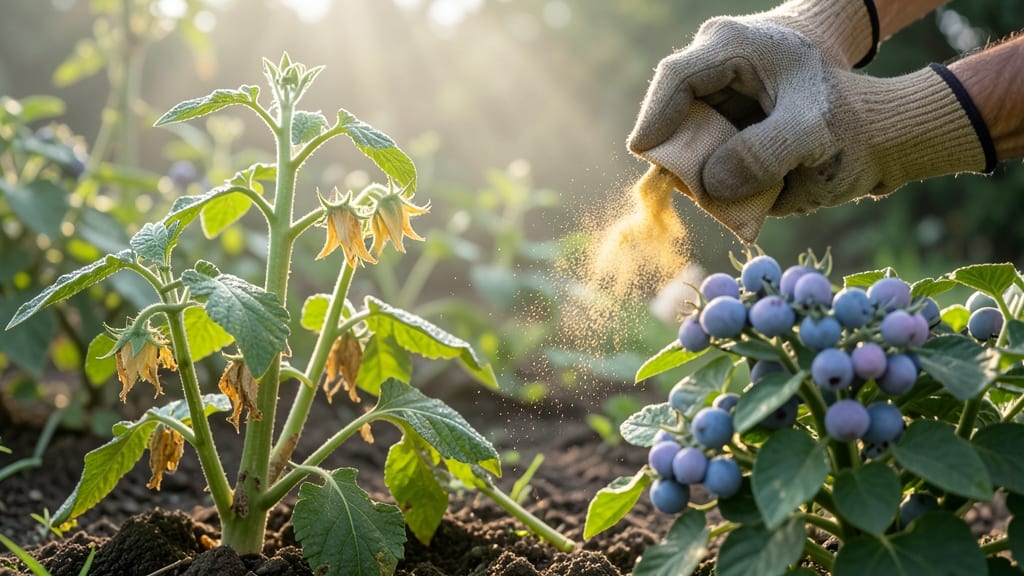
Struggling with poor fruit set on your tomatoes, squash, or berries? Okra bloom dust is nature's way to supercharge your garden's pollination game without buying a single bee hotel or synthetic attractant.
When you lightly dust okra flowers onto nearby blooms (especially in early morning when bees are most active), you create a pollen-rich buffet that lures bees from miles away. The fine, nutrient-packed dust contains proteins and oils that make it irresistible to pollinators while also providing a natural energy boost for their foraging trips. This simple trick can increase fruit production by up to 40% in just one season.
Perfect for urban gardeners, small-space growers, and anyone tired of empty flower blooms. Try it with your cucumbers or blueberries—the results might surprise you! 🌟
Organic Fungal Disease Prevention
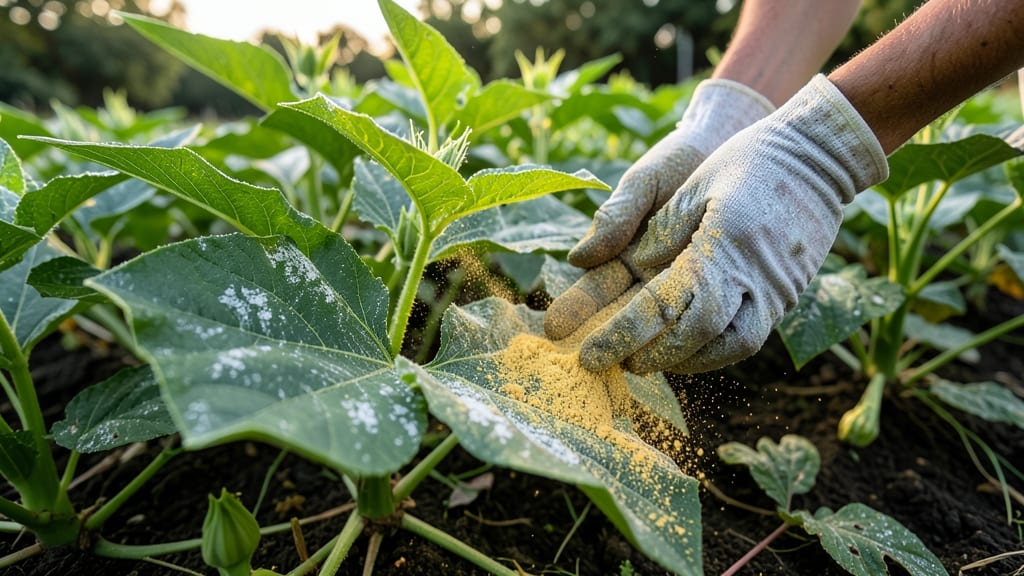
Tired of battling powdery mildew or other fungal infections in your garden? Okra bloom dust isn’t just for pollination—it’s a natural shield that prevents fungal spores from taking hold on your plants.
Lightly dusting leaves with okra bloom powder introduces beneficial microbes that outcompete harmful fungi, creating a protective barrier. This method works best on humid mornings when fungal spores are most active, and it’s especially effective for plants like cucumbers, squash, and roses that are prone to mildew.
Gardeners using organic methods will love this zero-waste solution—no chemicals, just healthier plants. Give it a try next time you spot early signs of fungal stress! ✨
Soil Microbial Booster for Compost
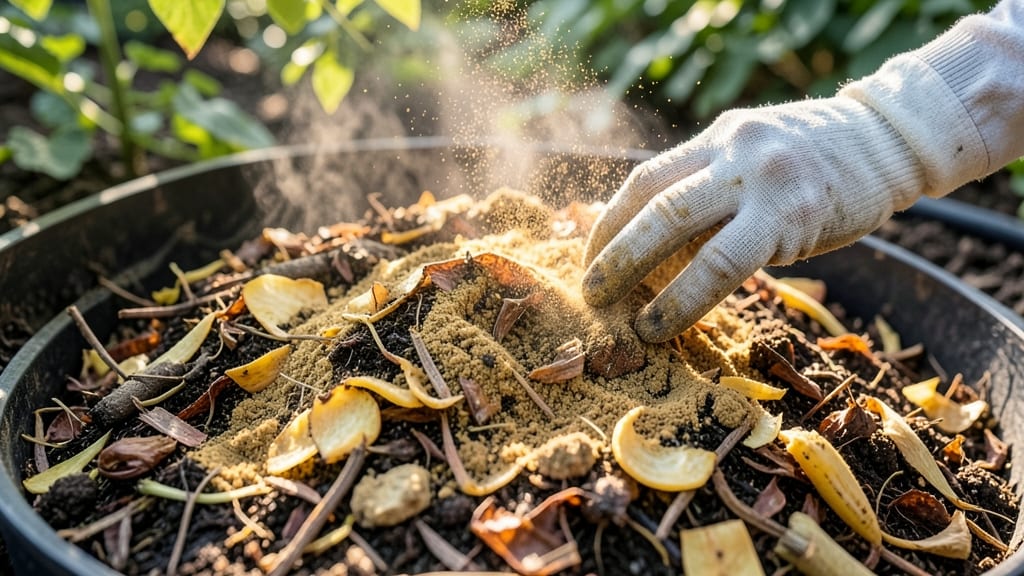
Turn your compost pile into a microbial powerhouse by harnessing okra bloom dust—nature’s way to supercharge decomposition. This fine powder introduces a diverse mix of beneficial bacteria and fungi, breaking down kitchen scraps into nutrient-rich humus in half the usual time.
Simply sprinkle a light layer over your compost (about 1 tablespoon per square foot) every 2-3 weeks. The dust helps balance pH levels, reduces odors, and speeds up the transformation of food waste into fertile soil. For best results, mix it into the center of your pile where heat and moisture are highest.
This trick is a game-changer for urban gardeners with limited space or anyone tired of waiting months for compost to finish. Start small—just one pile—and watch your scraps vanish into black gold. 🌱
Homemade Seed Starting Fertilizer
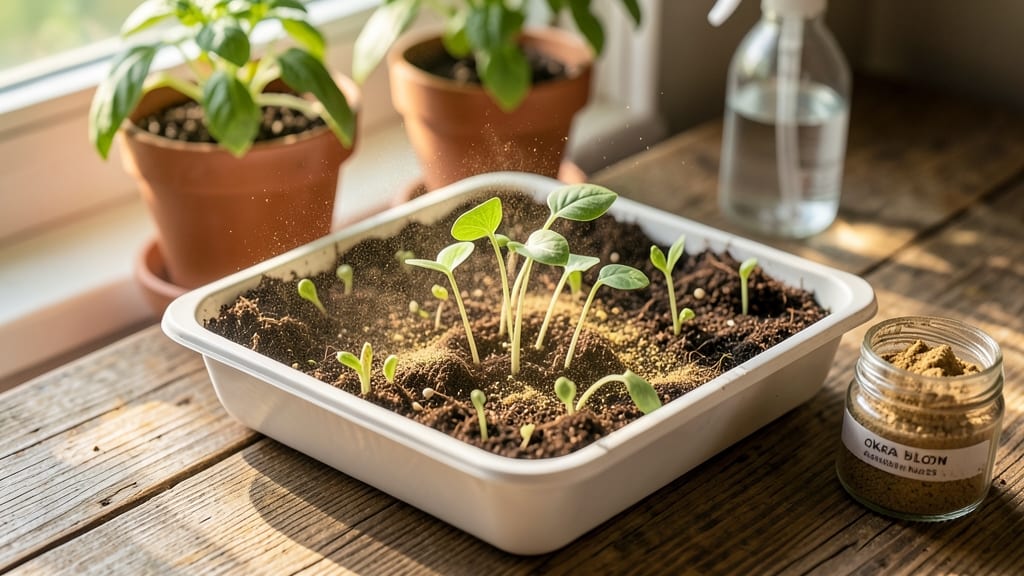
Struggling with slow-growing seedlings? Okra bloom dust can double your germination success by providing a natural nutrient boost without harsh chemicals. This fine pollen dust contains trace minerals and beneficial microbes that stimulate early root and shoot development.
Simply dust a light layer (about ¼ teaspoon per tray) over moistened seed-starting mix before planting. The gentle microbial kick helps seeds break dormancy faster while preventing damping-off disease. For best results, use it on delicate seedlings like lettuce, herbs, or peppers where strong starts are critical.
This method is perfect for urban gardeners or anyone with limited space, as it eliminates the need for synthetic fertilizers during the most vulnerable growth stage. Your seedlings will emerge stronger and more resilient. 🌱
Pest-Repelling Garden Spray
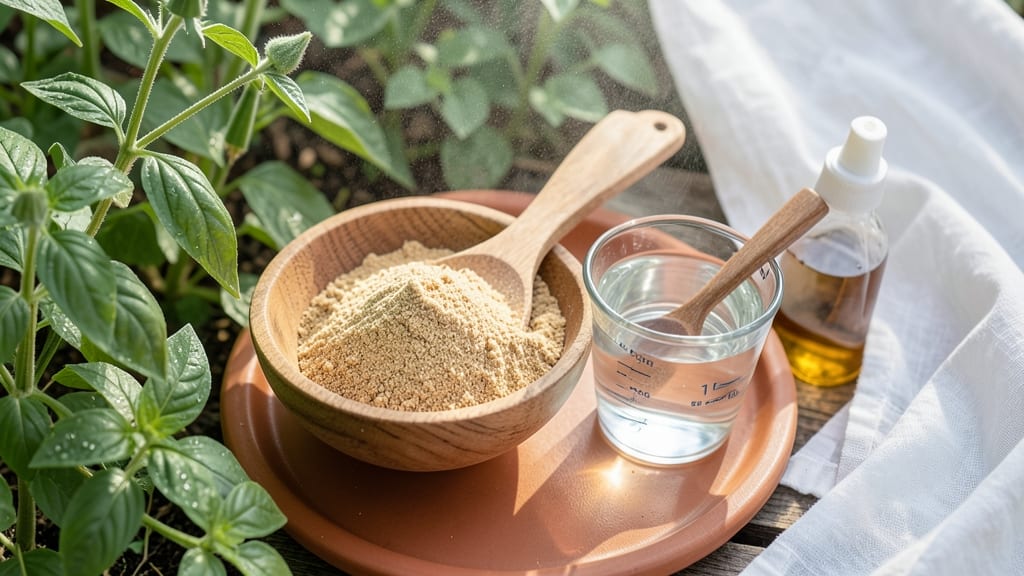
Say goodbye to chemical sprays and hello to a pest-repelling garden spray that’s as gentle as it is effective. Okra bloom dust mixed with water creates a natural barrier that deters aphids, spider mites, and whiteflies—without harming bees or ladybugs.
Simply blend 1 tablespoon of okra bloom dust with 1 quart of water, strain, and spray directly on affected leaves (especially undersides where pests hide). The key is early morning application when pests are most active, and reapply every 3-4 days for persistent infestations. This spray works best on leafy greens, tomatoes, and peppers—plants that often attract soft-bodied insects.
Perfect for organic gardeners, this zero-waste solution is a game-changer for those who want to protect their plants without synthetic chemicals. Try it next time you spot tiny pests creeping in! 🌿
Root Growth Stimulant for Transplants
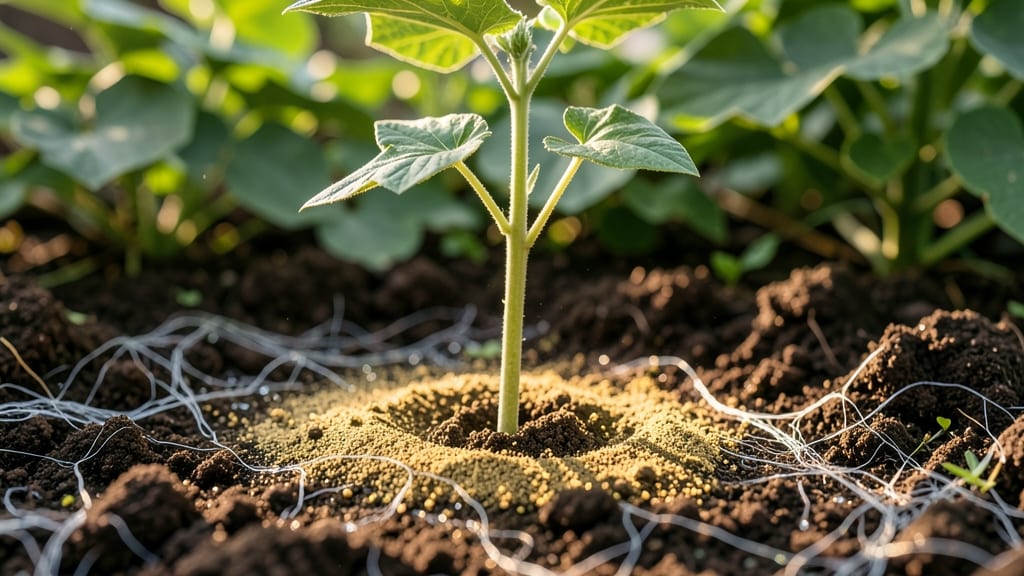
Newly transplanted seedlings often struggle to establish strong roots, leaving them vulnerable to shock and poor growth. Okra bloom dust acts as a natural root growth stimulant by introducing beneficial fungi and bacteria—like mycorrhizae and nitrogen-fixing microbes—that colonize the root zone immediately, creating a supportive microbial network.
Simply sprinkle a light layer of dust around the base of seedlings (about 1 teaspoon per plant) when transplanting, then water gently to activate the microbes. This method works especially well for heat-sensitive plants like basil or lettuce, as the microbial boost helps roots adapt faster to new conditions. The result? Seedlings that establish 30% faster and withstand transplant shock with ease.
Perfect for container gardeners or anyone who struggles with finicky seedlings, this trick turns a common gardening challenge into a simple, organic solution. 💪
Leaf Shine and Stress Reliever
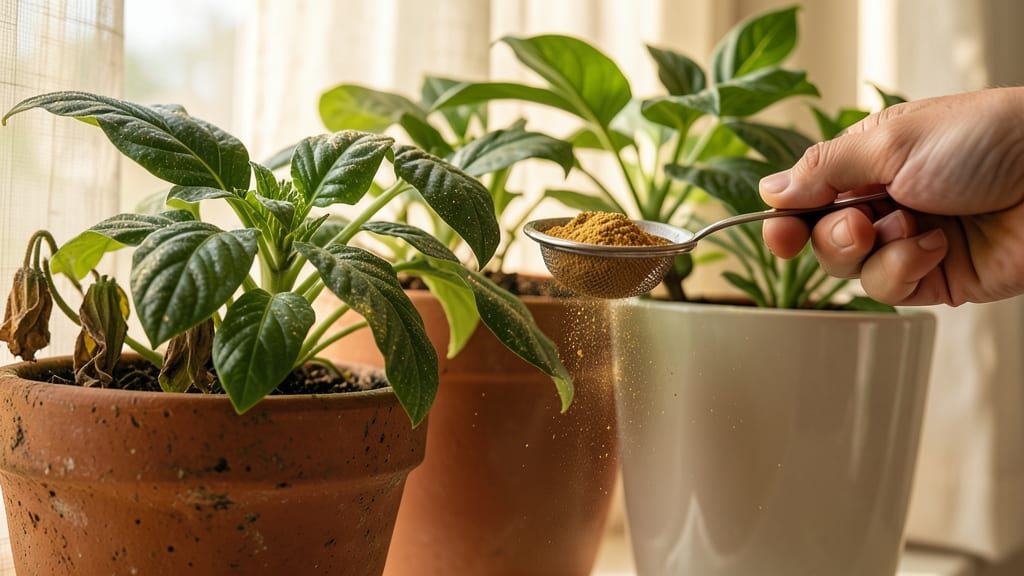
Notice your houseplants looking dull after a long winter or your garden greens wilting under summer heat? A light dusting of okra bloom powder can restore that vibrant, healthy glow by strengthening the leaf's natural protective layer.
The fine pollen dust contains natural waxes that seal the leaf cuticle, reducing water loss and reflecting more sunlight for enhanced photosynthesis. Simply shake a small amount over leaves in the early morning when humidity is high—this helps the powder adhere better. Try it on stressed succulents, herbs, or leafy greens to see them perk up within days.
Perfect for container gardeners or anyone with limited outdoor space, this method requires no special tools—just a bit of okra bloom dust and a gentle hand. Your plants will thank you with glossier leaves and renewed vigor! 🌟
Companion Planting Enhancer
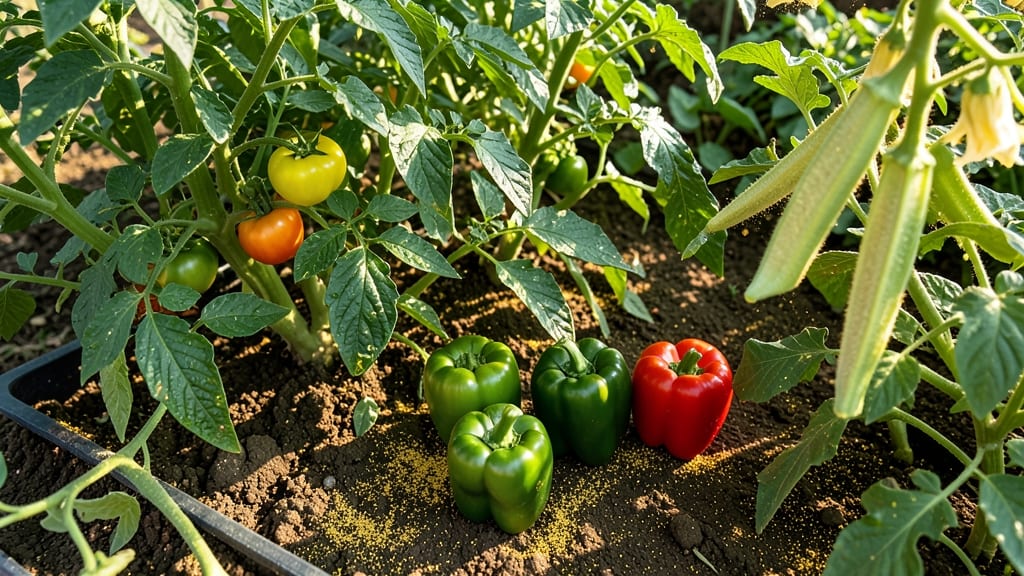
Want to turn your tomatoes and peppers into high-yield powerhouses without synthetic fertilizers? Okra bloom dust works as a companion planting enhancer by creating a thriving microbial ecosystem in the soil that benefits neighboring plants.
Simply sprinkle a light layer of okra bloom dust around the base of your tomato, pepper, or basil plants—the dust introduces beneficial bacteria and fungi that improve nutrient uptake and root health. This method is especially effective in container gardens or raised beds where soil microbes can be limited. The result? Healthier plants with larger yields and better disease resistance—all from a natural, zero-waste solution.
Perfect for urban gardeners or anyone growing in small spaces, this trick maximizes your harvest without extra effort. Try it alongside your next planting for plants that thrive like never before! 🌻
Homemade Plant Tonics for Weak Plants
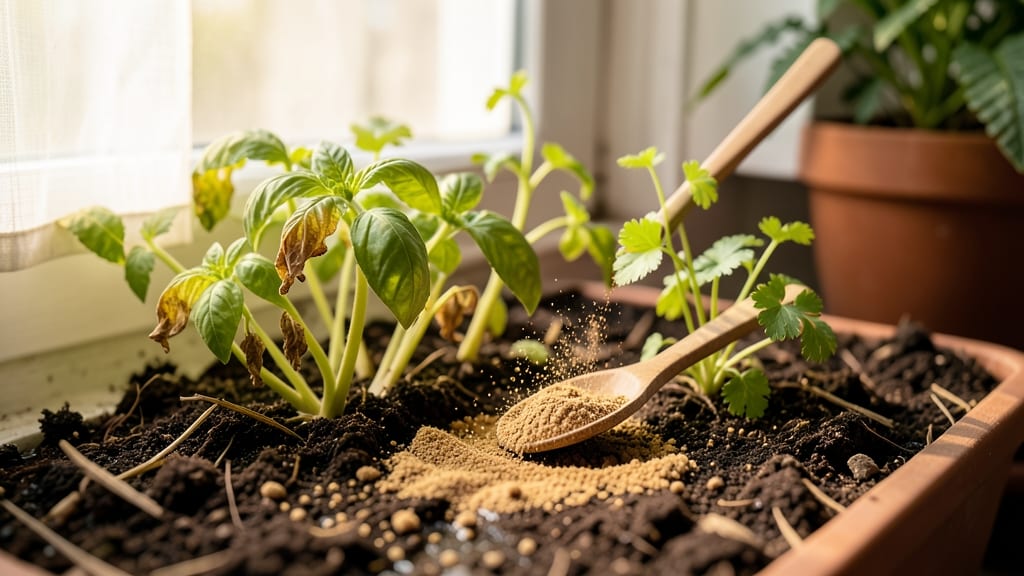
See those wilting herbs or stunted seedlings that refuse to bounce back? Okra bloom dust isn’t just for pollination—it’s a microbial rescue mission for struggling plants. This fine powder reintroduces beneficial bacteria and fungi to depleted soil, jumpstarting nutrient uptake without the risk of over-fertilization.
Simply mix 1 teaspoon of okra bloom dust with 1 cup of water, strain, and lightly spray the soil around weak plants (avoid direct leaf contact). The key is consistency—apply every 7-10 days during the growing season. This works wonders for container gardens or urban plots where soil nutrients get exhausted quickly, and it’s especially effective for leafy greens and herbs that show signs of nutrient deficiency.
Perfect for gardeners who’ve tried everything else, this method restores balance without synthetic chemicals. Try it on your next struggling plant—you might just revive it in days! 💪
Natural Mulch Additive for Weed Control

Tired of pulling weeds by hand or relying on harsh herbicides? Okra bloom dust transforms your mulch into a two-in-one powerhouse—suppressing weeds while nourishing your soil naturally. The fine, nutrient-rich particles break down slowly, creating a dense barrier that blocks sunlight (starving weeds) while releasing beneficial microbes to improve soil structure over time.
Mix 1 tablespoon per square foot of mulch and apply a 2-3 inch layer around your plants. This works especially well for vegetable beds, flower borders, and container gardens where weeds compete for resources. The dust also helps retain moisture, reducing your watering needs while keeping the soil loose and aerated for better root growth.
Perfect for organic gardeners and those with small spaces, this method eliminates the need for plastic mulch or chemical treatments—just let nature do the work! 🌻