
Blooming
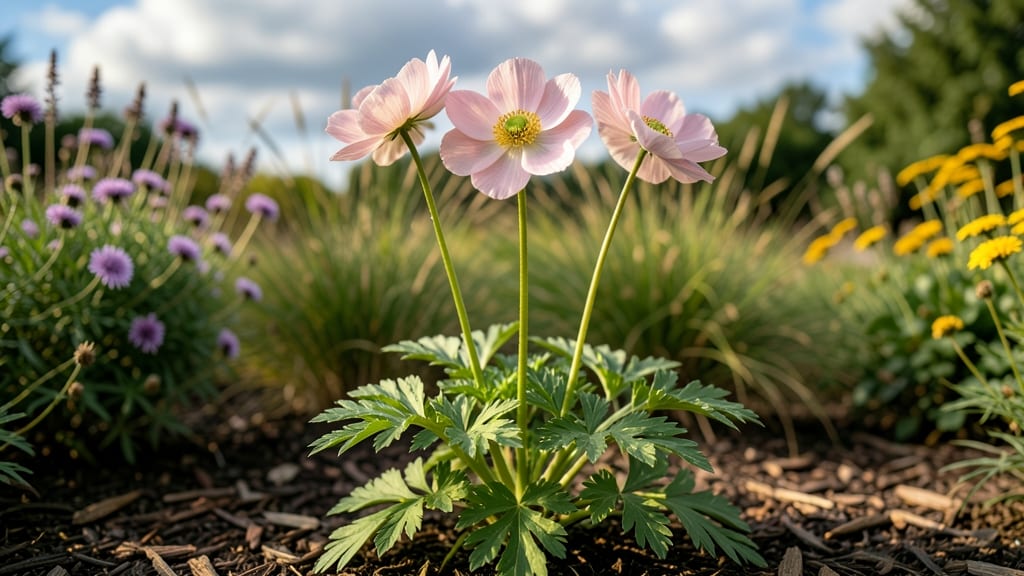
The Japanese anemone bloom time in late summer through fall delivers a stunning purple display when most gardens fade to brown.
If you crave a garden that bursts into color just as summer fades, Japanese anemones are your secret weapon—but timing is everything. These late-season showstoppers demand precise planting and care to deliver their signature blooms when most flowers have retired.
In USDA Zone 6a, where I garden, they typically bloom from mid-August to October, but cooler climates can push that window later. The key to extending their show? Planting tubers in March-April or September-October, deadheading spent blooms, and giving them partial shade to thrive.
Below, I break down the exact months for your zone, how to coax extra weeks of color, and the one mistake that kills blooms before they start.
Japanese anemone bloom time: exact months and climate zones for peak fall color
Japanese anemones (Anemone hupehensis and Anemone × hybrida) deliver their showstopping purple blooms when most gardens are winding down. Their late-season timing makes them perfect for extending your fall color palette, but their bloom window varies dramatically by USDA zone and temperature patterns.
Understanding these factors lets you plan for a 6-8 week display of delicate, wind-resistant flowers.
For gardeners in USDA zones 3-5, blooms typically appear late August through October, while those in zones 6-9 enjoy flowers from September to November.
Early varieties like 'Honorine Jobert' may bloom 4-6 weeks earlier than late varieties such as 'September Charm', creating a staggered display. Temperature fluctuations play a critical role—cool nights after warm days trigger bud formation.
The 6-8 week post-planting window is crucial for timing. Planting tubers in early spring (March-April) or early fall (September-October) ensures roots establish before blooming.
In warmer zones (7-9), fall-planted tubers may bloom the following year, while cooler zones (3-6) often see flowers the same season if planted in spring.
| USDA Zone | Bloom Window | Early Variety Example | Late Variety Example | Key Temperature Factor |
|---|---|---|---|---|
| Zones 3-4 | Late August - Mid-October | 'Honorine Jobert' | 'Queen Charlotte' | Cool nights (<60°F) after warm days |
| Zones 5-6 | Early September - November | 'Prinz Heinrich' | 'September Charm' | Daytime temps 70-75°F |
| Zones 7-8 | Mid-September - December | 'Pamina' | 'Whirlwind' | Extended warm spells delay blooms |
| Zones 9 | October - January | 'Hadspen Abundance' | 'Königin Charlotte' | Mild winters prevent dormancy |
In USDA zones 3-4, where winters are harsh, Japanese anemones often bloom earlier (late August) to take advantage of the short growing season. The variety 'Honorine Jobert' is a reliable choice, producing pink-purple blooms on 3-foot stems that thrive in partial shade.
These zones require spring planting (March-April) to ensure tubers establish before the first frost.
Gardeners in zones 5-6 enjoy a longer bloom window (September-November) thanks to milder winters. The variety 'Prinz Heinrich' blooms 2-3 weeks earlier than 'September Charm', creating a staggered display. In these zones, fall planting (September-October) works well, as tubers benefit from cool soil temperatures before winter dormancy.
Warmer climates in zones 7-9 push bloom times later, with some varieties like 'Whirlwind' flowering as late as December. However, extended heat waves can delay blooms until October or November.
In these zones, fall planting is critical—tubers planted in September-October often bloom the following year, producing larger, more abundant flowers.
Temperature plays a critical role in bloom timing. Japanese anemones require a period of cool weather (50-60°F) after warm days to trigger bud formation.
In zones 3-6, this typically happens in late summer/early fall, while zones 7-9 may experience delayed blooms if summer heat persists. Morning sun and afternoon shade help regulate temperatures for optimal flowering.
To maximize your fall display, plant a mix of early and late varieties. For example, pair 'Honorine Jobert' (early) with 'September Charm' (late) in zones 5-68 weeks of continuous color.
In warmer zones (7-9), combine 'Pamina' with 'Königin Charlotte' to extend blooms into December. Always plant tubers 1-2 inches deep in well-draining soil with partial shade for best results.
If you miss the ideal planting window, don't worry! Japanese anemones are forgiving. Tubers planted in early spring (March-April) will still bloom, though the display may be slightly reduced.
For fall planting, aim for September-October—tubers planted too late may not establish enough roots before winter, delaying blooms until the following year.
Pro tip: Use mulch (2-3 inches) around planted tubers to
Timing your Japanese anemone planting is the key to unlocking those dramatic purple blooms in late summer and fall. Unlike many perennials, these beauties thrive when planted in either early spring or fall, giving you two chances to add them to your garden. I’ve planted mine in both seasons, and fall planting has consistently given me a head start on next year’s blooms. Your USDA hardiness zone plays a huge role in success. In zones 3-5, aim for late August to early October planting to let roots establish before winter. Gardeners in zones 6-9 have more flexibility, with ideal windows from September through November or March through April for spring planting. My zone 6 garden thrives with fall plantings in early September. For soil preparation, Japanese anemones love well-draining, slightly acidic soil with a pH between 6.0 and 7.0. I always amend my garden soil with compost and perlite to improve drainage—a must for preventing root rot. These plants hate soggy feet! Work in a 2-3 inch layer of compost and loosen the soil to 12 inches deep to encourage strong root growth. Spacing is another critical factor. Plant Japanese anemone tubers 12-18 inches apart in rows spaced 24-36 inches apart for proper airflow. Crowding leads to fungal diseases and weaker blooms. My first attempt with tubers too close resulted in leggy stems and fewer flowers—the lesson? Give them room to breathe! For container growing, use one tuber per 12-inch pot with drainage holes. Missed the ideal planting window? Don’t panic! You can still plant in early spring (as soon as soil is workable) or even late winter in mild climates. Just be prepared to water regularly and protect young plants from late frosts. I’ve had success planting in February in zone 6 with a frost cloth until temperatures stabilize. Remember, mulching is your secret weapon for year-round success. Apply 3-4 inches of mulch after planting to retain moisture and regulate soil temperature. In winter, add an extra layer to protect roots from freeze-thaw cycles. My anemones in zone 6 have never failed me when properly mulched—even through harsh winters. With the right timing and care, your Japanese anemones will reward you with months of stunning blooms when other gardens are fading. The key is planting in fall for early blooms or spring for steady growth—either way, you’ll have a garden that steals the show as summer turns to autumn. 🌸When to plant Japanese anemones: month-by-month guide for year-round success
Japanese Anemone Bloom Time: Spring vs. Fall Planting
Spring Planting
Fall Planting