
Blooming
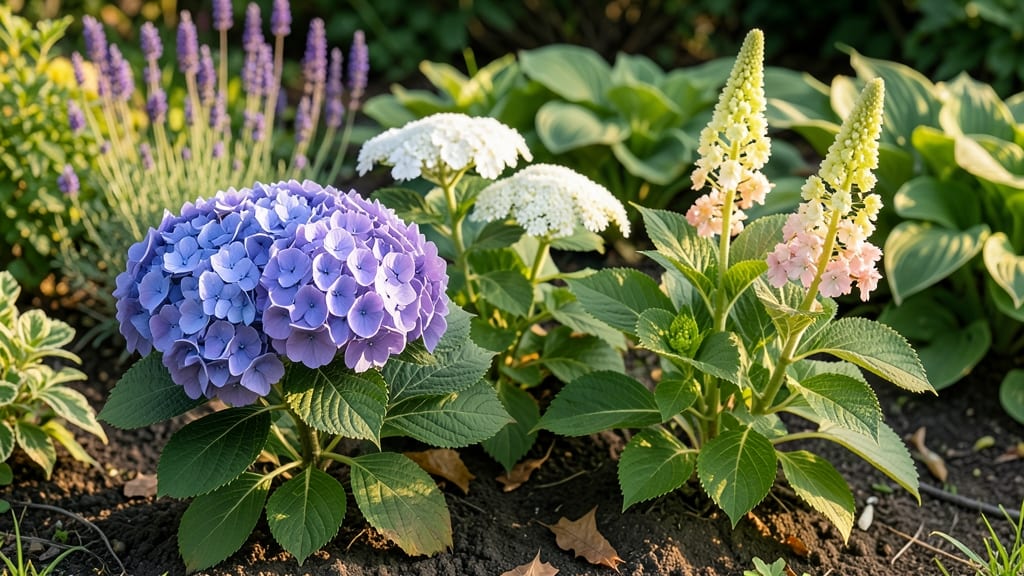
Hydrangea bloom time varies dramatically by variety, with some bursting into color as early as late spring and others waiting until summer’s peak.
Wondering why your hydrangeas aren’t blooming when they should—or how to time your pruning for maximum floral displays? The answer lies in understanding how heat zones and variety types dictate bloom cycles.
Mophead hydrangeas (like the classic Endless Summer) often bloom from June to September, while lacecaps may start earlier, and panicle types can stretch into fall. Climate plays a huge role: cooler zones like 6a may delay blooms, while warmer areas push them forward.
In this guide, I’ll break down the exact bloom windows for each type, the pruning secrets that extend your season, and how to troubleshoot delayed flowers—so you can enjoy longer, lusher blooms year after year.
Hydrangea bloom time by variety: when each type flowers best
Timing your garden dreams around hydrangea blooms means understanding variety-specific bloom windows. Different hydrangeas flower at different times—some burst with color in early summer, while others shine in late summer or even fall.
The secret? Knowing which type thrives in your USDA heat zone and when to expect those showstopping blooms.
I’ve grown hydrangeas in USDA zones 5 through 9, and the difference in bloom timing is dramatic.
For example, my mophead hydrangeas in zone 6 bloom in late June to August, while my oakleaf varieties in zone 8 often start as early as May and last until October. Let’s break down the bloom cycles so you can plan your garden like a pro.
| Variety | Bloom Time | Heat Zone Range | Notes |
|---|---|---|---|
| Mophead (Bigleaf) | Mid to late summer (July-August) | USDA 5-9 | Blooms on old wood; prune after flowering |
| Lacecap (Bigleaf) | Late spring to early summer (June) | USDA 4-9 | Early bloomer; thrives in cooler climates |
| Panicle | Late summer to fall (August-October) | USDA 3-8 | Blooms on new wood; prune in late winter |
| Oakleaf | Late spring to fall (May-October) | USDA 5-9 | Long bloom season; stunning fall foliage |
| Smooth | Late spring to summer (June-July) | USDA 4-8 | Fragrant blooms; drought-tolerant |
If you’re in USDA zone 3 or 4, focus on panicle hydrangeas like 'Limelight' or 'Little Lime', which bloom from August through October and handle colder snaps better than most. My zone 4 garden thrives with these varieties—they’re the last to say goodbye to summer’s colors!
For southern gardeners in zones 9-10, lacecap hydrangeas like 'Vanille Fraise' shine in late spring to early summer. These types often rebloom if you deadhead spent flowers, giving you a second flush of blooms in fall.
I’ve seen 'Vanille Fraise' produce pink flowers in June and September in my zone 9 garden!
Pruning plays a huge role in bloom timing. Mophead and lacecap hydrangeas bloom on old wood, so prune right after they finish flowering in late summer or early fall. If you prune too early, you risk cutting off next year’s blooms.
Meanwhile, panicle and smooth hydrangeas bloom on new wood, so prune in late winter or early spring to encourage fresh growth.
Soil pH also shifts bloom colors and timing. Bigleaf hydrangeas (mophead and lacecap) change flower colors based on soil acidity—blue flowers in acidic soil (pH 5.5) and pink flowers in alkaline soil (pH 6.5+).
Test your soil in early spring and amend with sulfur or lime to adjust pH before buds form. I’ve turned my 'Endless Summer' hydrangeas from pink to blue just by adding aluminum sulfate!
Heat waves can delay blooms, especially in USDA zones 7-10. If your hydrangeas are struggling in 90°F+ temperatures, provide afternoon shade and water deeply twice weekly. Mulching with 3-4 inches of organic mulch helps retain moisture and keeps roots cool.
My oakleaf hydrangeas in zone 8 bloom 2 weeks later in hot summers without proper care.
To extend your hydrangea season, try seasonal deadheading. Remove spent blooms from panicle and smooth hydrangeas to encourage reblooming in fall. For mophead varieties, leave some old blooms to protect next year’s buds. I’ve seen 'Nikko Blue' lacecaps rebloom in September after a light pruning in July!
Plan your garden layout around bloom times for a year-round floral display. Pair early bloomers like lacecap hydrangeas with late-season performers like panicle types.
Add annuals with complementary colors to fill gaps between hydrangea blooms. My June garden features lacecaps, while September brings out the panicles—no bare spots!
Why heat zones dramatically affect hydrangea flowering seasons
Your hydrangeas might be playing a temperature-dependent blooming game you didn't know about. Heat zones determine when buds form and when flowers burst open, with some varieties needing cold dormancy while others thrive in humid summer heat.
Understanding these patterns helps you predict—and even manipulate—bloom times for stunning seasonal displays.
The USDA hardiness zones (3-10) act like a clock for hydrangeas, triggering dormancy or growth. In colder zones (3-5), bigleaf hydrangeas often bloom later after a prolonged chill period, while panicle types in warmer zones (7-10) may flower earlier due to extended growing seasons.
This zone-based timing explains why your neighbor's hydrangeas might bloom months before yours!
| Hydrangea Type | Heat Zone Range | Bloom Trigger | Typical Bloom Window | Dormancy Needs |
|---|---|---|---|---|
| Bigleaf (Macrophylla) | USDA 5-9 | Cool spring (50-60°F) | Mid-to-late summer (July-August) | Requires 60+ days below 45°F |
| Panicle (Paniculata) | USDA 3-8 | Warm spring (60-70°F) | Late summer to fall (August-October) | Tolerates minimal chill (30+ days below 40°F) |
| Oakleaf (Quercifolia) | USDA 5-9 | Spring warmth (55-65°F) | Mid-summer to fall (July-November) | Moderate chill (45-60 days below 50°F) |
| Key Note: Bigleaf blooms on old wood (needs winter chill), while panicle blooms on new wood (more heat-tolerant). | ||||
In humid southern zones (7-10), hydrangeas often bloom earlier due to warmer winters and extended growing seasons. For example, panicle hydrangeas in Zone 9 might start flowering as early as June, while the same variety in Zone 5 could wait until August.
This delay happens because cooler springs slow bud development.
For bigleaf hydrangeas, insufficient winter chill (below 45°F) can delay—or even prevent—blooming entirely. In warmer climates (Zones 8-10), these varieties may produce fewer flowers unless you provide artificial dormancy (like wrapping plants in burlap or using shade cloth in summer).
Meanwhile, panicle types adapt better to heat and often reward gardeners with longer bloom seasons.
Even within the same zone, microclimates (like urban heat islands or shaded garden spots) can shift bloom times by 2-4 weeks. For instance, a south-facing wall might create a Zone 8 microclimate in an otherwise Zone 5 yard, causing hydrangeas to bloom 3 weeks earlier than nearby plants.
Pay attention to these local variations when planning your garden layout!
To sync your hydrangeas' blooms with your desired timeline, adjust care based on your heat zone. In cooler zones (3-5), protect plants from late spring frosts to prevent bud damage. In warmer zones (7-10), provide afternoon shade and consistent moisture to extend blooms into fall.
With the right approach, you can enjoy hydrangea flowers from June through October—no matter where you garden! 🌸