
Blooming
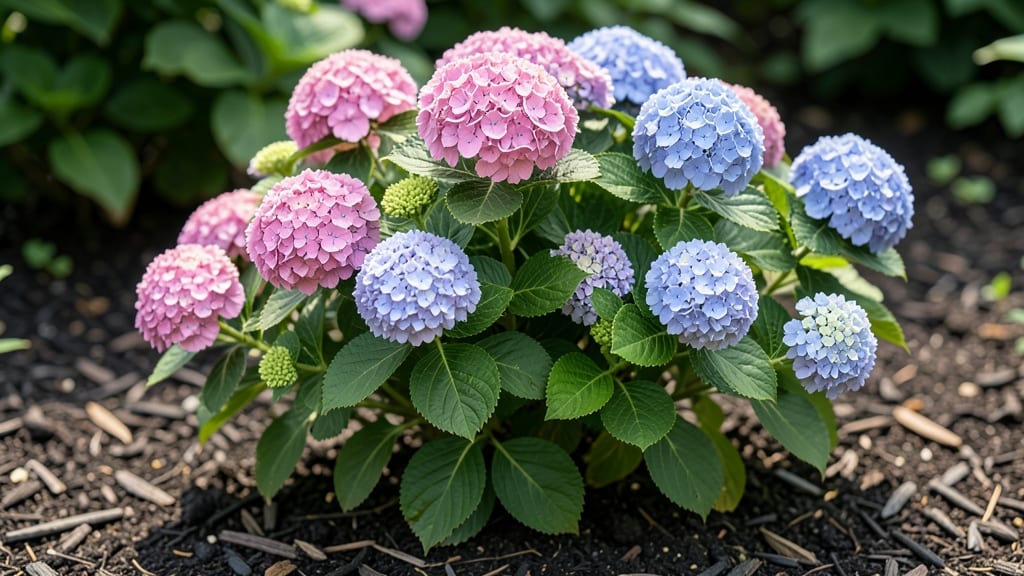
The Endless Summer hydrangea bloom time can stretch from late spring into fall—but only if you prune it correctly.
Picture this: your garden bursting with 🌸 blooms for four weeks longer than the average hydrangea. That’s the magic of this variety, and the key lies in a simple pruning calendar. Most gardeners miss the best time to trim, which means fewer flowers and shorter bloom cycles.
This guide breaks down the exact steps to keep your Endless Summer hydrangea flowering continuously, from early spring cuts to summer deadheading. We’ll cover when to prune, what to remove, and how to avoid common mistakes that cut bloom time short.
Ready to transform your garden into a nonstop floral display? Let’s get started with the pruning schedule that works.
How to prune endless summer hydrangeas for maximum bloom time
The Endless Summer hydrangea is a gardener’s dream because it can bloom twice a year—once on old wood (last year’s growth) and again on new wood (current season’s growth). But to unlock that 4-week rebloom cycle, you need to prune strategically.
Unlike traditional hydrangeas, this variety rewards precision timing and careful cuts. Get it wrong, and you’ll miss out on those stunning lavender or pink blooms that last from summer into fall.
Here’s the secret: Prune at the right time to remove last year’s flower stems while preserving new growth buds. This balance is what turns a one-time bloom into a continuous display. I’ve pruned my own Endless Summer hydrangeas for years, and I’ve learned that timing is everything.
Cut too early, and you sacrifice spring blooms. Cut too late, and you risk stunting summer reblooms. Let’s break it down into clear, actionable steps so you can enjoy months of hydrangea magic in your garden.
Step-by-Step Pruning Guide for Endless Summer Hydrangeas
-
1
Step 1: Wait Until Late Spring
Prune after the first flush of blooms (usually May or early June) but before new buds form for summer blooms. This ensures you don’t cut off potential new wood blooms. -
2
Step 2: Remove Last Year’s Flower Stems
Cut back dead or spent blooms from last year’s growth (old wood) to 2-3 inches above the first set of leaves. These stems won’t produce new blooms and take energy away from new growth. -
3
Step 3: Shape the Shrub
Thin out overcrowded branches to improve air circulation. Remove weak or crossing stems at the base. This encourages stronger new growth and prevents disease. -
4
Step 4: Deadhead Faded Blooms
Throughout the summer, snip off faded flowers to redirect energy to new blooms. Use clean bypass pruners and cut just above a leaf node to encourage branching. -
5
Step 5: Avoid Late-Season Pruning
Stop pruning by mid-August to allow new growth to harden off before winter. Late cuts can leave tender stems vulnerable to frost damage and reduce next year’s blooms.
Now that you know the when and how, let’s talk tools and techniques. You’ll need sharp bypass pruners for clean cuts and sterilized shears to prevent disease spread.
I always clean my tools with rubbing alcohol between cuts—it’s a game-changer for keeping your hydrangea healthy. Gloves are a must too, because those stems can be thorny!
One common mistake I see is pruning too aggressively in early spring. If you cut back Endless Summer hydrangeas before they’ve finished blooming on old wood, you’ll lose those first spring flowers.
Instead, wait until after the first bloom cycle but before the second set of buds appears. This timing ensures you maximize both bloom cycles.
Another pro tip: Fertilize lightly after pruning to give your hydrangea a nutrient boost for new growth. Use a balanced fertilizer (10-10-10) and apply it to the soil around the base, not the leaves.
Over-fertilizing can lead to leafy growth at the expense of blooms, so keep it moderate. My hydrangeas thrive when I feed them once in early spring and again after summer pruning.
If you’re wondering about container-grown Endless Summer hydrangeas, the same rules apply—but be extra gentle. These plants have limited root space, so pruning too much can stress them. Stick to light shaping and deadheading to keep them blooming.
I’ve grown mine in 15-gallon pots for years, and they still produce abundant flowers as long as I follow the same pruning calendar.
Finally, don’t forget to water deeply after pruning. Your hydrangea will need extra moisture to recover and push out new growth. Aim for 1-2 gallons per week, especially during
The Endless Summer hydrangea’s magic lies in its ability to rebloom—if you prune strategically. Unlike traditional hydrangeas, this variety produces flowers on both old and new wood, meaning you can extend its bloom time by 4 weeks or more with proper care. The key? A month-by-month pruning calendar that balances cutting back, fertilizing, and deadheading to keep your shrub producing lush blooms from early summer until frost. This schedule assumes you’re in USDA Zones 6-9 (adjust timings 1-2 weeks earlier for warmer climates). Start with early spring cleanup, then maintain a 4-week rebloom cycle through summer. Late-season tasks prepare your hydrangea for winter dormancy while preserving next year’s buds. Pro Tip: Always use clean, sharp pruners and sterilize them with rubbing alcohol between cuts to prevent disease. Wear gloves—hydrangea leaves can irritate skin. June is the critical month for reblooming. By pruning one-third of the oldest stems to the ground, you’re essentially telling your hydrangea, “Grow new stems now—they’ll flower in 4-6 weeks!” This creates a staggered bloom cycle: early flowers from old wood, mid-summer blooms from new growth, and late-season flowers from fresh pruning. After mid-July, avoid heavy pruning or fertilizing—this triggers soft, tender growth that won’t survive frost. Instead, focus on deadheading and watering deeply (1-2 gallons per week) to support existing blooms. Mulch with wood chips to lock in moisture and regulate soil temperature. For container-grown Endless Summers, follow the same schedule but prune 10% more aggressively—potted plants need better airflow to prevent fungal issues. Use slow-release fertilizer in spring to avoid overfeeding, which can lead to leafy growth at the expense of blooms.Endless summer hydrangea pruning calendar: month-by-month schedule
Month
Task
Details
Bloom Impact
March
Early Spring Pruning
Remove dead/diseased wood; cut back last year’s stems by ⅓ to encourage new growth. Avoid heavy pruning—save aggressive cuts for June.
Preps for first bloom in 4-6 weeks
April
Fertilize + Light Pruning
Apply balanced 10-10-10 fertilizer (1 tbsp/plant). Trim back overcrowded stems to improve airflow.
Boosts new wood growth for summer blooms
May
Deadhead Faded Blooms
Cut spent blooms back to first set of healthy leaves. Avoid cutting into old wood (brown stems).
Encourages second bloom cycle in 4 weeks
June
Rebloom Pruning
Prune one-third of oldest stems to ground level. This forces new growth for a third bloom in late summer.
Triggers late-season blooms (Sept-Oct)
July-August
Deadhead + Mulch
Remove faded blooms weekly. Add 2-3 inches of mulch to retain moisture and cool roots.
Extends bloom time into fall
September
Late-Season Pruning
Trim back weak stems by ½. Stop fertilizing after mid-September to harden off growth before winter.
Prevents frost damage to new buds
October-November
Winter Prep
Wrap young plants in burlap if temps drop below 20°F. Remove all dead leaves to prevent pests.
Protects next year’s buds