
Blooming
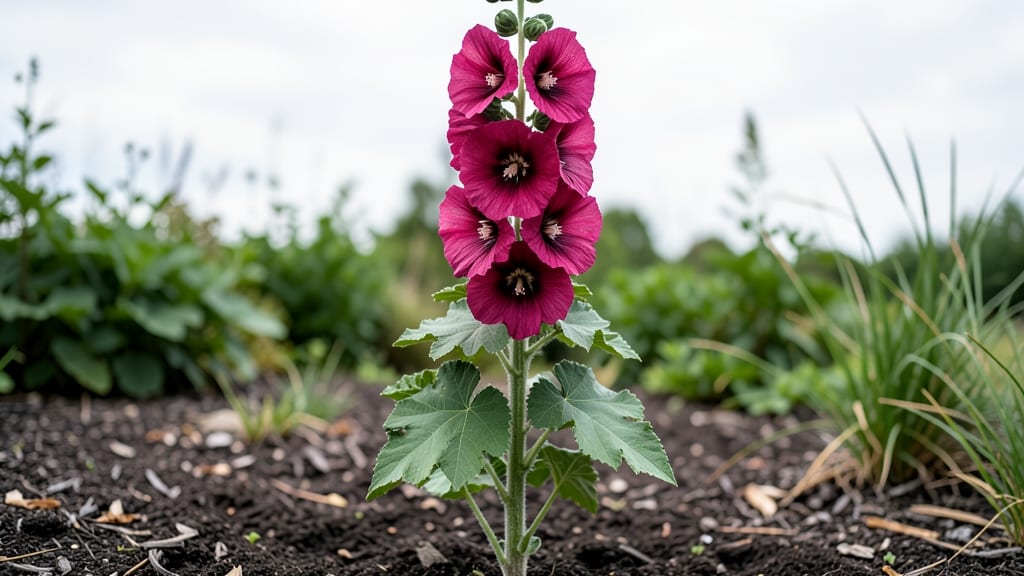
The hollyhock bloom time depends on your variety and climate, but most gardeners see those classic spires rise between June and September—if you know the right tricks to coax them along.
Picture this: you’ve spent weeks watching your 🌸 hollyhocks grow from tiny seedlings, only to wonder why they’re taking their sweet time to flower. The truth? Some varieties bloom early, while others wait until late summer, and your local frost dates can push those timelines even further.
In USDA Zone 6a, where many gardeners plant hollyhocks in spring, the first blooms often appear by mid-June, but heat waves or drought can delay them. Meanwhile, heirloom varieties might keep flowering until frost, while annuals give you just one burst of color unless you take action.
Below, I’ll break down exactly when to expect blooms by variety, how to adjust for your climate, and the simple steps to make your hollyhocks flower longer and more reliably—so you’re never left staring at bare stems when the show should be in full swing.
Hollyhock bloom time by variety: annual vs perennial flowering seasons
If you've ever wondered why your hollyhocks bloom at different times each year, the answer lies in their variety and whether they're grown as annuals or perennials.
These towering beauties offer a stunning floral display, but their timing varies wildly—some burst into bloom by early summer, while others wait until late summer or even fall. Understanding these differences helps you plan your garden for continuous color.
The key distinction lies in how annual hollyhocks complete their life cycle in one season versus how perennial varieties return year after year with predictable (but sometimes delayed) blooming patterns.
Even within these categories, single vs double blooms, dwarf vs tall varieties, and heirloom strains all affect timing. Let's break down what to expect from each type.
| Variety Type | Bloom Season | Bloom Duration | Height Range | Key Notes |
|---|---|---|---|---|
| Annual Hollyhocks | Mid to late summer | 4-8 weeks | 3-8 ft | Fast-growing, one-season bloomers; often single blooms with vibrant colors |
| Perennial Single Blooms | Early to mid summer | 6-10 weeks | 4-7 ft | Classic heirloom types; bloom earlier than doubles; may rebloom lightly in fall |
| Perennial Double Blooms | Late summer to early fall | 5-8 weeks | 5-8 ft | Luxurious ruffled petals but often later bloomers; may need staking |
| Dwarf Hollyhocks | Mid summer | 4-6 weeks | 2-4 ft | Compact varieties like 'Blackie' or 'Peach Blush'; ideal for containers |
| Heirloom Varieties | Early to late summer | 8-12 weeks | 5-8 ft | Historic types like 'Russian Giant' or 'Persian Moon'; often prolonged blooming |
For gardeners in cooler climates (USDA zones 3-5), perennial hollyhocks often bloom earliest—sometimes as early as June—while annual varieties may wait until July or August to show their colors.
This delay happens because annuals focus all their energy on rapid growth and flowering in a single season, whereas perennials establish roots first before putting on their floral display.
One of my favorite early bloomers is the 'Chocolate Soldier' perennial variety, which often starts flowering in late June and continues through August. Its deep maroon blooms create a dramatic contrast against the lighter foliage.
In contrast, 'Lady of the Lake' (a double bloom) typically waits until mid to late summer but rewards you with ruffled white flowers that last for weeks.
If you're growing dwarf varieties, expect their bloom time to align more closely with mid-summer (around July). These compact plants, like 'Peach Blush', are perfect for container gardens or small spaces where you want hollyhock charm without the height.
Their shorter stature also makes them less prone to wind damage that can affect taller varieties.
The ruffled petals of double-bloom hollyhocks often come with a trade-off: they tend to bloom 1-2 weeks later than single blooms. This delay occurs because the plant devotes more energy to creating those intricate petal layers.
For example, 'Blackie' (a double bloom) might not reach peak flowering until August, while its single-bloom cousin 'Russian Giant' could be in full bloom by early July.
For prolonged blooming, consider mixing varieties in your garden. I've found that planting both early and late-season bloomers creates a continuous display from June through September. For instance, pair 'Russian Giant' (early) with 'Lady of the Lake' (late) to extend your floral show. This strategy
How climate zones affect hollyhock bloom time: from cold hardiness to heat tolerance
Hollyhocks thrive in diverse climates, but their bloom time shifts dramatically between USDA zones 3-10. In colder zones like 3-5, plants often wait until late June or July to flower, while warmer zones 8-10 may see blooms as early as May.
This shift occurs because cold-hardy varieties prioritize root establishment before flowering, while heat-tolerant types focus on rapid growth.
In Zone 3, where winters are harsh, hollyhocks enter dormancy until soil temperatures rise above 50°F (10°C). This delayed emergence pushes blooms to mid-summer, but proper winter mulching can advance flowering by 2-3 weeks.
Meanwhile, Zone 10 gardens may experience year-round growth, with staggered blooms from spring through fall.
| USDA Zone | Bloom Window | Key Factor | Care Tip |
|---|---|---|---|
| 3-5 | Late June - August | Winter dormancy | Use thick mulch (4-6") |
| 6-7 | June - September | Moderate chilling | Deadhead spent blooms |
| 8-9 | May - October | Heat tolerance | Provide afternoon shade |
| 10 | Spring & Fall | No dormancy | Water deeply weekly |
Heat stress becomes a major factor in Zones 8-10, where temperatures above 90°F (32°C) can cause bud drop or stunted growth. To combat this, I recommend planting dwarf varieties like 'Bressingham White' or providing afternoon shade with lattice screens.
These adjustments can extend blooming by 4-6 weeks in hot climates.
In transitional zones like 6-7, where winters are mild but summers can be intense, hollyhocks often produce two bloom cycles: one in early summer and another in fall.
To encourage this biennial flowering, I fertilize lightly in spring with 5-10-10 and avoid heavy pruning. This approach mimics their natural growth patterns in these variable climates.
For gardeners in Zone 4, where late frosts are common, I suggest using row covers until May 1st to protect emerging shoots. This simple step can advance bloom time by 3 weeks by ensuring plants aren't stressed by cold snaps.
In contrast, Zone 9 gardeners should focus on consistent moisture during summer to prevent heat stress.
Understanding your local climate's impact on hollyhocks means you can plan companion plantings strategically. In cooler zones, pair them with early bloomers like peonies, while warmer zones benefit from heat-loving companions like lavender. The right combinations create a continuous floral display from spring through fall.