
Blooming
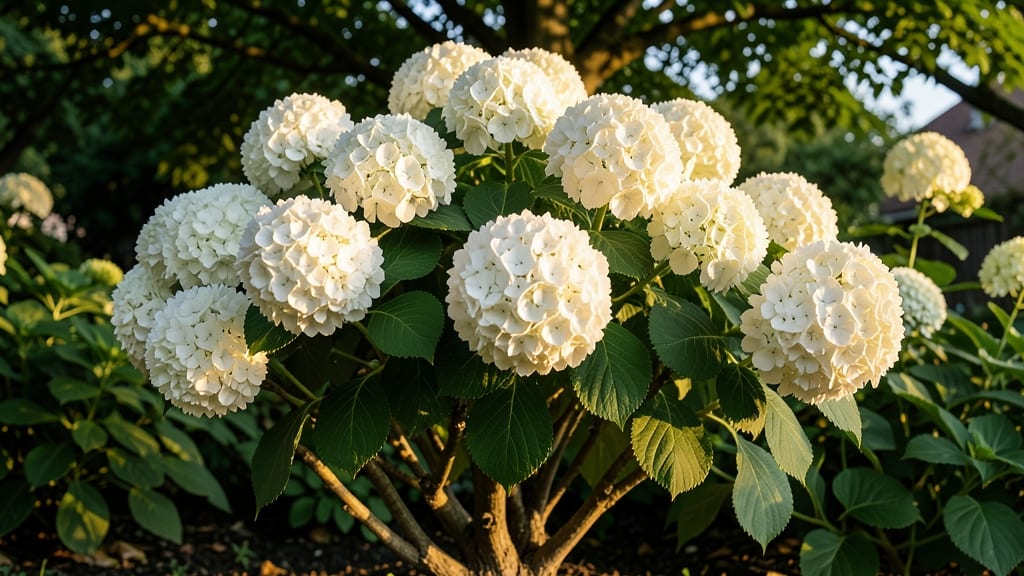
White-blooming shrubs add timeless beauty and structure to any garden while requiring minimal care. These ten elegant shrubs thrive in various climates, offering year-round interest with fragrant blooms, glossy foliage, or striking textures.
Dwarf Lilac Shrub for Fragrant Spring Color
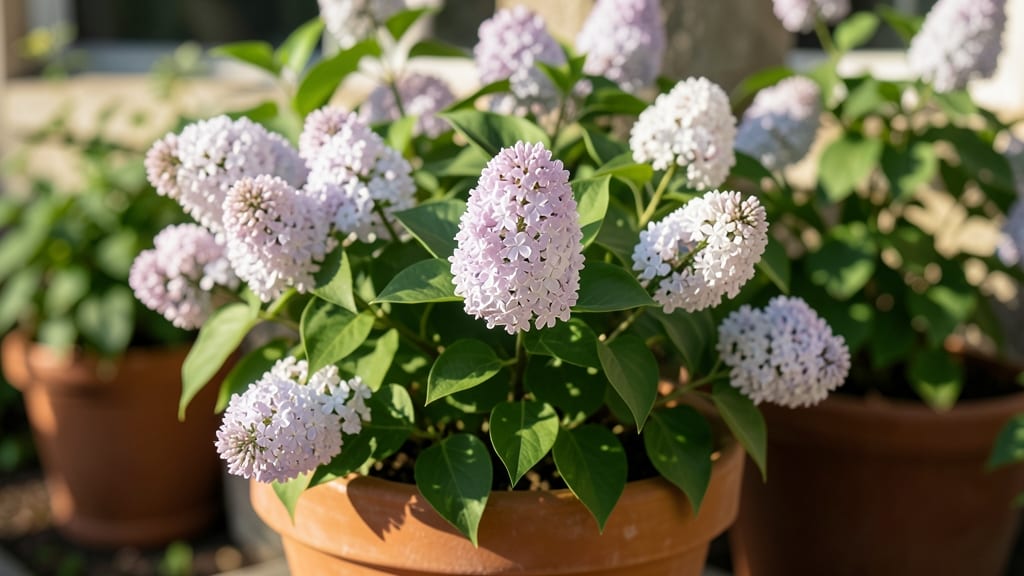
If you love the classic fragrance of lilacs but lack space for their towering cousins, dwarf lilac shrubs are your perfect solution. These compact varieties pack the same intense, sweet scent into a tidy package—ideal for small gardens, containers, or even window boxes.
Unlike standard lilacs that bloom later in spring, dwarf varieties like 'Miss Kim' or 'Humilis' often flower in early spring, giving pollinators an earlier food source. Their deer-resistant foliage makes them a low-maintenance choice for rural properties, while their 3-4 foot height fits neatly into urban landscapes. Plant in full sun for maximum blooms, and prune lightly after flowering to maintain their shape.
Urban gardeners and small-space enthusiasts will appreciate how these shrubs deliver big fragrance with minimal footprint. Perfect for borders, foundation plantings, or even as a fragrant hedge! 🌱
Japanese Snowbell Shrub with Bell-Shaped Flowers
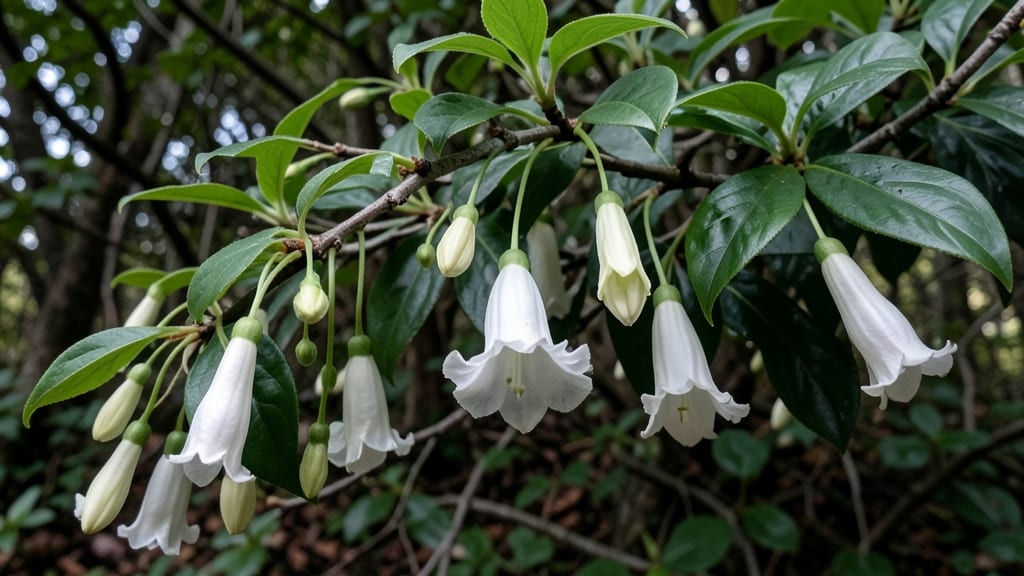
If you’ve ever wished for a white-flowering shrub that thrives in shade—where most others falter—Japanese snowbell (Styrax japonica) is your answer. Its delicate, hanging bell-shaped blooms dangle like nature’s chimes, releasing a sweet evening fragrance that perfumes the air after sunset, making it a standout for twilight garden strolls.
This understory native grows 6–10 feet tall with a rounded form, perfect for woodland gardens or as a focal point under tall trees. It prefers moist, well-drained soil and partial to full shade, blooming in late spring to early summer when many shrubs are still dormant. Prune lightly after flowering to maintain shape, but avoid heavy cuts—this shrub rewards patience with decades of reliable blooms.
Woodland gardeners and shade enthusiasts will love how Japanese snowbell adds elegant texture without competing with sun-loving plants. Its fragrant blooms also make it a magnet for pollinators like moths and bees. 🌿
Abelia Grandiflora for Continuous Summer Blooms
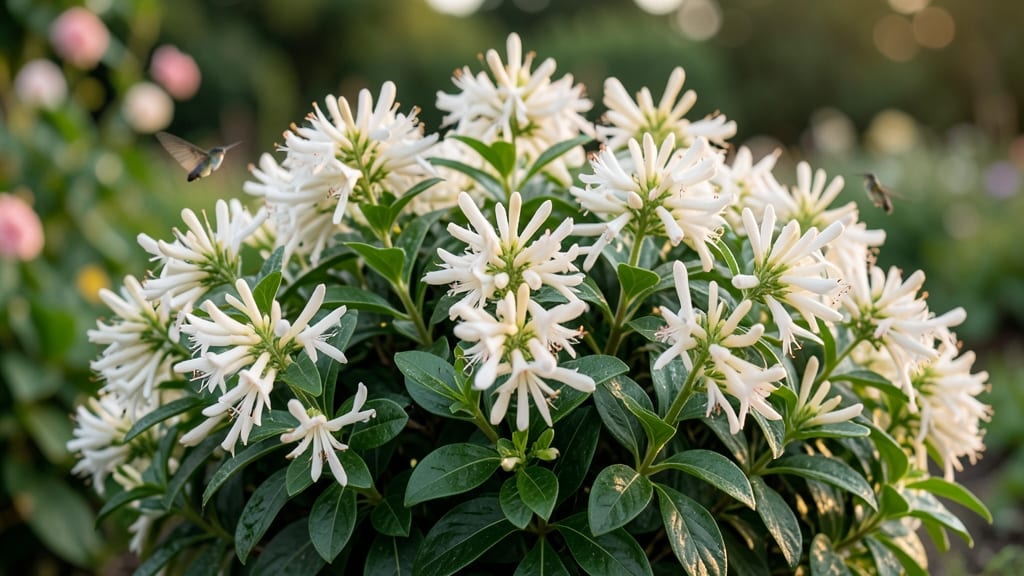
If you want a white-flowering shrub that keeps blooming from summer straight through fall, Abelia grandiflora delivers the goods without the fuss. Unlike many shrubs that fade after one season, this beauty produces continuous clusters of white tubular flowers that attract hummingbirds and butterflies while maintaining its glossy foliage.
This versatile shrub thrives in full sun to partial shade and becomes drought-tolerant once established, making it ideal for low-maintenance gardens. Prune lightly after flowering to maintain shape, and watch it create a lush, four-season interest—with glossy leaves in winter and fresh growth in spring. It’s perfect for hedges, mixed borders, or as a specimen plant where you want long-lasting color.
Urban gardeners and busy homeowners will love how Abelia grandiflora combines beauty with practicality, offering year-round structure that’s easy to care for. 🌻
Pieris Japonica for Winter and Spring Interest
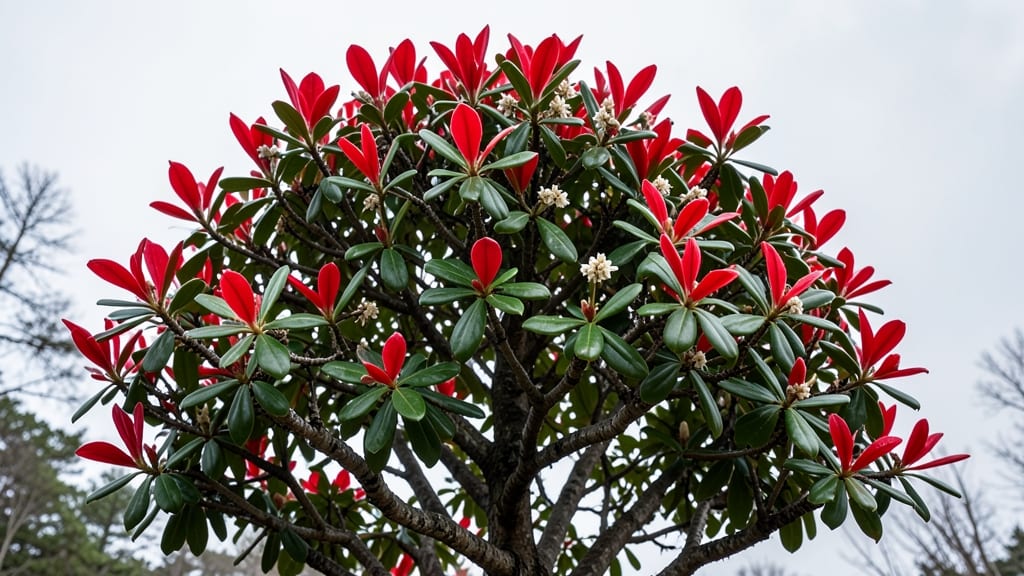
Looking for a white-flowering shrub that delivers drama even in winter? Pieris japonica steals the show with its bold red new growth that emerges in late winter, creating a striking contrast against its evergreen foliage. This coastal native thrives where others struggle, making it a standout for gardens near the ocean or in acidic soils.
In spring, cascades of fragrant white flowers appear along the branches, followed by glossy foliage that stays lush year-round. Plant it in partial shade to full sun and water regularly until established—it rewards patience with minimal care. Prune lightly after flowering to maintain shape, but avoid heavy cuts to preserve its natural elegance.
Coastal gardeners and those with acidic soils will love how Pieris japonica adds year-round structure and seasonal interest without fuss. Its bold winter foliage and spring blooms make it a true garden showstopper. 🌻
Weigela Florida for Bold Winter Blooms
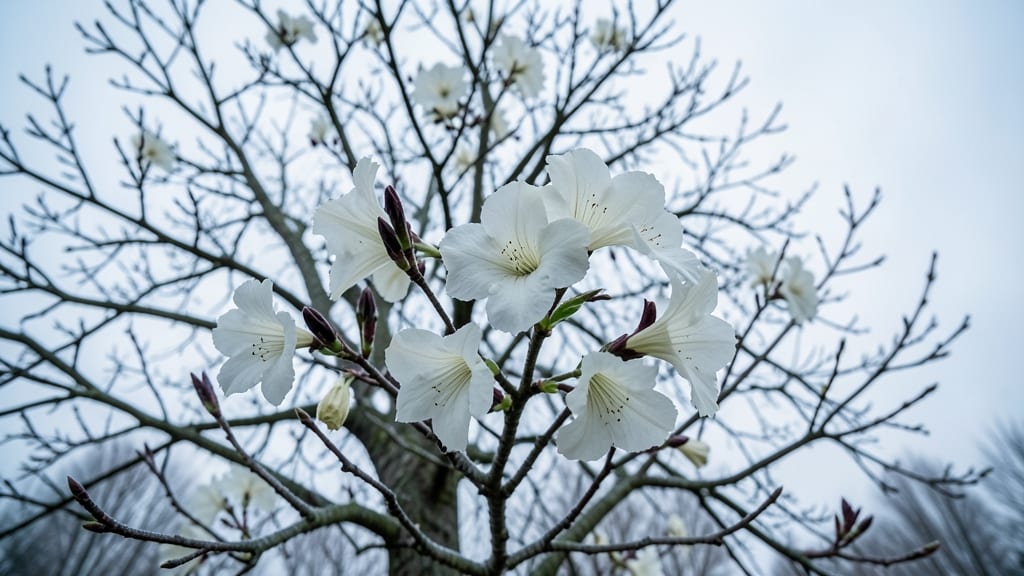
If you crave a white-flowering shrub that announces spring’s arrival with dramatic flair, Weigela florida delivers a stunning early show. Unlike most shrubs that bloom after leaves emerge, this variety produces large, trumpet-shaped white flowers on bare branches in late winter or early spring—often before any foliage appears.
Hardy in USDA zones 4–8, Weigela florida thrives in full sun to partial shade and tolerates a range of soils, making it ideal for northern climates where other shrubs struggle. Its blooms attract hummingbirds and other pollinators, while the foliage remains attractive even after flowering. Prune lightly after blooming to encourage bushier growth, and watch as it rewards you with year-round structure and seasonal interest.
Cold-climate gardeners and pollinator enthusiasts will love how Weigela florida brightens early spring with minimal effort. Plant it as a focal point or mixed-border shrub for a bold, carefree statement. ✨
Deutzia Graceana for Late Spring Delight
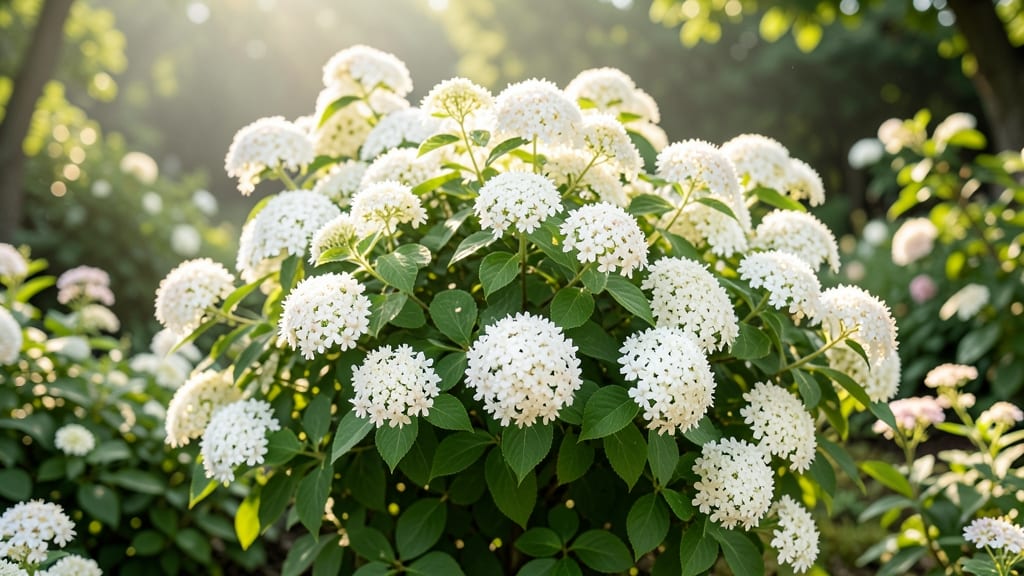
When most spring bloomers have faded by early summer, Deutzia graceana steps in to save the season with its delicate clusters of white flowers. This late-season beauty extends your garden's floral display well into June, creating a seamless transition from spring to summer blooms while requiring almost no extra effort.
This compact shrub grows just 3–5 feet tall with a mounded form, making it ideal for foundation plantings or as a low-maintenance border. Unlike many white-flowering shrubs, it thrives in both full sun and partial shade, adapting to various light conditions without sacrificing blooms. Simply prune lightly after flowering to maintain its neat shape—no heavy pruning is needed.
Landscape designers and homeowners with limited space will appreciate how Deutzia graceana delivers reliable late-season color with minimal upkeep. Its airy blooms also pair beautifully with perennials, creating a soft, romantic garden feel. ✨
Mock Orange Philadelphus for Intense Fragrance
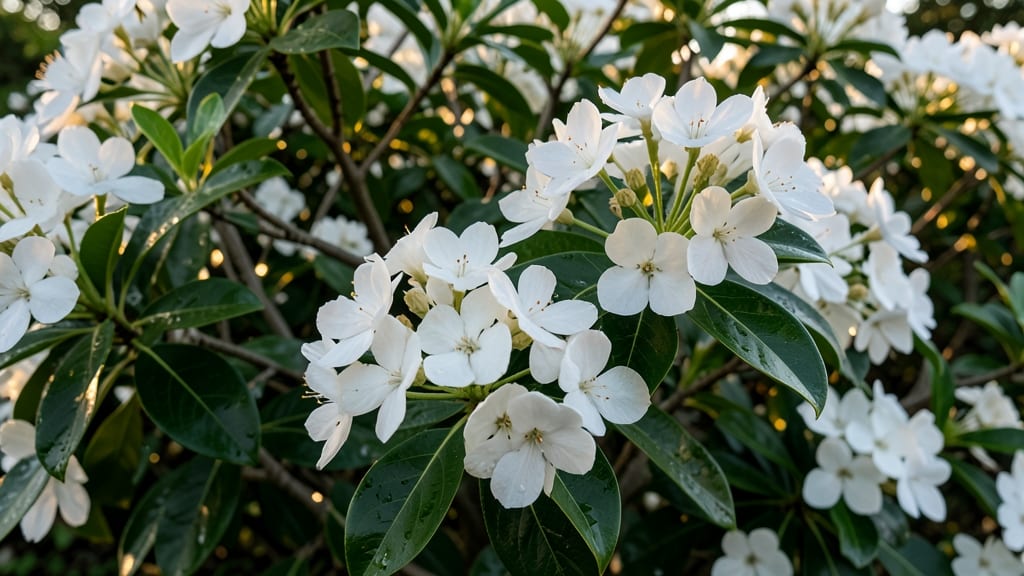
Craving a shrub that smells like a citrus grove in full bloom? Meet mock orange (Philadelphus), a fragrant superstar with white four-petaled flowers that release an intoxicating orange blossom scent—especially potent in the morning. Unlike other white-flowering shrubs, its fragrance is so strong you’ll catch neighbors sniffing the air as you walk by!
This 6–10 foot tall> shrub thrives in moist, well-drained soil (ideal for rain gardens) and blooms in late spring to early summer, making it perfect for cutting gardens or fragrant hedges. Prune immediately after flowering to encourage bushier growth, and avoid heavy cuts—this shrub rewards patience with decades of reliable blooms>. Its glossy green leaves add year-round interest, while its tolerance for partial shade makes it versatile for various garden spots.
Cut-flower enthusiasts and cottage garden lovers will adore how mock orange’s long stems hold up beautifully in bouquets, while its fragrance lures pollinators like bees and butterflies. A must-have for any garden craving a sensory experience>. 🌷
Dwarf Fothergilla for Seasonal Color Changes
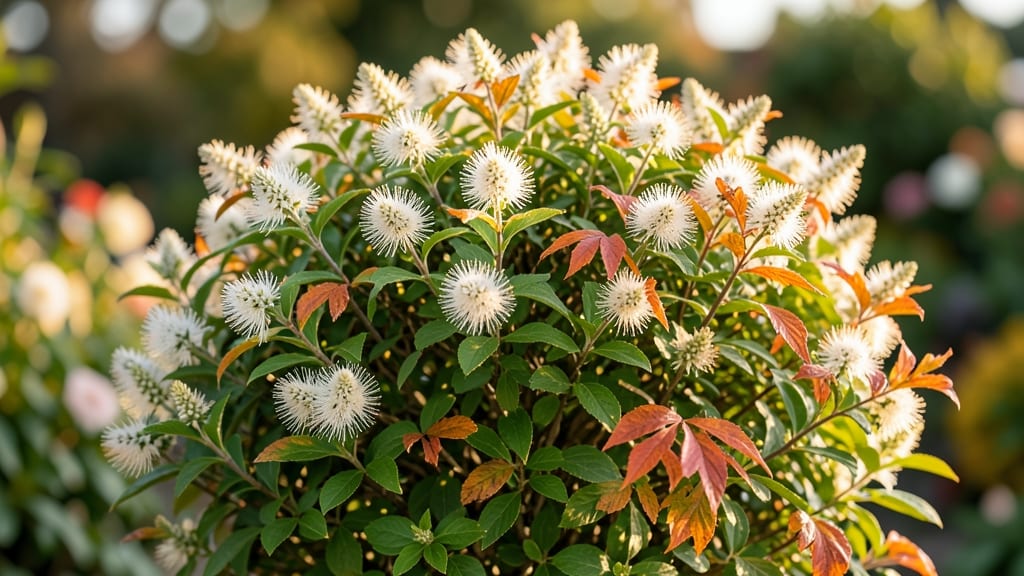
If you love shrubs that deliver a seasonal show without taking over your space, dwarf fothergilla is your multi-purpose superstar. This compact shrub (typically 3–5 feet tall) packs three seasons of interest into a small footprint—white bottlebrush flowers in spring, fiery orange fall foliage, and peeling exfoliating bark for winter texture.
Unlike its taller relative, the witch alder, dwarf fothergilla thrives in partial shade to full sun and tolerates a range of soil types, making it ideal for urban gardens or woodland edges. Plant it as a specimen shrub in borders, or group several for a low-maintenance hedge. Prune lightly after flowering to shape, but avoid heavy cuts—this shrub rewards patience with minimal effort.
Small-space gardeners and those who crave year-round interest will adore how dwarf fothergilla delivers drama without the bulk. It’s the perfect choice for adding seasonal color to tight spots! 🌟
Spirea Anthony Waterer for Long Blooming Season
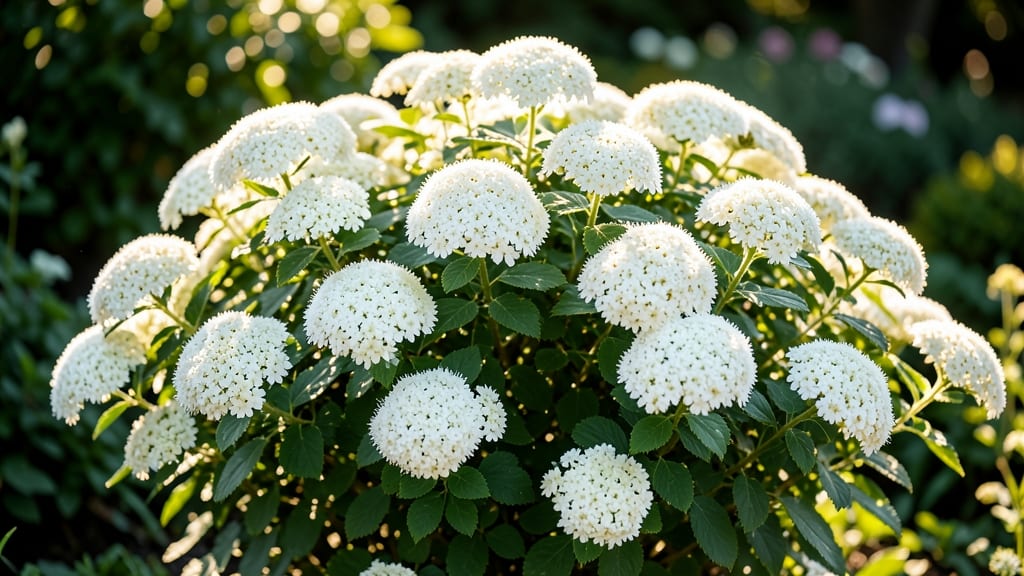
If you crave a white-flowering shrub that delivers months of effortless blooms without constant watering, Spirea Anthony Waterer is your game-changer. Unlike many shrubs that fade after one flush of flowers, this variety produces dense clusters of pom-pom-shaped white blooms from late spring straight through summer, creating a cloud-like effect that brightens any landscape.
Once established, it becomes exceptionally drought-tolerant, making it ideal for xeric gardens, prairie-style plantings, or dry climates. Its fine-textured foliage adds subtle contrast to bolder garden elements, while its 3-5 foot height works beautifully as a specimen plant or in mixed borders. For best results, plant in full sun and prune lightly after flowering to maintain its rounded shape—no heavy-handed maintenance required.
Gardeners in arid regions or those seeking low-maintenance white blooms will appreciate how this shrub thrives with minimal care while providing season-long color. Perfect for modern landscapes, cottage gardens, or as a focal point in dry garden designs! ✨
Hydrangea Arborescens Annabelle for Large Dramatic Blooms

Want a white-flowering shrub that makes a bold statement without requiring perfect growing conditions? Hydrangea arborescens 'Annabelle' delivers massive, globe-shaped blooms that dominate the garden from early summer through fall—even in partial shade where other shrubs struggle.
This deciduous hydrangea thrives in full sun to partial shade and tolerates a wide range of soils, from clay to sandy. Its 4-5 foot height and rounded form make it ideal for creating focal points, while its drought tolerance once established means less watering once roots are settled. Prune back stems in late winter to encourage fresh growth and larger blooms next season.
Landscape designers and homeowners with limited space will love how 'Annabelle' brings drama to any style—whether cottage, modern, or formal. Its year-round interest (even when not in bloom) makes it a versatile choice for borders, hedges, or as a standalone specimen. 🌟